

Shortly after the release of Oppenheimer this summer, there was a minor stir online about the real-life dangers faced by many Native Americans in the wake of the Trinity test at Los Alamos. Adding to that discussion is the righteously angry documentary Downwind, which focuses on the countless lives that were negatively affected by the US government’s testing of nuclear weapons from 1951 to 1992 in Nevada and Utah. Directors Mark Shapiro and Douglas Brian Miller mine genuine heartbreak and pathos through their interviews with Native American leaders, everyday people that were affected first- and second-hand through radiation sickness and also, uh, Lewis Black. What follows is a mostly comprehensive accounting of the history of the tests, and how their existence was not swept under the rug, but was downplayed in their long-term dangers. The film doesn’t necessarily need any dissenting opinions but it’s what keeps Downwind from being great. Perhaps, at the least, the filmmakers could have included the perspective of someone that worked on the projects, regardless of how supportive they are.
Buy virtual and in-person tickets here.

Inspirational sports documentaries are a dime a dozen, but there’s something endearing about the uphill battle on display in 26.2 to Life. Running a marathon is the hardest thing I’ve ever done, physically and mentally, and I did so without the restrictions of the subjects in director Christine Yoo’s debut feature. Nevertheless, the inmates at San Quentin state prison started a running club, with help from outside coaches, volunteering their time regularly to help the men succeed. Throughout the film, we get to know the men at the center of the club, most incarcerated for murder or similarly serious offenses. But they’re determined to improve their lives, and the running club gives them an outlet for success, including one inmate who aims to qualify for the Boston Marathon (trust me, it’s not easy, even for a marathon veteran). The film generally stays the course when it comes to the genre, but Yoo’s access to her subjects is no less impressive. There’s no shortage of emotionally rich stories to be found within the walls of a prison, and 26.2 to Life provides enough life-affirming narratives to make for an engrossing documentary.
Buy virtual and in-person tickets here.
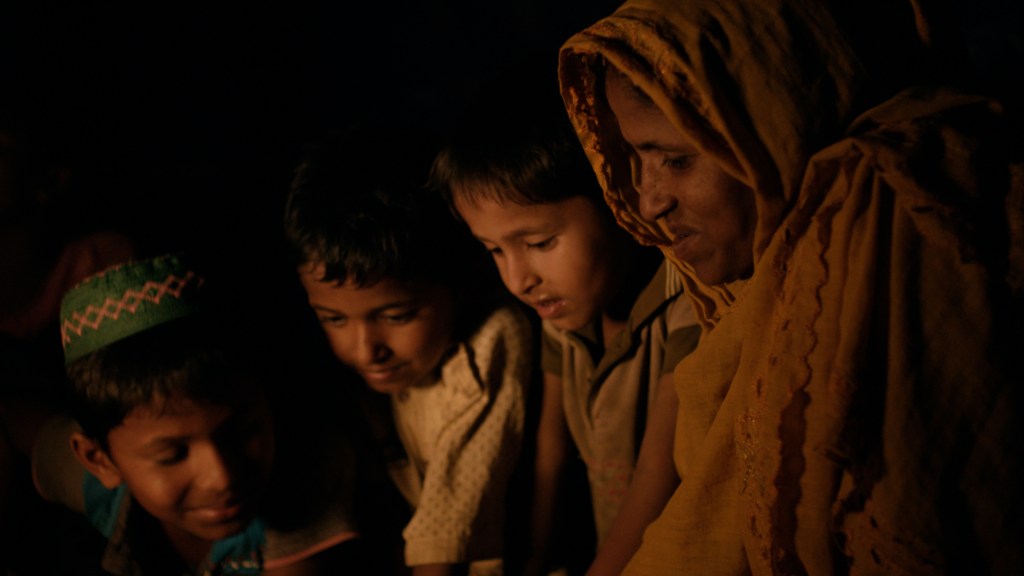
With documentaries, less is more. As in, the less information the filmmakers feed to the audience, the more we’ll be able to infer. Case in point: the devastatingly beautiful From This Small Place, a film with sparse dialogue but an abundance of heart. The film follows a family of Rohingya refugees as they settle in their new lives in a Bangladeshi camp. Director Taimi Arvidson smartly juxtaposes the kids’ carefree days spent playing and exploring with the adults’ worries about the basic necessities of life, all without narration, letting the images speak for themselves. It’s a documentary that manages to be poignant and fulfilling, without being overly sentimental. And at only 77 minutes, it says what it needs to say without wearing out its welcome.
 The Movie State