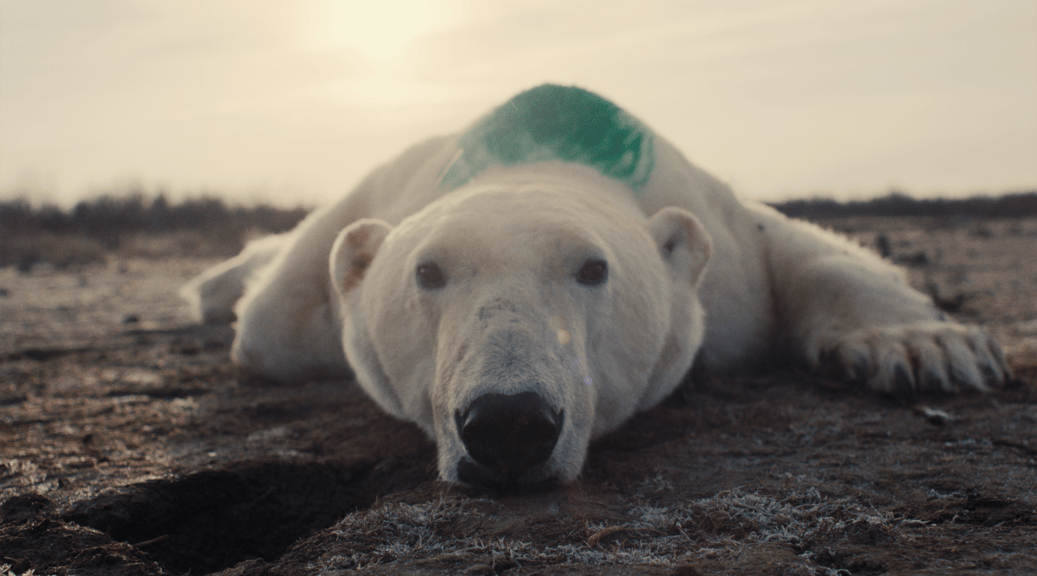
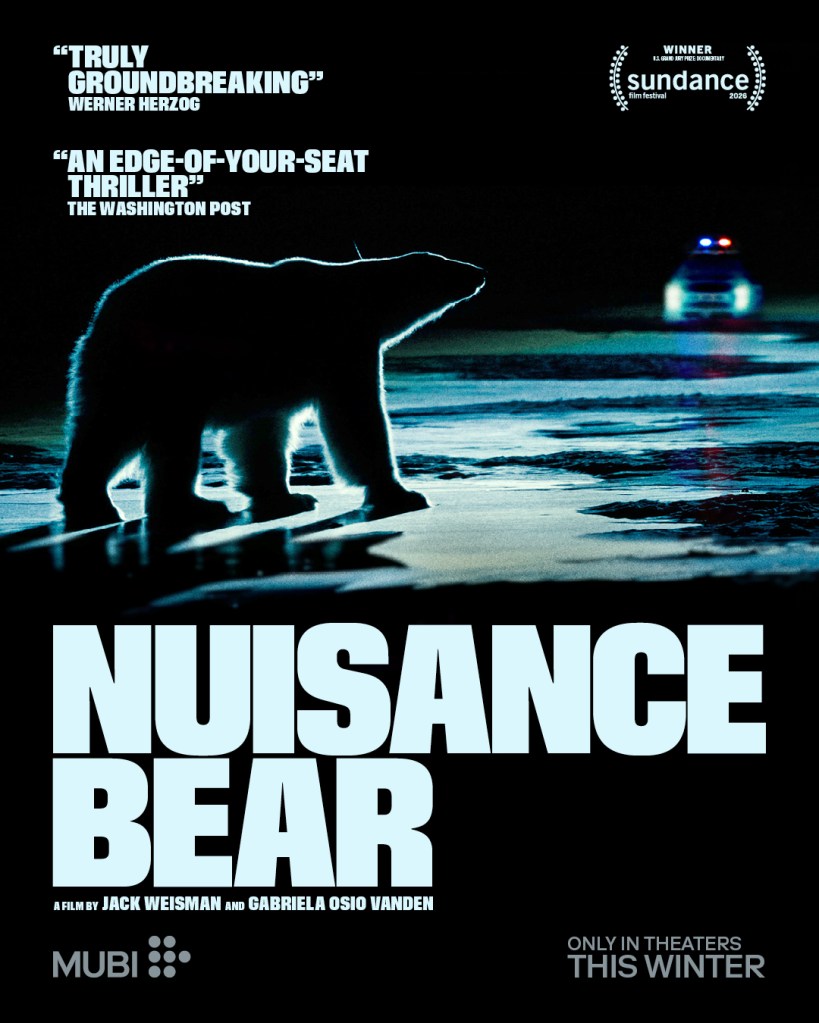
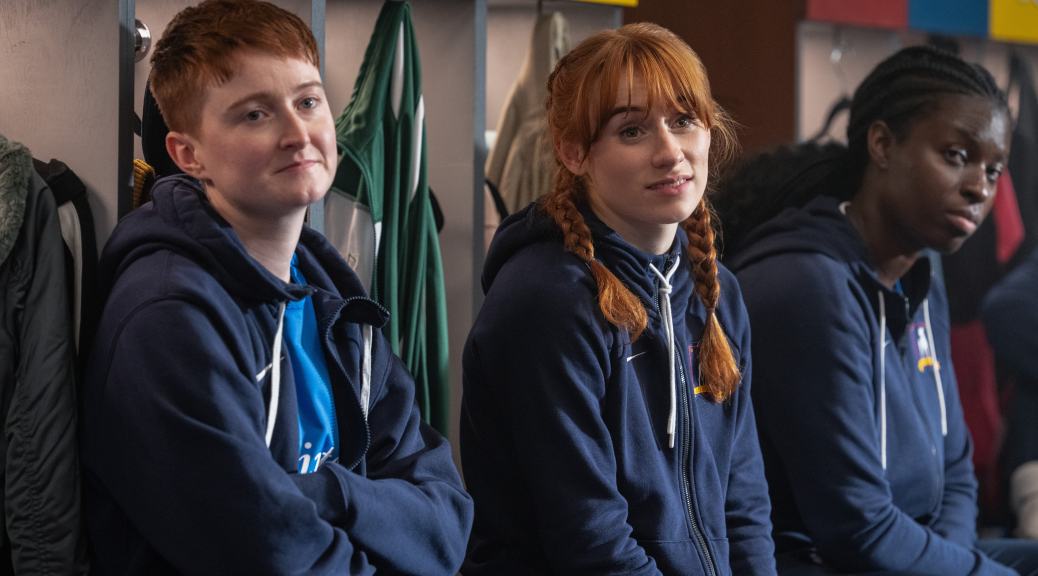
While watching Gabriela Osio Vandem and Jack Weisman’s Nuisance Bear, I found a strange parallel to Tiger King. Specifically in that series’ depiction of the often cruel ways that wild animals are exploited for our entertainment. There’s nothing as plainly evil here, but our casual apathy towards the existential plight of the polar bear species writ large is front and center. This manifests in different, often fascinating ways within Vandem and Weisman’s documentary, but it speaks to the larger theme of intrusion or invasion of the natural order of things.
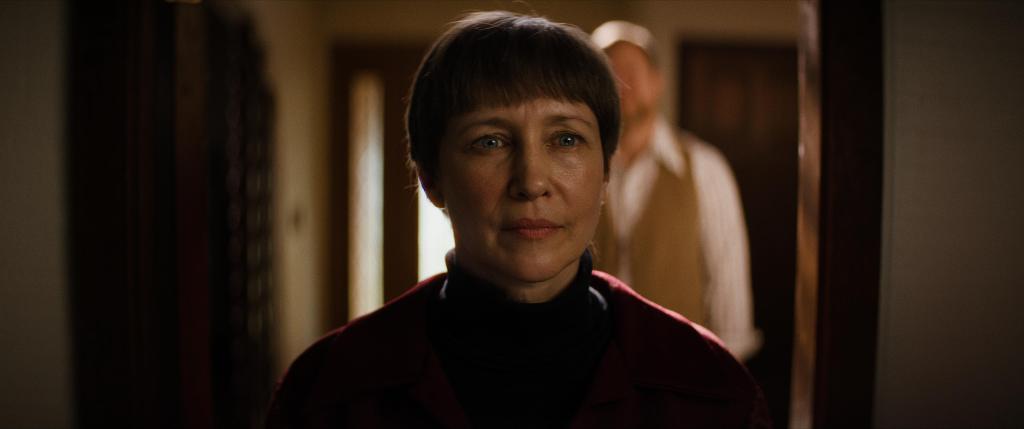
Beyond their leader’s insatiable quest for control, the defining characteristic that all cults share is a belief that we’re meant for a greater purpose. Those who join cults believe that the world has failed them, in one way or another, or that they’re missing out on a larger meaning. The Leader chronicles the Heaven’s Gate cult, the personalities that founded it, and those that got caught up in the charade, until their infamous mass suicide in 1997. Textually speaking, the film won’t reveal much that hasn’t already been explored in countless documentaries, essays, podcasts, books, et cetera, but director Michael J. Gallagher effectively and stylistically delves into the culture of beliefs cultivated by Marshall Applewhite (Tim Blake Nelson) and his wife, Bonnie Nettles (Vera Farmiga).
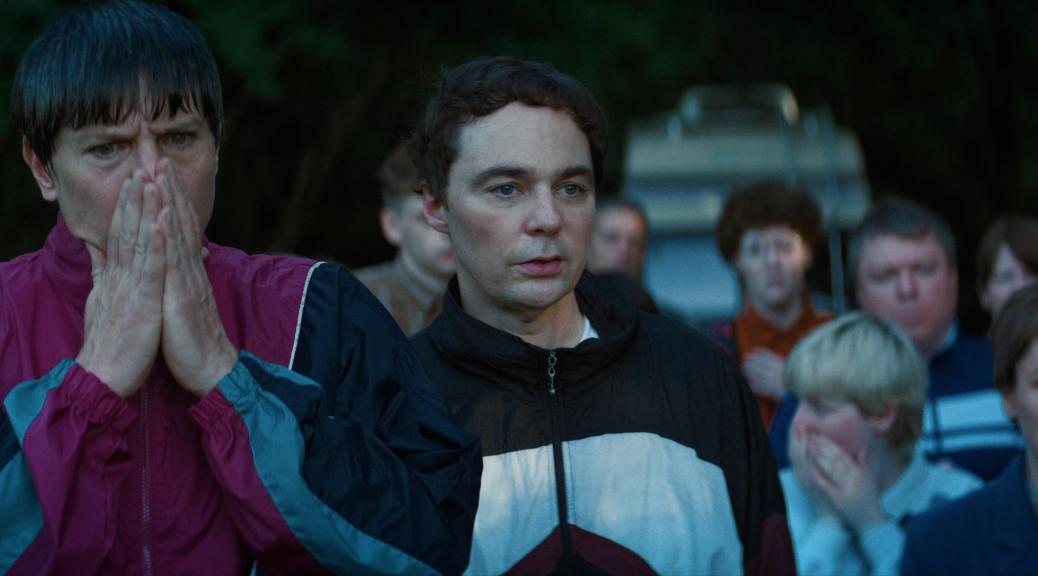
It’s true that The Leader explores the kind of material which would easily become a Netflix limited series, given the ripe avenues for exploration available. But Gallagher manages to chronicle the early days of Marshall and Bonnie’s relationship in the 1970s, the evolutions of their beliefs, and what drove a select few of their followers to join them. Notably, the two didn’t rule with an iron fist, keeping their flock together out of fear of leaving, but there is an element of shame and control utilized to keep them in line. Beyond the intrigue of the story, the film boasts a deep bench of well-known actors to follow the journeys of the followers. Jim Parsons is the most devoted, searching for meaning after various addictions. Though we unfortunately don’t know much about their pre-cult lives, Simon Rex and Grace Caroline Curry take up the bulk of the second act as ersatz partners, despite the cult’s forbiddance of “earthly desires.” The Leader won’t go down as the definitive fictionalization of Heaven’s Gate, but it’s a mesmerizing and well-made account of the methodical loss of personhood, and an unfortunate blight in recent American history.
Plenty of comedy can be easily mined from funerals, but Wake wastes its likeable cast on a number of first-thought-best-thought comic situations. Take it from me, who’s worked in elder law and estate planning for the better part of a decade: death makes people say and do crazy things, especially amongst family members who presumably love and cherish one another. Director Devon Michaels tells the story of a handful of disparate siblings as they prep for their father’s funeral, and all the ways that one of the most important days of their lives goes wrong. At a punishing 102 minutes, the film draws out one unfunny development after another, jumping from sibling to sibling as we struggle to care about how they’re reckoning with their father’s untimely death.
Directed with a never-static camera seemingly set on a constantly loose dolly track, Wake follows a number of character archetypes before and during the “longest day of one’s life,” according to an opening title card. Credit to screenwriters Michaels and Kelly O’Malley for not throwing in too many pratfalls or WaCky ShEnAniGanS, though perhaps doing so would have at least given the film some life, rather than a series of prolonged conversations about their father’s wishes. Even the presences of likeable, comedic actors like Chris Parnell, Rikki Lindhome, Cole Sprouse, Nelson Franklin, and Peter Gardner feel like wasted potential, as they’re not allowed to fly loose or show off their dramatic sides. They say that, before you die, your entire life flashes before your eyes. If this is true, I can only hope that my time watching Wake is omitted.
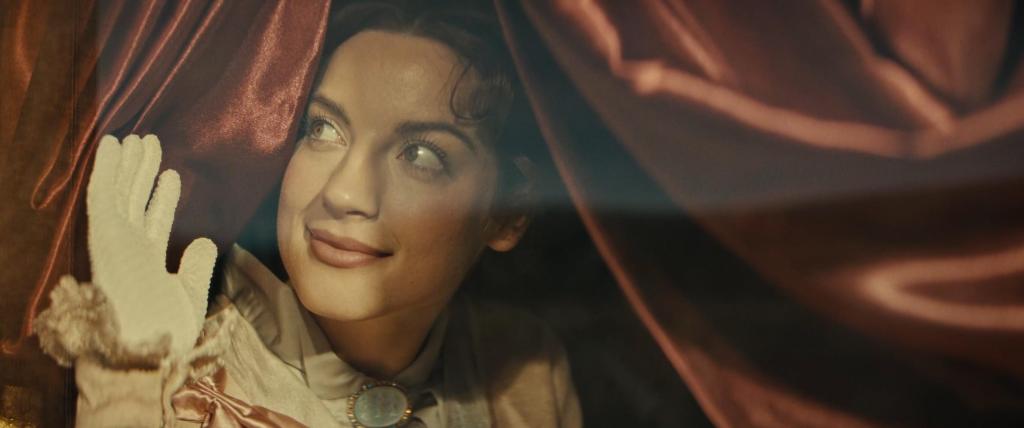
Grand, historical epics are a rare breed at regional film festivals – especially from first-time directors with no notable star power amongst the cast or crew (unless you count the Triple T Ranch in Ohio as an executive producer). Nevertheless, Medora: Empress of the Badlands exists as a handsomely-made but empty Western about the unusual settling of a crucial portion of America. The aforementioned first-time director is Daniel Bielinski, who also writes the screenplay based on true events beginning in 1883 about the rise and fall of the Marquis de Mores (Robert Strange) and his wife Medora (Baylee Toney). Budgetary information isn’t widely available, but one can imagine that Bielinski spared no expense, with elaborate costumes and production design to go with the time period. It’s just too bad that the story can’t match the ambition of the crafts; rather, the film feels like a boilerplate History Channel miniseries with uninteresting characters making a series of pre-determined decisions.
Medora: Empress of the Badlands could easily become a more focused story about the inherent lie of the American Dream. De Mores actually sets out to fulfill that dream when he arrives in Little Missouri, buying up a chunk of land, and opening his own slaughterhouse. It’s not entirely clear why the film is named after Medora, as it only sometimes, sort of, focuses solely on her. His is the more interesting story – she has next to no agency, instead mostly fretting over him and seeking to build a church. Meanwhile, he’s threatened repeatedly, both verbally and physically, simply because he’s a Frenchman (descended from royalty, no less) and the locals fear an outsider’s takeover of land they presume should be theirs. For a 124-minute historical docu-drama, Empress of the Badlands leaves a lot to be desired, but Bielinski manages to put together something easily digestible out of a task that was likely much more difficult than most could imagine.
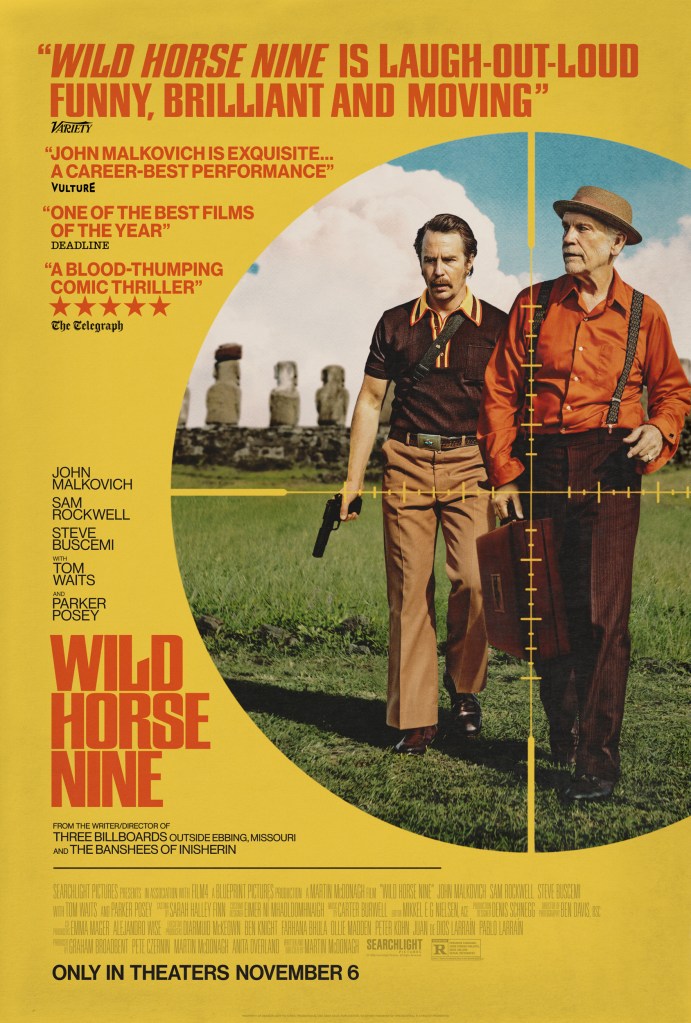
Starring: John Malkovich, Sam Rockwell, Steve Buscemi, Parker Posey, Mariana di Girolamo, Ailin Salas, Tom Waits
Grade: A-
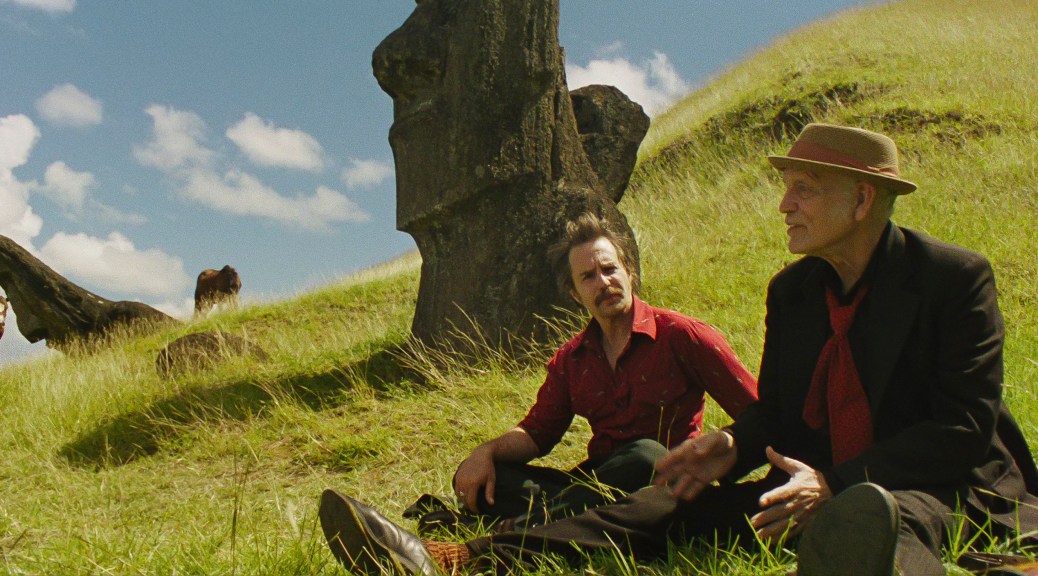
When walking into a new Martin McDonagh film, one can fairly expect to see some of the same hallmarks that have stuck with him throughout his celebrated filmography. Wild Horse Nine sees McDonagh staying within his lane, but it quickly becomes his most melancholic film to date, a poignant treatise on mortality and legacy, featuring the best performance of John Malkovich’s long career. How McDonagh can weave so many complex themes and disparate tones into a dark comedy about Americans meddling in foreign affairs goes to show why he’s one of the most celebrated auteurs working today.
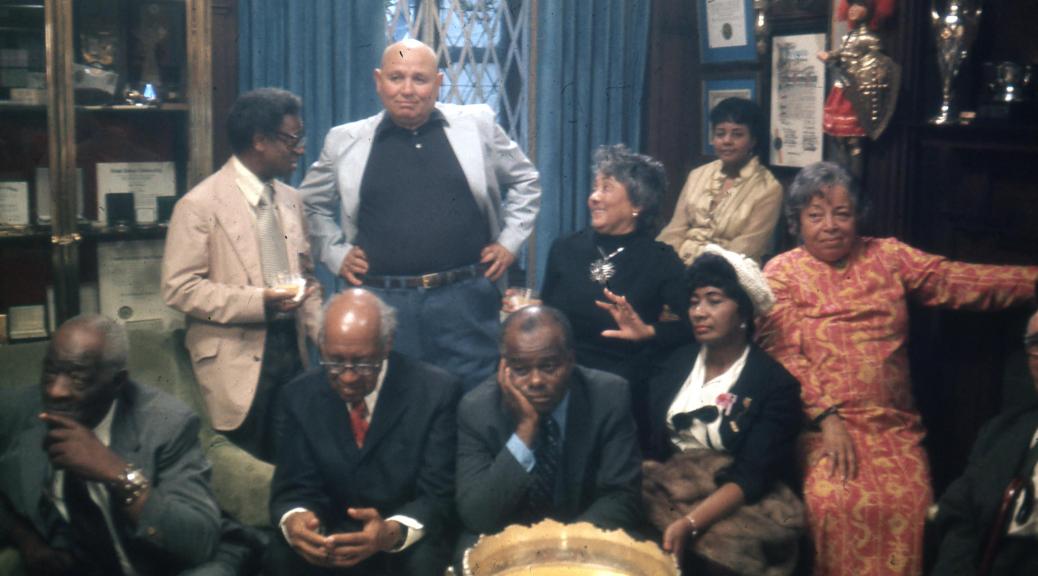
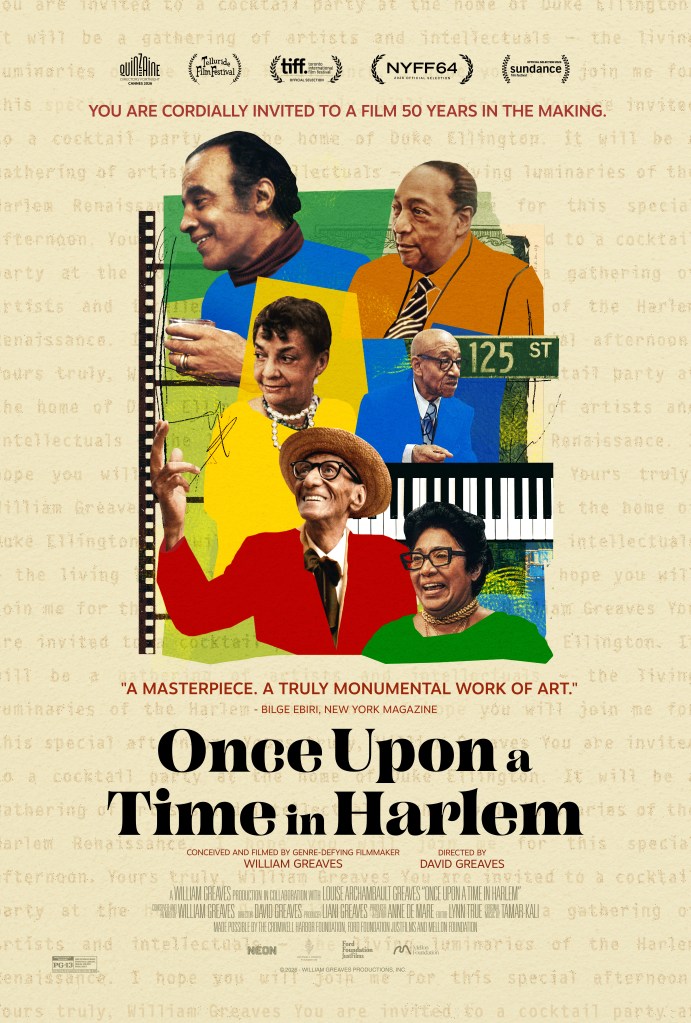
On an August afternoon in 1972, several interconnected figures were invited to the home of Duke Ellington. This party wasn’t created to generate headlines – outside of the attendees, it’s likely that nobody actually knew it was happening – but it still stands as a historic event. Among the partygoers was experimental documentary filmmaker William Greaves, and the result of his filming of the gathering is Once Upon a Time in Harlem, a revelatory, joyous celebration of a critical period in Black history.
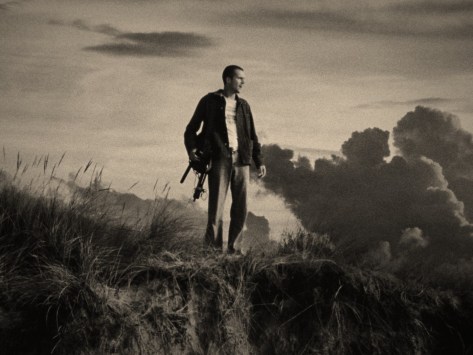
Writer-director duo Noah Stratton-Twine and Jake Kuhn have a clear affection for low-grade horror shlock from the 40s and 50s, and The Peril at Pincer Point does its best to evoke those films’ aesthetics. The square aspect ratio and sepia color grading (courtesy of cinematographer Murray Zev Cohen) certainly shares the same look as films like The Black Scorpion or The Lighthouse, but its story is more visceral and languidly paced than a genuine creature feature. Those seeking the former will be slightly disappointed, but those invested in a character study of a man slowly losing his mind and his identity could find enough entertainment value.
Jim (Jack Redmayne) is a sound recordist desperate to prove his worth to the pretentious director P.W. Griffin (Os Leanse) of an upcoming monster movie involving a giant, talking crab. So he’s sent to the titular Pincer Point, an island with enough legends and spooky stories to capture his curiosity. Naturally, he becomes too invested in the folklore, and starts losing sight of what’s reality versus fiction. The Peril at Pincer Point ends up being a film that’s not terribly captivating, but it’s an impressive bit of filmmaking for what was surely a low budget affair. Stratton-Twine and Kuhn deserve their flowers for an original take on the horrors of the production process, especially for those under-sung crew members who nobody knows on a first-name basis but are just as vital in creating the films we love.
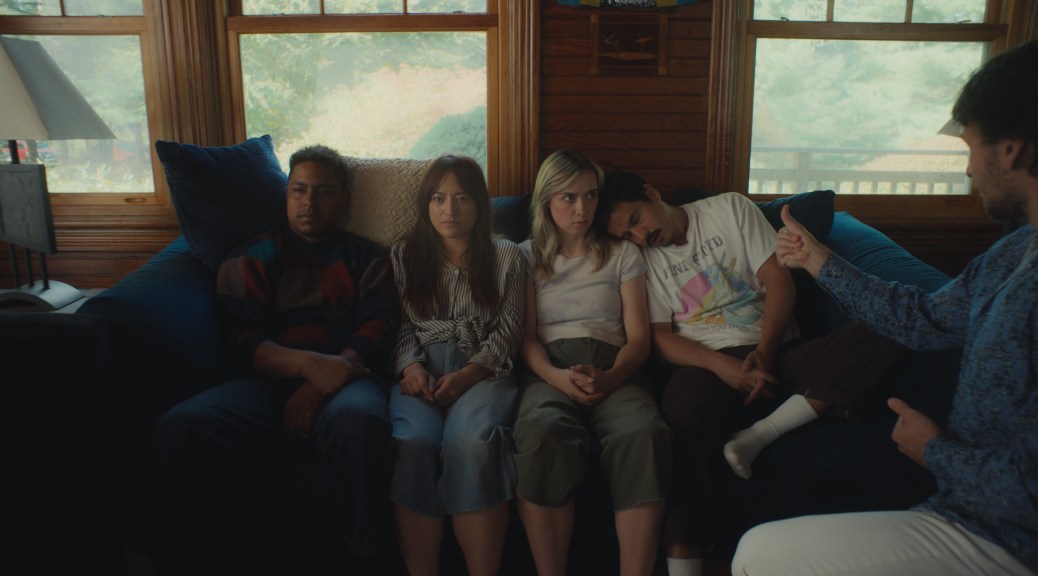
The first time we see her, Lily (Chynna Marie Walker) has hit rock bottom. Her boyfriend of four years has unexpectedly broken up with her, and she’s been laid off from her job. And so, with little else to do and no other prospects, she signs up to attend Genevieve’s Garden, a wellness retreat hosted by the titular middle-grade influencer (Laura Hetherington). Writer-director-editor Katie Colosimo takes some easy potshots at Genevieve, and the wellness influencer culture writ large, but the film works better when it explores Lily and her search for an identity.
Naturally, Genevieve’s retreat is just an aimless weekend populated by similarly aimless weirdos with the occasional yoga sessions and “mental health exercises” thrown in. Colosimo has a knack for writing realistically-rendered characters, like Max (Giovani Naarendorp), who throws out a humble-brag about various celebrities he’s met and world vistas he’s lived or work at throughout his young life. There’s Olivia (Hannah Marianetti), a nihilist who seems to share no interest in wellness or making friends. But Lily is mostly drawn to Charlie (Jose Duran), a hunky but empty husk of a man, and she quickly begins crushing on him. Walker, who’s worked with Colosimo on short films before, is perfectly dialed in as a woman who is looking for a greater purpose in all the wrong places, and Duran works just as well as a romantic foil for Lily. As it stands, Genevieve’s Garden exists as a solid statement on relationships from Colosimo, and one hopes she has more to say on the matter going forward.
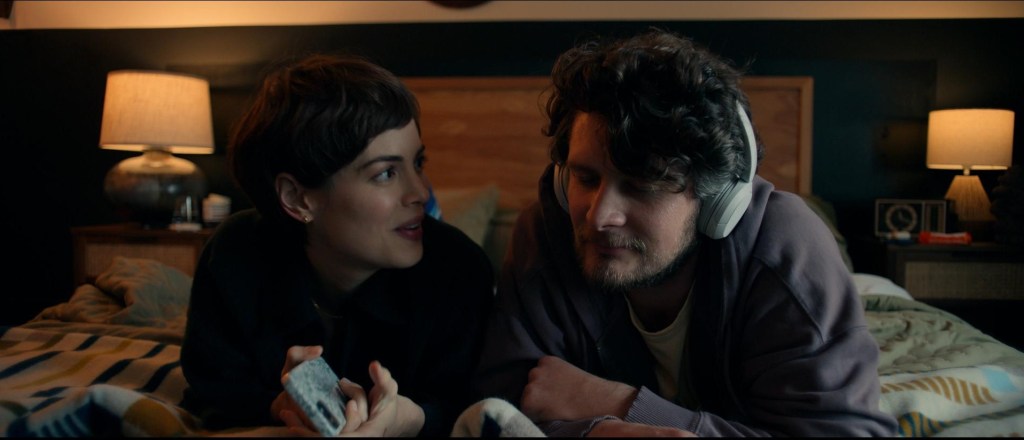
In Spite of Ourselves is one of those indie movies which pops up at seemingly every regional film festival, year after year. Writer-director Josh Loeb’s feature debut rom-com about mismatched misfits hits all the familiar beats of the genre, with a requisite side of quirk, but it does enough to get by. This isn’t a death-knell, per se, as there’s plenty of charming moments and performances. Hannah (Conor Leslie) is a Portland-based baker, and Archie (Brett Dier) is a self-destructive stand-up comedian. They Meet Cute at the bakery where she works, and quickly fall for one another, but their own insecurities prevent them from growing any closer.
Loeb has a firm grasp on Hannah and Archie, making them feel like real, complicated people. But the plot beats of In Spite of Ourselves feel overwritten in ways that leaves the viewer questioning why something is happening, beyond “because it needed to.” We learn that Hannah suffers from hearing loss in one ear and is considering corrective surgery, but she’s afraid of its potential complications. We learn that Archie’s only remaining family is his father, in the throes of dementia, which puts his stand-up career in doubt. There’s nothing terribly objectionable here, and Dier and Leslie give needed depth to their characters when the story fails them. As a directorial debut, In Spite of Ourselves is a solid introduction, a hopeful indication that Loeb can make bigger and better things.
Starring: Will Sharpe, Stephanie Hsu, Rio Vega, Lyna Khoudri, Paul Kircher, Birane Ba, Gauthier Battoue
Grade: B-
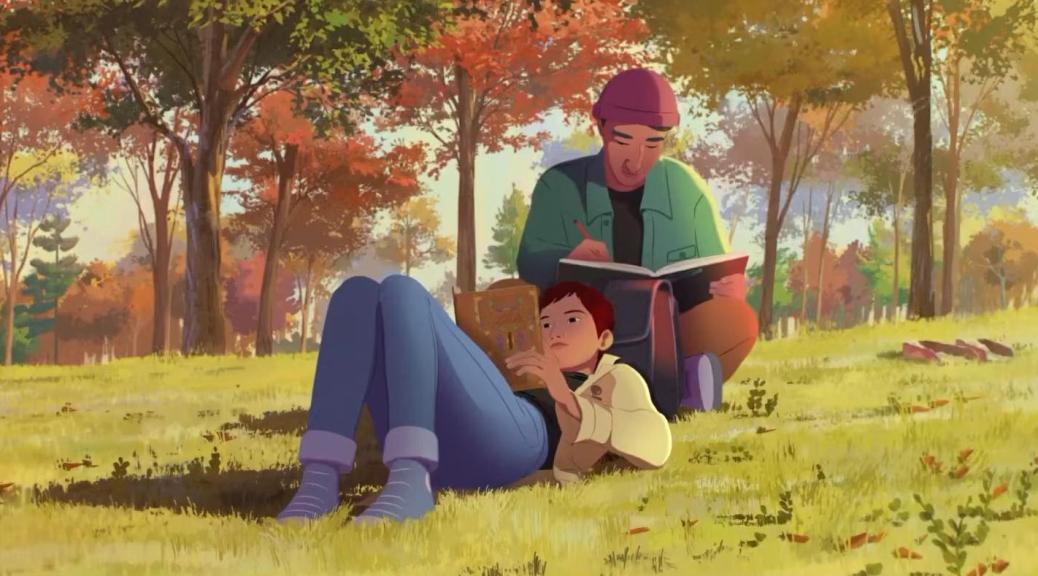
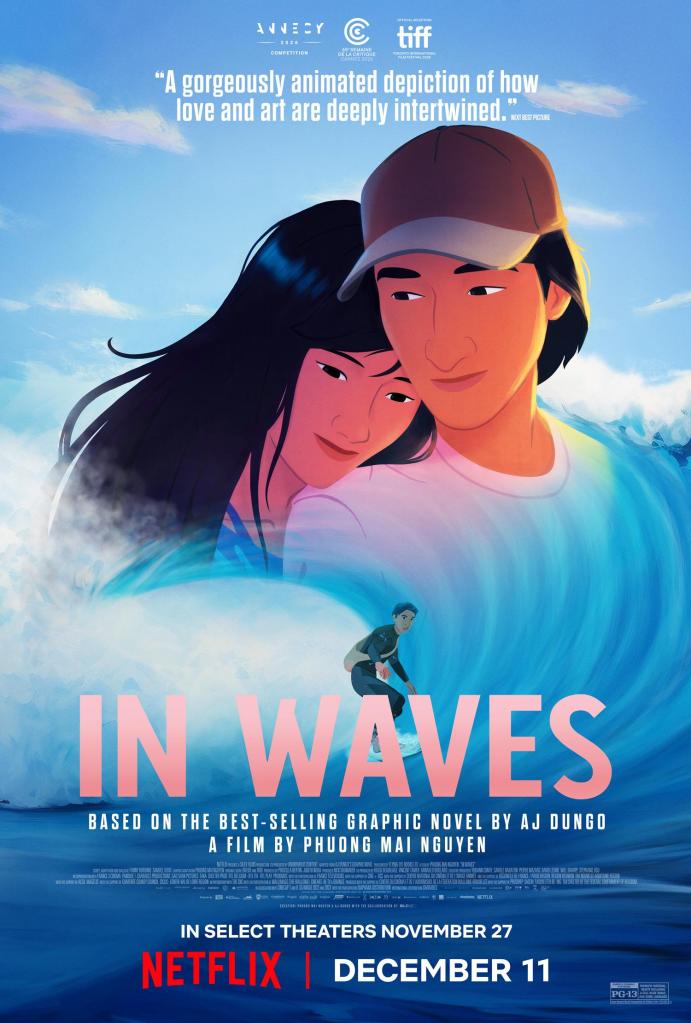
Animated film adaptations of graphic novels and manga present a unique challenge. Yes, the heavy work of the animation style and story structure has already been tackled, but it can be too easy for a filmmaker to lean on the source material. In Waves provides a textbook example of this phenomenon, as Phuong Mai Nguyen’s adaptation of AJ Dungo’s graphic novel features some of the year’s best animation, and the story hits all the right notes for a weepy teenage romance, but there are crucially missing elements that hold the film back. It’s crucial to understand, though, that Dungo based the graphic novel on his own experiences, which could explain some of the shortcomings.
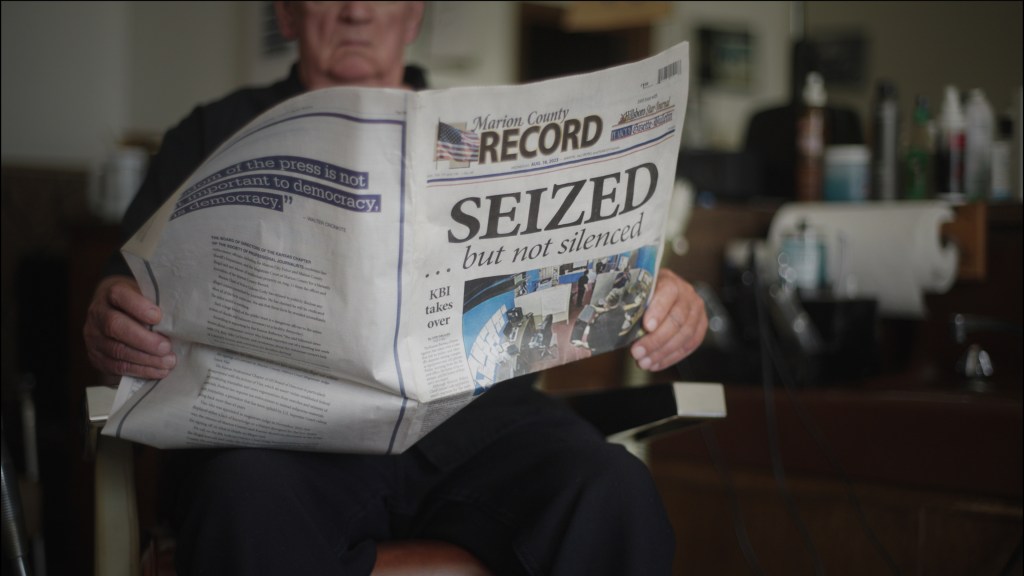
You might remember when, in 2023, a small county newspaper in Kansas was raided by the police. The story made national news, and looked on the surface to be a symbol of the crumbling strength of the First Amendment. The raid is the backbone of Seized, but director Sharon Liese uses the opportunity to explore the bickering and back-stabbing around the Marion County Record and around the small town. Kudos to Liese for discovering in real time where the story lies within this incident, and the film unfolds as a kind of true-crime account of outsized personalities, and how their perceived slights led to a breach of journalistic independence.
If anyone is the main character of Seized, it’s the newspaper’s editor Eric Meyer, who’s garnered a reputation around town for pushing buttons and soiling the people’s trust of the Record. Indeed, Meyer routinely publishes police blotter reports, which feels, to new reporter and New York transplant Finn Hartnett, like unnecessarily airing out town gossip. Hartnett’s Gen-Z measured approach works as a kind of counterbalance to Meyer’s Boomer brashness, but at the end of the day, they still have each other’s backs. By the end of the film, I wouldn’t say I felt any more or less enlightened around the state of the First Amendment. But, perhaps just as importantly, I was thoroughly entertained.
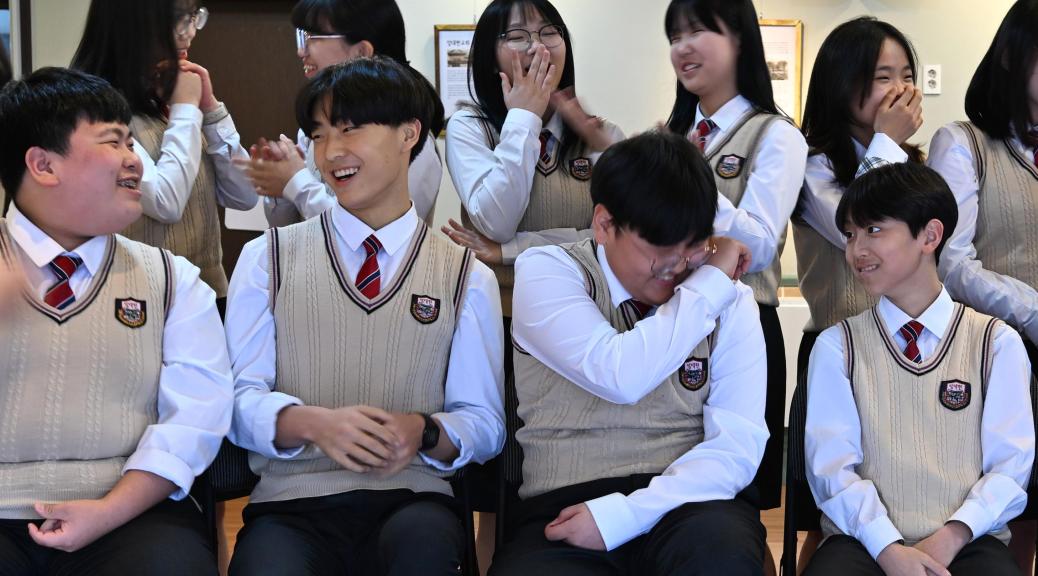
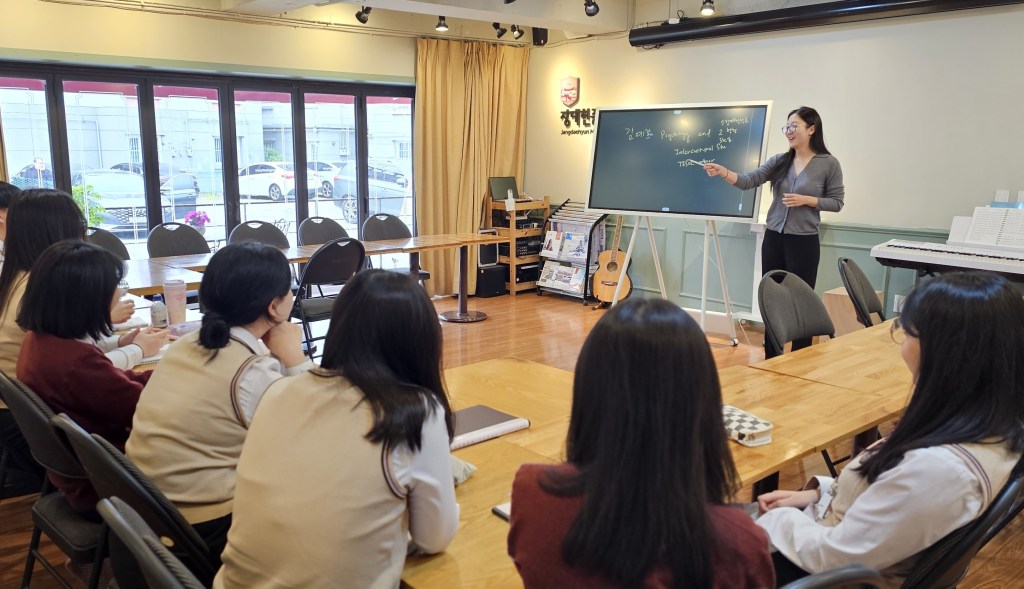
I’ve always had a strange fascination with North Korea, and School for Defectors offers a unique perspective on the isolated dictatorship. Director Jeremy Workman – who appeared at last year’s Heartland with Secret Mall Apartment – travels to the other side of the world to visit the only Korean boarding school dedicated to kids whose families have defected from the North. We mostly follow the teenagers, closer to graduating high school, but the school houses students of all ages. The school’s administration focuses on vital education tools, but puts equal emphasis on reintegration into functioning society. To the untrained eye, it may seem like sunshine and roses as soon as one crosses the 38th Parallel, but the film shows that the truth is much more difficult. Workman interviews a number of students and alumni from other, public schools, and reveals the bullying and isolation they often felt from their peers.
Those that have only skimmed the headlines surrounding North Korea, or those that missed the excellent documentary Beyond Utopia, will surely be in for a shock, as the third act takes the focus away from the students to tell the harrowing stories of how the families escaped. The drama here is certainly relevant, and School for Defectors would feel incomplete without it, but it almost feels like Workman needed more material to justify a feature-length film. Still, the film works best when it lets the kids be kids: on field trips to the coast, rehearsing TikTok dances, or discussing their hopes for life after school. It’s a gentle, smartly-made documentary that reminds us that the world isn’t as big as we believe it to be sometimes.
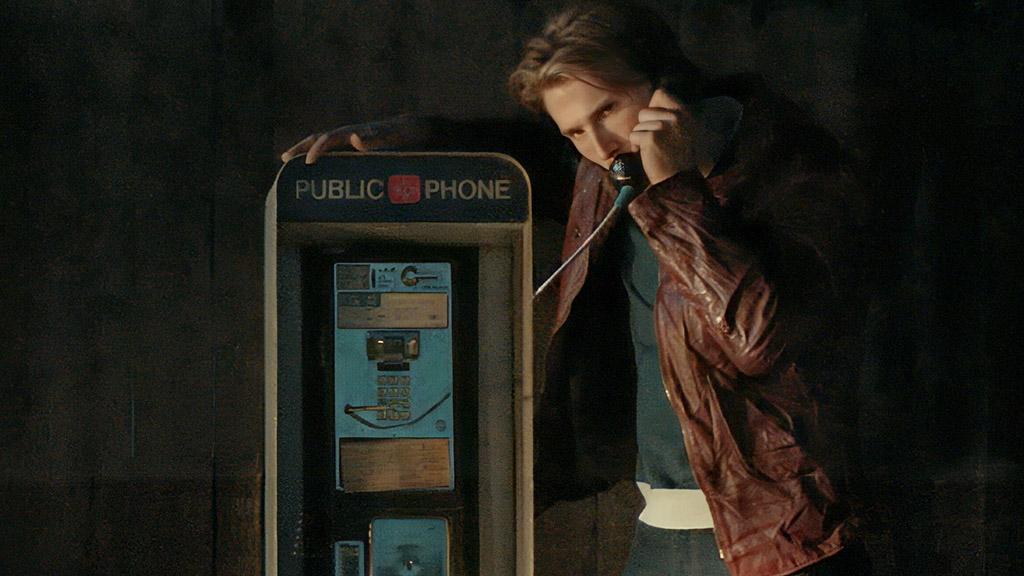
For those that prefer their documentaries considerably more stylized than the above, there’s I Got Bombed at Harvey’s, which feels like it would be more at home as part of a larger series on Netflix. The true-crime film examines a bizarre act of terrorism in Lake Tahoe in 1980, when a 1,600-pound bomb was wheeled into Harvey’s Casino and ransomed for 3 million dollars. Directors Amy Bandlien Storkel and Bryan Storkel utilize a blend of recreations and talking heads (along with the occasional found footage for things like court-filed evidence) to tell the story, and your appetite for the film will likely depend on your tolerance for these devices. Where Harvey’s works best is in its examination of the perpetrator, “Big” John Birges, a gambling addict who enacted the plan as a form of revenge against his debtor. Chief in telling the story is his son, Jim, who suffered under his father’s abuse and was even enlisted to help build the bomb and collect the ransom when he was a teenager.
However, the Storkel’s employ a controversial and, frankly, slapdash, technique to get the perspective of John’s other son, John Jr. via the use of AI. John published a novel on the matter, and the filmmakers use those words, along with video footage from prior interviews, to bring John’s voice to “life”. Regardless of whether you’re ambivalent about AI usage in film, or are a total luddite on the matter, the gambit adds essentially nothing to the film, especially when I Got Bombed at Harvey’s already uses actors to recreate the events he discusses. It’s an unfortunate mark on an otherwise decent documentary that knows that the real, human story lies underneath the sensationalized headlines.
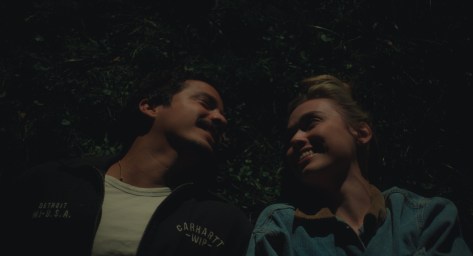
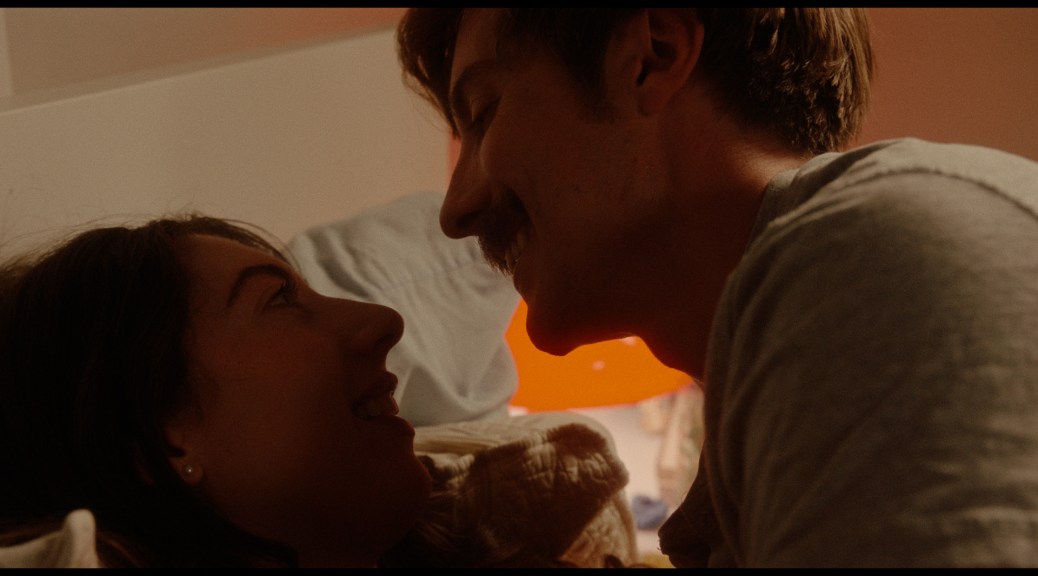
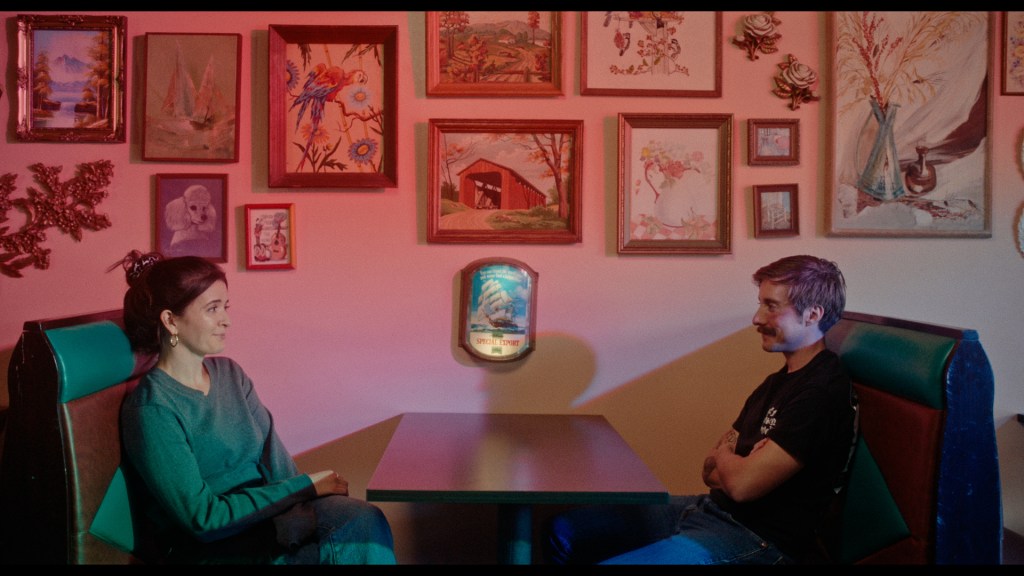
Below is my conversation with Zac Cooper, the writer, director, and star of God I Want You, ahead of its Midwest Premiere at the Heartland Film Festival. We discuss his own history with religion and how it evolved during the making of the film, his working relationship with actor Jesse Epstein, and his love of romantic comedies. Our conversation has been edited and condensed for clarity.
Ben Sears: Do you remember the impetus of where God I Want You started? Was it inspired by a certain event in your life, or someone you know?
Zac Cooper: It was definitely taken from aspects of my life in my 20s, and friends I worked with and went to college with. It’s kind of embarrassing when you’re the main actor because it makes it seem like it’s more autobiographical than it is, but it is. The annoying artist answer is that all of those things happened, and none of those things happened, but it was filled out by other people I know who grew up in that culture and experienced a “deconstruction of faith” throughout their 20s. It was a project that I’ve had in my head for a while but it took a while to try and distill it down into something simple and filmable.
BS: I’ve always been interested by filmmakers who put their faith, or lack thereof, on screen. How much was your character’s faith informed by your own faith?
ZC: It’s definitely my own expression of my journey with faith, and exploring my doubt. I wouldn’t call myself religious, but I have people who worked on the film with all different beliefs, and it was a great collaboration. The goal of the film was not to try and be preachy, but to bring audiences into this world, and I just wanted to explore the similarities within everyone’s lives. When I stopped going to church, it sounds silly to say, I found that we all have the same life problems. We all have our own little bubbles, but I had different rules I would follow when I was growing up, which would bring up different feelings of guilt or shame.
BS: Did the production of the film help you to view religion or faith any differently?
ZC: Not necessarily differently, but it would help me to reflect and examine my relationship with faith, and my past with it. I have moments where I can get on my high horse when I say that religion is dumb, but you go back and read history, and people have always believed that there’s something greater than us in the sky, so who am I to say whether this is right or wrong? I think the film has a perspective, but it’s not trying to “both sides” anything, or it’s not trying to be preachy.
BS: It’s more about how people tend to use religion as a shield for making certain decisions.
ZC: Definitely, this kind of language isn’t in the film, but I definitely grew up with people who would say things like “God told me that we should date”, or “God told me we’re supposed to break up”. That was more in high school or college, but that kind of mindset does warp and carry over into adulthood, especially in a culture where finding your spouse can be such a pillar of that religious cultural status.
BS: Coming to God I Want You from It Happened One Weekend, this film feels more adult, in that it deals with sex and relationships, whereas your previous film was about whether friends can begin dating. What’s been your thought process of making two films within the same genre, while tackling it in a more mature way?
ZC: I think part of it was simply experiencing more life than I had when I made my first feature. I think I just felt more confident and feeling less self-conscious about those ideas.
BS: You’re working again with Jesse Epstein, who plays Meg. Did your familiarity with her help when you were working on those more intimate scenes?
ZC: Jesse was a huge collaborator, even behind the camera. She’s credited as a producer, and has a “story by” credit, and she helped me to get the script to a better place. She’s a professional actor, so she brings that level of performance to it, but when you’re friends in real life, it can be a little awkward on the day, especially since I’m also directing, because I had to think of it so mechanically in terms of where to put the camera. But afterwards, we just went back to being friends.
BS: Did she help to shape those conversations about sex or religion, or generally help to make her character feel less like she was written by a man?
ZC: Yeah, I wrote so many drafts, so it’s hard to pinpoint what came from where, but her contributions are definitely woven throughout. I would bring stuff to her, and she would always help. I’m always open to collaborating, if something doesn’t feel real. As a writer, you’re always trying to put yourself in someone else’s shoes, but you’re still limited to your own experiences.
BS: I know that you’re a real film connoisseur – old and new films, foreign films, genre films, et cetera – but you’ve continued to work in the rom-com space. Does that come from a long-standing fondness for the genre, or do you see yourself branching out to horror films, for example?
ZC: A Horror movie would definitely be easier to get made, especially in this day and age. I love all kinds of movies, but what I gravitate towards as a filmmaker are small, intimate films about relationships. Those are like catnip to me. The more personal, the more intimate, the better. When you don’t have any money to make a film, those are easier to make because they’re just people in rooms, or in restaurants where you know the owner. I just like to make films that are light on their feet, and comedic.
God I Want You will have in-person screenings at the Heartland Film Festival in Indianapolis, and will be available to stream online throughout the festival.Buy tickets here.