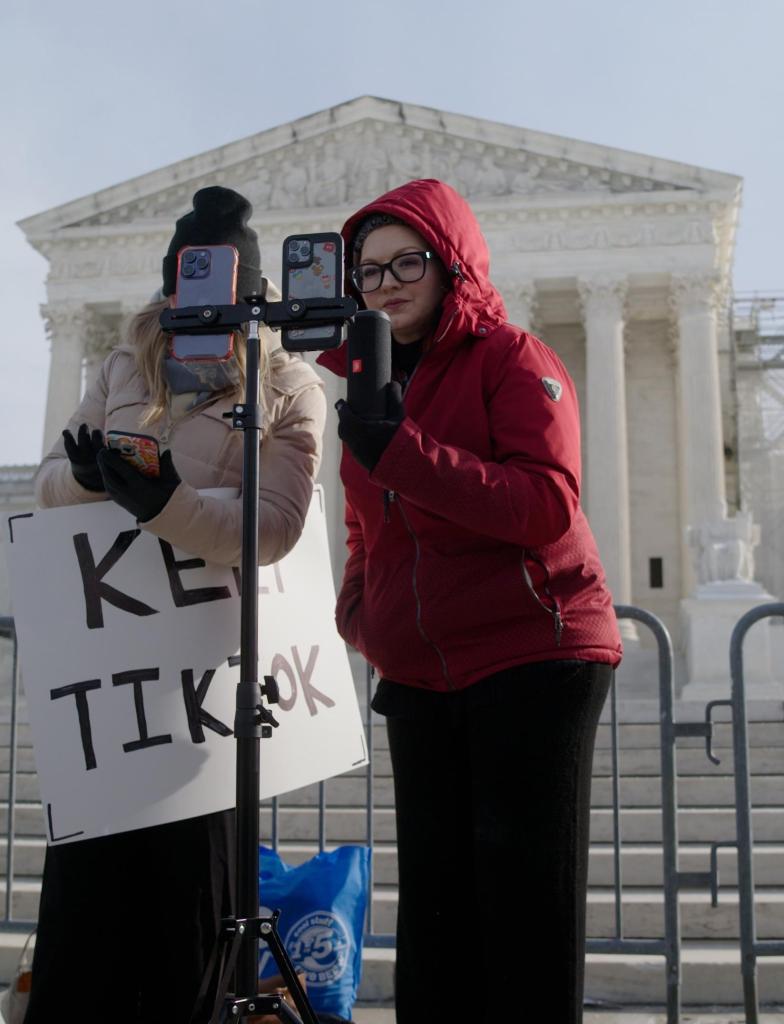
Every once in a while, an app comes along and takes the world by storm. From entertainment apps like Vine to social-based ones like Snapchat, it seems every five or so years something comes along and changes how we view technology. This was the case with TikTok, an app that struck gold during COVID due to the way it blends entertainment and social functions.
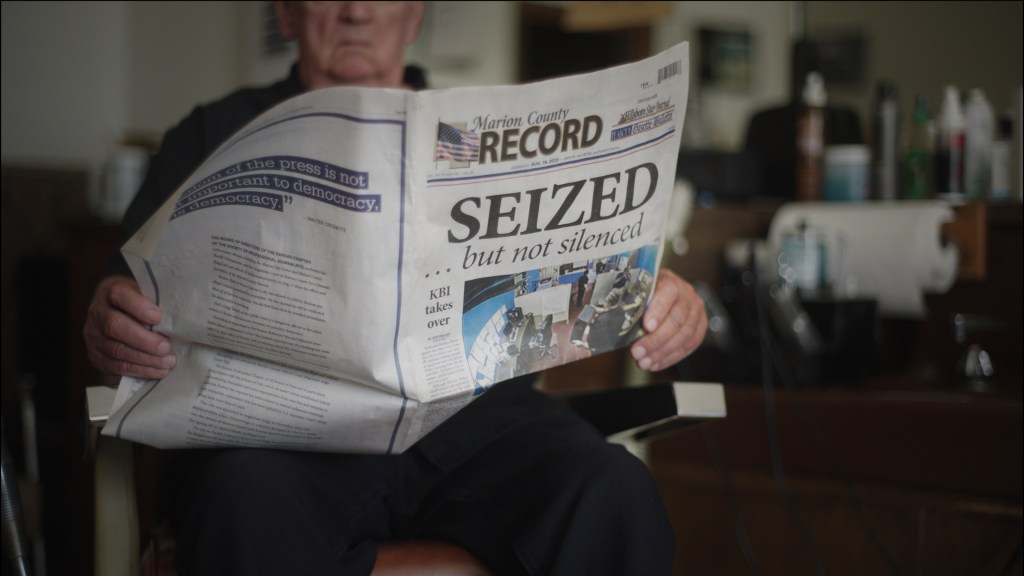
You might remember when, in 2023, a small county newspaper in Kansas was raided by the police. The story made national news, and looked on the surface to be a symbol of the crumbling strength of the First Amendment. The raid is the backbone of Seized, but director Sharon Liese uses the opportunity to explore the bickering and back-stabbing around the Marion County Record and around the small town. Kudos to Liese for discovering in real time where the story lies within this incident, and the film unfolds as a kind of true-crime account of outsized personalities, and how their perceived slights led to a breach of journalistic independence.
If anyone is the main character of Seized, it’s the newspaper’s editor Eric Meyer, who’s garnered a reputation around town for pushing buttons and soiling the people’s trust of the Record. Indeed, Meyer routinely publishes police blotter reports, which feels, to new reporter and New York transplant Finn Hartnett, like unnecessarily airing out town gossip. Hartnett’s Gen-Z measured approach works as a kind of counterbalance to Meyer’s Boomer brashness, but at the end of the day, they still have each other’s backs. By the end of the film, I wouldn’t say I felt any more or less enlightened around the state of the First Amendment. But, perhaps just as importantly, I was thoroughly entertained.
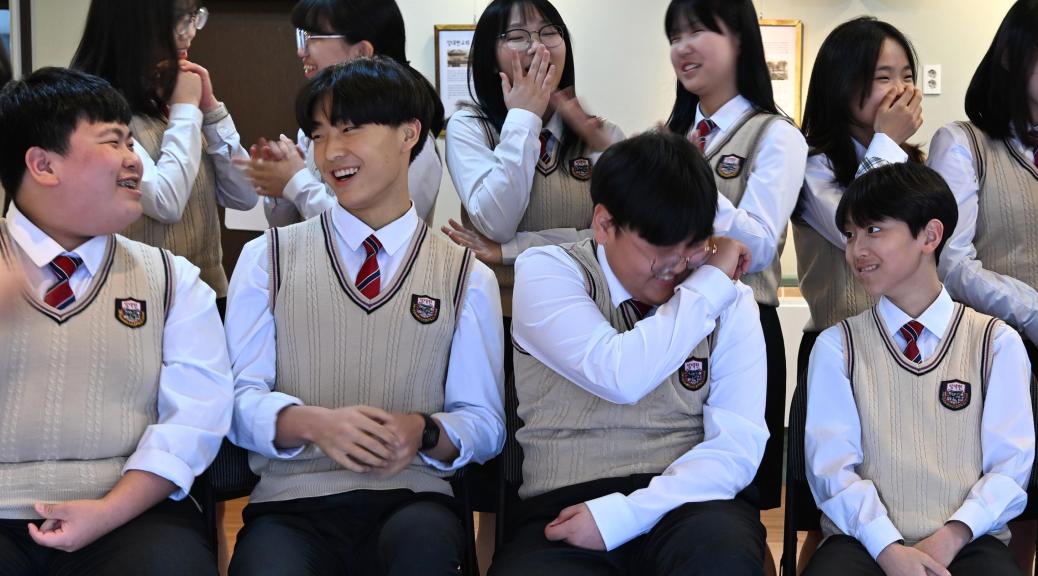
I’ve always had a strange fascination with North Korea, and School for Defectors offers a unique perspective on the isolated dictatorship. Director Jeremy Workman – who appeared at last year’s Heartland with Secret Mall Apartment – travels to the other side of the world to visit the only Korean boarding school dedicated to kids whose families have defected from the North. We mostly follow the teenagers, closer to graduating high school, but the school houses students of all ages. The school’s administration focuses on vital education tools, but puts equal emphasis on reintegration into functioning society. To the untrained eye, it may seem like sunshine and roses as soon as one crosses the 38th Parallel, but the film shows that the truth is much more difficult. Workman interviews a number of students and alumni from other, public schools, and reveals the bullying and isolation they often felt from their peers.
Those that have only skimmed the headlines surrounding North Korea, or those that missed the excellent documentary Beyond Utopia, will surely be in for a shock, as the third act takes the focus away from the students to tell the harrowing stories of how the families escaped. The drama here is certainly relevant, and School for Defectors would feel incomplete without it, but it almost feels like Workman needed more material to justify a feature-length film. Still, the film works best when it lets the kids be kids: on field trips to the coast, rehearsing TikTok dances, or discussing their hopes for life after school. It’s a gentle, smartly-made documentary that reminds us that the world isn’t as big as we believe it to be sometimes.
For those that prefer their documentaries considerably more stylized than the above, there’s I Got Bombed at Harvey’s, which feels like it would be more at home as part of a larger series on Netflix. The true-crime film examines a bizarre act of terrorism in Lake Tahoe in 1980, when a 1,600-pound bomb was wheeled into Harvey’s Casino and ransomed for 3 million dollars. Directors Amy Bandlien Storkel and Bryan Storkel utilize a blend of recreations and talking heads (along with the occasional found footage for things like court-filed evidence) to tell the story, and your appetite for the film will likely depend on your tolerance for these devices. Where Harvey’s works best is in its examination of the perpetrator, “Big” John Birges, a gambling addict who enacted the plan as a form of revenge against his debtor. Chief in telling the story is his son, Jim, who suffered under his father’s abuse and was even enlisted to help build the bomb and collect the ransom when he was a teenager.
However, the Storkel’s employ a controversial and, frankly, slapdash, technique to get the perspective of John’s other son, John Jr. via the use of AI. John published a novel on the matter, and the filmmakers use those words, along with video footage from prior interviews, to bring John’s voice to “life”. Regardless of whether you’re ambivalent about AI usage in film, or are a total luddite on the matter, the gambit adds essentially nothing to the film, especially when I Got Bombed at Harvey’s already uses actors to recreate the events he discusses. It’s an unfortunate mark on an otherwise decent documentary that knows that the real, human story lies underneath the sensationalized headlines.
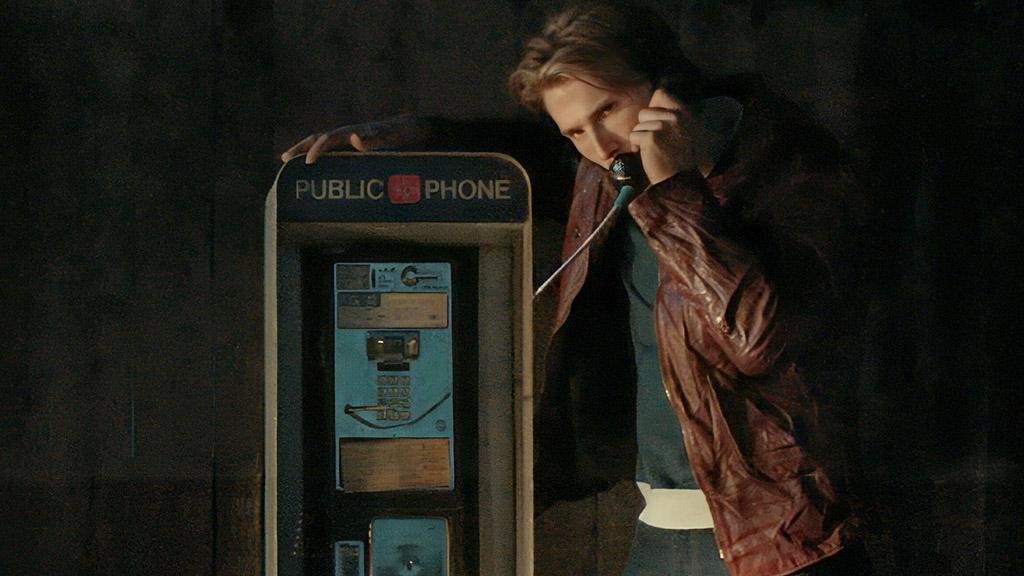
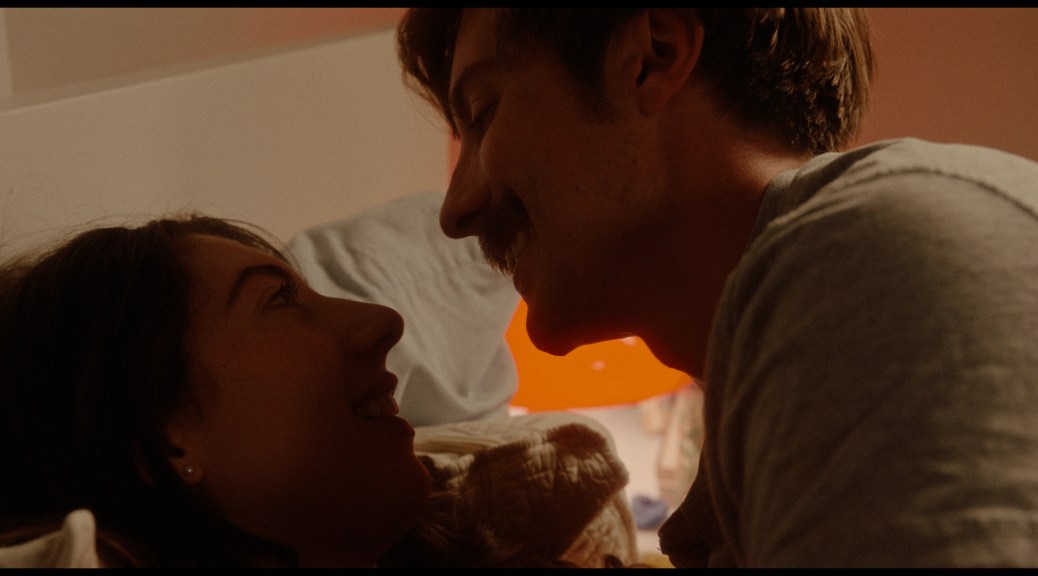
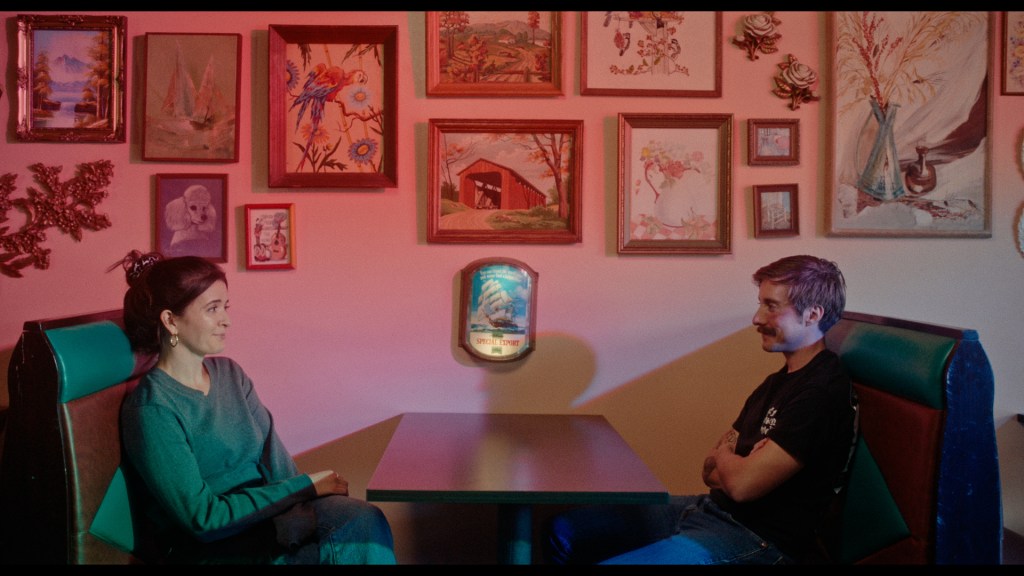
Below is my conversation with Zac Cooper, the writer, director, and star of God I Want You, ahead of its Midwest Premiere at the Heartland Film Festival. We discuss his own history with religion and how it evolved during the making of the film, his working relationship with actor Jesse Epstein, and his love of romantic comedies. Our conversation has been edited and condensed for clarity.
Ben Sears: Do you remember the impetus of where God I Want You started? Was it inspired by a certain event in your life, or someone you know?
Zac Cooper: It was definitely taken from aspects of my life in my 20s, and friends I worked with and went to college with. It’s kind of embarrassing when you’re the main actor because it makes it seem like it’s more autobiographical than it is, but it is. The annoying artist answer is that all of those things happened, and none of those things happened, but it was filled out by other people I know who grew up in that culture and experienced a “deconstruction of faith” throughout their 20s. It was a project that I’ve had in my head for a while but it took a while to try and distill it down into something simple and filmable.
BS: I’ve always been interested by filmmakers who put their faith, or lack thereof, on screen. How much was your character’s faith informed by your own faith?
ZC: It’s definitely my own expression of my journey with faith, and exploring my doubt. I wouldn’t call myself religious, but I have people who worked on the film with all different beliefs, and it was a great collaboration. The goal of the film was not to try and be preachy, but to bring audiences into this world, and I just wanted to explore the similarities within everyone’s lives. When I stopped going to church, it sounds silly to say, I found that we all have the same life problems. We all have our own little bubbles, but I had different rules I would follow when I was growing up, which would bring up different feelings of guilt or shame.
BS: Did the production of the film help you to view religion or faith any differently?
ZC: Not necessarily differently, but it would help me to reflect and examine my relationship with faith, and my past with it. I have moments where I can get on my high horse when I say that religion is dumb, but you go back and read history, and people have always believed that there’s something greater than us in the sky, so who am I to say whether this is right or wrong? I think the film has a perspective, but it’s not trying to “both sides” anything, or it’s not trying to be preachy.
BS: It’s more about how people tend to use religion as a shield for making certain decisions.
ZC: Definitely, this kind of language isn’t in the film, but I definitely grew up with people who would say things like “God told me that we should date”, or “God told me we’re supposed to break up”. That was more in high school or college, but that kind of mindset does warp and carry over into adulthood, especially in a culture where finding your spouse can be such a pillar of that religious cultural status.
BS: Coming to God I Want You from It Happened One Weekend, this film feels more adult, in that it deals with sex and relationships, whereas your previous film was about whether friends can begin dating. What’s been your thought process of making two films within the same genre, while tackling it in a more mature way?
ZC: I think part of it was simply experiencing more life than I had when I made my first feature. I think I just felt more confident and feeling less self-conscious about those ideas.
BS: You’re working again with Jesse Epstein, who plays Meg. Did your familiarity with her help when you were working on those more intimate scenes?
ZC: Jesse was a huge collaborator, even behind the camera. She’s credited as a producer, and has a “story by” credit, and she helped me to get the script to a better place. She’s a professional actor, so she brings that level of performance to it, but when you’re friends in real life, it can be a little awkward on the day, especially since I’m also directing, because I had to think of it so mechanically in terms of where to put the camera. But afterwards, we just went back to being friends.
BS: Did she help to shape those conversations about sex or religion, or generally help to make her character feel less like she was written by a man?
ZC: Yeah, I wrote so many drafts, so it’s hard to pinpoint what came from where, but her contributions are definitely woven throughout. I would bring stuff to her, and she would always help. I’m always open to collaborating, if something doesn’t feel real. As a writer, you’re always trying to put yourself in someone else’s shoes, but you’re still limited to your own experiences.
BS: I know that you’re a real film connoisseur – old and new films, foreign films, genre films, et cetera – but you’ve continued to work in the rom-com space. Does that come from a long-standing fondness for the genre, or do you see yourself branching out to horror films, for example?
ZC: A Horror movie would definitely be easier to get made, especially in this day and age. I love all kinds of movies, but what I gravitate towards as a filmmaker are small, intimate films about relationships. Those are like catnip to me. The more personal, the more intimate, the better. When you don’t have any money to make a film, those are easier to make because they’re just people in rooms, or in restaurants where you know the owner. I just like to make films that are light on their feet, and comedic.
God I Want You will have in-person screenings at the Heartland Film Festival in Indianapolis, and will be available to stream online throughout the festival.Buy tickets here.
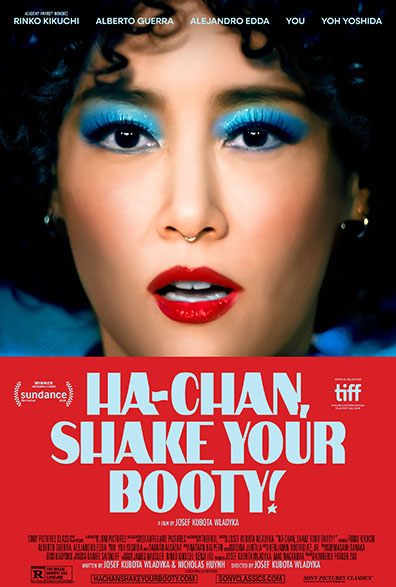
Starring: Rinko Kikuchi,Alberto Guerra, Alejandro Edda, YOU, Yoh Yoshida
Grade: B+
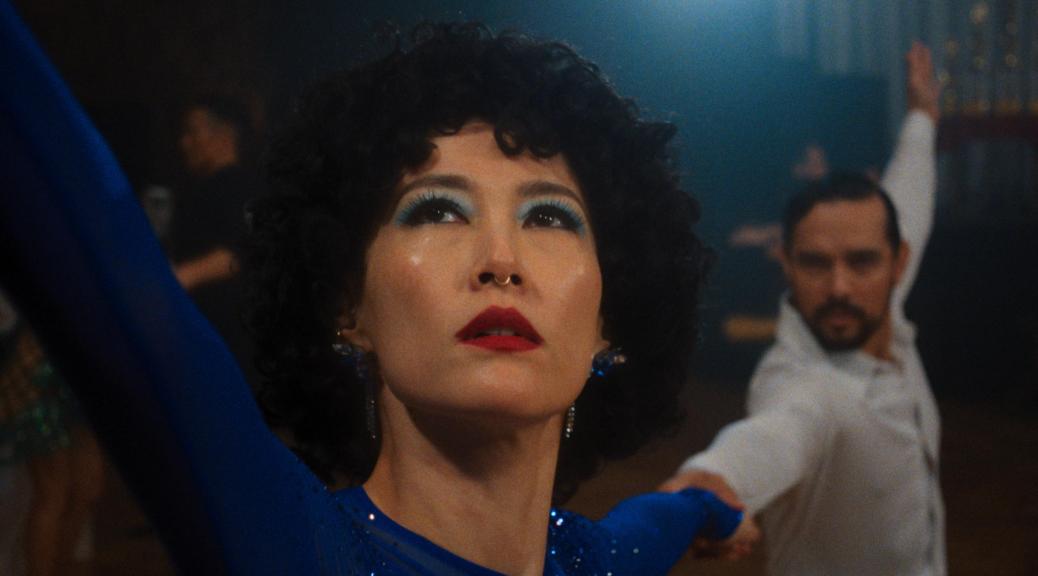
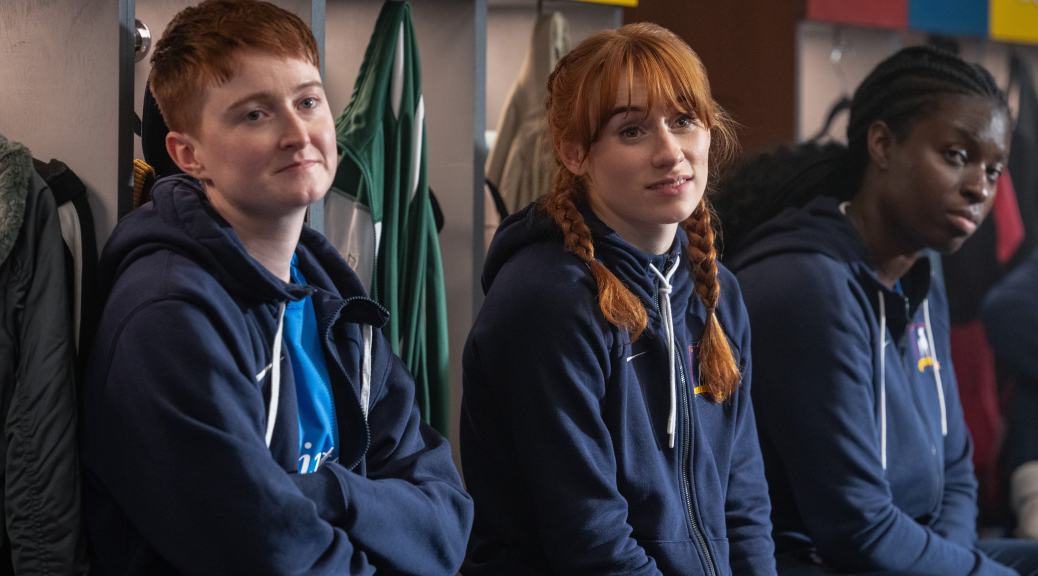
Ballroom dancing is rarely explored in film nowadays, in spite of the possibilities it can showcase for filmmaking. There’s layers where it can express a character’s thoughts and display great crafts, like cinematography and editing. Some prime examples include Dirty Dancing and Silver Linings Playbook, but director Josef Kubota Wladyka explores various ideas through his third feature film, Ha-Chan, Shake Your Booty!
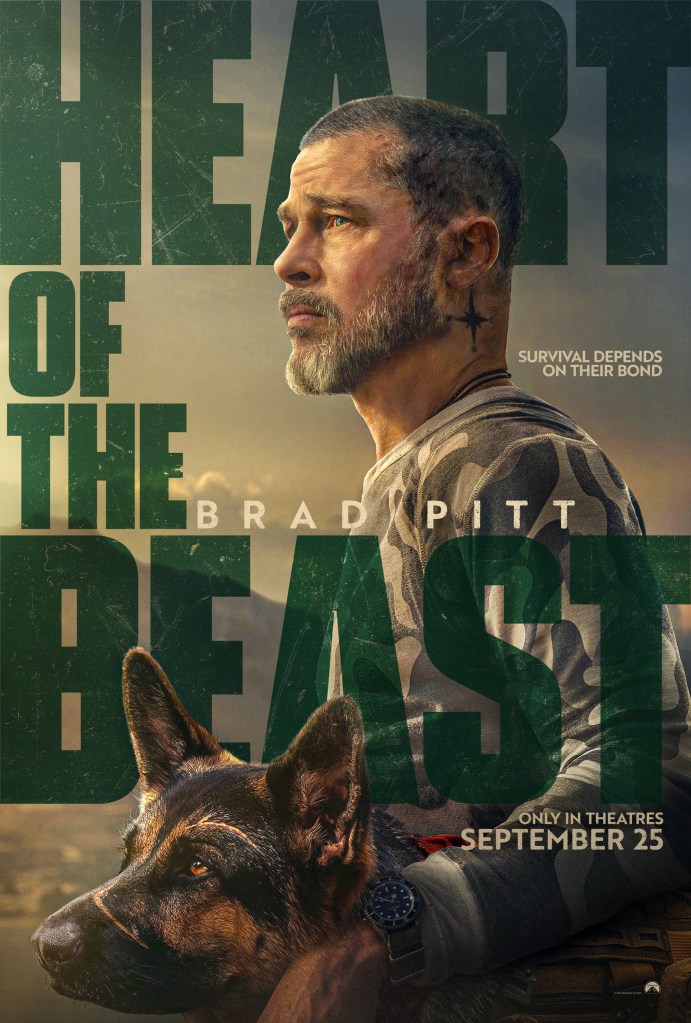
Man’s best friend is no stranger to the silver screen, and Heart of the Beast offers up the next worthy entry in a genre that has captured audiences for decades. The film introduces us to James Belmont (Brad Pitt), a recently retired Green Beret who spent thirty years of his life in brutal combat service. Close by his side is his loyal German Shepherd, Odin (played by newcomer Uber), who served as Belmont’s combat scouting dog and is himself adjusting to post-military life alongside his partner. What’s intended to be a therapeutic bonding trip in the heart of the mountains turns treacherous, as Belmont and Odin once again find themselves relying on each other for survival.
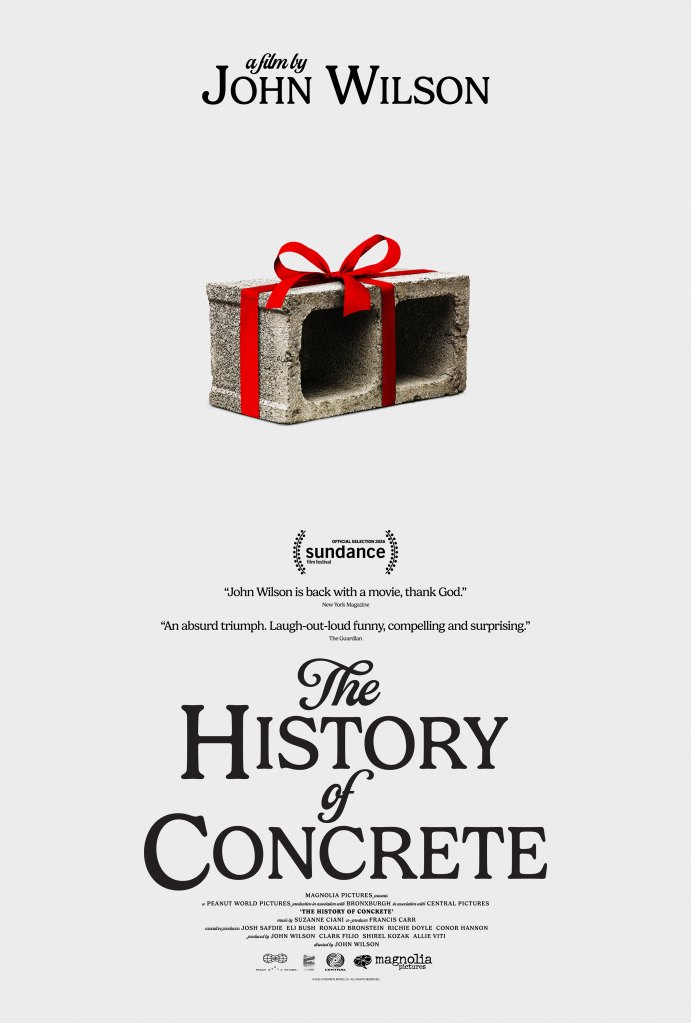
Who cares about concrete? Who even notices the stuff, in spite of its ubiquity? Those that were smart enough to watch John Wilson’s stellar HBO show will know that these questions, and many more, will come up throughout the runtime of The History of Concrete, but they’re really just set-ups for his keen observations on humanity. But even if the film is your first ever exposure to Wilson or his style, it immediately announces itself as a funny, thoughtful exploration of multiple, easily accessible ideas – including, yes, concrete.
The 99th Academy Awards will be presented on March 14, 2027. Here are our ranked predictions for who will be nominated and which films will win. Check back in, as the list will be updated often.