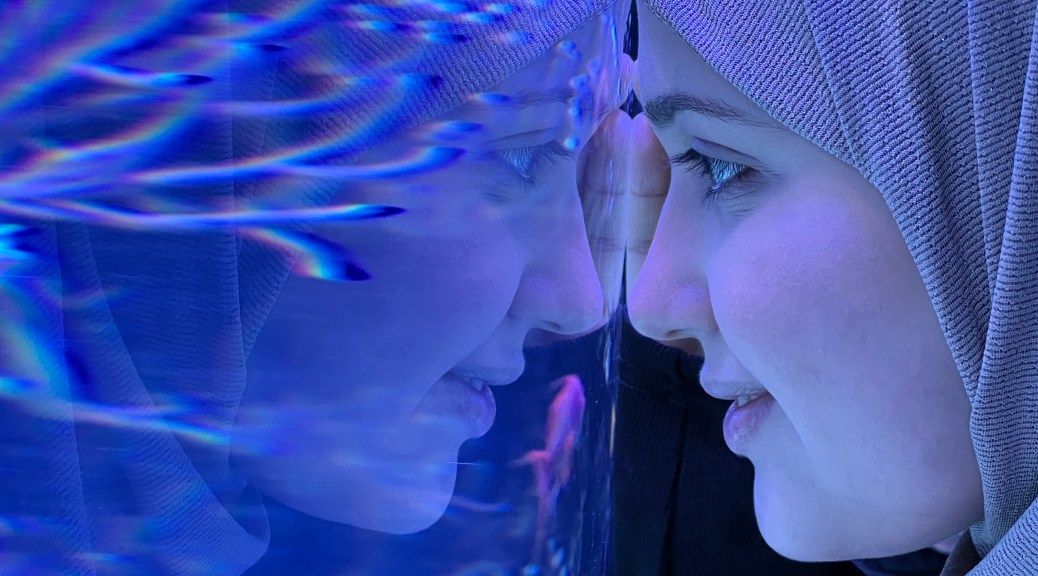
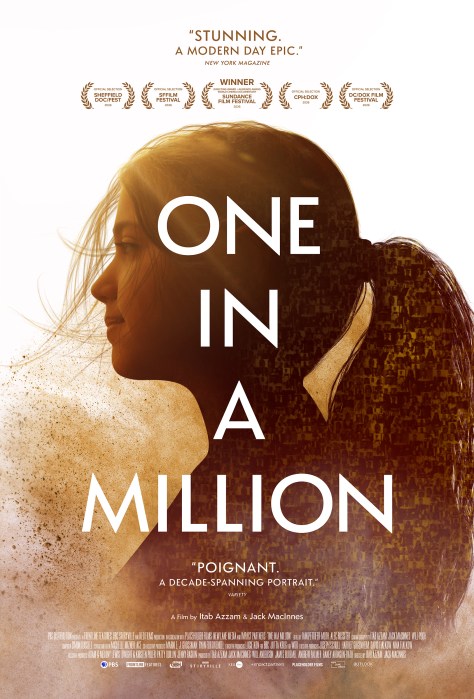
Filmmakers Itab Azzam and Jack MacInnes take us on a 10 year journey following Israa, an 11 year old girl who is energetic and ready for the journey ahead of her, with the documentary One in a Million. In 2015, Israa and her family fled Aleppo, Syria to seek refuge in Germany. From taking a dingy from Turkey to Greece, to walking miles to Germany, what comes after their arrival brings another set of discoveries and obstacles for the family that is explored over the course of 10 years through slice-of-life updates. These check-ins, however, evolve as we learn more about the complexities of the family and their relationship throughout.
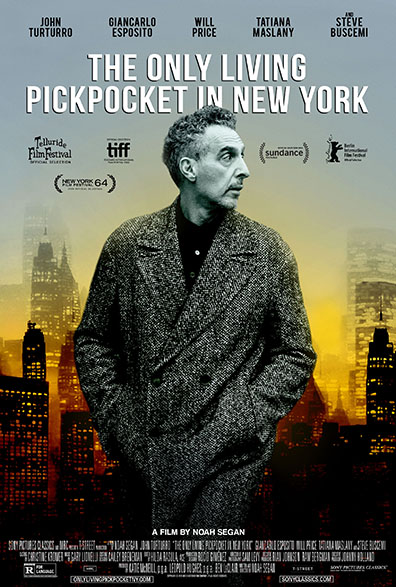
Starring: John Turturro, Steve Buscemi, Giancarlo Esposito, Will Price, Tatiana Maslaney, Karina Arroyave, Jamie Lee Curtis
Grade: B-
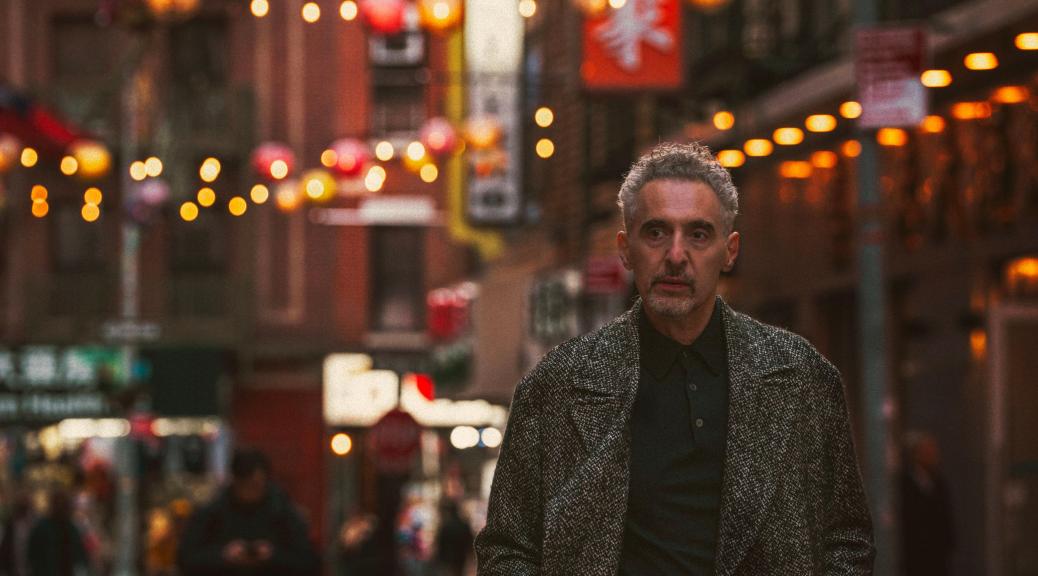
Harry Lehman is a man out of time. How do I know this? Because throughout The Only Living Pickpocket in New York, you’ll be shown and told this, in roundabout ways, over and over again. And for a film lasting at only 88 minutes with credits, that doesn’t leave much room for anything else. Thankfully writer-director Noah Segan has a seasoned pro in John Turturro (who plays Harry) to lend the film and the character some much needed heft that’s otherwise missing.
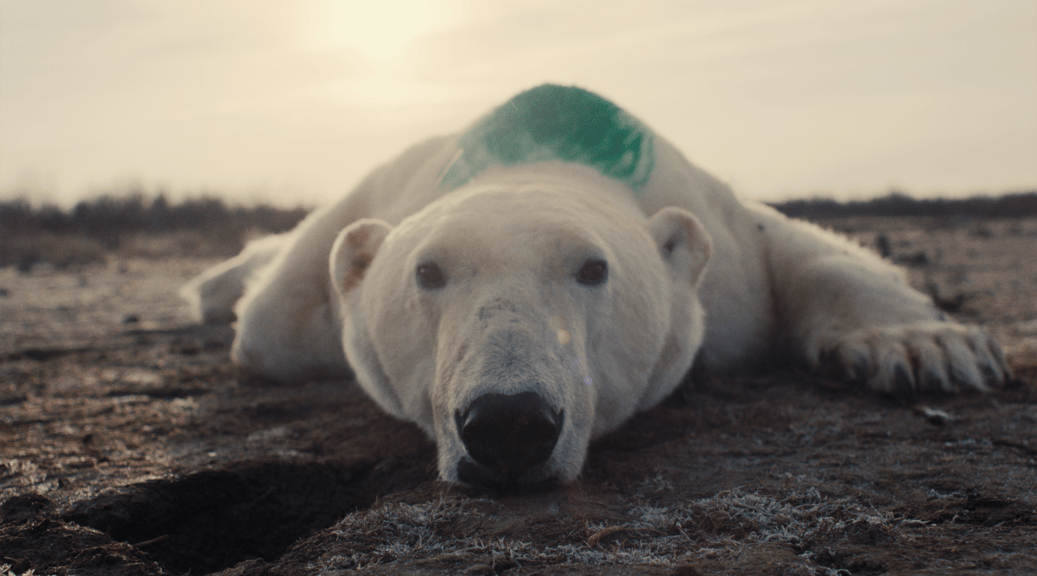
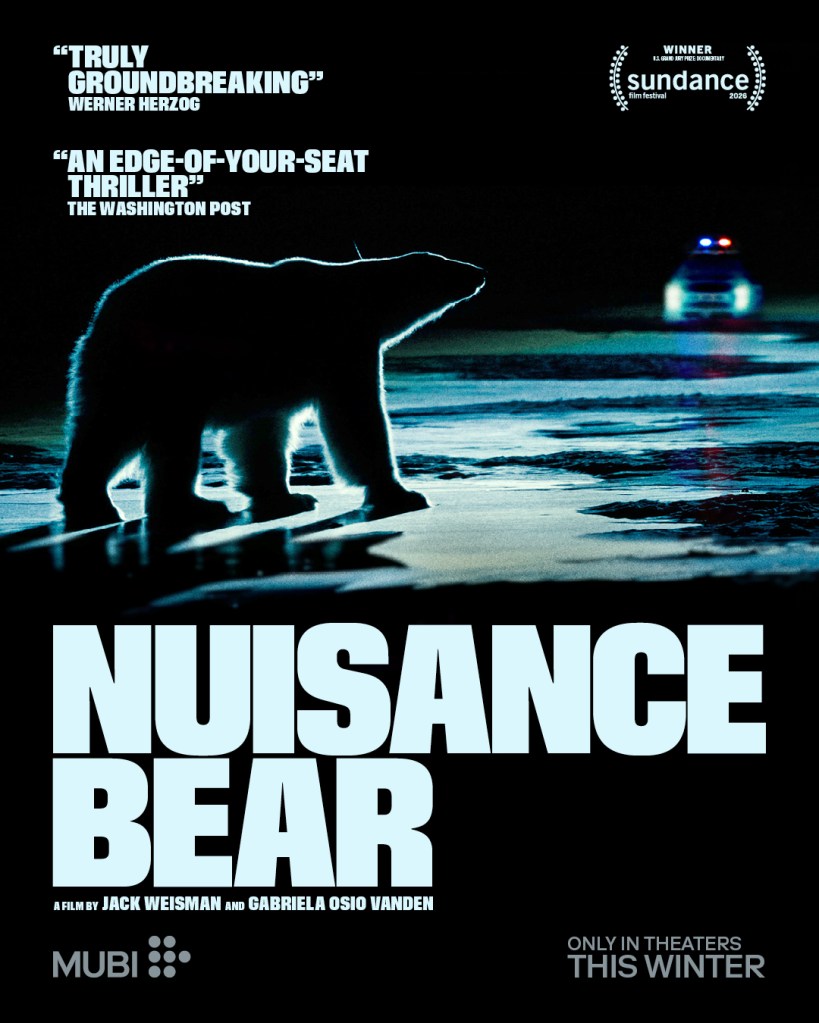
While watching Gabriela Osio Vandem and Jack Weisman’s Nuisance Bear, I found a strange parallel to Tiger King. Specifically in that series’ depiction of the often cruel ways that wild animals are exploited for our entertainment. There’s nothing as plainly evil here, but our casual apathy towards the existential plight of the polar bear species writ large is front and center. This manifests in different, often fascinating ways within Vandem and Weisman’s documentary, but it speaks to the larger theme of intrusion or invasion of the natural order of things.
Starring: Bryan Cranston, Seth Rogen, Julia Louis-Dreyfus, Abbi Jacobson, Beanie Feldstein, Pamela Adlon, Samira Wiley, Bowen Yang
Grade: A
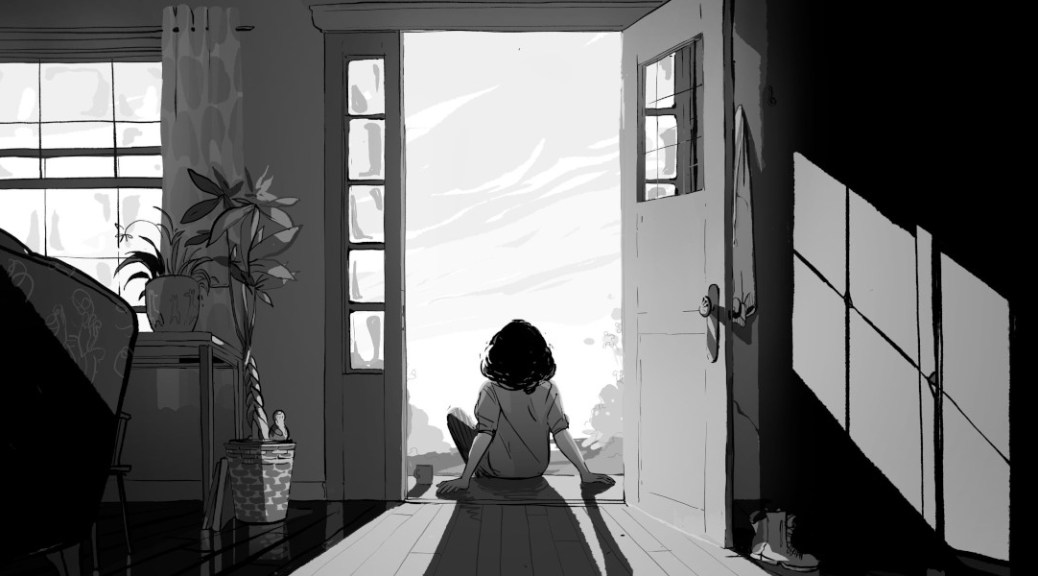
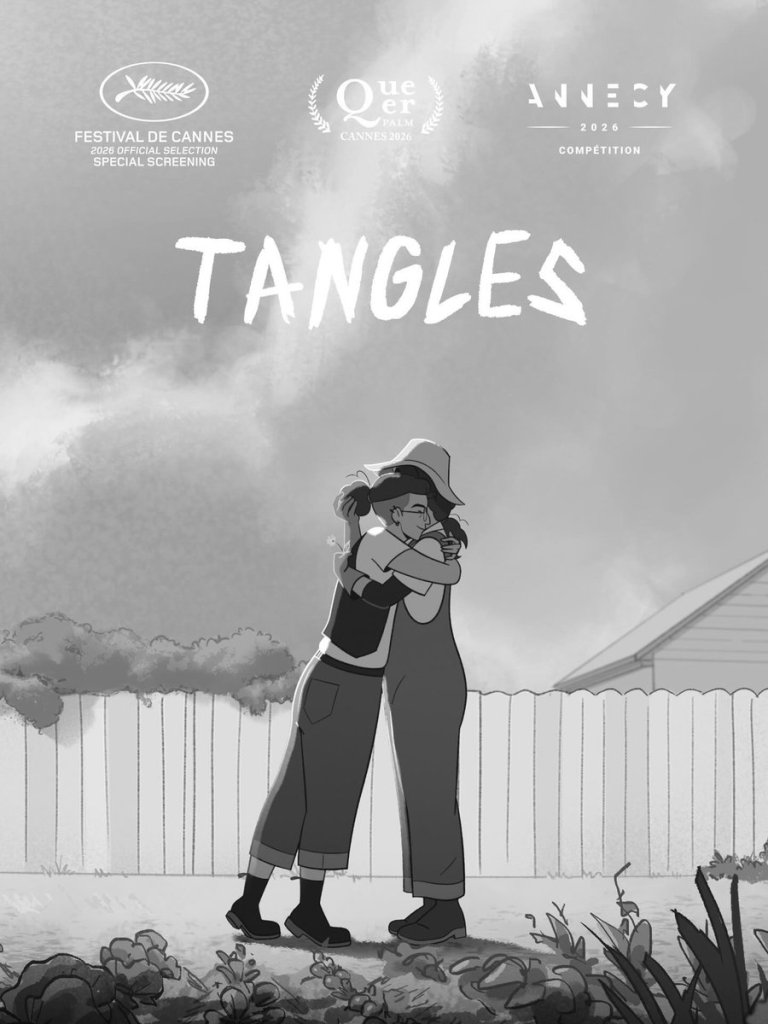
If I had a nickel for every 2026 movie with voiceover work from Bryan Cranston and Julia-Louis Dreyfuss that made me cry, I would have two nickels, which isn’t a lot, but it’s weird that it happened twice. The first movie was The Sheep Detectives, the surprisingly successful talking animals detective comedy in the vein of Knives Out. The other, and arguably superior film, is Tangles, a breathtaking animated family drama that delves into a tragedy that very few films attempt to cover.
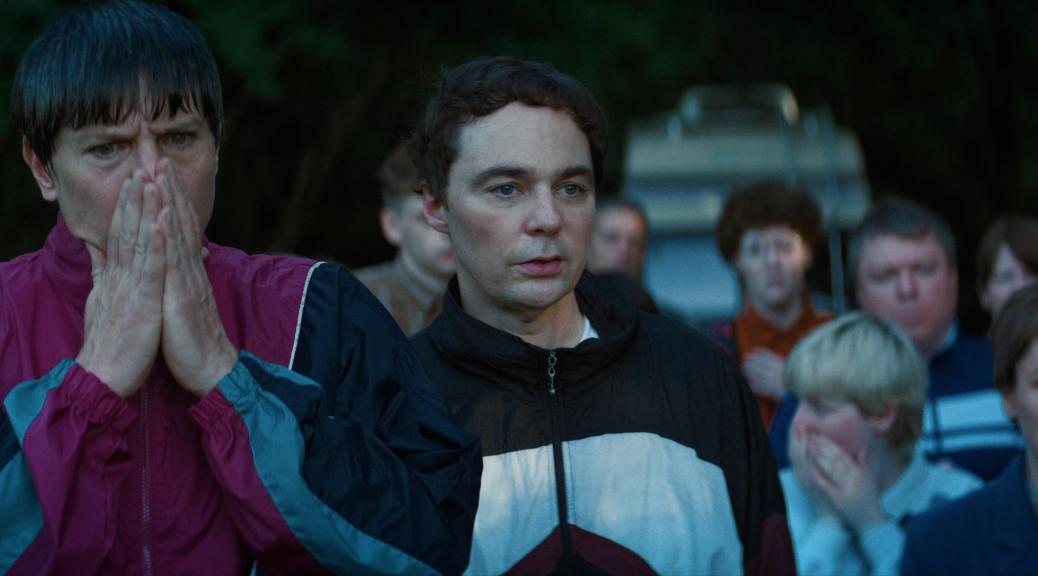
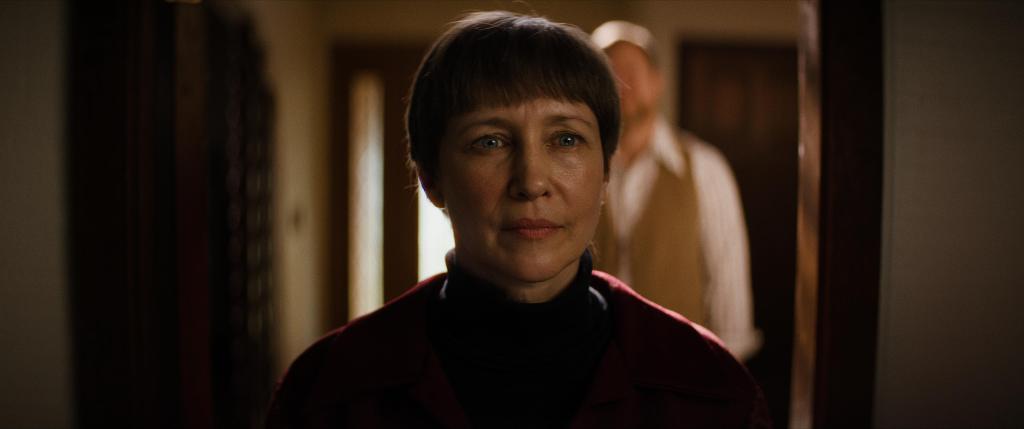
Beyond their leader’s insatiable quest for control, the defining characteristic that all cults share is a belief that we’re meant for a greater purpose. Those who join cults believe that the world has failed them, in one way or another, or that they’re missing out on a larger meaning. The Leader chronicles the Heaven’s Gate cult, the personalities that founded it, and those that got caught up in the charade, until their infamous mass suicide in 1997. Textually speaking, the film won’t reveal much that hasn’t already been explored in countless documentaries, essays, podcasts, books, et cetera, but director Michael J. Gallagher effectively and stylistically delves into the culture of beliefs cultivated by Marshall Applewhite (Tim Blake Nelson) and his wife, Bonnie Nettles (Vera Farmiga).
It’s true that The Leader explores the kind of material which would easily become a Netflix limited series, given the ripe avenues for exploration available. But Gallagher manages to chronicle the early days of Marshall and Bonnie’s relationship in the 1970s, the evolutions of their beliefs, and what drove a select few of their followers to join them. Notably, the two didn’t rule with an iron fist, keeping their flock together out of fear of leaving, but there is an element of shame and control utilized to keep them in line. Beyond the intrigue of the story, the film boasts a deep bench of well-known actors to follow the journeys of the followers. Jim Parsons is the most devoted, searching for meaning after various addictions. Though we unfortunately don’t know much about their pre-cult lives, Simon Rex and Grace Caroline Curry take up the bulk of the second act as ersatz partners, despite the cult’s forbiddance of “earthly desires.” The Leader won’t go down as the definitive fictionalization of Heaven’s Gate, but it’s a mesmerizing and well-made account of the methodical loss of personhood, and an unfortunate blight in recent American history.
Plenty of comedy can be easily mined from funerals, but Wake wastes its likeable cast on a number of first-thought-best-thought comic situations. Take it from me, who’s worked in elder law and estate planning for the better part of a decade: death makes people say and do crazy things, especially amongst family members who presumably love and cherish one another. Director Devon Michaels tells the story of a handful of disparate siblings as they prep for their father’s funeral, and all the ways that one of the most important days of their lives goes wrong. At a punishing 102 minutes, the film draws out one unfunny development after another, jumping from sibling to sibling as we struggle to care about how they’re reckoning with their father’s untimely death.
Directed with a never-static camera seemingly set on a constantly loose dolly track, Wake follows a number of character archetypes before and during the “longest day of one’s life,” according to an opening title card. Credit to screenwriters Michaels and Kelly O’Malley for not throwing in too many pratfalls or WaCky ShEnAniGanS, though perhaps doing so would have at least given the film some life, rather than a series of prolonged conversations about their father’s wishes. Even the presences of likeable, comedic actors like Chris Parnell, Rikki Lindhome, Cole Sprouse, Nelson Franklin, and Peter Gardner feel like wasted potential, as they’re not allowed to fly loose or show off their dramatic sides. They say that, before you die, your entire life flashes before your eyes. If this is true, I can only hope that my time watching Wake is omitted.
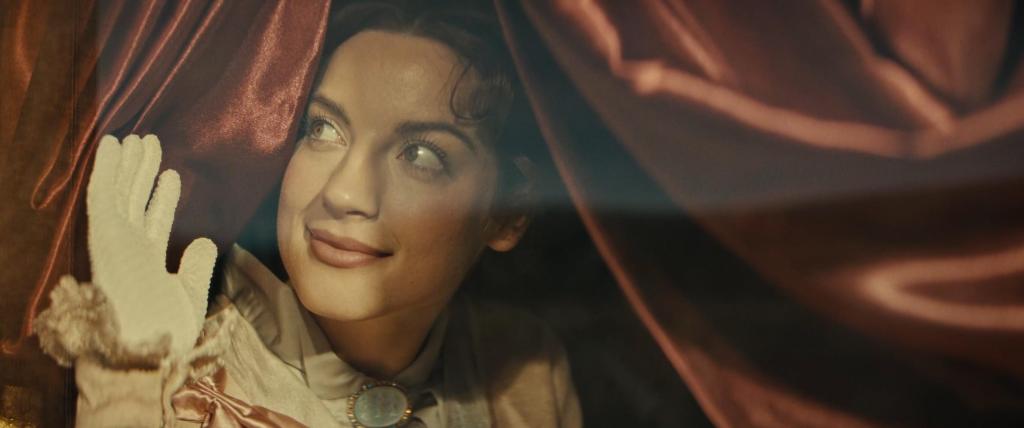
Grand, historical epics are a rare breed at regional film festivals – especially from first-time directors with no notable star power amongst the cast or crew (unless you count the Triple T Ranch in Ohio as an executive producer). Nevertheless, Medora: Empress of the Badlands exists as a handsomely-made but empty Western about the unusual settling of a crucial portion of America. The aforementioned first-time director is Daniel Bielinski, who also writes the screenplay based on true events beginning in 1883 about the rise and fall of the Marquis de Mores (Robert Strange) and his wife Medora (Baylee Toney). Budgetary information isn’t widely available, but one can imagine that Bielinski spared no expense, with elaborate costumes and production design to go with the time period. It’s just too bad that the story can’t match the ambition of the crafts; rather, the film feels like a boilerplate History Channel miniseries with uninteresting characters making a series of pre-determined decisions.
Medora: Empress of the Badlands could easily become a more focused story about the inherent lie of the American Dream. De Mores actually sets out to fulfill that dream when he arrives in Little Missouri, buying up a chunk of land, and opening his own slaughterhouse. It’s not entirely clear why the film is named after Medora, as it only sometimes, sort of, focuses solely on her. His is the more interesting story – she has next to no agency, instead mostly fretting over him and seeking to build a church. Meanwhile, he’s threatened repeatedly, both verbally and physically, simply because he’s a Frenchman (descended from royalty, no less) and the locals fear an outsider’s takeover of land they presume should be theirs. For a 124-minute historical docu-drama, Empress of the Badlands leaves a lot to be desired, but Bielinski manages to put together something easily digestible out of a task that was likely much more difficult than most could imagine.
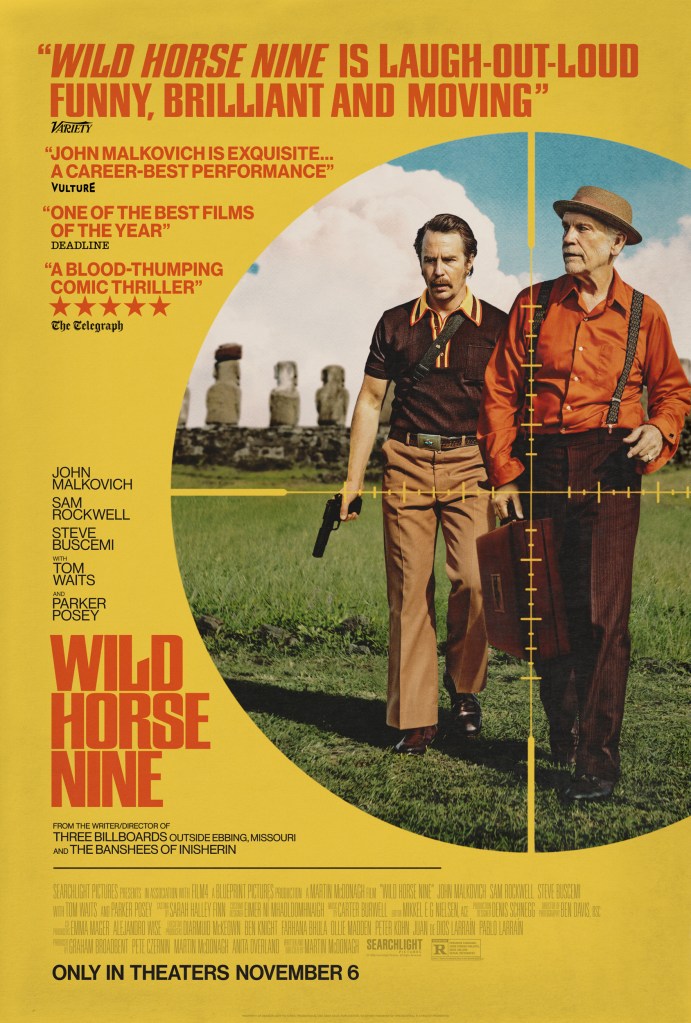
Starring: John Malkovich, Sam Rockwell, Steve Buscemi, Parker Posey, Mariana di Girolamo, Ailin Salas, Tom Waits
Grade: A-
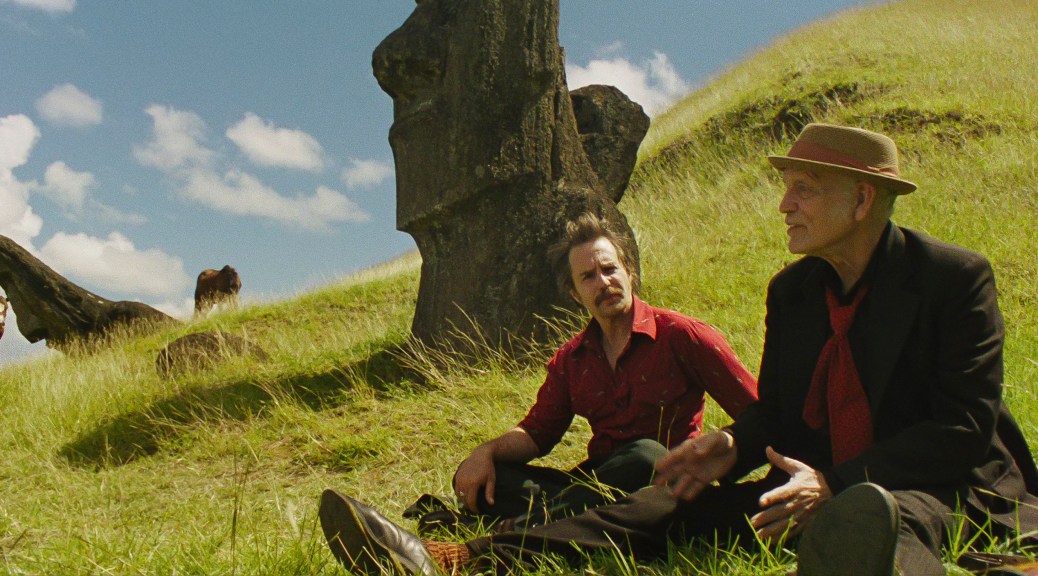
When walking into a new Martin McDonagh film, one can fairly expect to see some of the same hallmarks that have stuck with him throughout his celebrated filmography. Wild Horse Nine sees McDonagh staying within his lane, but it quickly becomes his most melancholic film to date, a poignant treatise on mortality and legacy, featuring the best performance of John Malkovich’s long career. How McDonagh can weave so many complex themes and disparate tones into a dark comedy about Americans meddling in foreign affairs goes to show why he’s one of the most beloved auteurs working today.
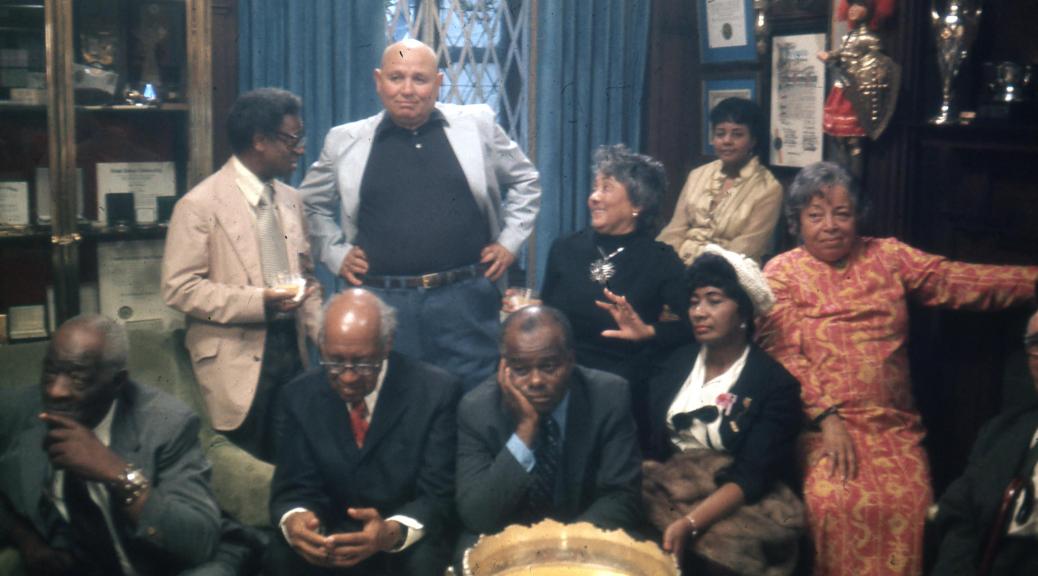
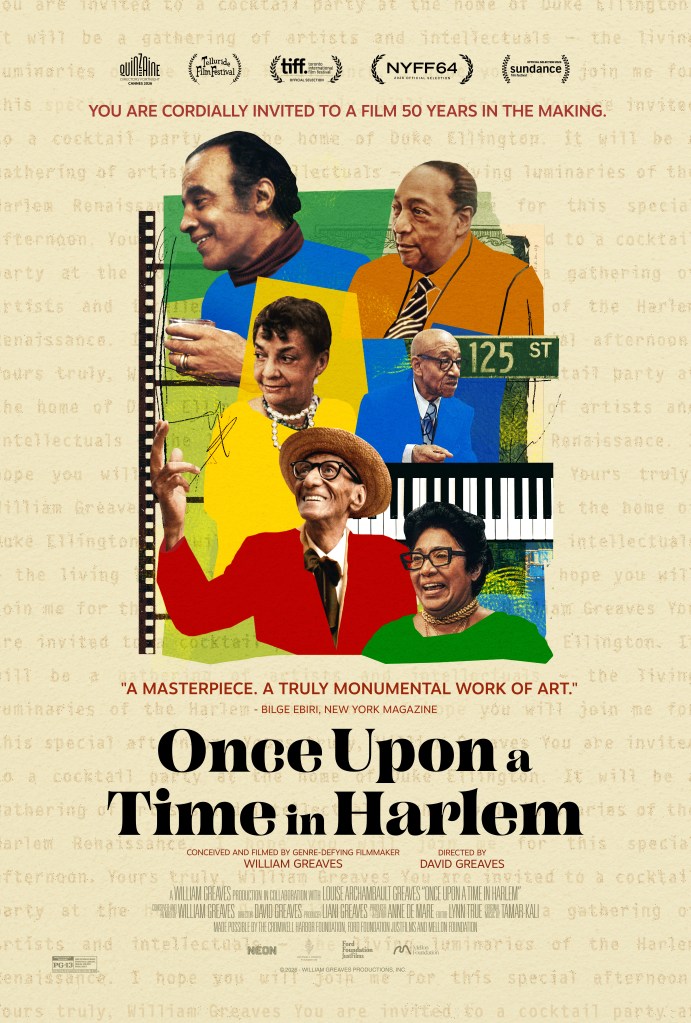
On an August afternoon in 1972, several interconnected figures were invited to the home of Duke Ellington. This party wasn’t created to generate headlines – outside of the attendees, it’s likely that nobody actually knew it was happening – but it still stands as a historic event. Among the partygoers was experimental documentary filmmaker William Greaves, and the result of his filming of the gathering is Once Upon a Time in Harlem, a revelatory, joyous celebration of a critical period in Black history.
Starring: KJ Apa, Max Casella, Kara Killmer, Jason Alexander, Jen Lilley
Grade: C-
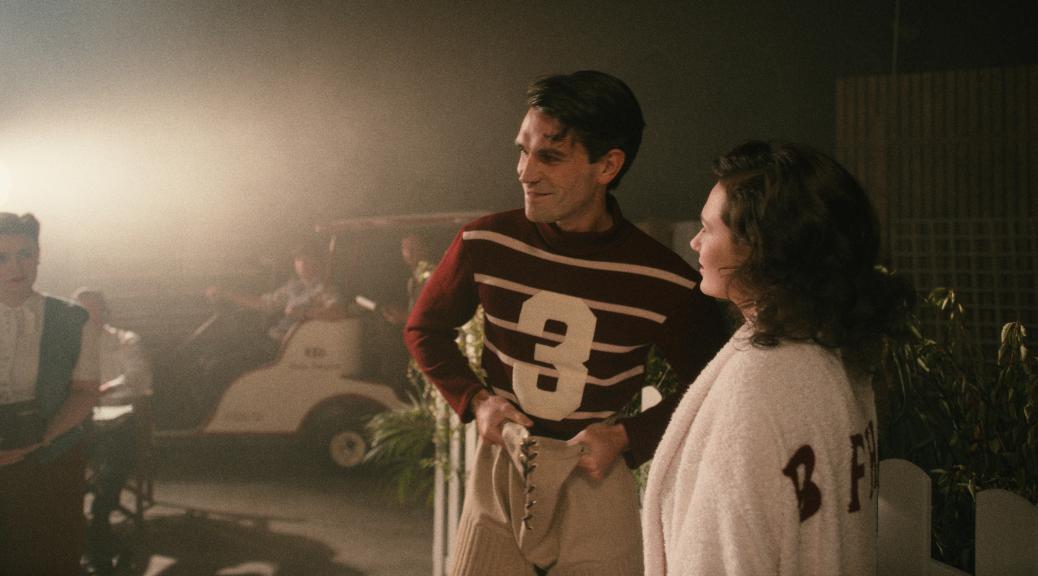
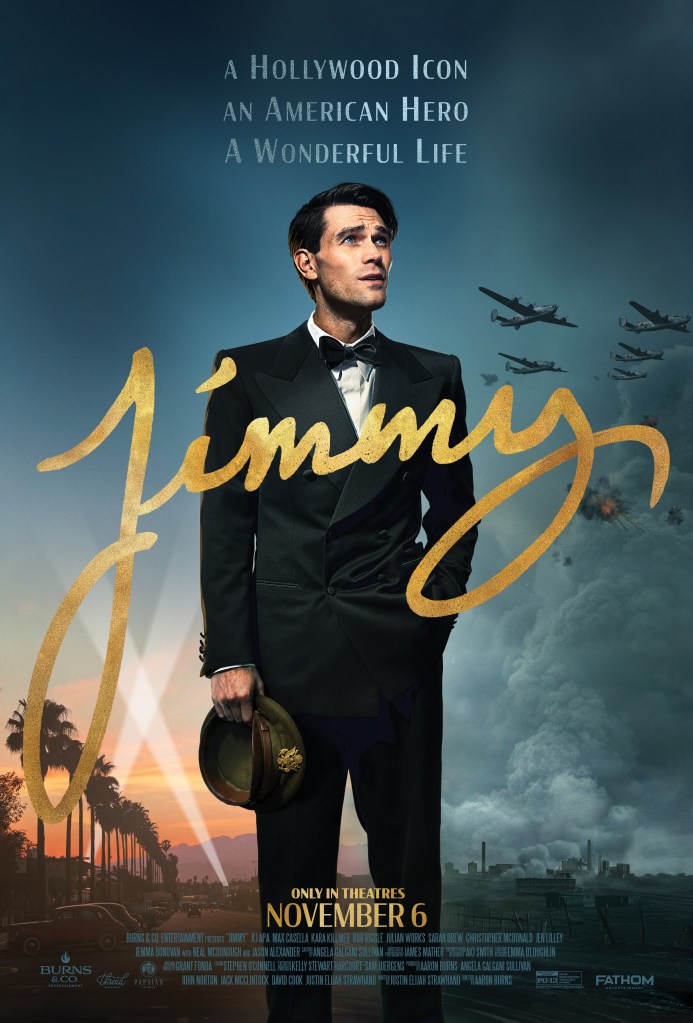
It’s not often that a high profile film sets its world premiere in Indiana, but that was the case for Jimmy, a biopic of the late actor and military officer who inspired generations of audiences with his iconic performances. I was fortunate enough to attend the premiere screening, which was held at The Scottish Rite Cathedral in Indianapolis, kicking off the 35th edition of the Heartland Film Festival. In attendance were KJ Apa (who plays the titular role), director Aaron Burns, and several other members of the cast and crew. Making the experience particularly special was the presence of Jimmy’s daughter Kelly (who has an Executive Producer credit on the film) and Karolyn Grimes, who played young Zuzu Bailey in 1946’s It’s a Wonderful Life alongside Stewart, uttering the famous line “Everytime a bell rings, an angel gets its wings.” While the spirit in the room was overwhelmingly celebratory, the film itself lacks the gravitas that would have been befitting of its larger than life subject.
Starring: Anthony Ippolito, AnnaSophia Robb, Stephan James, Matt Dillon, PJ Byrne, Jay Duplass, Tracy Letts, Robert Morgan
Grade: B
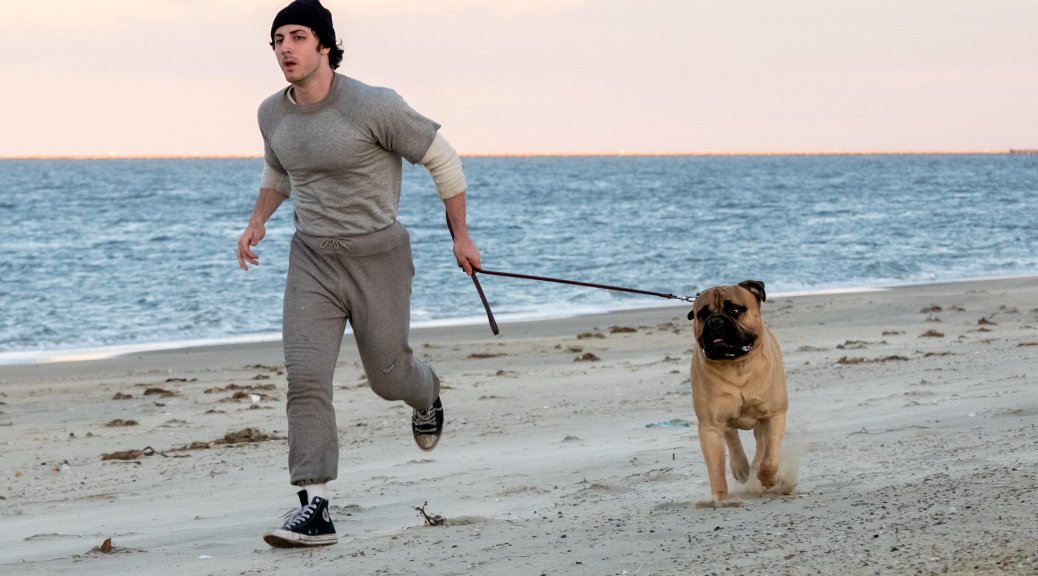
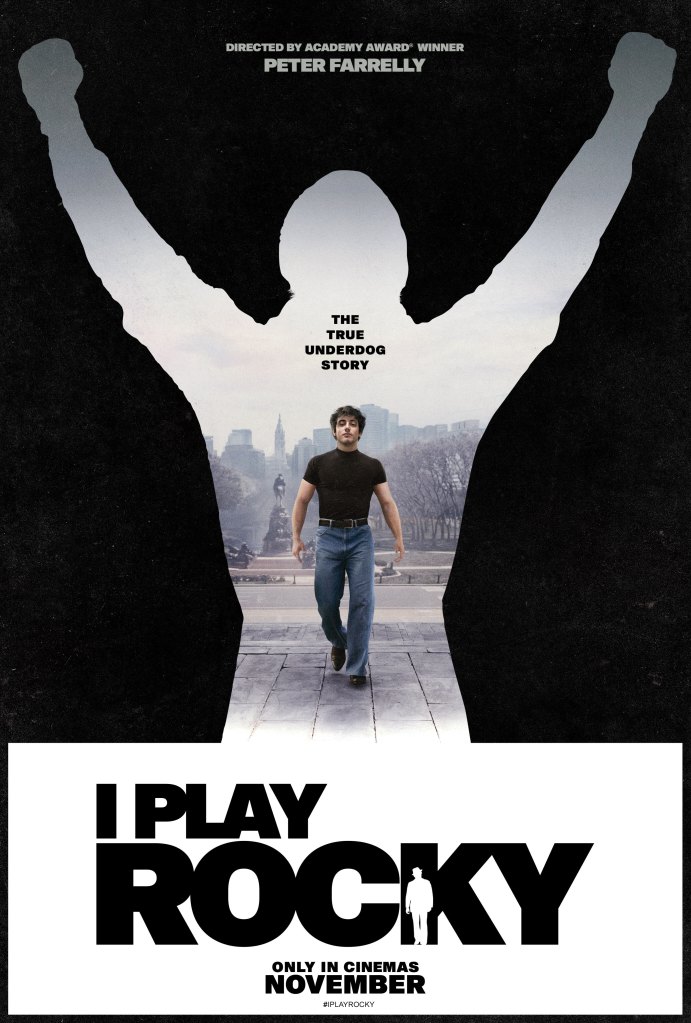
If there is any type of movie that is easy to greenlight in 2026, it’s those based on popular IP. From comic book movies to book adaptations, Hollywood has recently become a machine that pumps out projects based on material that people already like. Every once in a while, however, a movie like Obsession comes out and takes the world by storm and becomes a phenomenon. In 1976, that movie was Rocky: an inspiring, underdog sports drama that audiences fell in love with. 50 years later, I Play Rocky attempts to showcase what the Sylvester Stallone film did while still being the IP movie that Hollywood likes to release.
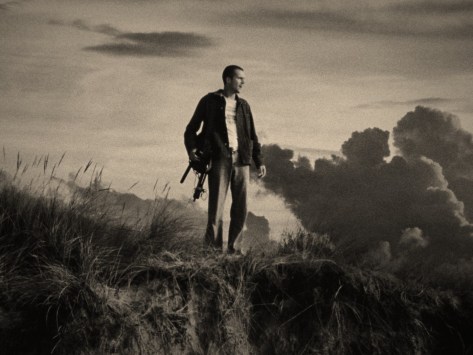
Writer-director duo Noah Stratton-Twine and Jake Kuhn have a clear affection for low-grade horror shlock from the 40s and 50s, and The Peril at Pincer Point does its best to evoke those films’ aesthetics. The square aspect ratio and sepia color grading (courtesy of cinematographer Murray Zev Cohen) certainly shares the same look as films like The Black Scorpion or The Lighthouse, but its story is more visceral and languidly paced than a genuine creature feature. Those seeking the former will be slightly disappointed, but those invested in a character study of a man slowly losing his mind and his identity could find enough entertainment value.
Jim (Jack Redmayne) is a sound recordist desperate to prove his worth to the pretentious director P.W. Griffin (Os Leanse) of an upcoming monster movie involving a giant, talking crab. So he’s sent to the titular Pincer Point, an island with enough legends and spooky stories to capture his curiosity. Naturally, he becomes too invested in the folklore, and starts losing sight of what’s reality versus fiction. The Peril at Pincer Point ends up being a film that’s not terribly captivating, but it’s an impressive bit of filmmaking for what was surely a low budget affair. Stratton-Twine and Kuhn deserve their flowers for an original take on the horrors of the production process, especially for those under-sung crew members who nobody knows on a first-name basis but are just as vital in creating the films we love.
The first time we see her, Lily (Chynna Marie Walker) has hit rock bottom. Her boyfriend of four years has unexpectedly broken up with her, and she’s been laid off from her job. And so, with little else to do and no other prospects, she signs up to attend Genevieve’s Garden, a wellness retreat hosted by the titular middle-grade influencer (Laura Hetherington). Writer-director-editor Katie Colosimo takes some easy potshots at Genevieve, and the wellness influencer culture writ large, but the film works better when it explores Lily and her search for an identity.
Naturally, Genevieve’s retreat is just an aimless weekend populated by similarly aimless weirdos with the occasional yoga sessions and “mental health exercises” thrown in. Colosimo has a knack for writing realistically-rendered characters, like Max (Giovani Naarendorp), who throws out a humble-brag about various celebrities he’s met and world vistas he’s lived or work at throughout his young life. There’s Olivia (Hannah Marianetti), a nihilist who seems to share no interest in wellness or making friends. But Lily is mostly drawn to Charlie (Jose Duran), a hunky but empty husk of a man, and she quickly begins crushing on him. Walker, who’s worked with Colosimo on short films before, is perfectly dialed in as a woman who is looking for a greater purpose in all the wrong places, and Duran works just as well as a romantic foil for Lily. As it stands, Genevieve’s Garden exists as a solid statement on relationships from Colosimo, and one hopes she has more to say on the matter going forward.
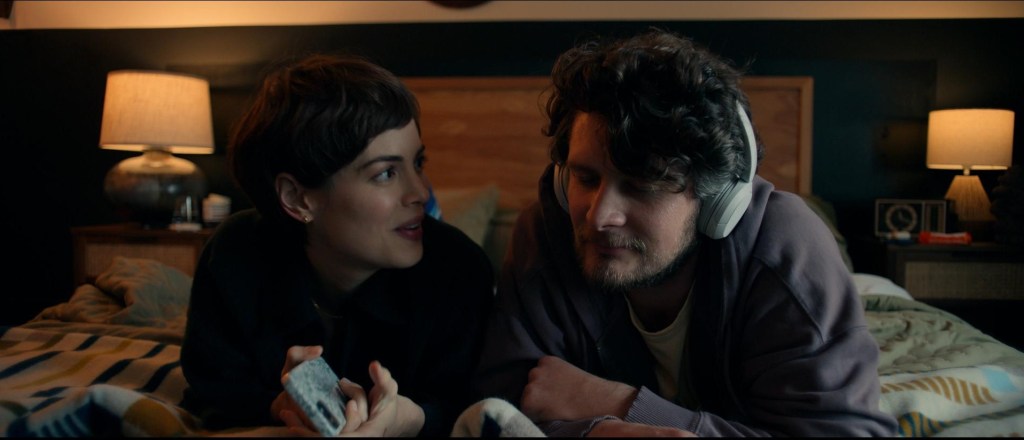
In Spite of Ourselves is one of those indie movies which pops up at seemingly every regional film festival, year after year. Writer-director Josh Loeb’s feature debut rom-com about mismatched misfits hits all the familiar beats of the genre, with a requisite side of quirk, but it does enough to get by. This isn’t a death-knell, per se, as there’s plenty of charming moments and performances. Hannah (Conor Leslie) is a Portland-based baker, and Archie (Brett Dier) is a self-destructive stand-up comedian. They Meet Cute at the bakery where she works, and quickly fall for one another, but their own insecurities prevent them from growing any closer.
Loeb has a firm grasp on Hannah and Archie, making them feel like real, complicated people. But the plot beats of In Spite of Ourselves feel overwritten in ways that leaves the viewer questioning why something is happening, beyond “because it needed to.” We learn that Hannah suffers from hearing loss in one ear and is considering corrective surgery, but she’s afraid of its potential complications. We learn that Archie’s only remaining family is his father, in the throes of dementia, which puts his stand-up career in doubt. There’s nothing terribly objectionable here, and Dier and Leslie give needed depth to their characters when the story fails them. As a directorial debut, In Spite of Ourselves is a solid introduction, a hopeful indication that Loeb can make bigger and better things.