
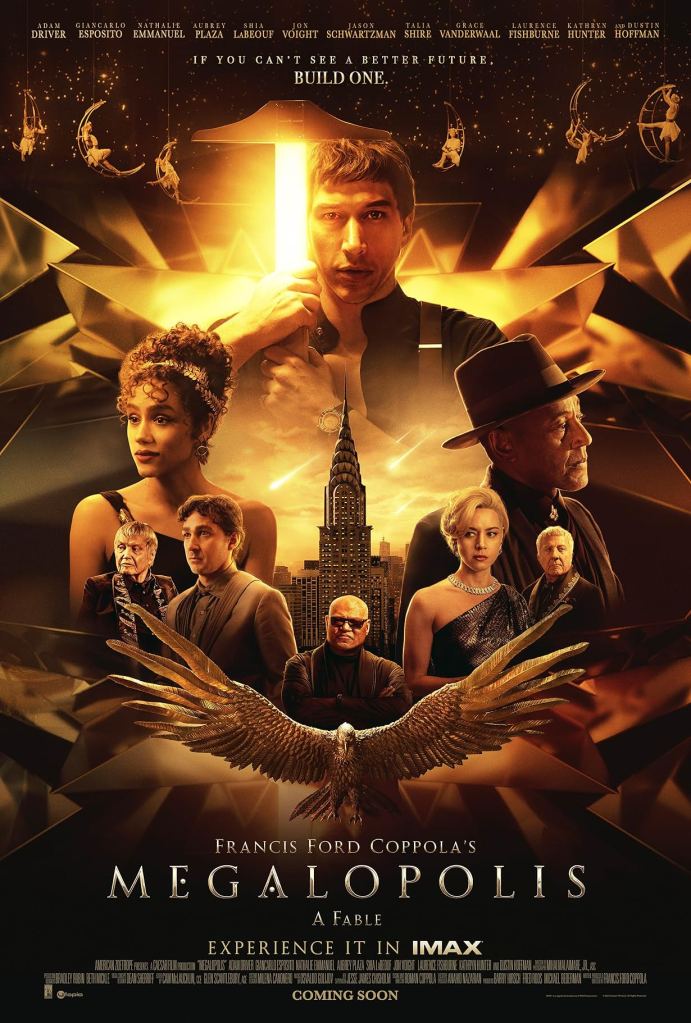
Megalopolis
- Director: Francis Ford Coppola
- Writer: Francis Ford Coppola
- Starring: Adam Driver, Giancarlo Esposito, Nathalie Emmanuel, Aubrey Plaza, Shia LeBouf, Jon Voight, Laurence Fishburne, Talia Shire, Kathryn Hunter
Grade: D+
Make no doubt about it, Francis Ford Coppola is a director who has more than earned his reputation as a master of film. From The Godfather and Part 2 to Apocalypse Now, he has made some of the most widely celebrated and praised movies of all time. Although unlike some of his compatriots such as Martin Scorsese and Steven Spielberg, he has had his fair share of fumbles.
Megalopolis marks Coppola’s return to big-budget filmmaking. A passion project decades in the making, and a movie he claims is the proudest he’s ever been, which is quite a proclamation from such an icon. If you haven’t seen the movie or even seen a trailer, that might be something to get you excited. After all, Coppola has assembled an incredible group of actors and actresses led by Adam Driver.
The main plot of the movie, amidst all the numerous subplots, is relatively simple. Driver stars as Cesar Catlina, an eccentric and embattled architect with dreams of creating a utopian society. However, this vision would require tearing down most of the city of New Rome (a stand-in for New York City, but with much more Ancient Roman influences), which puts him at odds with the unscrupulous Mayor Cicero (Giancarlo Esposito).
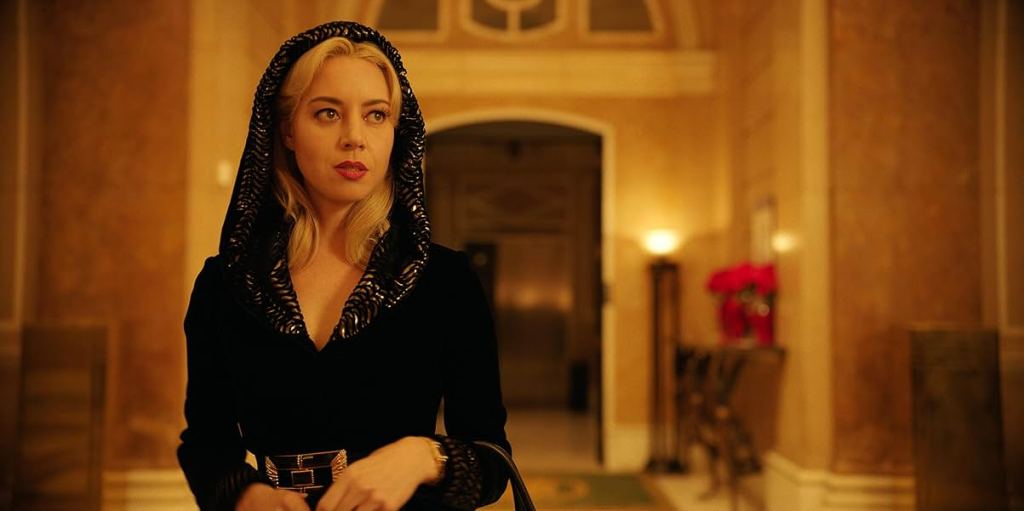
There’s a lot more to the plot, including a romance between Cicero’s daughter Julia (Nathalie Emmanuel) and Cesar, Cesar’s cousin Clodio Pulcher (Shia LaBeouf) trying to instigate an uprising, and Cesar’s infidelity, including the television host Wow Platinum (Aubrey Plaza). Cesar also has the ability to control time.
I warned you this movie was a lot.
Megalopolis is certainly far from Coppola’s finest work, but it isn’t Jack either. The ambition on display is incredibly admirable. Especially with the now viral theatrical element where Driver’s Cesar is interviewed by somebody in the audience.
In the live-streamed Q&A before the movie, Coppola talked about the movie’s themes of unity and optimism towards a better future, among many other things. However, the message here feels unrealized and lacks any sort of impact.

Every single dramatic beat and every reveal feels hollow. None of the emotions that Coppola was trying to convey ever come to fruition. At times, the film is unintentionally hilarious. From the over-the-top performances to the noticeable green screen effects that feel like they’d belong in Spy Kids 3-D, Megalopolis is certainly memorable both for better and for worse.
Megalopolis is a mess, plain and simple, but it’s also a beautiful mess. There is never a dull moment happening on screen, none of the actors seem as though they are sleepwalking through their performances, and above all else, it is unique. Within the first 5 minutes of Megalopolis, you’ll be able to realize why no major studio wanted to finance this movie, which caused Coppola to fund it himself. This is truly unlike any other big-budget movie that we see in theaters nowadays.
From a technical standpoint, there are plenty of redeeming qualities; this is a Coppola film after all. DP Mihai Mălaimare Jr. provides the movie with sweeping cinematography while the production design is immaculate and one-of-a-kind. While most movies play better on the big screen, Megalopolis is a movie that could only work in theaters. If you have any remote interest in seeing this movie, regardless of quality, it needs to be seen in a theater. Watching it on your TV at home, regardless of how great your television is, will inevitably make the movie’s emptiness even more apparent.
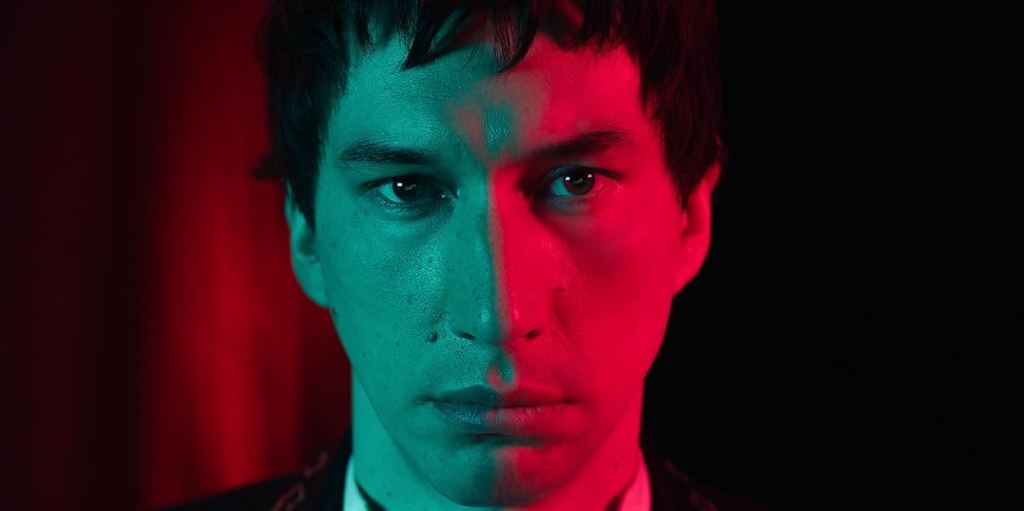
Every single member of the cast brings their own unique energy to their performances. Driver does what he can with the role he was given, perfectly matching the movie’s bold and daring tone. Meanwhile, Aubrey Plaza, Jon Voight, and especially Shia LaBeouf are willing to be bonkers; whether or not their performances are genuinely good is all up for debate, but they do leave a strong impression long after walking out of the theater.
Amidst the movie’s massive swings and misses, perhaps the biggest misfire is the romance between Cesar and Julia. Driver and Emmanuel lack any sort of chemistry, and Coppola’s dialogue feels as if he has never seen a couple interact.
Emmanuel’s Julia is easily the only “normal” person in a movie full of larger-than-life characters, and because of that, she doesn’t fit in with the rest of the movie. Her romance with Cesar feels far too sudden and for half of the runtime, you can never fully tell if their love is all a facade or not. It becomes more clear the end of the movie, but the lack of any dimensions destroys any sense of sympathy you may have.
Megalopolis isn’t a good movie. In fact, it’s quite bad. But its uniqueness makes it worth the watch. While there have been plenty of bad movies that made me leave the theater feeling angry and others that I forgot about within days of watching it, I walked out of Megalopolis in awe. It’s a movie that won’t be leaving my mind anytime soon.
Megalopolis is in theaters now.
- Coppola may have been the darling of the Academy Awards decades ago, but Megalopolis is not the kind of movie that will make a dent with the Academy.
- There is a slim chance that the movie could earn nominations for Production Design and Costume Design. But those categories are becoming more and more crowded by the week.
 The Movie State
One thought on “Megalopolis Review”