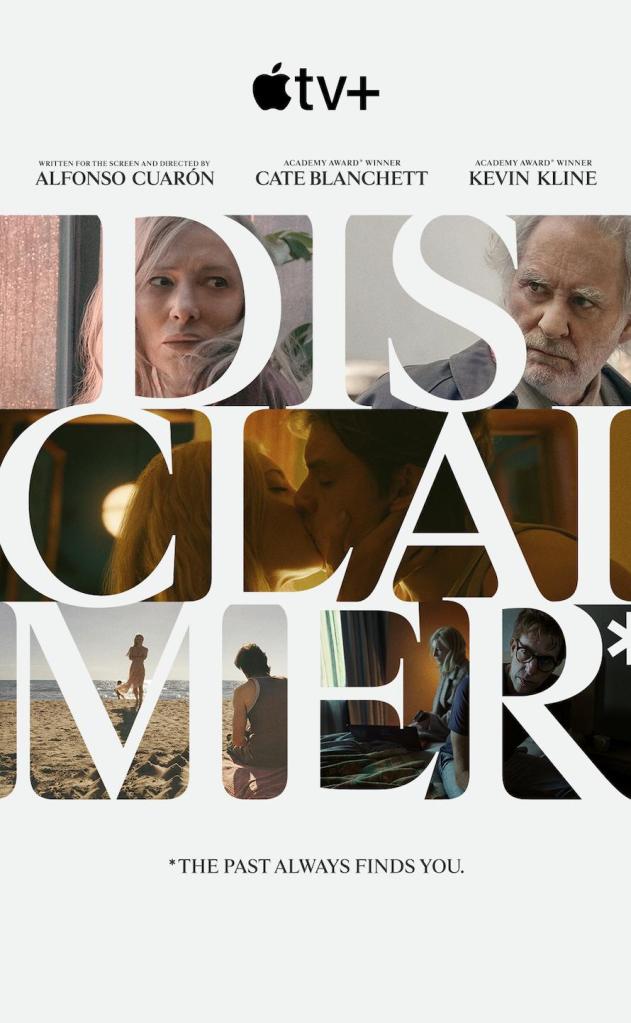
“VII”
- Creator: Alfonso Cuarón
- Starring: Cate Blanchett, Kevin Kline, Sacha Baron Cohen, Kodi Smit-McPhee, HoYeon Jung, Louis Partridge, Leslie Manville, Leila George
Grade: B
Warning: This review of episode 7 of Disclaimer will contain spoilers.
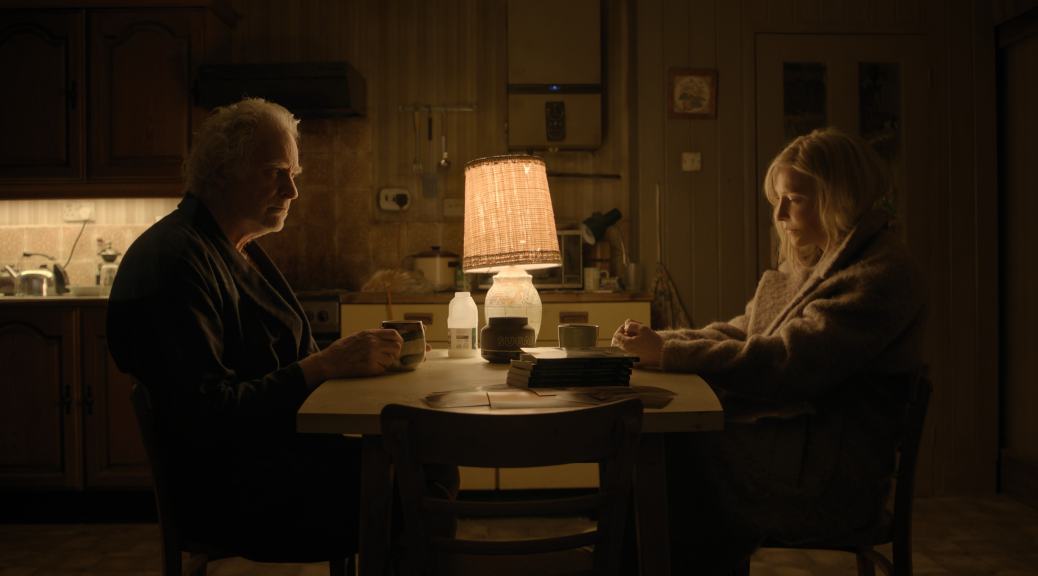
After last week’s reveal of Catherine’s version of the events in Italy, a number of questions remained. But the biggest question for Disclaimer lies in how much of her retelling is actually the truth. The show has dealt with a number of ideas throughout its run, especially in the second half, but it’s primarily concerned with the unreliable nature of storytelling. What one person recalls could be totally accurate, or it could be only half true. As the season finale, “VII”, begins, we see more and more of Catherine (Cate Blanchett in present day, Leila George in the past) retelling her truth to Steven (Kevin Kline), and the result is a powerful piece of storytelling and direction from Alfonso Cuarón.
We never actually hear any spoken dialogue as the scenes from the past play out – not even any ambient noise from the beach as Catherine recalls the day Jonathan (Louis Partridge) died. As she tells it, the way Nancy’s book had described that day on the beach was somehow completely accurate, but the damning photographs were only “a fragment of the truth”. Seeing Jonathan’s brutal treatment of Catherine, including threatening her with a knife and subsequently raping her was deeply unsettling, and Cuarón’s direction – along with George and Partridge’s performances – elevates it all. It turns out the sultry photographs resulted from Jonathan’s threats at knife-point.
Does this new development pass scrutiny, unlike a number of Disclaimer‘s plot holes so far? To get the true answer, I’d have to go back and actually see the photographs better, but these are small potatoes compared to the unrealistic moments that follow. Even the closer look at the half-burned photo that we see in the episode’s final moments doesn’t provide total clarity. For every 2 steps forward that the show takes in episode 7 – whether it be from Cate Blanchett’s Emmy-worthy performance, Cuarón’s direction, or any of the continually impressive technical elements, it takes a step back whenever these moments take place.
I understand that a hospital isn’t always the bastion of security that we’d hope it would be, but for Steven to have unfettered access to Nicholas after his scene in episode 6 is just too much. Ditto for how quickly Robert (Sacha Baron Cohen) turns to understanding Catherine’s plight after Steven explains it all to him – off-screen – after being so cold towards her all season. The moment when Steven finally sees the light, and the truth behind Catherine’s words about Jonathan, is well played, but it’s a little less clear why it took him so long to understand after hearing her story, or why Nicholas (Kodi Smit-McPhee) was the one to unlock it for him. Thankfully, as we learn in the final moments, Robert and Catherine’s marriage was already broken and couldn’t be fixed by Catherine being honest about the past, but the events of the show brought their brokenness into the light.

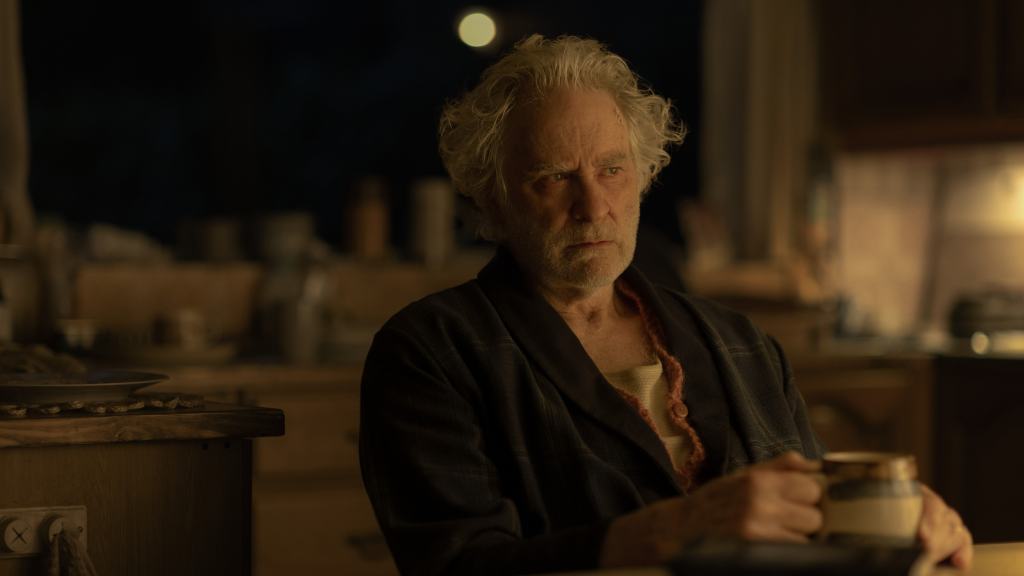
My biggest question going into the season finale revolved around Steven: why is his version of revenge so much more destructive than Nancy’s was? Her writing of the novel was such a passive way to point the blame at Catherine, but he’s taken it even farther by actively seeking to destroy her life. Disclaimer was positioned from the start by being a show about Catherine and the chaos that entered her life, but it’s not hard to say that there’s a way to look at Steven being the main character of the show. In the final moments, we hear how his unwavering focus on revenge has essentially destroyed his life and his happiness, so from that angle, the show takes on a new meaning. Is this new meaning any more interesting than before? Maybe, and maybe not.
Now that Disclaimer is over (here’s hoping they don’t pull a Big Little Lies and make a second season when it’s entirely unnecessary), I have mixed, but mostly positive, feelings on the show as a whole. Cuarón, Blanchett, and Kline (whom I’ve never really been a big fan of, admittedly) have taken difficult material and elevated it beyond its melodramatic origins. As I’ve said before, I still wish that there was at least one or two more episodes to fully flesh out some of the developments in the later half and make them more believable. And I can’t shake the feeling that the show could have resolved itself much, much sooner if characters had stopped dramatically avoiding each other and simply had a conversation.

The show may not be the transcendent piece of television that you’d believe, given the mass of talent involved, but it did turn out to be a worthwhile project, in the end. The way the show tackled truth and subjectivity felt original that constantly kept me guessing and engaged. If it had only been given a little more room to breathe, we could be looking at one of the best shows of the year. The truth, unfortunate as it may be, is that it just doesn’t deserve that distinction.
 The Movie State