
Was 2024 a bad year for movies? Not exactly. As you’ll see, I had no trouble picking my ten favorite films of the year. But for much of the year, that wasn’t the case, with many anticipated hits from celebrated filmmakers underwhelming. Call it a byproduct of last year’s strikes, or call it a simple ebb and flow after the boon of great films in 2023. Nevertheless, this is a list of films I could discuss endlessly, and which I’m excited to revisit down the road well past 2024.
Honorable Mentions (in Alphabetical Order):
- A Complete Unknown
- The Brutalist
- Civil War
- Conclave
- Dìdi (弟弟)
- Flow
- Girls State
- Hard Truths
- Hayao Miyazaki and the Heron
- Hit Man
- No Other Land
- A Real Pain
- The Room Next Door
- The Seed of the Sacred Fig
- The Substance
For those new to the site, my Top 10 consists of a “Movie of the Year” along with an unranked, alphabetical list of the remaining nine. So without further ado, here are my ten favorite films of 2024.
Dahomey

What could have been an ordinarily rendered nonfiction story becomes something more thoughtful and more resonant thanks to the vision of director Mati Diop. Dahomey concerns the return of a number of artifacts to present-day Benin from France, and the ensuing debate around their significance. The story itself likely barely registered as a blip amongst international media, but Diop saw a story worth exploring. Through voiceover narration – written by poet Makenzy Orcel – Diop gives a voice to the voiceless, imagining what the artifact itself feels and remembers. But the second half of Dahomey invites a new conversation entirely, as a group of students debate the merits of returning the art. Should it be celebrated? What about the other remaining art which remains elsewhere? 2024 was the year to be truly worried about the future of youth in America, but this film posits that some pocket of hope still exists out there in the world. To me, the best documentaries capture a subset of people, or news event, which you’d otherwise be completely oblivious to. Dahomey manages to capture this, while being one of the most creatively rendered films of the year.
Evil Does Not Exist
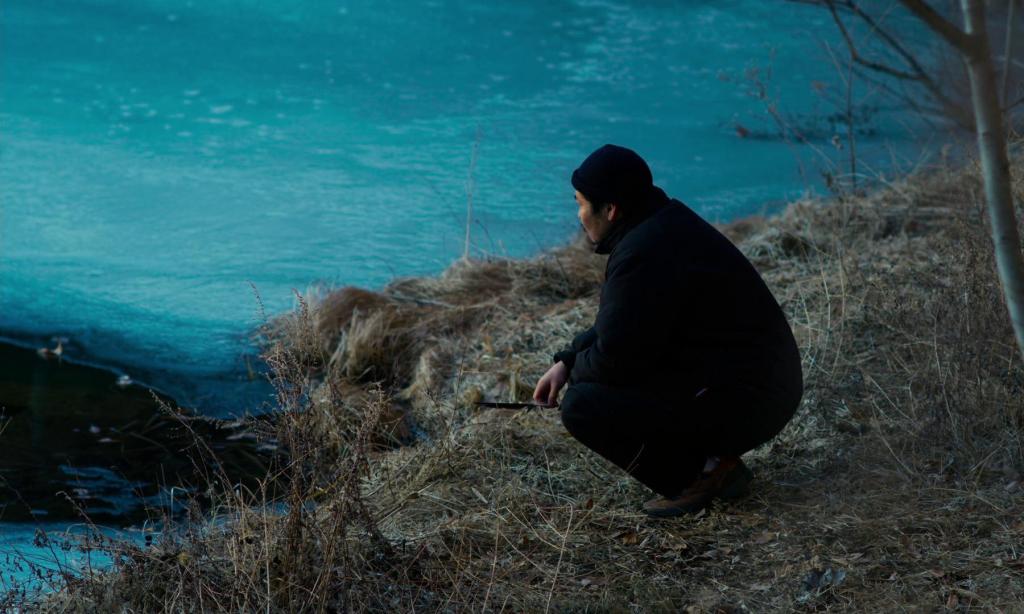
Evil Does Not Exist shows another case where the careful touch behind the camera works multitudes for a relatively simple story. Ryusuke Hamaguchi’s follow-up to Drive My Car was likely never going to be as widely beloved, but still contains the writer-director’s penchant for patient storytelling. Here, he applies it to a remote Japanese town as its inhabitants try to balance their dwindling economy with their reliance on the natural world. Indeed, the environment literally dominates the frame in many of the scenes within the film, bringing Hamaguchi’s messaging front and center without being too heavy-handed. The film is highlighted by one of the year’s best scenes, a town hall meeting filled with a unique blend of humor, world-building, and complex themes. And few films have had endings as perplexing and haunting as Evil Does Not Exist‘s, an open-ended interrogation of our place in the world. Filmed with non-professional actors and originally intended to be a short film with no dialogue, Hamaguchi shows that he can make films of virtually any scope and scale with the same level of care and thoughtfulness.
Furiosa: A Mad Max Saga
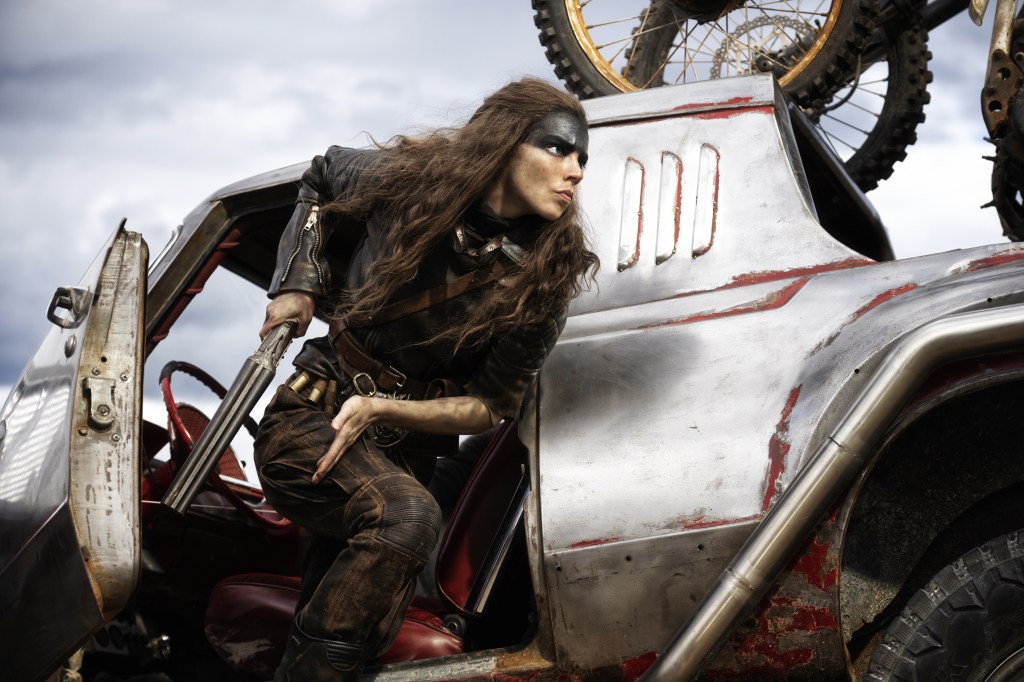
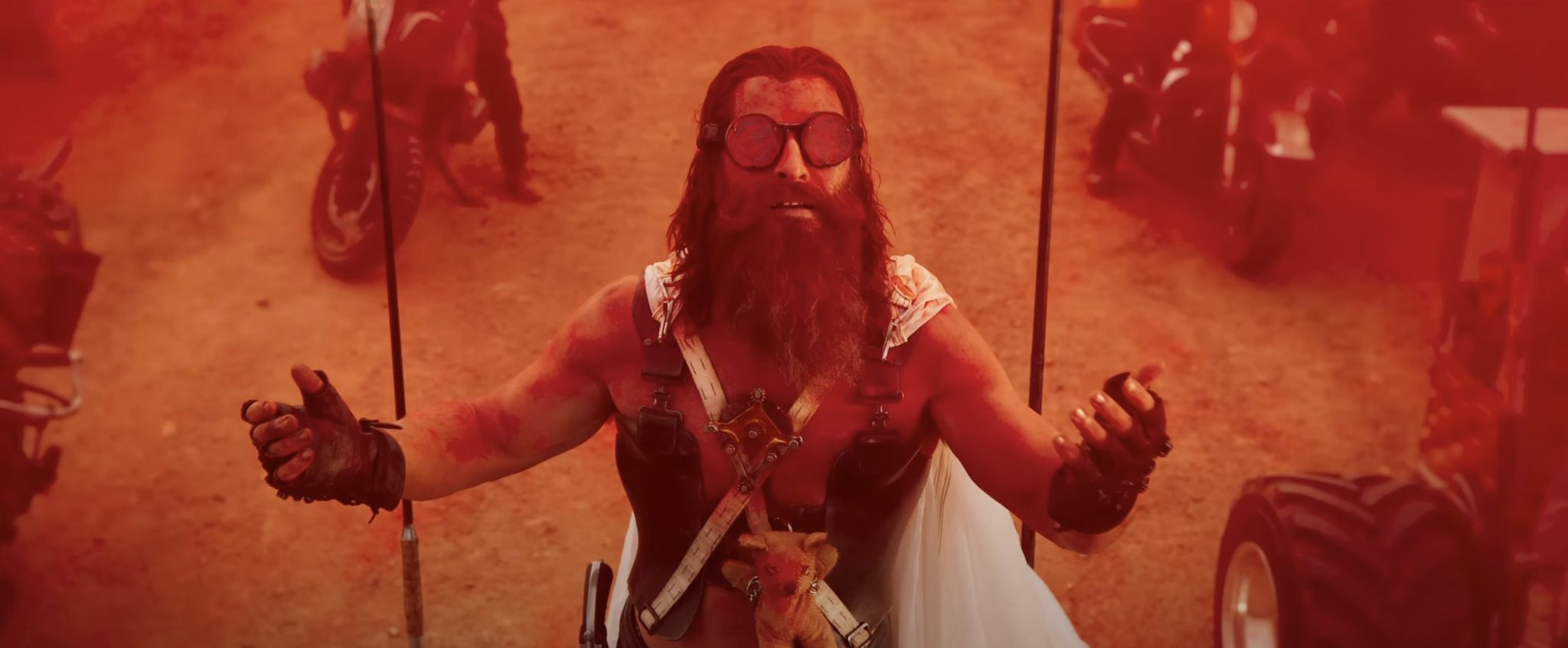
Perhaps time will be kind to Furiosa: A Mad Max Saga, since audiences left it in the dust once George Miller’s prequel hit theaters. Never one to rest on his laurels, Miller didn’t just repeat the action splendor of Mad Max: Fury Road by making another set piece extravaganza. To be clear though, there was action and stunts aplenty this time around, but the focus was more on the wasteland itself and the very nature of mythmaking (a favorite subject of Miller’s). Chris Hemsworth delivers his best performance to date as the deliciously evil Dementus, by making such a larger than life villain likeable and, occasionally, sympathetic. Prequels can be difficult to pull off, as filmmakers are too often concerned with providing answers to questions nobody had asked. But Furiosa manages to shade in some of the details from Miller’s previous film. Whether you simply went into it wanting to see more death-defying stunts or a story with Shakespearean drama, Miller’s latest – and possibly last – Mad Max saga provided a little bit of everything that makes the series great.
His Three Daughters

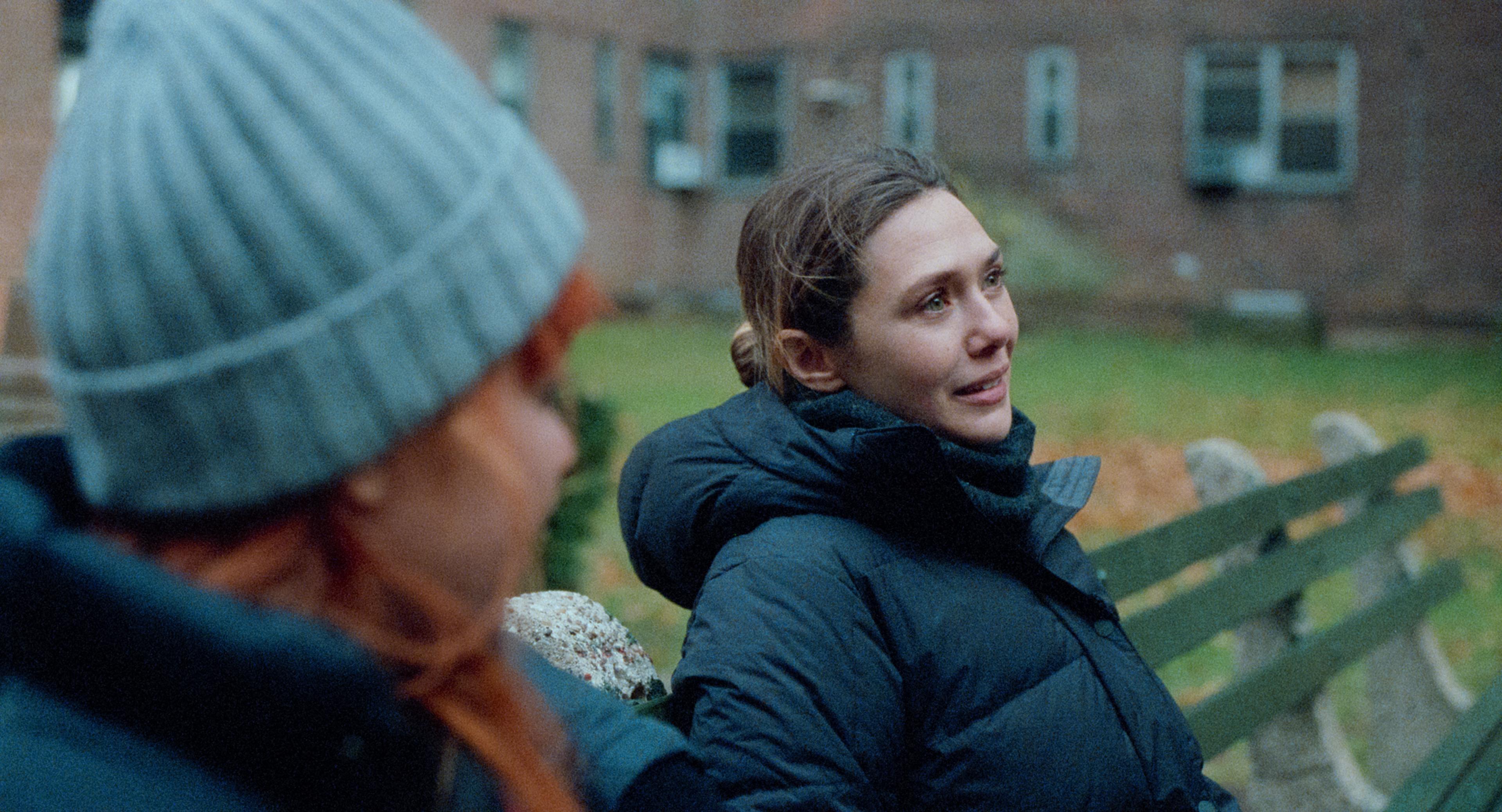
A year after it first premiered at the Toronto International Film Festival, His Three Daughters still packs a punch in a uniquely captivating way. Led by a trio of nuanced and varied performances from Carrie Coon, Natasha Lyonne, and Elizabeth Olson, writer-director Azazel Jacobs finds thoughtful conversations around a slow and emotionally difficult death. Jacobs’s magic trick is not just in how he gives each of the three sisters distinct perspectives, but in how he raises conflict and resolves it without feeling unnatural or inauthentic. Whether you’ve experienced a loved one dying firsthand, or only tangentially, there’s something universally relatable about His Three Daughters, and that’s what makes the film special. You can find yourself sympathizing with Coon’s character’s pragmatic approach, or Lyonne’s hands-off attitude, or Olson’s people pleasing nature, and perhaps a mixture of all three. There is no wrong way to grieve, and Jacobs makes the process thrillingly humane.
I Saw the TV Glow
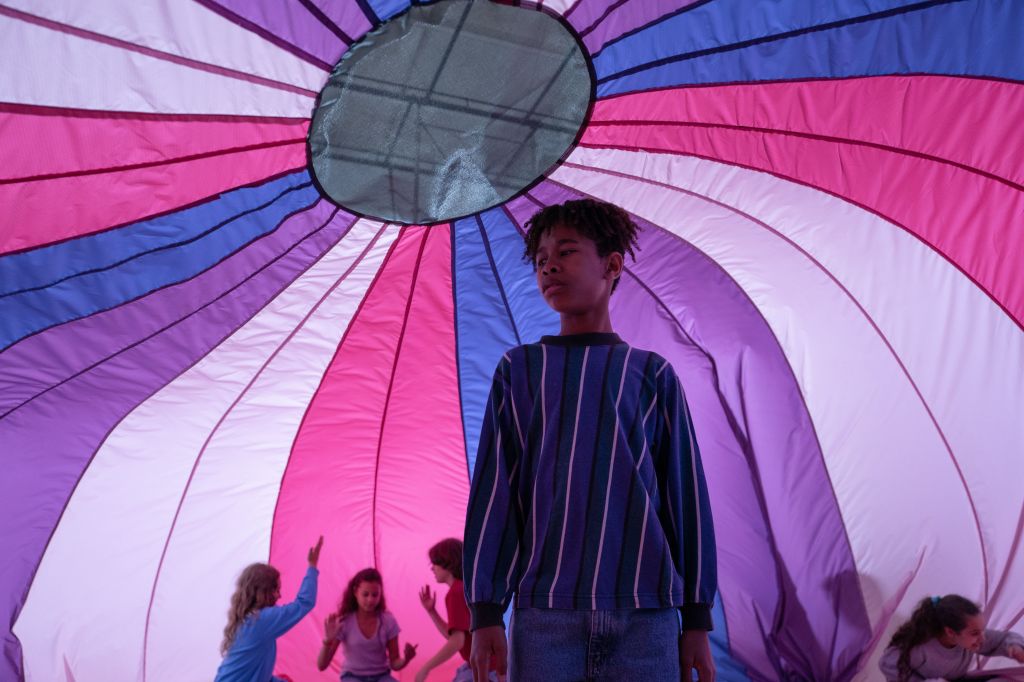
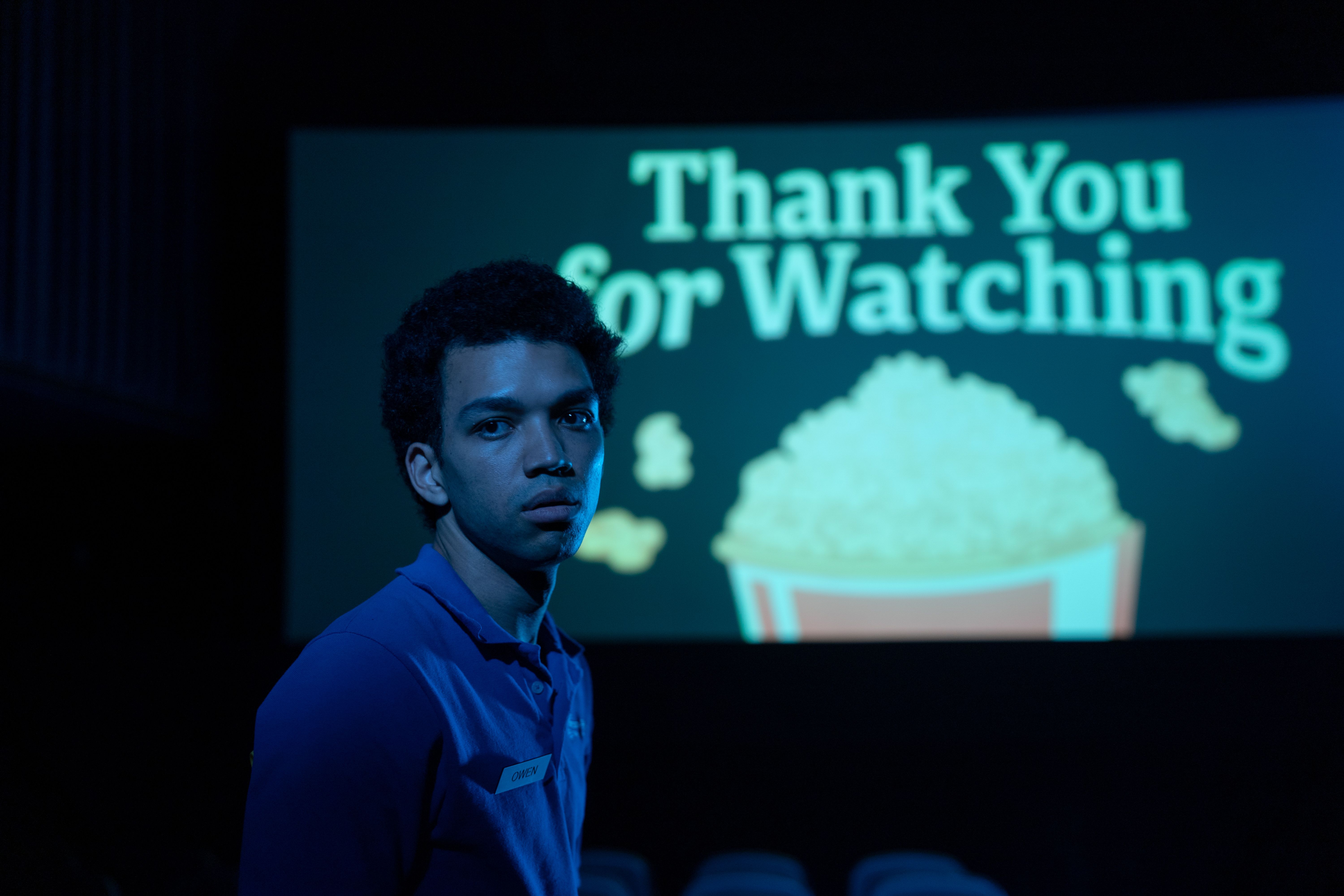
One of the year’s first great films, I Saw the TV Glow, feels like a confident declaration for independent voices in cinema. Writer-director Jane Schoenbrun made a splash with their first feature We’re All Going to the World’s Fair, but their second effort is one of the most confident and unique statements in years. Whether you view the film as a trans allegory, a coming-of-age film, or as a treatise on the prison of nostalgia (or any other number of valid readings), the film is a triumphant mashup of tones, genres, and ideas. Growing up is painful, but it’s significantly less painful when you don’t feel so alone. With I Saw the TV Glow, community comes in the form of a cult TV show in the vein of 90s classics like Buffy the Vampire Slayer and Are You Afraid of the Dark? But there’s an aching sadness at its heart, perfectly personified by Justice Smith and Brigette Lundy-Paine’s performances. It can be maddening for a filmmaker (or any creative person) to accurately portray the depths of what they’ve felt in their souls, and with I Saw the TV Glow, Schoenbrun perhaps comes closest than any filmmaker in recent memory.
Look Back

Look Back came out of nowhere and burrowed deeply under my skin long after the credits rolled. The adaptation of Tatsuki Fujimoto’s manga of the same name tells the story of two friends and collaborators, united by their shared love of drawing. In less than an hour, director and writer Kiyotaka Oshiyama makes such a profound and creative story that hits at the heart of the competitive nature of most creative people. Sometimes being an artist can feel like the most isolating place in the world, whether you’re part of a community or working alone. But Look Back, which tells the story of two manga artist prodigies, also offers a life-affirming look at regret for previous relationships of any nature. Even for those that aren’t artistically inclined, there’s something universal at the heart of the film that speaks to friendships past and present, and it’s all told from Oshiyama’s colorfully unique perspective.
Nickel Boys

A fascinating juxtaposition of beauty and cruelty, RaMell Ross’s Nickel Boys feels like a major cinematic step forward, though its subject matter may not be entirely new. In fact, Ross uses the film to reckon with past conversations with race in film, with its frequent references to Stanley Kramer’s The Defiant Ones. Through Jomo Fray’s striking first-person cinematography, the film forces us to confront our horrific past by literally putting us in their perspectives. Indeed, it’s often disarming to experience an actor speaking directly to you, as if they’re peering straight into your soul. But it’s when Ross strays from Colson Whitehead’s source material, inserting archival footage and home videos, when Nickel Boys truly soars. There were a number of films in 2024 which felt like a commentary on our current state of the world, but here is a film which comments on our past and present in fresh and unique ways.
Wicked

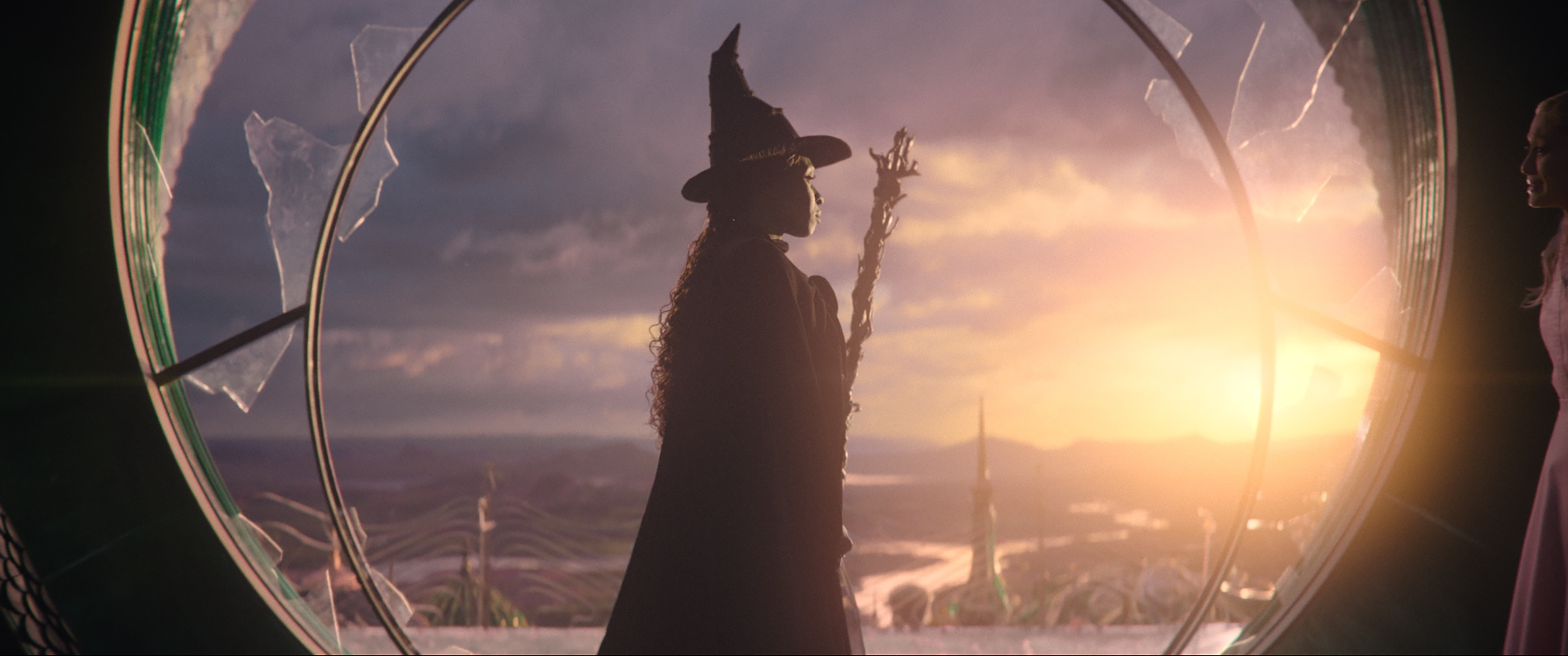
Even with my inherent bias of loving the novel and Broadway musical going into John M. Chu’s adaptation of Wicked, my expectations were met and exceeded. Every musical sequence feels lively, with exciting choreography and dazzling vocals from its stars, plus the added bonus of the year’s best production and costume designs. But it’s Cynthia Erivo and Ariana Grande who anchor the film with two of the year’s best performances, fully selling Elphaba and Glinda’s arcs together and separately. Sure, the color grading isn’t great in spots, and it’ll ultimately play out to be twice as long as the stage version, but Wicked is a visual spectacle, and one of the best crowd-pleasers of the year. Whether you go into the film already knowing the story beats and musical numbers by heart, or it’s your first introduction to Gregory Maguire and Stephen Schwartz’s world, it’s hard not to be enchanted by Chu’s version.
The Wild Robot
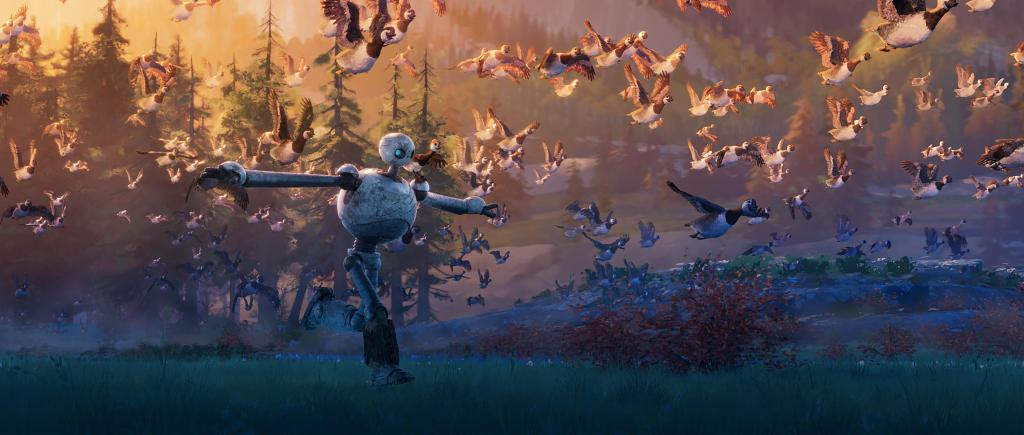
From the moment I first saw its teaser trailer, featuring the techno-pop cover of “What a Wonderful World”, I had a feeling The Wild Robot would be special. Even after devouring Peter Brown’s trilogy of books, I had a feeling director Chris Sanders could interpret the material cinematically. But seeing the film was a brand new experience entirely. With wonderful vocal performances from Lupita Nyong’o, Kit Connor, and Pedro Pascal, along with a soaring original score from Kris Bowers, and a vibrant color palette, The Wild Robot becomes more than a simple tale of nature versus nurture. Sanders is unafraid to tackle heavy subjects like death and abandonment that will resonate with adults, while still making the film easily digestible for kids. The film may end up being the one from this list that I return to the most, and not just because I’ll watch it with my kids.
Movie of the Year: All We Imagine as Light

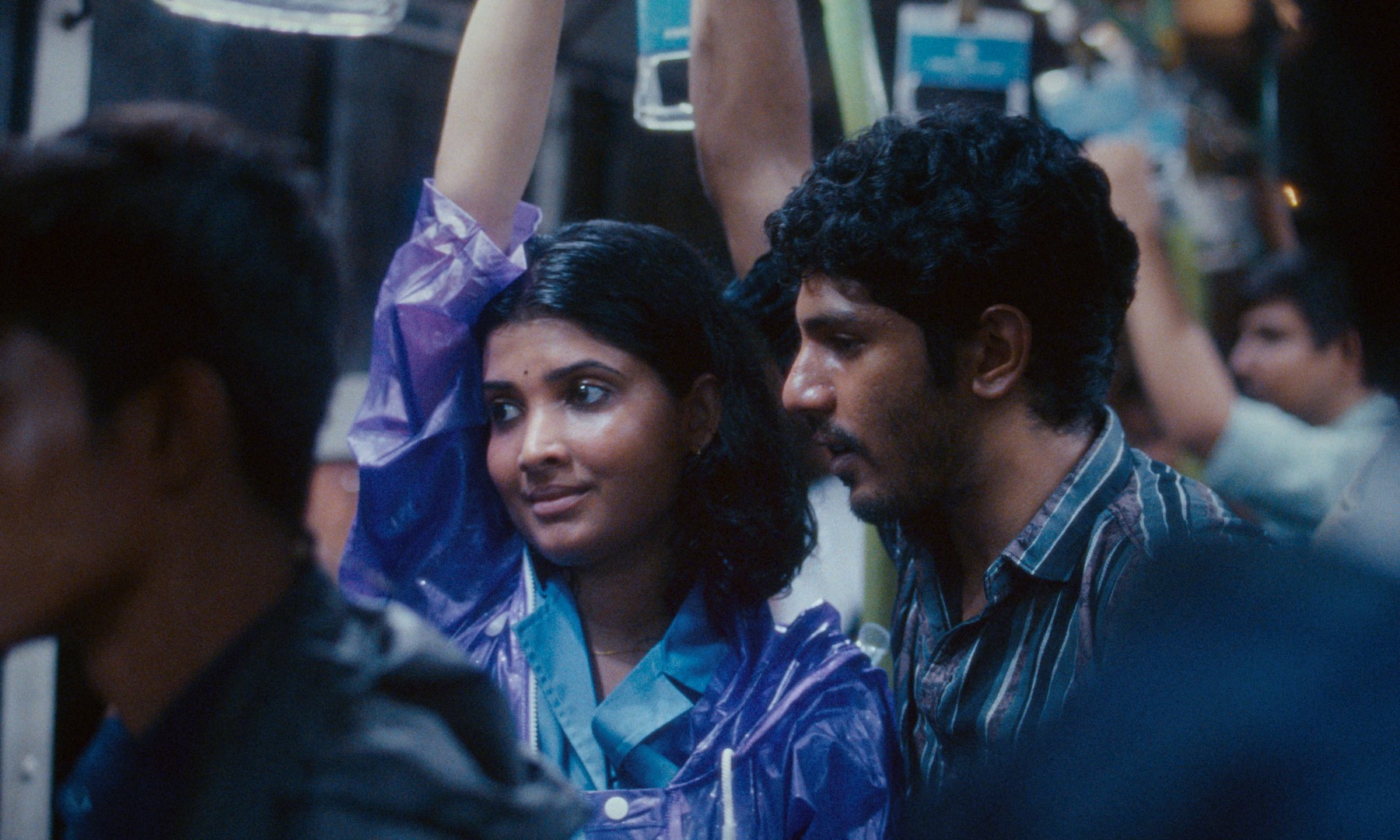
No other 2024 film felt as real to me as All We Imagine as Light. Payal Kapadia’s meditation on womanhood and belonging was populated by characters who spoke and acted like real people – performed with quiet humanity by Kani Kusruti, Divya Prabha, and Chhaya Kadam – not ciphers in search of an ending. The film works best as a portrait of a city (Mumbai, specifically) as the ultimate contradiction: freedom and restrictions, isolation and community, love and heartbreak. And the countryside as the supposed balm, but it also contains its own set of confusions. Kapadia eschews traditional storytelling and, somehow, the film escapes unscathed. There is no antagonist making things overtly difficult for the characters, no end goal to reach, and no major obstacles to overcome. Rather, All We Imagine as Light rests on the aching sense of longing and purpose that three women on different paths in life find themselves stuck in. Whether you view it as a film about romance, or modern womanhood, or loneliness, the film provides a great deal to chew on after it ends. All I know is that All We Imagine as Light is a film I’ll be enthusiastically returning to over the years to come.
 The Movie State
2 thoughts on “Ben Sears’ Top 10 Movies of 2024”