Every movie year inevitably invites comparisons to previous years. I’m a little more lukewarm overall on this year, even if I did ultimately have trouble narrowing down my top 10 films of 2025. Part of the year was marked by middling disappointments, and while there were good films to find since the beginning, I didn’t find myself as passionately enthusiastic about most of them. Nevertheless, 2025 found great movies across all genres, new and exciting voices, and returns from celebrated auteurs.
Honorable Mentions (in Alphabetical Order):
- Avatar: Fire and Ash
- Cloud
- Eden
- F1
- Grand Theft Hamlet
- It Was Just an Accident
- KPop Demon Hunters
- Left-Handed Girl
- Megadoc
- Mission: Impossible – The Final Reckoning
- The Phoenician Scheme
- Sinners
- Sister Midnight
- The Voice of Hind Rajab
- Weapons
If you’re new to the site, my Top 10 consists of a “Movie of the Year” along with an unranked, alphabetical list of the remaining nine. So without further ado, here are my ten favorite films of 2025.
28 Years Later

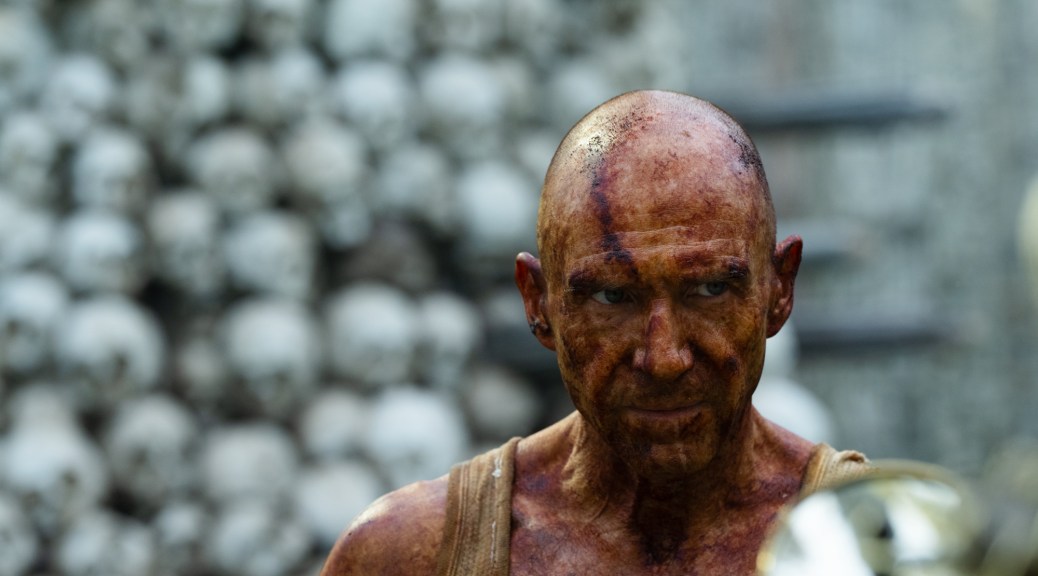
I’m as surprised as anyone at how much 28 Years Later affected me. For starters, I’m not particularly precious about the franchise (I’ve only seen Days twice, and Weeks once in the lead-up to this). But director Danny Boyle and screenwriter Alex Garland’s return to a post-rage virus England turned the world on its head to make one of the most thought-provoking horror films in years. Simultaneously a zombie action film, a coming-of-age drama, an exploration of toxic masculinity, a commentary on British history, and a meditation on death itself, Garland and Boyle somehow thread the needle to exceed genre expectations. Despite its innovations, Boyle still harkens back to the technical magic of the original films, by shooting mostly on iPhones and utilizing new filmmaking techniques. Jodie Comer, Aaron Taylor Johnson, and Ralph Fiennes deliver stirring performances, but it’s newcomer Alphie Williams who shoulders most of the drama of the film as a young man forced to grow up too quickly in a world he doesn’t fully understand. Perhaps what elevates 28 Years Later is its ability to not just rely on set pieces and scares, and its dedication to human drama. I may not have been a fan of the previous entries, but this long-gestating sequel’s empathetic approach has converted me for wherever the franchise goes from here.
Hamnet
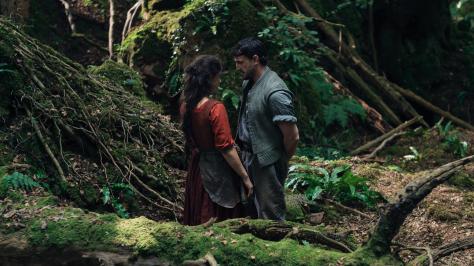
Whether you view Hamnet as pure Oscar bait or not, director Chloé Zhao delivers a profound meditation on death and creativity. An alternative take on William Shakespeare’s (Paul Mescal) personal life sounds like a bore, but Zhao’s trademark humanity is on full display throughout this searing portrayal of Shakespeare’s relationship with his wife, Agnes (Jessie Buckley), and their three children. Thankfully, most of the film is dedicated not to tragedy but joy, as William and Agnes begin their relationship and raise their kids through their own unique philosophies. It’s Agnes’s connection to the Earth which has resonated most with me, her view that everything serves its own purpose in life- even death. Buckley’s Oscar-worthy performance isn’t to be missed, embodying her character’s convictions as she passes them on to the next generation. But it’s Hamnet‘s finale which brings it all together, a stunning statement on processing grief and creating something which rightfully honors a person’s memory. After Zhao’s Eternals delivered mixed results and a departure from her usual working style, Hamnet at least serves as a welcome reminder that she’s one of our best, most humanistic filmmakers, regardless of the genre.
Is This Thing On?

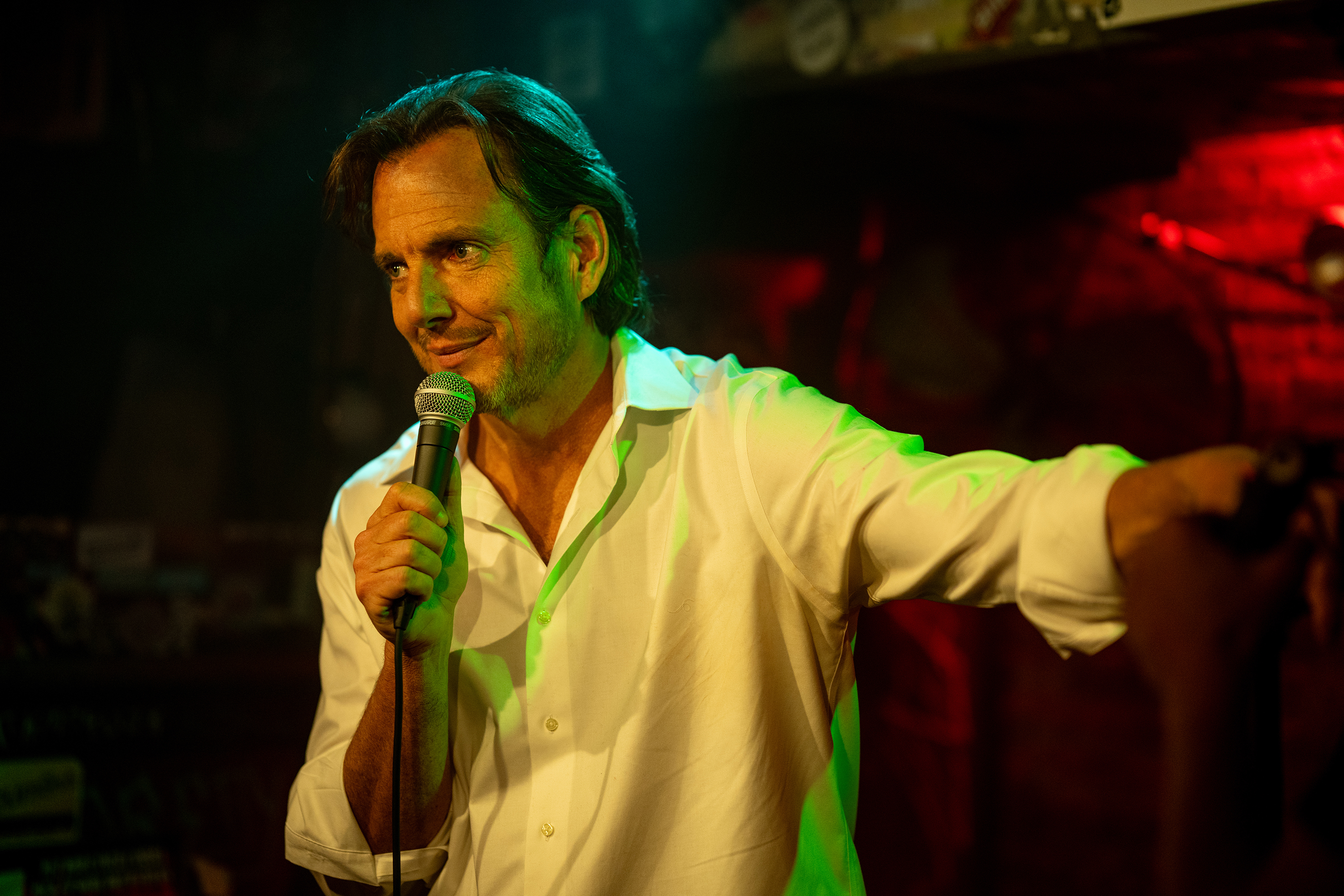
After reaching for critical and professional glory with his previous two films, Bradley Cooper scaled back for his third directorial feature, Is This Thing On?, while still staying true to his sensibilities as a storyteller. For starters, he’s not the main star – that would be Will Arnett as Alex Novak, in a rare, but still exceptional, non-voice performance. As with A Star is Born and Maestro, the story in Is This Thing On? isn’t exactly revolutionary, but its characters feel like real people with relatable problems, and the stakes stay grounded. Indeed, when Alex stumbles into the world of stand-up comedy, he doesn’t dream of superstardom or stadium tours. He mostly uses it as an outlet to vent his frustrations around the collapse of his marriage to Tess (Laura Dern), and to understand the complexities of middle age. It’s true that Cooper’s latest is slighter and lighter compared to his previous work as a director, but what elevates Is This Thing On? onto a spot on this list is my desire to return to the film as much as any other this year.
Marty Supreme
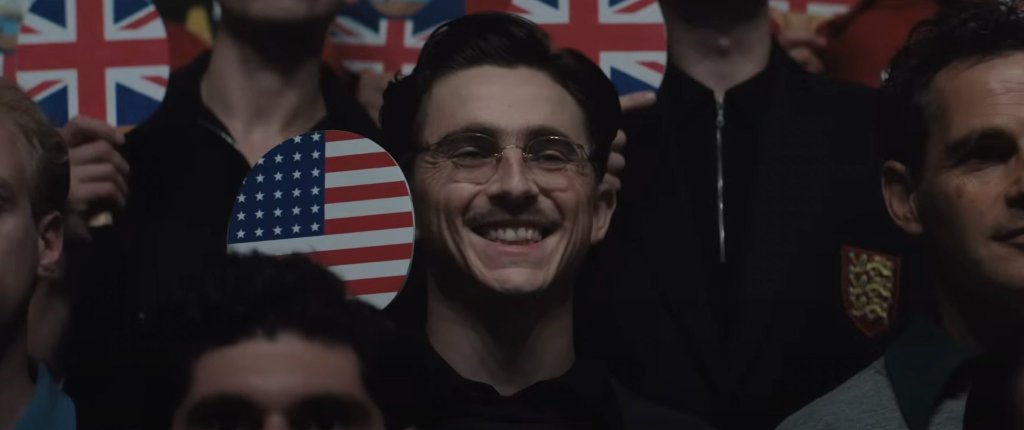
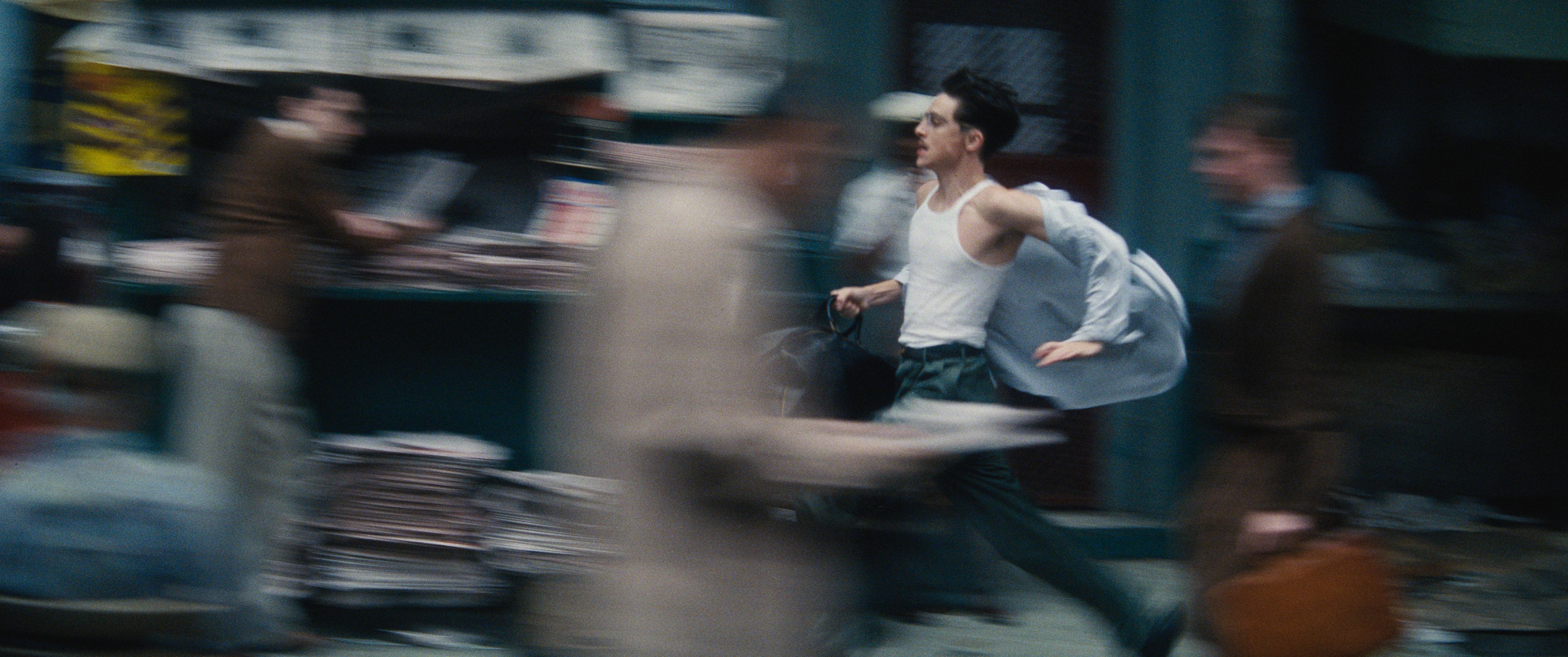
Marty Supreme is more than just an acting showcase for superstar Timothée Chalamet – though that is one of its primary pleasures. It’s also a chance for Josh Safdie to show off what he can do, divorced from his brother Benny as a solo director. The result is a perfect storm of ambition about the fictional Marty Mauser (Chalamet), a table tennis superstar who deigns to reach the mountaintop through sheer force of will, no matter who or what he leaves in his wake. The film follows in the footsteps of previous Safdie brothers films, as it’s centered on a man who can’t seem to get out of his own way, refusing to see past his own illustrious goals. Chalamet gives the most nakedly charismatic performance of his young career, making Marty teeter ever so closely to be unlikeable without going over the edge. Throughout all 150 minutes, it’s transfixing to simply want to know what Marty will do next. But Safdie, along with co-screenwriter Ronald Bronstein, turns Marty Supreme into an understated statement on American Imperialism (and the American Dream), as Marty represents the bullheadedness with which the country operated in the wake of World War II. Much was made on the creative split of the Safdie brothers, but if Josh continues to make films like Marty Supreme, those fears will be proven to be overblown.
The Naked Gun
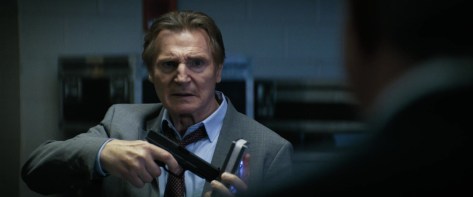
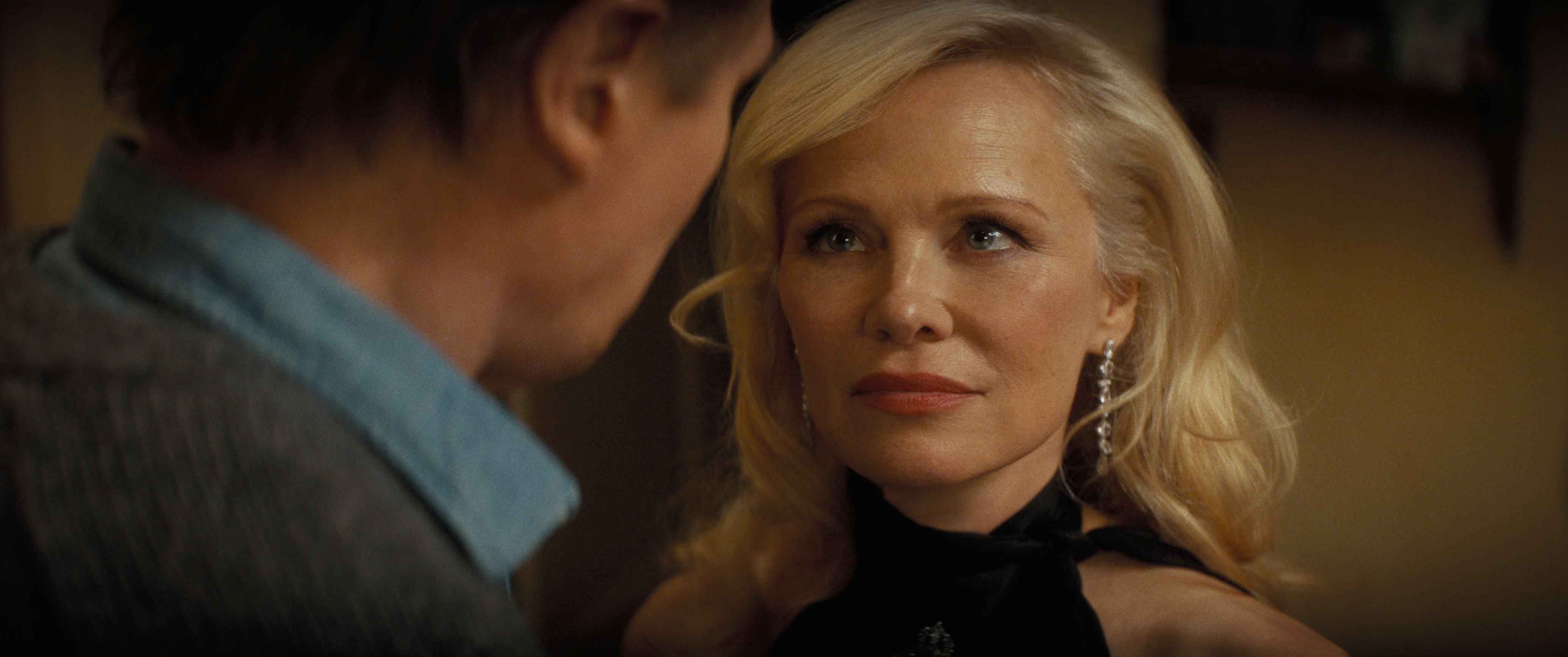
Pure, theatrically released, studio comedies like The Naked Gun are as rare as “a woman put together in all the right ways: head, shoulder, knees and toes, knees and toes” these days. Nobody had any right to expect a legacy sequel for a Leslie Nielsen vehicle to have any cultural impact, but Akiva Schaffer, who co-writes the screenplay with Dan Gregor and Doug Mand, knows what makes the franchise so memorable. It’s the dedication to packing the film full of jokes – non-sequiturs, sight gags, wordplay, pop culture references, you name it – and prioritizing those jokes before any kind of story or profound statement. Yet it’s borderline revolutionary to make your studio comedy starring actors of a certain age, like Liam Neeson, Pamela Anderson, Danny Huston, Paul Walter Hauser, and CCH Pounder. Amidst the chaos and uncertainty which filled the real world of 2025, it felt euphoric to be able to sit in a theater and laugh hysterically with strangers 100 times a minute. Whether The Naked Gun is the only re-entry in the franchise or the start of more, it’s a film I’ll be returning to many times in the years to come.
One Battle After Another

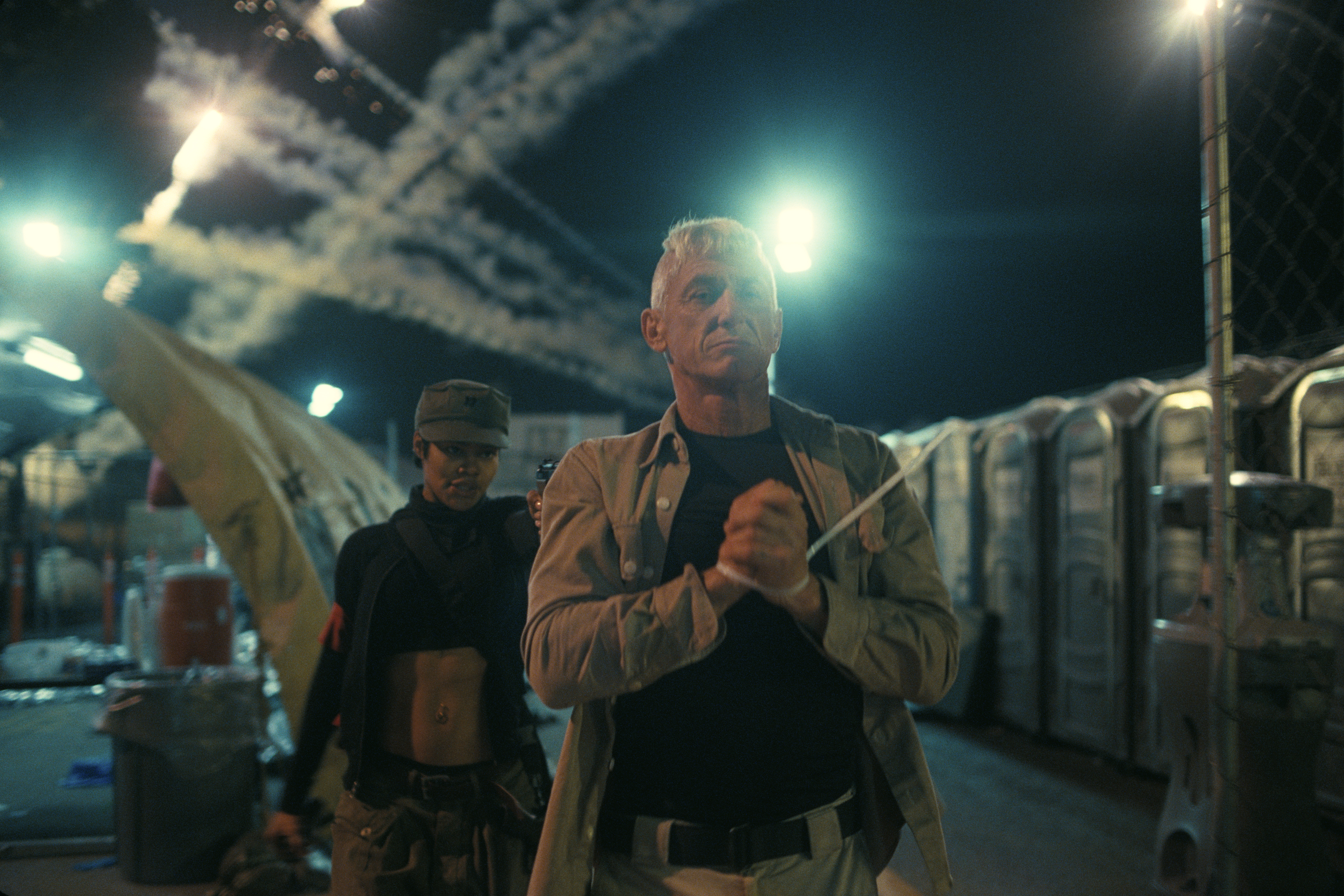
Paul Thomas Anderson’s One Battle After Another premiered to near universal acclaim, immediately hailed as one of the best films of the decade. Knowing this, and my long-standing affinity for the writer-director, I was admittedly primed to love his latest offering. Loosely adapting Thomas Pynchon’s Vineland and set against the backdrop of our modern political divide, PTA tells a universal story of revolution, aging, and community. All of Anderson’s best hallmarks come back once again – stunning visuals, layered but understandable characters, unexpected humor, and best-of-the-year crafts. Yet One Battle After Another never feels like a simple retread of his previous films; it may very well be his most accessible yet, even with a nearly 3 hour runtime. A-listers like Leonardo DiCaprio, Sean Penn, Teyana Taylor, and Benicio del Toro, and Chase Infiniti – the breakout star of the year – anchored Anderson’s biggest and most expansive film to date, a generational film about fighting back in spite of its seeming impossibility. The film has already started cleaning up with awards bodies, with more to surely come, but regardless of how it’s received, we can rest assured that his latest will go down as a staggering achievement in a career already full of them.
The Secret Agent

Kleber Mendonça Filho knows that The Secret Agent is a bit of a misnomer of a title, designed to lure unsuspecting audiences in to a film because of preconceived notions. No, the film isn’t an action spy thriller, but a slow-burn historical drama about what does and does not get left behind under a military dictatorship – in this case, Brazil in the 1970s. And yet, for as serious as the film’s subject matter becomes, this is a film which contains subplots around a shark-eaten corpse, and a reanimated leg terrorizing people. In the hands of a less assured filmmaker, this could alienate audiences, but Filho somehow makes it fit into his thesis statement. Wagner Moura has rightfully gained acclaim for his performance at the center, despite a lack of big, Oscar-clip-worthy scenes or monologues. Rather, he’s tasked with playing a man carrying the burden of being separated from his family, never being fully able to walk down the street without looking over his shoulders. Surface-level comparisons can be made to last year’s breakout Brazilian hit I’m Still Here, but The Secret Agent is its own distinctive statement and rewards those who are willing to seek it out.
Sentimental Value
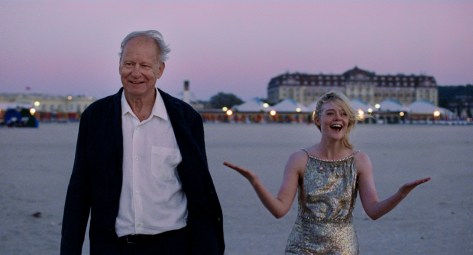
Joachim Trier’s previous film was one I respected more than I loved, but Sentimental Value brought me onboard through its thoughtful depiction of inherited trauma. The film works mostly as a character study of a difficult but celebrated filmmaker, who seeks to make amends to his children in the only way he knows: making art. That filmmaker is Gustav Borg, portrayed by Stellan Skarsgård, giving the best performance of his long career, as he manages to be both sympathetic and maddening. Trier reteams with Worst Person in the World breakout Renata Reinsve, who plays Gustav’s most combative daughter, whom he must convince to play the lead in his new film, and Inga Ibsdotter Lilleaas and Elle Fanning round out one of the year’s best ensembles with equally layered performances. Perhaps the magic trick of Sentimental Value is in how Trier lets the film breathe, giving necessary weight to Gustav’s past and present and exploring his family’s complicated dynamics. Indeed, Trier takes the good bones of a story that could easily play into naked sentimentality, but makes it feel personal and lived-in.
Twinless
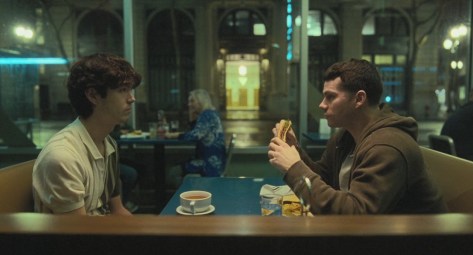
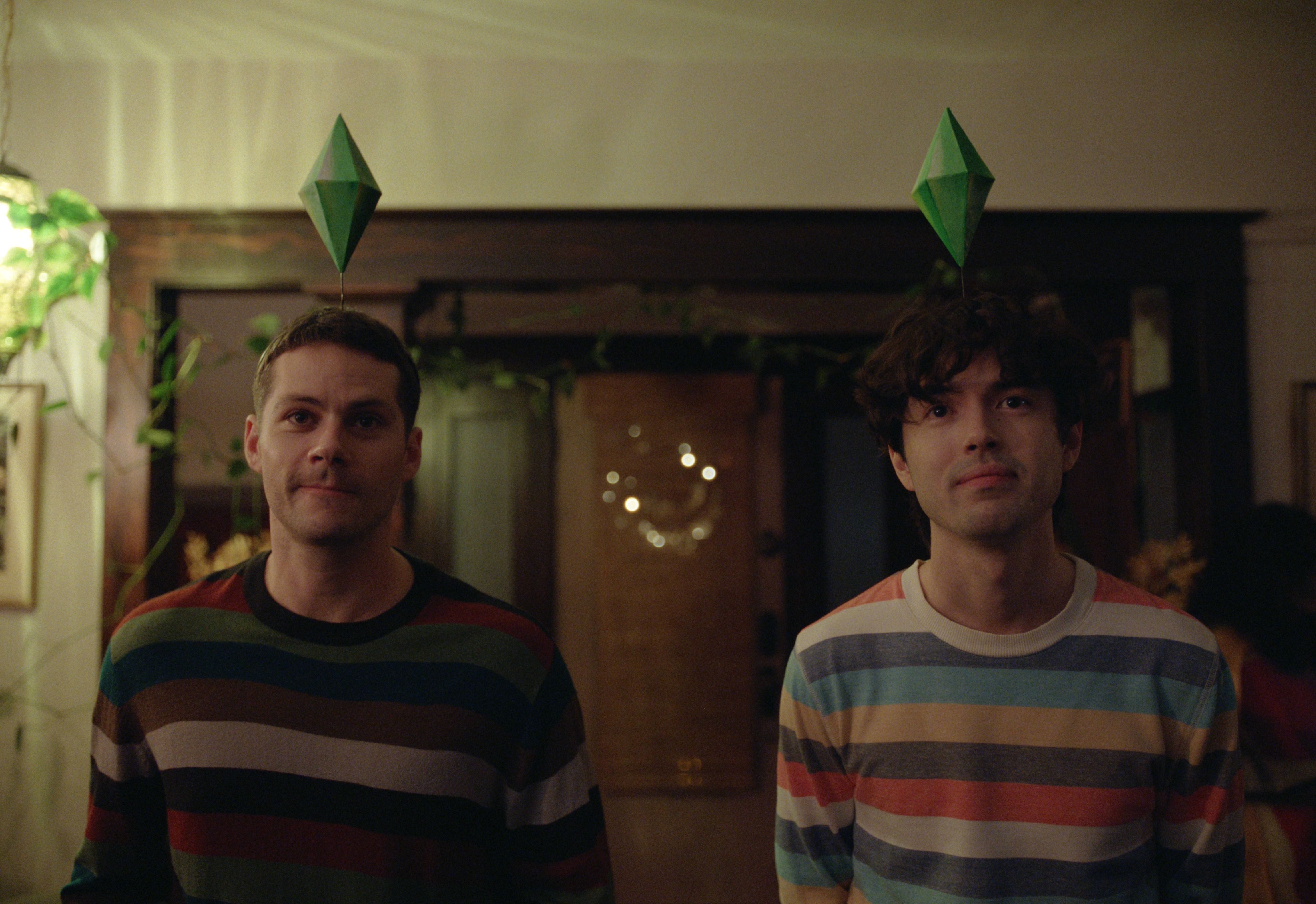
Grief can take so many different forms, but Twinless feels entirely unique thanks to writer/director/co-star James Sweeney. Rather than begin with a universal approach, Sweeney takes an incredibly specific gimmick and slowly morphs Twinless to become something more relatable. Simultaneously hilarious and dramatic, Sweeney finds the universal by exploring loneliness and our inherent desire for connectedness. In a year full of dual performances, Dylan O’Brian plumbs new emotional depths as both halves of twin siblings, even if one half’s screentime is significantly shorter. His mid-film monologue, where he lays out all his unspoken regrets towards his deceased brother, holds up as one of the standout scenes of the year. Sweeney’s performance also contains multitudes, but the screenplay explores the lengths people will go to find human connection, often through self-destructive methods. In a year when loneliness felt more and more pervasive, Twinless provided a welcome reminder that, no matter the circumstances, nobody is ever truly alone.
Movie of the Year: Train Dreams
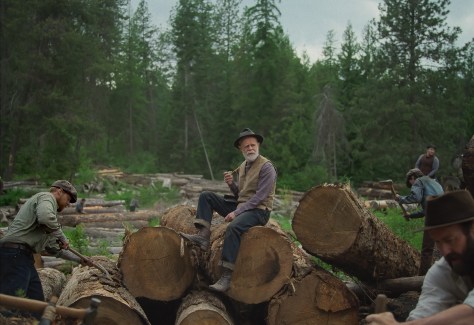
The passage of time has never felt as joyous and crushing as in Clint Bentley’s masterful Train Dreams. Whereas some saw a sentimental, Malickian pastiche, I saw a message about the value of living during our brief stay here on Earth. Bentley – working again with co-writer Greg Kwedar, and adapting Denis Johnson’s novella – filters all these heady ideas through Robert Grainier (Joel Edgerton, giving a magnificently understated performance), a logger in early 20th century Washington. I don’t know if I’ll ever be able to fully unpack what it was in that first viewing which caused the film to resonant so deeply with me, but I’ll never forget the feeling of walking out of the theater and seeing and feeling the world around me so differently. 2025 was a hard year for so many people’s mental health – myself included – which feels downright serendipitous for a film about the connected nature of all things. For many cinephiles, going to the theater can serve as a form of therapy. For me, Train Dreams worked as a potent reminder not just of the power of cinema, but of the greater purposes we all can find within ourselves and each other.
 The Movie State