Category Archives: Film Festivals

Indy Film Fest 2024: Interview with Last Days of Summer Writer/Director Alex Rodgers

Last Days of Summer

Below is my conversation with Alex Rodgers, the first-time director and writer of Last Days of Summer, a drama shot in and around Indianapolis. We discuss the state of the film industry in Indiana, the inspirations for the film, and learning experiences from making his first film. Our conversation has been edited and condensed for clarity.

Ben Sears: You’re an Indiana native and you’ve been working in and around the film scene for many years. How do you feel about the state of Hoosier filmmaking today?

Alex Rodgers: I would love to highlight the work that my colleagues Kurtis Bowersock, Zac Cooper, Victoria Britton, Zachariah Haske, and Matt McMahon are doing with A Few Friends. What they do is really cool for the narrative space. Zac’s feature It Happened One Weekend was a real inspiration point for our film. I think it really showed what the community can do when it comes together and works within the constraints of a small budget. Our biggest resources and strengths are our collaborations with each other and I think Indy is really good about showing up for its own. 

There’s also a lot of really interesting work being done in the documentary space by people like Will Wertz, Kolton Dallas, Hannah and Myers Lindgren. Seeing their work really inspired me to dip my toes into the short doc space going forward. A few other people whose work I admire are Jake Huber who continually raises the bar for music videos and spec pieces in the city. Matt Spear’s short film Love, Grandma was one of the most beautifully shot things I’ve seen come out of Indy and just an incredibly impressive narrative debut. I’ve also had the pleasure of being on set with Joe Frank, an incredible DP, cam-op, 1st AC, you name it. He’s the man. Nick Kartes is a gaffer who I got to be on set with once who is just a treasure trove of knowledge and skill. I could go on. All in all, Indy is filled with massively talented people who are producing work that inspires me on a daily basis. My relationships with the Few Friends crew in particular are what led me to be able to do this film at all. They were there every step of the way and just as responsible as I am for getting another narrative feature in the books for Indy. I hope that our community continues to collaborate, grow, and uplift each other while raising the bar for the level of work we are known for. Indy is a great film city. The rest of world just might not know it yet, but we do.

BS: You filmed most of Last Days of Summer in the Indy neighborhood of Woodruff Place. Was there any creative choice that went behind that, or was it more because of logistics?

AR: I lived in Woodruff Place for 4 out of the 10 years that I’ve lived in Indianapolis. It’s a beautiful neighborhood, it used to be its own town, it’s very historically preserved, so a lot of the houses are incredibly interesting and historical. So from an aesthetic standpoint, we couldn’t have picked a better spot. Kurtis, the cinematographer, has lived there with his family for I don’t know how many years, but he knows everybody in the neighborhood, so it was easy to secure the locations and film on the street. It was like we were filming in our neighborhood, so it never felt like we were trespassing in any way, or co-opting a space.

BS: You didn’t feel like you didn’t belong there.

AR: Yea, it felt like we were just making a movie in the neighborhood, and we got a lot of support from the people in the neighborhood. Everybody that we talked to about the project seemed excited by the idea of it. I think people who know of Woodruff, and live in Woodruff, are pretty passionate about it. It’s a real gem in Indy.

BS: Just from driving through the neighborhood, it seems kind of unique here in Indy. It’s a historic place, with really old, really beautiful homes. But there’s a newer vibe to it, without being gentrified, so there’s that extra juxtaposition that you get within the film, which you’d get if you’re in Indy.

AR: I grew up in a small town, and something about the suburbs of a small town was really interesting as a setting to me. And I feel like Woodruff supplied that. It matched the vision in my head. Plus, I was living in Woodruff when I was writing the film, so I kind of wrote with the idea of filming there.

BS: Your crowdfunding page states that you wanted Last Days of Summer to feel like a “love letter to the Midwest”. How did you envision that coming out in the film?

AR: I think, in the small town feel, and the sensibilities of the characters, especially the young characters. In Summer’s character, and Johnny’s character, there’s a sort of sense of something more being out there. Growing up in a small town, I relied on my imagination a lot, like wanting more from the world than you have on your plate. There’s something about that which was interesting to me, and the beauty and simplicity of a small town life. There’s something really nice about knowing all of your neighbors on a first-name basis, but there can be cons to that as well. I’ve always been interested in exploring that within small communities.

BS: There is that kind of feeling when you grow up so close to family and relatives. One of the biggest takeaways I had with the film was in the generational trauma, passing the mistakes of the adults down to the their kids. That’s something that’s kind of midwestern, but not exclusively so.

AR: Exactly. I think an example of that would be in Summer’s character, and her mom, Kim, has a really bad taste in men, and I think Summer kind of reflects that.

BS: When I was watching the film, it reminded me a lot of some of Sofia Coppola’s films. And you had listed on the crowdfunding page that The Virgin Suicides was an inspiration for the film. Would you say Sofia Coppola has been an influence for you?

AR: Absolutely. I think, especially her earlier work like The Virgin Suicides and Lost in Translation are some of my top films of all time. The Virgin Suicides was maybe the single biggest influence on this movie, out of any other film that we were influenced by. It influenced a lot of the creative decisions we made, from certain frames to the colors. The tonality of The Virgin Suicides, some of the storytelling techniques, like looking back on an event that had such an impact on some of these characters and this community, those were some things that I took in the writing process pretty early on. Initially, the narration was going to be from Ricky’s point of view, but that changed over the course of production.

BS: What made you want to shift the focus of that?

AR: I don’t remember what we came up against, but there was some limitation from Ricky’s point of view, so it didn’t make sense for him to have all of the information I wanted the narrator to communicate. So making the narrator omniscient, or making it someone from the neighborhood that’s telling it from a future perspective, after they have all the details, that made more sense from an informational standpoint.

BS: Much like The Virgin Suicides, adding the omniscient narrator, and looking back at something which is, in essence a tragedy. But there’s also something kind of beautiful about it all, and there’s that juxtaposition within Last Days of Summer.

AR: I think that film just has so many things I admire. I just rewatched it again recently. It’s so heavy, but it’s so good at communicating these feelings of love and yearning and being young, but feeling trapped. I was really drawn to how it was able to communicate those things. The parents’ relationship to the children in that movie is really fascinating. They love their children, and they’re trying to do right by them, but it leads to the worst outcome. I think there’s something really interesting about trying and failing within those relationships.

BS: Last Days of Summer is your first feature, and you’re working with a lot of newer and first-time actors. Did you learn anything about yourself while making this, or what to do/what not to do on future projects?

AR: The whole process was a lot of learning, and trying and failing on my end. This was my first time working with a team of this size, and being at the head of the ship. We were super blessed with who we got; I’m incredibly proud of the cast and the performances they gave.

My buddy Arman, who plays Johnny, we went to college together. We’ve been friends for 10 years now, and he’s been in anything I’ve made since then. He’s like the De Niro to my Scorsese, so I always write with him in mind, and his younger brother Refik has been getting into theater, and I was able to see a couple of his performances. So when I wrote the film, I wrote it with them in mind for the brothers. We used Backstage to cast a lot of the talent. That’s how we found Celina, who plays Summer, and Teresa, who plays her mom. We were able to find people who had more experience than what I was used to working with, so that was really cool to work with them and see their ideas and methods. With every actor, and every crew member, everyone’s got their own mode of thinking, and their approach, so a lot of the directing was communication and people management. Trying to figure out what the person needs from you to get to their best place. I don’t know if I have any specific takeaways, but I think it’s a case-by-case basis, and I think for us, the relationships were such a huge part of this movie. It was like a family dynamic; we shot almost every day for 20 days, so everyone got really close really quickly.

I wish we had more time for rehearsals, I think in the future, I’ll do more rehearsals, and a lot of the people I worked with on this liked that idea. So that’s one thing I’d be curious to do, trying to work out some of the kinks in a safer environment. It’s a high-wire act.

Last Days of Summer will premiere as the opening night film at Indy Film Fest on April 24 at 7:30pm at the Living Room Theater in Indianapolis. Buy tickets here. Alex Rodgers’ documentary short film Daniel will also screen at the festival and can be watched virtually and in-person. Buy tickets here.

HIFF 2023: Bloom, Hellcat, and Liminal: Indiana in the Anthropocene

Bloom

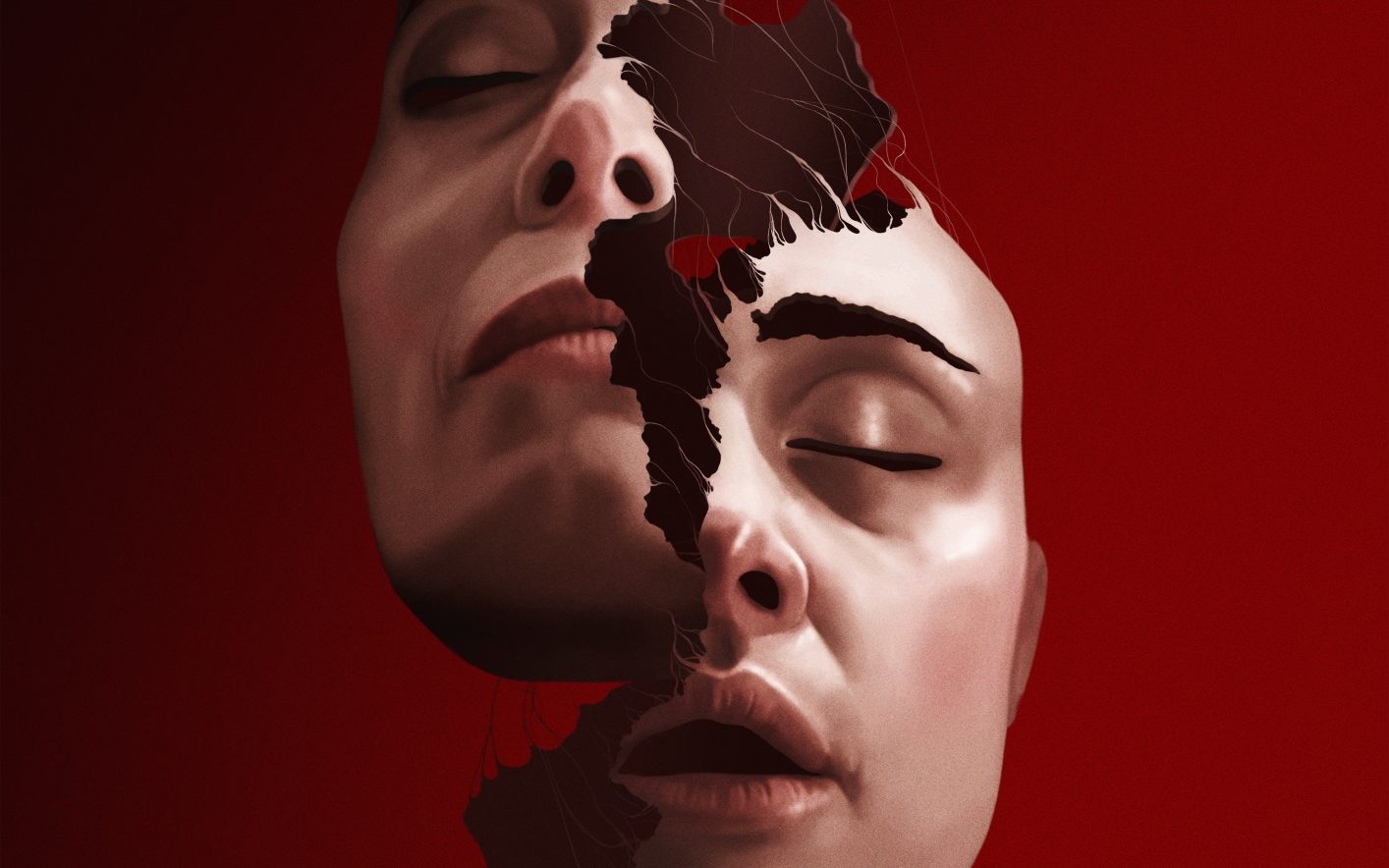
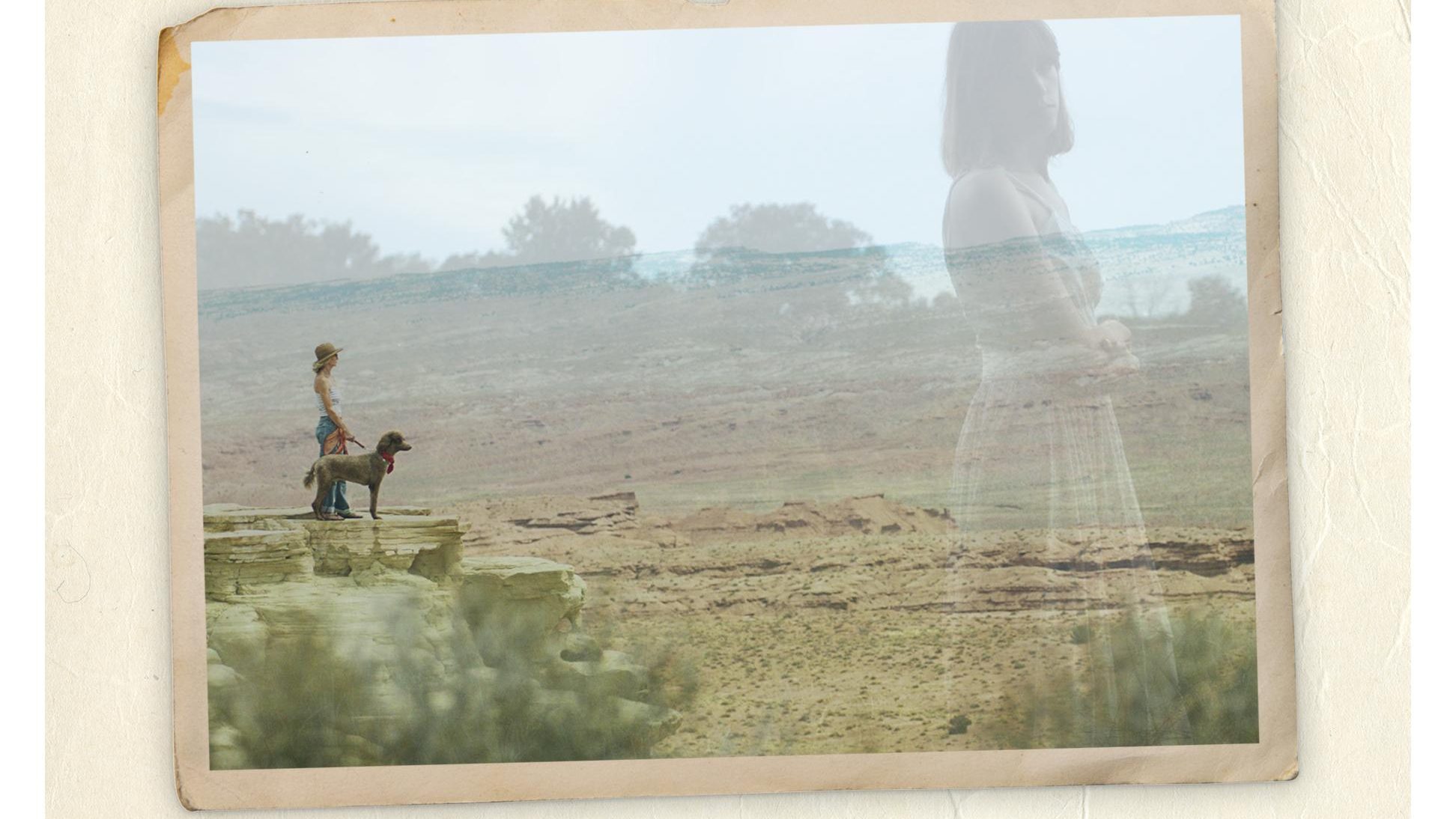
You could probably count the number of meaningful conversations had throughout the entirety of Bloom, on one hand, and that’s not a criticism. Writer and director Mark Totte structures the film as a kind of Malick-esque journey that places heavy emphasis on its visuals and the overall vibes in any given scene. Bloom tells the story of Kate (Kate Braun), a middle-aged grandmother in Milan, Indiana, and her inescapable desire to be free. On a whim, and without a word of warning to her husband, she sets out in her car with her dog Storm and heads west. When she talks to her son Brent, she lies by saying she’s stopped at his place in St. Louis (he’s out of town), and keeps on driving for a destination unknown. Along the way, we see flashbacks to her early, carefree days, touring the country in a van with her musician boyfriend/husband. Totte manages to effectively showcase the feelings at play in the present and past, but the film could have used a little extra narrative push to explain Kate’s sudden emotional turmoil. Still, Bloom doesn’t go for easy sentimentality in the way some micro-indies often do, and it’s all the better for it. In the few dialogue heavy scenes, the words come out naturally, without underlining the themes at play. This is a confident debut, featuring a solid performance from Braun, which will be well worth the price of admission.

Buy virtual and in-person tickets here.

Hellcat

You can never really go home again. That’s the enduring sentiment in Hellcat, the film from first-time writer-director Jack Lugar that explores one man’s long-simmering regrets, and how it’s manifested in those around him. Edward Paul Fry stars as Ricky Heller aka “Hellcat”, a musician who left his small town behind to make it big. When he returns back home, he has to come to grips with the life he left behind, and those he left in his wake. Why he forsook his hometown is best left unspoiled, but it touches on a man’s unspoken grief for lost love. The production quality won’t win any Oscars, but worse movies get made for more money every year, and it comes from a place of genuine emotion, which is what counts most at the end of the day.

Buy virtual and in-person tickets here.

Liminal: Indiana in the Anthropocene

When non-Hoosiers think of Indiana, they likely consider first the more notable aspects: the Indianapolis 500, our professional sports teams, and our often problematic politics. But what Liminal: Indiana in the Anthropocene explores are the more under-sung features. Entirely shot with drone footage and without any dialogue or talking points, it’s a documentary that forces you to consider newer perspectives on not just Indiana but our relationship with the land in general. The film is divided into various sections by the featured subject matter – one focuses on oil refineries, one focuses on transportation, one on farming, et cetera, and composer Nate Utesch’s score changes with each vignette. It’s a deceptively simple but effective concept for a documentary, and it shows outsiders and Hoosiers alike an idea of Indiana’s modern landscape.

Buy virtual and in-person tickets here

HIFF 2023: Late Bloomers, 7000 Miles, and New Life

Late Bloomers

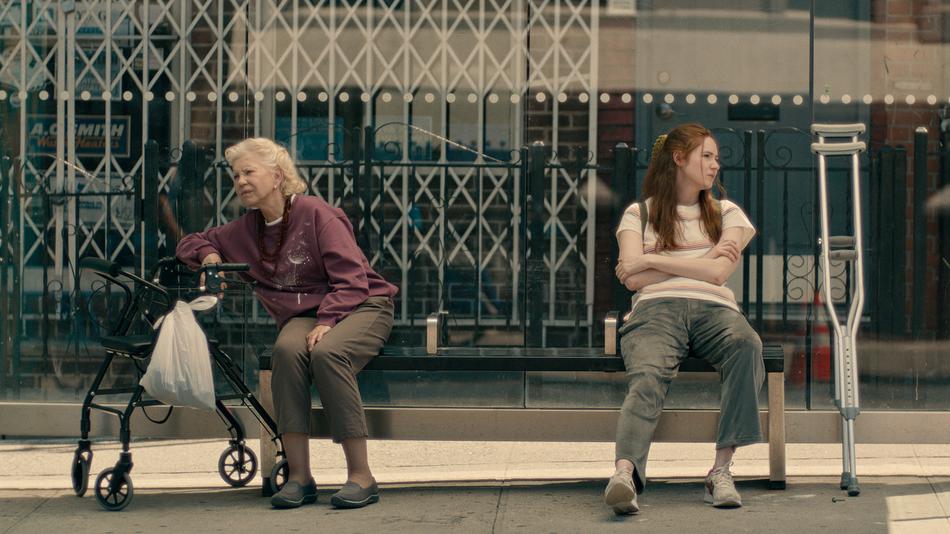
If you want a little star power in your Heartland experience, look no further than Late Bloomers, which stars the one and only Karen Gillan. She stars as Louise, an aimless 28-year old who breaks her hip after an ill-advised drunken trip to an ex’s house. In the hospital, she makes a connection with Antonina (Malgorzata Zajaczkowska), an elderly Polish woman who speaks no English. Their relationship stars off rocky but due to Louise’s perseverance, they strike up an unlikely bond. Gillan navigates Louise’s shifting tones throughout, from youthful naiveté to righteous indignation, and handling the comedic and dramatic beats. First-time director Lisa Steen, working from a script by Amy Greenfield, doesn’t tread new ground narratively speaking, but there’s a warmth to be felt within the film that carries it through. Music plays a big part in Louise and Antonina’s experiences, and the scenes where the characters simply let the music take over rank among the better of the film. I often found myself smiling during these moments, regardless of how predictable the film around it is.

Buy virtual tickets here.

7000 Miles

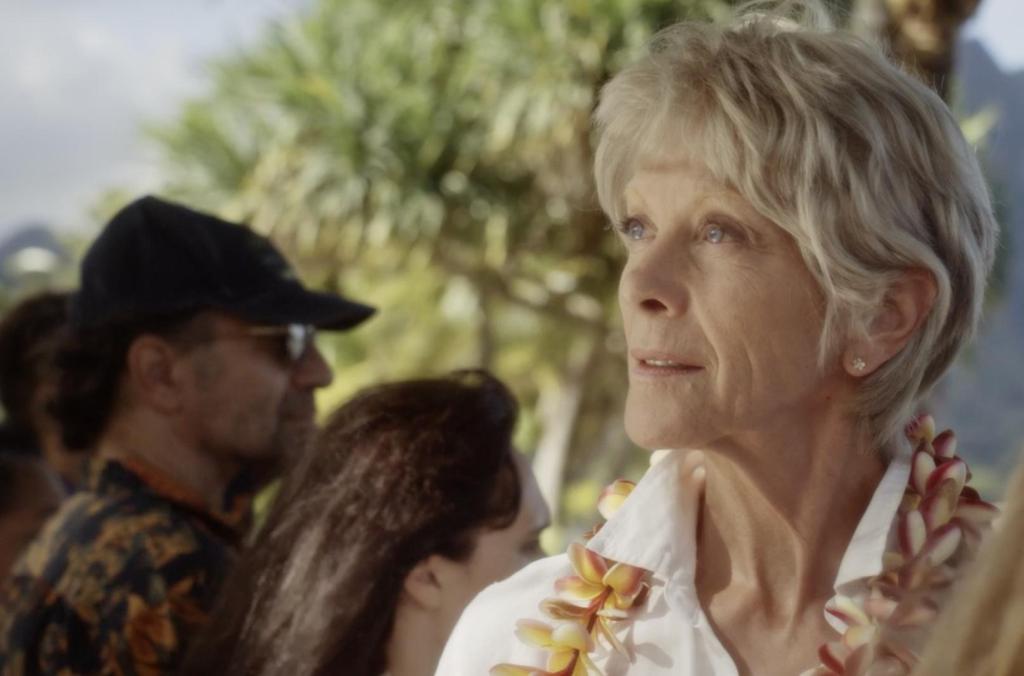
7000 Miles feels similar to Late Bloomers, in that it’s another story of generational understanding, but the former is less successful in execution than the latter. The film follows a young pilot named Jo (Alixzandra Dove) as she returns to her native Hawaii after the death of her grandfather. When her grandmother Meli (Wendie Malick), who essentially raised her, begins having memory issues, Jo begins to discover parts of Meli’s hidden past. Jo also begins reconnecting with a childhood crush who makes her realize she should fight harder to make her dreams a reality. It’s a film that shares a bit with Sweet Home Alabama but also includes a goofily sincere line like “She was the greatest hero of all time!” when referencing Amelia Earhart. Characters are broadly written without ever really investigating them below the surface, and the plot moves in predictable directions from the get-go. Malick and Dove perform amicably together and separately, but there’s a more introspective film to be made about regrets and grief than what’s on display in 7000 Miles. I’ve seen worse films from major film festivals, and that’s about the nicest thing I can muster to say.

Buy virtual tickets here.

New Life

Don’t go into New Life expecting a straight-up horror film. Rather, it plays more like an outbreak thriller for most of its runtime. Sure, there are some solid horror moments to be found, but first-time writer and director John Rosman prioritizes the story over the scares. The film follows a game of cat and mouse as Jessica (Hayley Erin) goes on the run through northern America, while Elsa (Sonya Walger), a government fixer, is tasked with bringing her in. What causes the chase is best left unsaid, but Rosman doesn’t overstuff the narrative with unnecessary details. And he throws in some neat visual tricks to liven up the spy chatter when Elsa is on the road. New Life doesn’t necessarily break the mold in the genre, but it shows that Rosman is a voice to look out for.

Buy virtual and in-person tickets here

HIFF 2023: Interview with Ramona at Midlife Writer/Director Brooke Berman

Ramona at Midlife

Below is my conversation with Brooke Berman, writer and director of Ramona at Midlife, ahead of its world premiere at the Heartland International Film Festival. We talk about female friendships, avoiding tropes of the genre, and the evolution of the film from Brooke’s mind to the screen. Our conversation has been edited and condensed for clarity.

Ben Sears: Before you made the film, you had written a number of plays. What was it about this story that you felt would be suitable for a movie?

Brooke Berman: That’s a great question. I had started writing movies earlier when I moved to LA in 2008. I went out there, and I had sold a play to a movie star, and I was getting these writer-for-hire jobs and really learning the form of screenwriting. I’ve always been in love with movie making, but what I realized as a screenwriter in LA is that the part of the process that really lights me up is watching the story move from the page to the actor’s bodies. As a playwright, the writer is involved in that process – we sit in the theater next to the director, and we’re included in all the decision making and all the conversations, and we get to watch the magic happen. And as a screenwriter, that isn’t true. When a screenwriter finishes a draft and they turn it in to their agent, or the studio, or whoever paid for the movie, the screenwriter’s work is then done. And the director takes over and makes the story happen, and I realized that I needed to be in on that. So I made a short while I was living in LA, to see if I had the chops to direct. When we had moved back to New York, I adapted one of my plays, Out of the Water, to film, thinking I was gonna make that for half a million dollars with my friends. I was in development with that movie, and the budget grew to just over a million, and I was in development for six years when the pandemic hit.

So at that point, I had already transferred my imagination from what can happen on the stage to what can happen on camera, and I was training myself to be the person that can direct that, and I had realized I had to do a different story. This story had been living in me for a while – I wrote it for Yvonne Woods, who plays Ramona. She was my classmate at Juilliard, and we were both living in LA at the same time. We had a bunch of conversations about life and love and success, and what it all means. So that character is someone I had been almost nourishing in the dark while I wrote this other story. I sat down and took a writing workshop as a student, and started on day one, and the character showed up. It was different than the story I had planned to write about her, but I wrote the first draft during those first few months between March and August of 2020. And then I just knew I had to make it. Because I had been in development with this other film, doing all the sort of conventional indie things, like attaching an executive producer and a star, and raising tons of money, I was like ‘well, we’re not going to do it that way. Let’s just do it small and simple with what we’ve got.’

BS: How was the story different from what you had planned out?

BB: In Los Angeles, the way that divorce laws work, if you’re a writer and you get divorced, your spouse is entitled to – I’m going to get this wrong, but I used to know it – it has to do with what your spouse is entitled to in compensation for royalties for the work you made during the marriage. It’s meant to protect the wife of the guy who wrote the big movie that made jillions of dollars, but I had a good friend of mine get divorced while I was there, and I was fascinated to learn that little quirk of California divorce law. So that went into the DNA of Ramona, and the first two scenes that came to my mind – one of which is in the movie, and one of which is not – is the scene with the three friends where she says “is this an intervention?” That scene came first. I knew that Ramona had this incredibly successful cohort that she used to be in charge of, and was now hiding from. In my original idea of the story, she was going to ask her friends for help and they didn’t know what to do with her. Also was the idea that she had stopped writing when she got divorced, and would do it out of spite because she was waiting for the time when her ex would no longer be entitled to royalties. Neither of those things really made it into the story; instead what happened when I started writing was that this Ramona was not divorced yet, she was yearning to get back together with her ex who she was still in love with, but she was really stubborn. But those were really the pieces that came first.

BS: You mentioned that you had written this specifically for Yvonne. What was it about her that made her the ideal fit for this part?

BB: Oh, I’m so inspired by Yvonne. Her and Rob Beitzel, who’s the actor that plays Mansbach, were in my final project at Juilliard. I’ve done so many plays with them both, and I always hear their voices in my head. I just love working with them so much, I work with the same actors again and again and again. Yvonne’s real-life husband Brian, who plays the hot dad on the playground, everybody says ‘why isn’t she with him? They have so much chemistry!’ And I say well, they’re married in real life, so actually she really is with him. Everyone in the cast is a friend, so it was really easy to hear those voices in my head. I love actors, and I also really particularly love the way that Yvonne – I know that a lot of the issues in the movie are very close to her heart and mine. So we had a lot of conversations during the development of the film about life and love and marriage and success and Patti Smith. My actors put so much of themselves into the movie, and into the roles.

BS: It feels like there aren’t many movies these days about women in their 30s or 40s, or that period of life, unless it’s something like 80 for Brady. How do you feel about the state of movies for that particular audience these days?

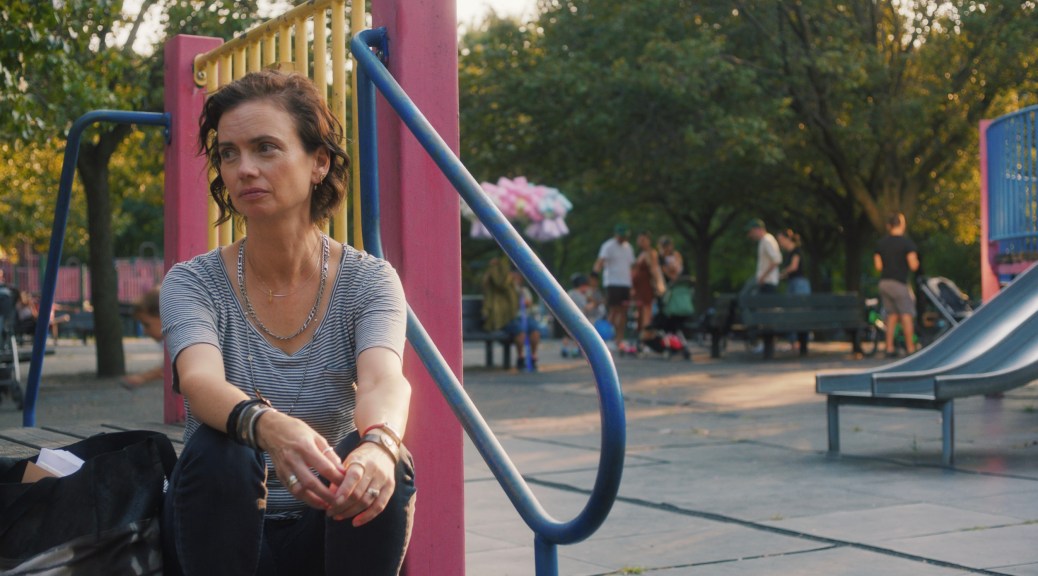
BB: I think we have these really pre-determined ideas about what happens at every decade of a person’s life. And I think that’s true across the genders, but it’s particularly true about women. We’re in a culture where young women start “anti-aging practices” at 28. When I lived in LA, I was shocked to learn they’re Botox-ing in their 20s preemptively, so there’s a terror around getting older, and I think it’s particularly tied to a fear of being obsolete, and a fear of no longer being beautiful, and a fear of no longer having power in the culture. Subsequently, you have a whole bunch of actresses who are terrified for anyone to find out how old they are. So we have no idea how old anybody actually is because you have movies about 40 year old’s being played by 60 year old’s, and the movies about 60 year old’s are being played by 80 year old’s, and everybody just wants to work, which is great – everybody should work. In my own life, I had a baby at 41, and I had two new mom friends was my age, and the other was 26, and we were going through the same thing. I spent my 40s sitting on the playground, like Ramona does, with the moms on the playground benches, just looking for common ground. It totally existed, but it blew my mind how every movie about women in their 40s were about empty-nest syndrome or 80 for Brady, or the movie where the rich ladies go to Sonoma and drink wine. None of that was my life! My life was, I had a job and I had a toddler, and I was at the playground and public school pickup. But I don’t look my age, whatever that means. My husband and I are both writers, we’re both self-employed. There weren’t movies that spoke to me. But I love Nicole Holofcener’s films, I think she really does a good job of addressing middle age for both genders. But most of our friends had our kids later, so I know a lot of people like me, but I don’t see us in the media.

BS: The movies that are in this genre, there’s a number of tropes and plot beats that you almost expect going into it. Ramona at Midlife mostly avoids those – were you cognizant of that when you were going into it, or were you just trying to make something honest without worrying about those plot beats?

BB: Number one, I was definitely trying to make something honest. But number two, which plot beats specifically?

BS: Usually the husband and wife are estranged, and there are whacky shenanigans that they’re involved, and whether they will or will not end up back together by the end of the film.

BB: It’s interesting, that part of the movie, I wish I had more time. We shot the movie in very few days, and I just didn’t have a lot of time with them. But I love that storyline so much because when I realized, when making it, the will-they-won’t-they isn’t really the biggest part of the story. It’s really about her reconciling with who she used to be and who she’s gonna be next. I think it’s so easy in midlife and in a committed relationship, to blame the other person for all of the choices you’ve made or all the things you have or have not become, and both of those spouses have to let the other one off the hook. And he really does it, so then we have to see her do it too. With a bigger budget and a big Hollywood studio behind it, it would’ve turned into a revenge comedy, where the point of the movie was to make that filmmaker eat his words and pay. And that was the least interesting part, for me, because I don’t think he’s the problem. For Ramona, the problem is the way she feels about herself, and if middle-aged women feel invisible, then my god, we have to see ourselves. And that’s what I wanted to explore. I wanted to explore her genuinely seeing herself and being ok with who she is. And that was my goal in the movie, so yes, I wanted to make something honest.

BS: The ending is purposefully ambiguous. Do you have any thoughts about what happens to Ramona after the movie ends?

BB: It’s so funny, my twelve year old son says, mom I don’t think there‘s a sequel. He said ‘I really like it, and I think there’s more to the story, but I don’t think there’s a sequel.’ You know, Ramona is able to make room for herself, so she does not go back to work at the animal shelter, she finds a job that uses her skills as a writer. She does reconcile with her spouse – he’s not going to move back in tomorrow, but they’re gonna patch up their marriage and be together. She does publish – Imani says to her in their scene, that she could write an essay exposing the whole thing. So she does do that, she says ‘in my next essay, where I thoroughly unpack showing up in some guy’s movie.’ She does write that essay, and she does start to put herself – I hate this phrase – but she puts herself out there as a writer, and she’s willing to take life on life’s terms.

BS: That’s all that you can ask for.

BB: I mean, right, what else is there?

BS: Whacky shenanigans abroad?

BB: [laughs] That’s right, she could marry Mr. Big in Paris. And who doesn’t want that? That was a really good episode! But you know what was really important to me, and I didn’t actually realize it until I wrote this movie, is I’m obsessed with female friendship. The more I worked on the movie, during production, and the edit, I could see how much the movie, for me, is about reconciling with old friends. I think the fact that Ramona goes back and says to those friends, sorry if I was a dick. That was really important.

BS: That’s another trope that this movie mostly avoids. Their whole friendship dynamic in other films would be much more heightened, especially the younger mom character.

BB: I love that character. I’ve never actually seen backstabbing in the way that Hollywood tells me to look out for. I’ve seen women who genuinely want the best for each other and struggle with their own shortcomings in the process. But I’ve never had a friend who was like, I really want you to fail.

Ramona at Midlife will have its world premiere at the 2023 Heartland International Film Festival on October 12. Buy virtual and in-person tickets here.

HIFF 2023: Perfect Days – Movie Review

Perfect Days

  • Director: Wim Wenders
  • Writer: Wim Wenders, Takuma Takasaki
  • Starring: Koji Yakusho, Tokio Emoto, Aoi Yamada, Arisa Nakano

Grade: B+

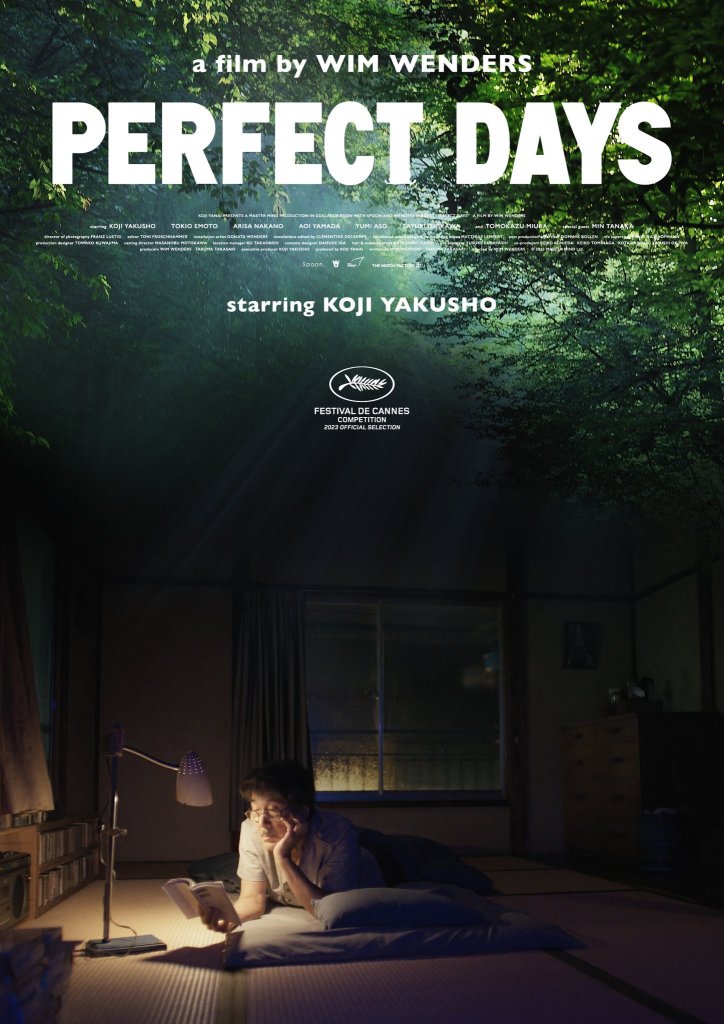
Hirayama can’t help but look up. When he steps out of his apartment, when he’s on his lunch break in the park, and at any other random moment throughout the day when something catches his fancy, he’s noticeably looking up. But why is he so compelled to look up? After all, he literally cleans toilets all day. The answer lies at the heart of Wim Wenders’s newest film Perfect Days, set in Japan despite the director’s German heritage.

Continue reading HIFF 2023: Perfect Days – Movie Review

HIFF 2023: The Taste of Things – Movie Review

The Taste of Things

  • Director: Trần Anh Hùng
  • Writer: Trần Anh Hùng
  • Starring: Juliette Binoche, Benoît Magimel, Galatea Bellugi

Grade: A-

Hear me out: The Taste of Things is a film that deserves to be seen in a crowded theater. Not because it’s a hysterical comedy like Bottoms – though it certainly has plenty of witty comedic moments – and not because it’s a film about finding community like Marcel the Shell With Shoes On. Actually, it is a communal experience in the way it elicits the rawest emotions from those that are drawn into its spell.

Continue reading HIFF 2023: The Taste of Things – Movie Review

HIFF 2023: The Promised Land – Movie Review

The Promised Land

  • Director: Nikolaj Arcel
  • Writer: Nikolaj Arcel, Anders Thomas Jensen
  • Starring: Mads Mikkelsen, Amanda Collin, Morten Hee Andersen, Simon Bennebjerg, Melina Hagberg, Kristine Kujath Thorp

Grade: B+

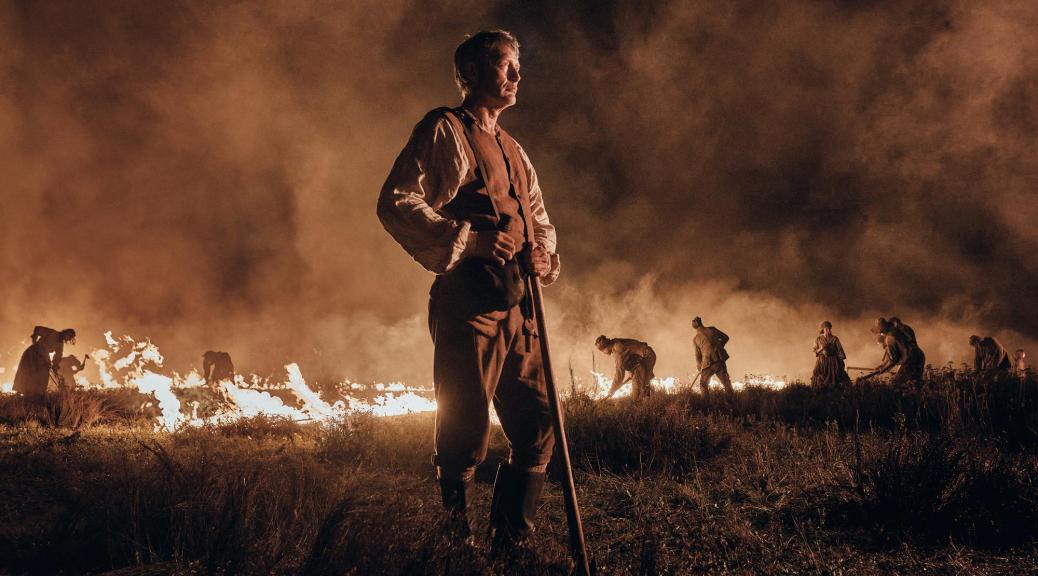
I was reminded early on in The Promised Land of There Will Be Blood, a similar film not only in sensibilities but in themes – a film that, in this reviewer’s opinion, ranks as one of the greatest ever made. Both films take place in the distant past. Both films concern rugged, dauntless men who seek to tame the wild country. Both films feature exquisite technical elements and impeccable acting across the board. But The Promised Land manages to differentiate itself to become its own statement before long.

Continue reading HIFF 2023: The Promised Land – Movie Review

HIFF 2023: Downwind, 26.2 to Life, and From This Small Place

Downwind

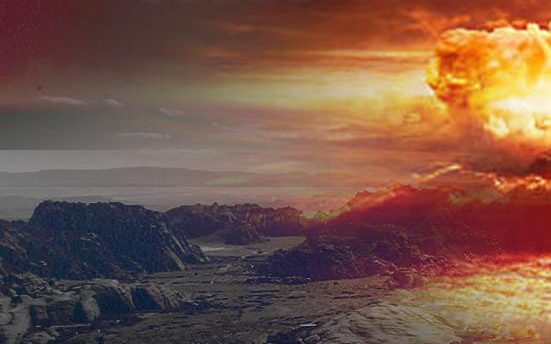
Shortly after the release of Oppenheimer this summer, there was a minor stir online about the real-life dangers faced by many Native Americans in the wake of the Trinity test at Los Alamos. Adding to that discussion is the righteously angry documentary Downwind, which focuses on the countless lives that were negatively affected by the US government’s testing of nuclear weapons from 1951 to 1992 in Nevada and Utah. Directors Mark Shapiro and Douglas Brian Miller mine genuine heartbreak and pathos through their interviews with Native American leaders, everyday people that were affected first- and second-hand through radiation sickness and also, uh, Lewis Black. What follows is a mostly comprehensive accounting of the history of the tests, and how their existence was not swept under the rug, but was downplayed in their long-term dangers. The film doesn’t necessarily need any dissenting opinions but it’s what keeps Downwind from being great. Perhaps, at the least, the filmmakers could have included the perspective of someone that worked on the projects, regardless of how supportive they are.

Buy virtual and in-person tickets here.

26.2 to Life

Inspirational sports documentaries are a dime a dozen, but there’s something endearing about the uphill battle on display in 26.2 to Life. Running a marathon is the hardest thing I’ve ever done, physically and mentally, and I did so without the restrictions of the subjects in director Christine Yoo’s debut feature. Nevertheless, the inmates at San Quentin state prison started a running club, with help from outside coaches, volunteering their time regularly to help the men succeed. Throughout the film, we get to know the men at the center of the club, most incarcerated for murder or similarly serious offenses. But they’re determined to improve their lives, and the running club gives them an outlet for success, including one inmate who aims to qualify for the Boston Marathon (trust me, it’s not easy, even for a marathon veteran). The film generally stays the course when it comes to the genre, but Yoo’s access to her subjects is no less impressive. There’s no shortage of emotionally rich stories to be found within the walls of a prison, and 26.2 to Life provides enough life-affirming narratives to make for an engrossing documentary.

Buy virtual and in-person tickets here.

From This Small Place

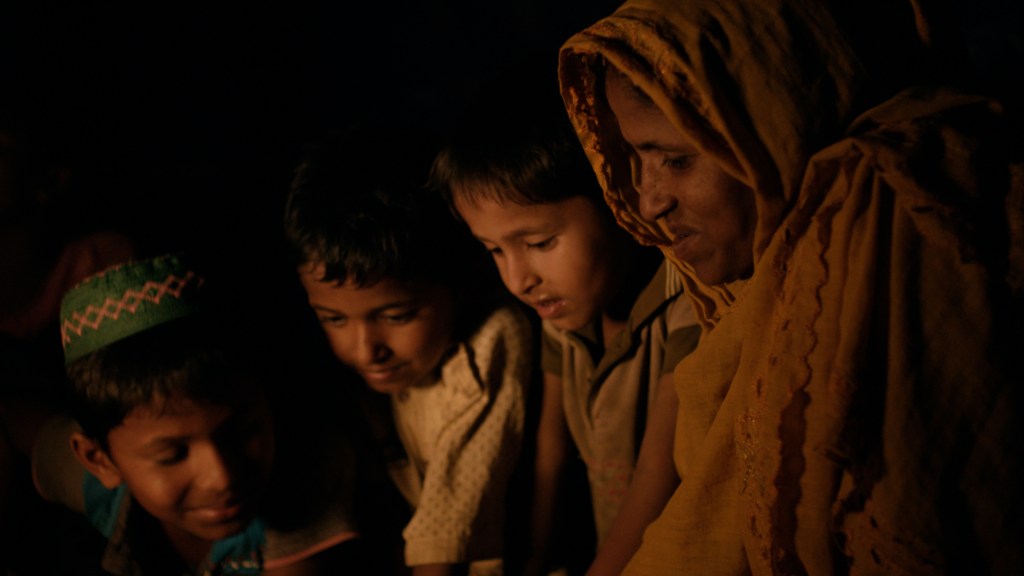
With documentaries, less is more. As in, the less information the filmmakers feed to the audience, the more we’ll be able to infer. Case in point: the devastatingly beautiful From This Small Place, a film with sparse dialogue but an abundance of heart. The film follows a family of Rohingya refugees as they settle in their new lives in a Bangladeshi camp. Director Taimi Arvidson smartly juxtaposes the kids’ carefree days spent playing and exploring with the adults’ worries about the basic necessities of life, all without narration, letting the images speak for themselves. It’s a documentary that manages to be poignant and fulfilling, without being overly sentimental. And at only 77 minutes, it says what it needs to say without wearing out its welcome.

Buy virtual and in-person tickets here

HIFF 2023: Interview with Cast and Crew of To Fall in Love

To Fall in Love

Below is my conversation with the cast and crew of To Fall in Love, which includes director Michael Foster, writer Jennifer Lane, and actors Eric Cassalini and Beth Gallagher, ahead of its world premiere at the Heartland International Film Festival. We talk about adapting the original play into a film, the challenges of filming extensive dialogue, and Beth & Eric’s ability to channel their characters’ grief. Our conversation has been edited and condensed for clarity.

Ben Sears: You all have some familiarity with each other from working on different projects together. Did that familiarity and chemistry help out with any part of the process?

Beth Gallagher: It certainly helped with trust, like artistic trust. Michael, had we worked together before?

Michael Foster: Yes, we worked on the trailer, we worked on the first iteration, and that was pretty much it.

BG: Jenny and Eric and I had worked worked on the play together, Eric and I had worked on other plays together. Michael and I had worked on the trailer for the play, and a first iteration of the film together, so there wasn’t any – for me – any feeling of ‘oh, is this person going to get my work?’ It just kind of happened nicely, and I don’t have anything to compare it to, but it felt great.

Eric Cassalini: Yea, I would make the similar statement that the issue of whether we were going to accomplish our goals or not was nothing that ever got in the way of production.

BS: It’s always easier to work with people you know than someone you’re just meeting for the first time.

MF: From my point of view, working with the people in this room, was definitely not an issue, especially with Beth and Eric. A lot of the takes, I could just let them go, knowing that they had done the play and the previous movie, and they knew their lines and their characters. But I haven’t even thought about this until now, but I had never worked with the crew before. We only shot for 5 days, but it took me a couple of days to learn how to communicate with them. I’m kind of having some PTSD right now [laughs] because the first day was not easy. There was definitely some communication issues happening, like wrong lenses being rented, the wrong camera was rented; there were some things going on. Then I found out the crew was really loyal to the DP [], and so they weren’t really going to take my direction without going through her, so there were some weird things going on that first day, but I think by the second or third day we got things figured out.

BG: Well as a producer, I would have loved to help, but as an actor, I’m so glad that Michael had the capacity to keep that from us.

MF: Beth needed to focus on the acting, which is where I needed her. But it was not ideal for her to be producing while acting.

BG: Well I think you did a great job of allowing us to separate those two because you can’t be speaking up about the wrong lens during the take.

MF: [Laughs] You guys don’t even know about half the behind the scenes stories.

BS: You had mentioned the play a little bit. Jenny, at what point did you decide to adapt your play into a film?

Jennifer Lane: That’s a great question, I think it was Michael’s idea, at least initially. He heard a reading and then was like ‘this could be a movie.’

MF: It was actually the second reading, the first reading really, really moved me. But there was something about the second reading when Jenny had revised it a little bit – and I think it had to do with Eric and Beth being more into character. I don’t know what happened, but all I know is that by halfway through the second reading, I had visuals in my head and I was thinking of Before Sunrise, and that trilogy, and I think after the reading I was moved, and said ‘this should be a movie,’ and then we all got excited.

JL: That’s exactly what happened, and at that point, do you guys remember how far into development we were?

EC: I don’t think we were that far at all. We only did five rehearsals before the first performance, which is insane. It was well before we actually mounted it the first time, which was at the 2017 San Diego Fringe Festival. Michael had already expressed his interest, and we were like, ‘yea, let’s figure out how to get this thing done.’ It all kind of bubbled up together once we started working on a production. Jenny brought it to me a year before.

JL: That’s another interesting tidbit, I had written the part of Wyatt for Eric. We had been working on a different play a year before, and as I was working on this play, it was his voice in my head as I was creating it. He was the first person I showed it to.

EC: Yea, and then we had built it into the Fringe for the following season, and then it just started gathering. Michael was the only filmmaker that I was psyched to be working with at the time. There was only one other person I had worked with before him, and they weren’t really making films at that point anyway. His interest made it such an obvious thing.

BS: It sounds like most of you have a mostly theatre-based background. Was it difficult at all to make that transition to film?

BG: For me, it was not difficult because the way we did the play at Fringe was in small rooms, and then we did it site-specific twice. That is so close to on-camera acting. What was different, and is always different about film, is filming out of sequence. But Michael allowed us to go back as far as we wanted, sometimes, I want to say, about 10 minutes, and ramp up into the scene that he was actually trying to capture. That made a world of difference. I think that’s why the performances are decent because he didn’t just make us go. All of that made it not difficult for me.

EC: I agree, it really, as far as the aesthetic, it didn’t feel very different. In part because we had done it as a site-specific play a couple times, so the reality of it was very much baked into our process of learning it as actors. Yes, it was in a different location, but it was still a house. We didn’t have to imagine being in a different space. All of that leant itself to being able to transition our experience into a different location. There are moments on stage, even in a close setting, when I personally feel like I need to project more in the moment. So the process of switching over to a film leant itself to the intimacy of the story.

BG: It’s like doing a site-specific show, but the audience is holding a boom mic.

EC: Or like one of those satellite dishes, from the football field.

BS: Michael, the technique that Beth had mentioned of performing a scene before what you’re actually filming – how did you get to that process?

MF: I don’t think I came up with that, I think Beth and Eric did. One of our earliest takes, one of them said ‘can we start earlier?’ And I was like, sure, we’re not shooting on film, so the only thing we’re dealing with is time. We had plenty of time on each day, but it was never a problem. Since we were doing long takes, it just made sense to me that since we’re doing these long takes, that they’d be able to ramp into it. My personal feeling is that the actors are the ones on camera, and they’re the ones that people are watching, so I was more than happy to go with whatever process they wanted to go with.

BS: This is a film that’s almost exclusively dialogue. Were there any specific challenges to filming so much dialogue and still making it dynamic?

MF: The biggest challenge was the technical part of it. Once we worked with Eric and Beth, blocking the scene how we wanted, that was the easy part. The hard part was figuring out where the camera and the crew were gonna be. Because the camera was kind of floating or moving in some scenes, so the hardest part was getting all of that worked out. We didn’t do that many takes per scene, but when we did have to do a second or third take, usually it was for a technical reason, like something going out of focus for too long. And I’m ok with those things, but it was always technical, it was never performance related.

JL: I think I was more sensitive to that in some ways, just because I really wanted it to not feel like we were just filming a play, and I don’t have as much experience in screenwriting as I do in playwriting. So I was like, ok, does it feel too stagnant? Where can we cut back on dialogue just a little, and let it just be a physical reaction or something. I was very sensitive to it, maybe I worried too much about it. But I was very cognizant of the fact that this needed to be different in some meaningful way.

EC: And the rest of us were like, ‘put in a transition! We want more dialogue!’ Because dialogue is so fun, and that actually happens multiple times.

BG: In the pre-production process we did go from one location to five, and that came from a combination of Michael and Jenny saying what’s realistic and dynamic enough. Michael also edited the film, and that’s a huge part of what makes it dynamic.

EC: In fact, there was a process there, with the opening sequence. You did it one way, and made some changes to make it more dynamic.

MF: My original intention was to shoot it wide-screen, almost like looking at it straight on, as if it were on a stage but on the real world. That was kind of the original idea behind it, and I shot the opening scene in a master, but we did a lot of coverage. But in the editing process, I thought I would stick to my original idea, which was to let it play out in one long take. And we screened it for friends, and nobody liked it, so I had to go back and edit it like a movie, with all the different cuts and cutting back and forth to reactions. After I did that, I haven’t had a single person say that it doesn’t work.

BS: There are so many movies that are play adaptations, and it’s a common technique to throw in a flashback or something to expand the world that can’t be done on stage. Was there ever a moment when you considered doing that?

JL: I think that I probably wanted to go overboard on stuff like that, and Michael was the one to reign me in. Like I said, I was just very sensitive to the fact that it was a play, and I didn’t want it to feel sluggish. I was very concerned about that, and fortunately he talked some sense into me. So the only time we use any sort of flashback is to great effect.

MF: I just felt that if you peppered in some flashbacks, the ending would have less impact. It’s like not showing the shark, so when you finally see the shark, it’s more impactful. I felt like the audience had gotten used to seeing everything in real time, and then all of a sudden they’re seeing a different type of imagery, then it would be a little more impactful.

BS: Beth and Eric, was it difficult at all to tap into this very specific type of grief that your characters have experienced?

BG: Yes, difficult to know that it’s authentic to someone that has actually experienced it. But no, not difficult to authentically feel grief or sadness or pain or love. To me, the greatest compliment is when someone sees it and says ‘I lost my child, and you portrayed what I experienced authentically.’ I also will never stop saying ‘oh, that’s how I should have said that line.’ It’s never done right, you never get it exactly perfect.

JL: To their credit, I’ve seen them do this many times, and it feels fresh and authentic every single time I see them do it. Whether it’s the film, or a million different versions of the play. I wrote it, and I’m like ‘oh, this is really exciting to watch!’ Because they’re incredible to watch every single time.

EC: I’m the lucky one in this story, because my grief is sitting in front of my the whole time. So all I have to do is rely on my training as an actor to put all my attention on my partner, and get stuff from her, and try to do stuff to her. Part of the reason it ends up fresh is because we’re both really in a moment together when things are working. We’re just following each other’s lead. It’s not so much about what we say as it is how we say it. For my part, it wasn’t so much about the loss of my son. Nobody can play more than one thing at a time because nobody does that in real life. It’s like, you don’t understand, that’s what happens in reality. So I didn’t have to think so much about Jake, except in the moments when we’re talking about him, and then it’s just a matter of connecting to loss. And then it doesn’t really matter what kind of loss you’ve experienced in your life, as long as you know the level of loss. That’s like a 10, so I just had to go find in my imagination, the places where I could connect to that, and then just talk to her. It is a challenge, but it’s a challenge that I’ve been working on building as a craft for 10 years. I’m lucky to have a partner with Beth; she made it really easy.

To Fall in Love will have its world premiere at the 2023 Heartland International Film Festival on October 7. Buy virtual and in-person tickets here.

HIFF 2023: Interview with Greener Pastures Director Sam Mirpoorian

Greener Pastures

Below is my conversation with Sam Mirpoorian, the director of Greener Pastures, a documentary feature being screened at this year’s Heartland International Film Festival. We talk about Sam’s connection to the subject matter, finding trust in the film’s subjects, and the length of the film’s shoot, among other things. Our conversation has been edited and condensed for clarity.

Ben Sears: What was the process like of finding the subjects of the film?

Sam Mirpoorian: It started in the spring of 2018 after doing discovery and speaking to well over 100 farmers over a 6 or 7 month period. I just identified farmers that had some kind of direct or indirect correlation to suicide, whether they had suicide ideation or a suicide attempt themselves, or a family member had died by suicide. That’s kind of the genesis of the film started, and from there, it kind of just happened very serendipitously where Jeff was featured in an HBO & Vice piece on farmers and mental health in August. I reached out to him on Facebook. It was a shot in the dark, I didn’t think he would get back to me, but he responded 10 minutes later, and I was out filming with him in October. And then I went to a couple farmers’ union events in Indiana, and I pitched the story to some folks there, and they mentioned Chris Peterson. Chris was a former Iowa President of the farmers union, he’s a board member, he’s kind of like the Godfather of agriculture of the Midwest. You see in the film where a lot of Democratic candidates – Barack Obama, the Clinton’s, Jon Edwards, Al Gore – they would always come and seek his endorsement because they’d always want to start off the Iowa caucus in the right direction. So while I was filming with Chris, he didn’t know who Jay was, but he sent me an article to a Modern Farmer magazine article that was about Jay. From there, I reached out to Jay on Facebook, and he responded. Juliette, I had reached out a couple times on a dairy farmers group on Facebook. She had gotten back to me after a friend had died by suicide.

BS: I imagine you’ve got to have a lot of patience, having to weave through so many potential candidates until you finally find the right one.

SM: Well, you see how Becky is like a main character in the film – she didn’t become a thought in my mind until, like, a year and a half into filming. So that’s one of the examples of being patient and following the story, seeing what naturally and organically unfolds. It worked out really well, and this was a perfect situation where the passing of the torch, and this multi-generational look at how a parent can pass down the legacy to their child. I thought she depicted that really well.

BS: So did you have any interest in farming before you started this?

SM: I had no interest in farming, I had no idea, no relatives that were farmers. I’m Iranian-American, so my culture has always been around going to college and getting your degree, and sticking to something practical. Never thought about filmmaking, never thought about farming, never thought about any of these things. And then my mentor, Andrew Cohn, who did Medora and Night School, was helping me with some projects and pushing me in the right direction, and he told me to make a feature, and I can get you funding for it. So he introduced me to the Catapult Film Fund in San Francisco. I received a $20,000 development grant to start developing the project and the story. So Andrew was really instrumental in helping me get in the mindset of a feature because I didn’t really know what to do.

But I heard an NPR story based on CDC statistics that farmers and agriculture workers have the highest rate of suicide among any profession in the US. My buddy Adam, who’s also a cinematographer on the film with me, mentioned the same concept and story from a guy that he was working in a warehouse with. So it all just started as an idea, and then Andrew gave me some inspiration and motivation to turn it into something, and I did the legwork and research.

BS: How long did the research portion of it take?

SM: Well, the concept of development is kind of like the bridge between research and production. Research and development started roughly around March of 2018 and it went all the way until 2019, while still shooting and moving the needle forward.

BS: Did you always plan on shooting for so long?

SM: No, Covid played a really big role. We were looking to wrap shooting in 2020 because of the election, and Becky was the arc. We shot in 2021 and 2022, and it just helped to put a bow tie on the end of the film. But the climactic moment is the election in 2020, and then the wrap-up and the aftermath was in 2021 and 2022. I was 24 at the time when I started it, and I’m 30 now, so I never anticipated or imagined the film being as longitudinal as it was.

BS: Did you ever think about cutting it short, or thinking you had enough already when the pandemic started?

SM: That’s a great question because it was my debut feature, and first time editing something like this. I had no idea how to go about it, so I edited the film and we got rejected at every single festival. We thought we were there, and we absolutely weren’t. We brought in another editor, she worked on it for another 9 months, really left no stone unturned, and that’s when we were able to identify extra things that we needed to go get, like extra sound bites, and things to fill in the gaps and the holes. So it was a really thorough process about understanding story and the timeline and the process of where we are, thinking we were done and we’re absolutely not. That happens a lot with features, and this was no exception.

BS: I imagine that when you’re in the thick of it, you don’t have as clear of a sense of what the narrative of the film is going to look like.

SM: No, you have no idea. I think you go into it with the hopes that it’s going to develop the way you envision it, but almost every single time, it evolves and morphs and shapes into something you wouldn’t even imagine. You have to craft it as best as you can because that’s how you get money and funding. A few weeks ago, I was looking at some of the older decks that I wrote, and the only thing that was the same was Jeff. Chris and Becky weren’t on there, Jay wasn’t on there, Juliette wasn’t on there – it changed entirely. I thought that was really funny, and it makes a lot of sense because that’s just how it works. But obviously the construct and the foundation was there of mental health, globalization, mechanization, and climate change.

BS: Did you set out wanting to make a statement with this, or did just want to tell the stories of these peoples lives, and then the statement kind of makes itself?

SM: One thing that Andrew taught me is that information overload, to a certain extent, can get boring and overwhelming as a viewer. You can make these informational documentaries that have talking heads, or you can do these character studies, and that was the thing I was most attracted to. When you do talking head and informational pieces, you don’t have to build trust. You just pop in, shoot what you get, and you get out. There was a huge sense of pride, and love and respect about the process of getting them to trust you, and letting you into their home. That’s something earned and not given, and I think that’s why I really wanted to tell this film in the most humanistic way as possible. Those bigger, day-to-day issues, they easily presented themselves. It came so naturally, and we didn’t have to worry about it.

BS: Was it hard for your subjects to trust you to the extent that they did?

SM: Some were harder than others. I would say Jay and Juliette were the easiest. They were very trusty, and they gave us access to everything. Chris and Becky got to that point, but it probably took a year or two. Jeff had boundaries – every now and then I’d flirt with him, I’d cross over, and he’d get really upset, but ultimately he’s really happy with the film. The biggest thing with the film, is that you can see everyone’s family except Jeff. He had boundaries, and we respected that, but obviously as a filmmaker, you want to get access to every single nook and cranny of someone’s life. I think it worked out well though. Who’s to say if it would have worked out better or worse if we did or didn’t have more access?

BS: Do you still keep in touch with everyone?

SM: Yea, they’ve all been to at least one festival screening except Juliette because we just haven’t been in Kansas. I talk to them probably a couple times a week on Facebook. They’re all very responsive, and they’re all really happy to see the updates – every time I share something on Facebook, they like it or they love it. They’re really proud of it.

BS: All of the subjects are in the Midwest. Did you seek to stick to the Midwest, or did you want to go nationwide at any point?

SM: That was something we had, not necessarily fears, but concerns about how it would be received. I think, initially, I just tried to do whatever I could possibly do with the largest reach when I didn’t have any money. I said ok, I can drive to this state, then this state and this state, and I know that going to dairy farms in upstate New York or Vermont, or Georgia, it would have been more expensive and less tangible. Adam has family in Chicago, and I would stay with them for an extended period of time and bounce between Wisconsin, Iowa, and Minnesota. It’s like a perfect halfway spot, so logistically it just made the most sense. But we definitely thought about trying to extend the story, but we just found a good patch of people to follow here.

BS: Maybe that’s what the sequel can be.

SM: [laughs] Yea, before the film, I never really thought about how important soil health is, or how important farmers are. Without them, we’re not eating. It’s as simple as that, but it’s very complex as well with policy, and the weather, I just have a strong appreciation for it now.

BS: A lot of people have a kind of preconceived, simplified notion of farmers and who they are and what they want.

SM: People don’t really understand how brilliant they are, too. They’re biologists, they’re engineers, they’re chemists.

BS: It’s more than just planting seeds in the ground.

SM: Right. Equipment breaks down every hour, on the hour. They can’t wait for a John Deere representative to come out on Monday if something breaks down on Friday. They have to figure it out then and there, and I got to see that several times. It just gives you a new appreciation as far as how great they are.

Greener Pastures will screen as part of the 2023 Heartland International Film Festival. Buy virtual and in-person tickets here.