Women Talking may be the simplest film of the year in terms of its concept, but it undoubtedly one of the most complex of the year, and it’s that conflicting push-pull that makes it one of the best of the year. Its simplicity lies in its setup: it takes place mostly over the course of a day or two, in and around a barn. But where it shows its complexity is in the discussions its characters have, the fascinating way its characters are written, and the conversations it will surely elicit after the credits roll.
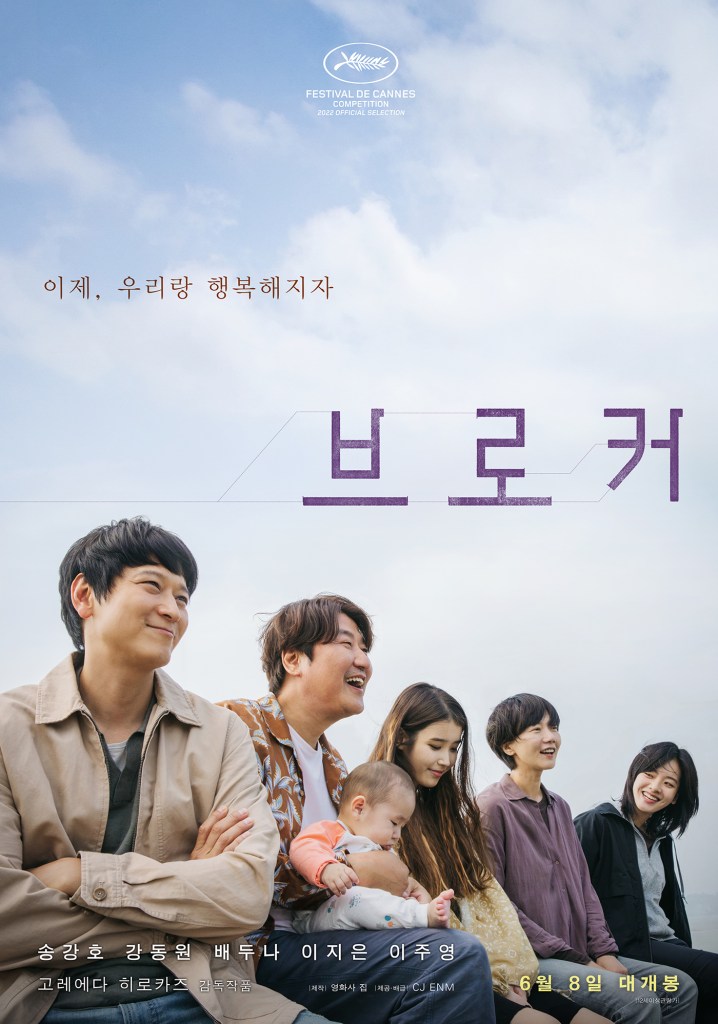
Starring: Song Kang-ho, Gang Dong-won, Lee Ji-eun, Lee Joo-young, Bae Doona, Im Seung-soo
Grade: B+
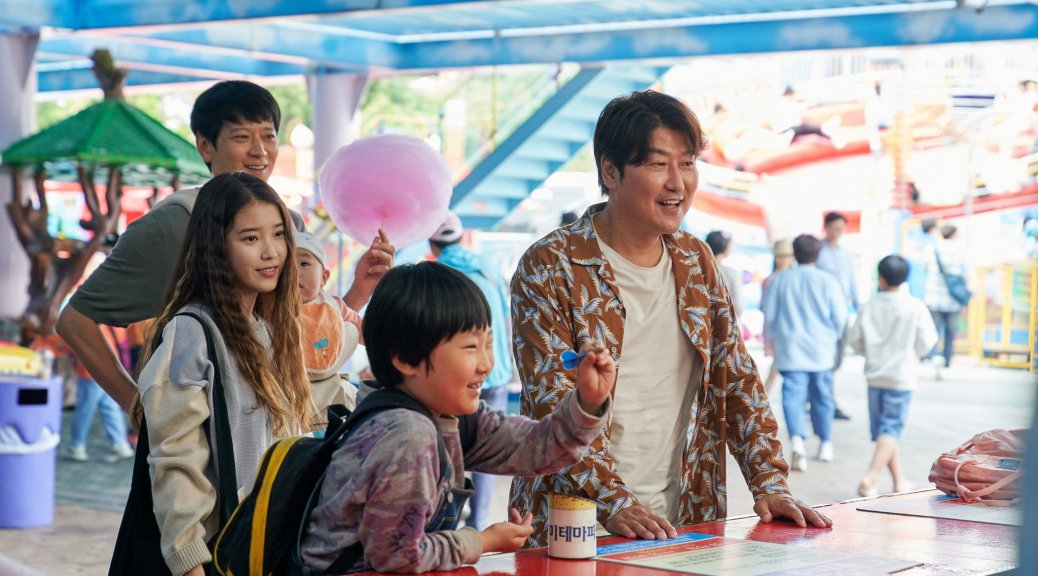
They say that you never truly know what love feels like until you’ve had a child, so what happens when you have a child that you don’t love? This is the central question to Hirokazu Kore-eda’s Broker, the Japanese auteur’s first film set in Korea, which still manages to feel of a whole with his filmography at large.
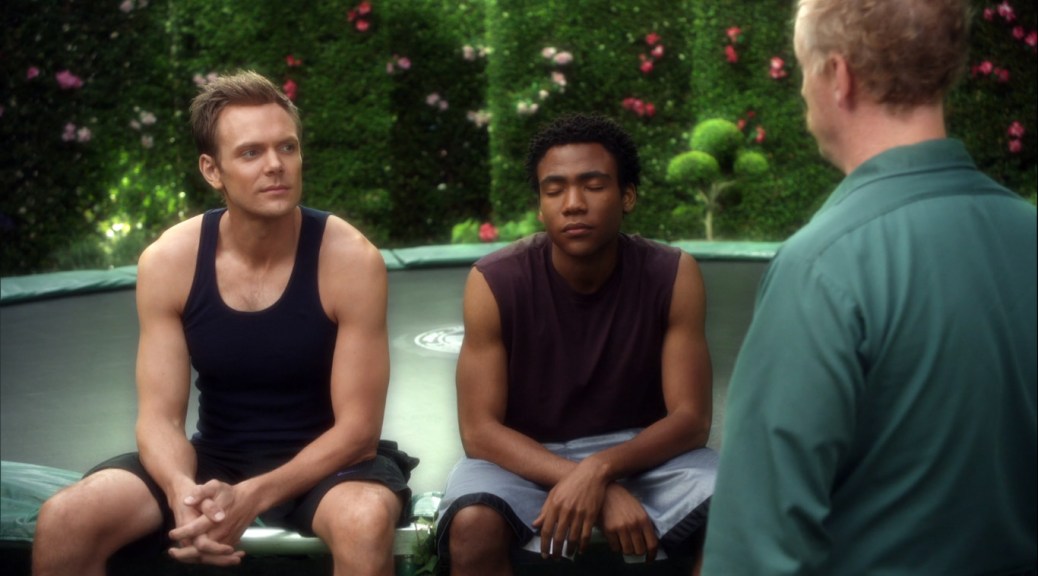
Maybe it’s by absolute coincidence, but I’ve enjoyed how each of these entries has given us a little of everything that Community did so well. First, you have the completely original offerings in Aerodynamics of Gender, followed by the goofball earnestness of the conspiracy thriller spoof in Cooperative Calligraphy. Both episodes really bring into focus that season two won’t exactly have an overarching plot to speak of. Sure, the characters grow and change from the premiere to the finale, but Dan Harmon wasn’t really interested in crafting a season-long narrative beyond “the school year.” Watch any episode in any order and, outside of a few callbacks and character details, you’ll probably have the same experience.
Below is my conversation with Ryan Whitaker, the director and writer of Surprised by Oxford, a film that’s making its world premiere at the Heartland International Film Festival. We talk about the challenges with creating chemistry between stars, filming at Oxford University, and adapting a dense source material. Our conversation has been edited and condensed for clarity.
Ben Sears: Tell me how you came to the project? What was it about Carolyn’s story that spoke to you and believed you could turn it into a movie?
Ryan Whitaker: It was almost five years ago when I read the book and first talked to Carolyn about the rights. The book was recommended to me by my mom and my sister, who thought I would like it because it touched on a lot of things that were interests of mine: British culture, the city of Oxford, and the Inklings, writers like CS Lewis and JRR Tolkien. They were right, I just fell in love with her story and thought it was a beautifully written book, and I immediately began thinking about what this story could look like as a movie. It was a bit of a challenge because it was an almost 400 page memoir with a lot of characters, so it was really about chipping away at the marble and finding the movie hiding within. I loved Carolyn’s story, I loved that it was a coming of age story, a romance, and a spiritual journey. It was all of those things at once.
BS: How much involvement did Carolyn have once the movie was greenlit?
RW: Carolyn has been nothing but supportive and collaborative from the beginning. I knew things were going to be smooth sailing when she read the first draft – which I was terrified to share with her because of all the things I had changed, which you have to do when you’re adapting a story like this – and she responded positively to it and has been nothing but supportive ever since. She’s remained involved, not directly, creatively speaking, but I would call her a close collaborator. She and Kent were on set for production, and she has a cameo in the film. It’s been a great working relationship.
BS: Were there any details that she helped with, from the Oxford atmosphere?
RW: The University of Oxford is a very strange place, if you’ve never been there. If you haven’t been there or toured, a lot of people don’t realize that it’s not one college, it’s a bunch of different colleges in the city of Oxford. The layout of the colleges is unique, in that there’s little walled gardens throughout the city. You have the quad, and the porter’s lodge at the front, and almost every college has a chapel and a dining hall. They’re all similar but they all have their own character. Getting those details as accurate as possible was really important to me. Carolyn was there in the early 90’s, and the film is set in the modern day, so it was a combination of talking to her about what it was like then and how much it’s changed since then. That town hasn’t changed much in a couple hundred years, but we also talked to students who are there today, trying to make it as accurate as possible.
BS: Was there a creative reason to set the film in the modern day, or was it a logistical concern?
RW: It was purely practical, just a budget consideration. The question that I asked was, “does this film need to be set in the early 90’s?” Beyond the fact that this is when Carolyn was at Oxford, it would make more sense that it would be set in the modern day, and it would allow our budget to go further. There were very few things in the story that needed to be updated. For example, there’s a text message that Carolyn sees on Kent’s phone, and in real life, that was an email – in the early days of email. Beyond that, there wasn’t really anything in the story that dictated that it had to be set in that time period.
BS: Speaking of shooting on location at Oxford, how difficult was it to get access to those historic locations? Were there many hoops that you had to jump through?
RW: The original plan was to shoot between terms, in the summer, when classes aren’t in session. We didn’t quite have our financing together, so we ended up pushing it into term time, which made it a little more complicated. Honestly, it really came down to some sheer luck, but then also really great people on the ground, working very hard to secure every location we needed. We were very lucky that we got access to all the locations that we did. We were able to shoot almost everywhere that we were able to, so it was logistically difficult, but you’d never know that from seeing the film, all the chaos outside of the frame.
BS: I know I’d be very nervous the entire time that something would be broken or misplaced. There’s a lot of delicate decorations that would make me anxious.
RW: By far, not only the most expensive location, but the most logistically challenging was the Bodleian Libraries, which are some of the oldest libraries in Europe. We shot upstairs in the Duke Humfrey room, which only deans and students have access to. A few films have shot up there, some have shot downstairs in the Divinity school, but the Duke Humfrey room was the library in the first Harry Potter movie. You can’t touch anything. Every single book has an alarm. You can’t take water on that floor. The gag about the ink pens not being allowed in the library came from a conversation with Carolyn. They’re very particular, so we had some locations like that that required a lot of tip-toeing around. You really don’t want to be the guy that destroys an original Shakespeare folio, or something like that.
BS: How did you come to cast Rose as Carolyn?
RW: I had first seen Rose in a film called Finding You, that my producer Ken Carpenter had done in Ireland, and Ken had said ‘what do you think about Rose in that role?’ So I went and watched that film and found her to be really likeable, the camera really loves her, she has a really great presence on screen. We got together and talked about the character, and I got a really great feeling that she could inhabit this role. The character is a bit of a complicated character, and I needed to cast someone that could somehow be unlikeable and likeable at the same time, and someone who could handle the intellectual side of the character in a way that didn’t feel precocious. I just had a feeling that Rose could do it, and it ended up being a great experience working with her, and after she was attached, it was just about how we build the best possible cast around her.
BS: That character has a steeliness to her that makes you understand how she could be so apprehensive of someone else, but there is a kind of openness that Rose really brings to it.
RW: The messy nature of the character is what I always thought was interesting. Casting is so important because if you cast the wrong person in that role, you don’t want someone that’s only unlikeable. Or at least unlikeable and un-relatable. If the character’s going to be unlikeable, they at least have to be relatable, and I think that’s what Rose really brought to the role.
BS: Rose and Ruairi’s chemistry is really great together, which is really crucial in a romantic comedy, or even a romance. Did you do anything to foster that chemistry or did it just come naturally?
RW: There was very little time – I’m trying to remember back, now – but Ruairi was one of the last people we cast in the film, actually. There wasn’t a lot of time, but I think they did spend some time together before we started shooting. Which was important to me, and to them, just to be around each other and develop a rapport. I do think that helped, but it was a restrained schedule.
BS: It’s not something where you can just put two people together and expect sparks to fly, so it worked out in the end.
RW: And even if you do all the work, whether it’s rehearsals or sending them off to spend the day together, it still might not work on screen. It’s always a bit of a gamble and we were very fortunate that the chemistry was there between the two of them.
BS: You mentioned earlier that you’ve always been a fan of classic literature, which forms a backdrop for the film. Were you worried at all that some of the dense, more academic books wouldn’t translate to general audiences? How did you go about making these people seem so smart but making it relatable?
RW: I realized early on that the most important thing was that the audience doesn’t have to know the literary references. The most important thing is that the audience has to believe that they do, and so that was a guiding principle to me. There is some “inside baseball” in this film, and you may not know the ins and outs of it, but the most important thing is believing that the characters do, so I hope we succeeded on that front. There were certainly even more literary references in earlier drafts of the script, which came down to a practical question of, how much can the audience handle? That was certainly something we talked about, but I just felt from the beginning that, if you know all these references, great. That’s wonderful, but it’s not necessary to enjoy the story.
BS: The romantic comedy can easily be formulaic in its plotting. What are some of the difficulties that you came across to keep this from being formulaic?
RW: Actually, I never saw this as a romantic comedy, I saw it more as a coming of age story. Part of what was unique about Carolyn’s book is that it wasn’t just a romance, it was also a coming of age story, it was a spiritual journey. It was all of those things at once, which I think is unique and I wanted to retain in the telling of the story. It’s easier said than done, and that was one of the more difficult aspects of the adaptation, was finding a way for those storylines to feel like they’re happening simultaneously and they’re all connected. So I guess the answer to the question is that the subversion of expectations was almost built in from the beginning just because it was a very unique type of story.
Surprised by Oxford will screen at the Heartland International Film Festival on October 12 at 7pm at the Deboest Lecture Hall at Newfields in Indianapolis.Buy tickets here.
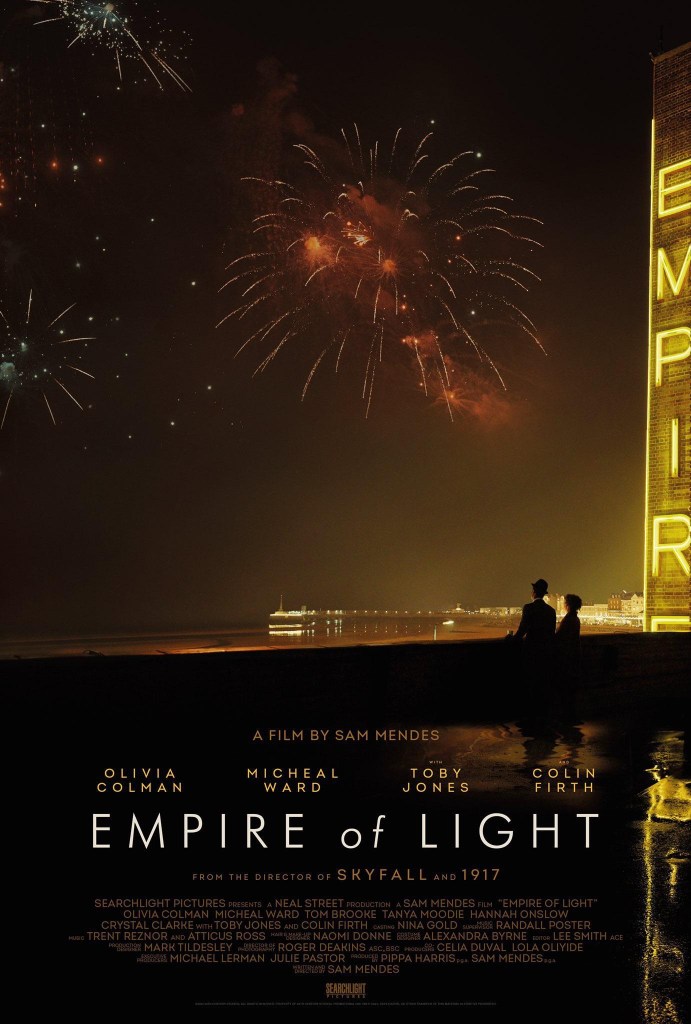
Starring: Olivia Colman, Micheal Ward, Colin Firth, Toby Jones, Tom Brooke, Tanya Moodie, Hannah Onslow, Crystal Clarke
Grade: C
The ever-reliable Toby Jones, playing the longtime projectionist of the fictional Empire Cinema, opines that our brains perceive static frames of film as moving images which “creates an illusion of life.” Perhaps it’s a little harsh to say this sentiment could be an accurate tagline to sum up Empire of Light, writer and director Sam Mendes’ latest film, but there’s a lifelessness to the proceedings that holds the film back from greatness. Mendes has now written the screenplays to his two most recent films, and neither one has particularly struck as impactfully as he likely intended. Indeed, Empire of Light shares a handful of similarities with 1917: elegantly crafted production design, stunning visuals, and powerful performances, but a lackluster script that only scratches the surface of who the characters really are.
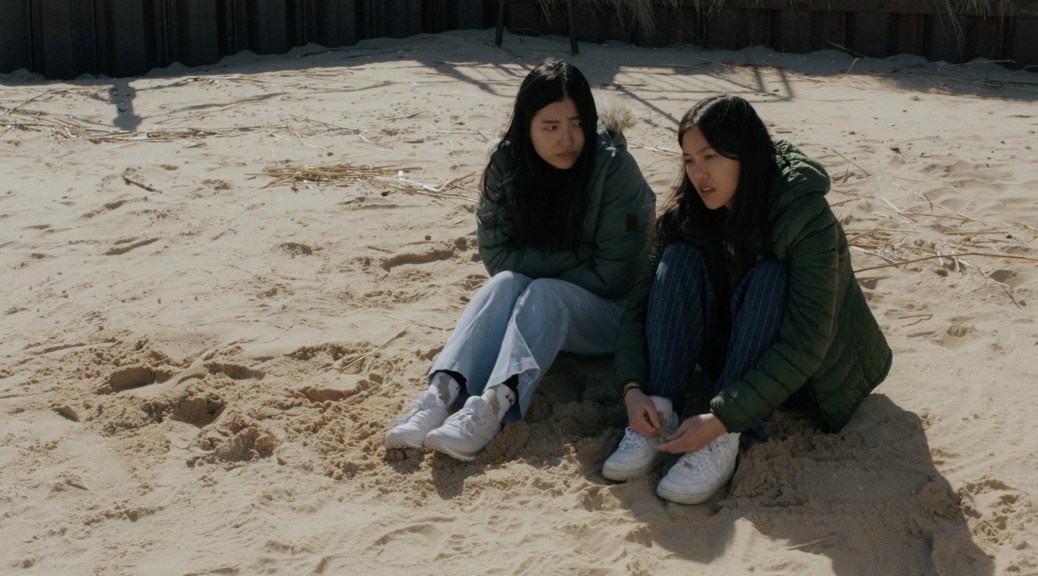
Below is my conversation with Linh Tran, the director and co-writer of Waiting for the Light to Change, a film that’s making its world premiere at the Heartland International Film Festival. We talk about Vietnamese filmmakers, the complicated process of writing the film, and its visual influences. Our conversation has been edited and condensed for clarity.
Ben Sears: Now that you’ve made your first film, do you find yourself watching movies differently? Do you find yourself analyzing them differently?
Linh Tran: It’s actually a little funny for me because I didn’t grow up watching movies. I didn’t really watch a lot of movies until I was in college, but I guess, from back then to now, there has definitely been a change in how I watch movies. I feel like the change is like, I begin to sympathize and appreciate more things and I watch movies in a kinder way. Now, I feel like I can enjoy them more, actually. I just started watching movies that I enjoy over and over and over again, and the first time is always like watching normally, and the second or third watch is more like a study. It’s a little bit of a learning experience, but at the same time, I don’t think it really differs that much.
BS: Do you find yourself looking at it differently from a technical level, thinking how you would have shot a scene from a different perspective, or a different editing technique?
LT: I don’t think so, actually. Sometimes if something is really outstanding, like a really flashy camera movement, then I would notice it right away, but most of the time I feel like whenever I catch myself doing that, it’s probably because I’m not really into the movie.
BS: You mentioned that you didn’t watch a lot of movies growing up. Is it because you didn’t have access to many of them, or you just didn’t have an interest?
LT: I think both. I’m from Vietnam, and it’s really unfathomable for someone like me – because nobody in my family is in the arts or making movies, or anything like that – and none of the kids that I knew growing up was interested in art. We weren’t encouraged to explore that side; the parents were always saying ‘you have to be good at math’. It just didn’t occur to me that that was a possibility. Making movies was never a thing. We did watch a lot of TV growing up, though. I didn’t get that interested in film until I got to college when I came to the states to study.
BS: Are there any Vietnamese filmmakers that you admire, or that you would recommend?
LT: It’s really hard because I feel like Vietnam was a colony for such a long time, and people were too busy with the war, and people were really poor until the 2000’s. So nobody thought about going to see movies, and now people are going to see movies, but they’re a lot of, like, “instant noodles” kinds of movies. Their arthouse scene is booming right now, and there are a few directors that I know and I like. Dang Nhat Minh made movies in the 90s and earlier, but doesn’t make anything nowadays, and I’ve only seen a couple of his films, but his filmmaking feels very honest and authentic, and very unlike a lot of movies that are made right now. Phan Dang Di, who is still working, and I think he’s really popular on the international film festival circuit. I’ve seen a lot of his movies and I have met him once. He’s a very quiet guy and an interesting character. I got to work with one of the actors that was in one of his movies for one of my short films, and that was really fun. I’m kind of jealous of my friends who are Taiwanese or Chinese or Korean because they have a really long and great cinematic tradition that we don’t have. But at the same time, it’s sort of freeing. You can do whatever you want and there’s no standard or someone to judge. But I’m not in Vietnam right now; hopefully one day I’ll be able to make a feature in Vietnam.
BS: One of the most noticeable things about Waiting for the Light to Change is how most scenes just unfold in these long, unbroken takes. Was it always your intention to film it that way, or did it come about during production, when you were planning it out?
LT: The slowness and rhythm of the films of people like Jia Zhangke and Hong Sang-soo has always appealed to me. With those movies, you can really feel it as if it’s unfolding in front of your eyes. But this was really the first film where I tried to emulate that. It also was because we didn’t have a lot of money or time to shoot the film, so it was a necessity, but at the same time, it works well for the kind of story it is.
BS: I was reminded of Yasujirō Ozu and how his camera was always so static. Was that something you were trying to consciously emulate?
LT: I really like Ozu as well, especially the subject matter of his films. I also really like how stoic his films seem to be. I wasn’t actively thinking of him while I was making the movie, but he’s always been an influence and was probably in the back of my mind. What I like is a lot of restraint. It comes from a character or personality thing, and it kind of extends into the filmmaking.
BS: The dialogue almost feels improvised throughout the film. Was there much improvisation that you allowed from the actors? It feels Ozu-like in that it’s almost like you’re watching something unfolding that you shouldn’t be watching.
LT: So, I’m going to tell you a story of how the script came to be, first. I was a grad student at DePaul University, when they had this program where you pick a script, pitch it, and work on it. This was a very different script, and then we were going to go into production when COVID happened. At one point, after the shoot got pushed a couple times, it wasn’t COVID-friendly, so we put it aside. We thought, let’s just write a new script as what we know as 25, 26-year old’s. At the time, I was working with two playwrights and we wrote the script over Zoom calls, we improvised the dialogue, we divided it into parts, wrote it, read it, and revised it over two months. In January of 2021 we got the first draft, and shooting was in March 2021, so we didn’t have a lot of revision. We were trying to cast the actors who reminded us of the characters we were writing, and we interviewed them and incorporated stories that they told us into the script. Because of COVID, we quarantined the entire crew at the lake house in Michigan where we shot the film. I was so lucky that I got the actors out there a week in advance, so we had the latest draft, we had a table read and I took the script away. When we went into rehearsals, they didn’t have a physical copy to memorize their lines. So during rehearsals, we would improvise these scenes based on what they remember, I would record it on my phone, and write the script based on what they said and send that to them. So on the set, there wasn’t a lot of improvisation, but the improvisation was in the rehearsals.
BS: You can really sense the chemistry between the actors, which is really crucial in this film. Did you do anything beyond quarantining them together to bring that chemistry out?
LT: Yes, in rehearsal, I really tried to get everybody to have trust with each other and establish that kind of familiarity. Before we went to Michigan, I would have these Zoom calls with the actors and I would turn off my camera and let them talk to each other. I would pop in and out, and let them chat on their own. Some of the stories they would tell each other, about their family, or their lives, were really powerful. Sometimes they would just share these things that were so intimate.
BS: Tell me a little about how you chose the location where most of the film takes place.
LT: Well, we didn’t really have money. One of the producers, Jake Rotger, said we could go and shoot at his family’s lake house before he had a story or a script or anything. So we had the location first, and then we tailored the script and the actors and everything to fit the location. Actually, in the original script, there’s a bonfire scene and because we were using the university’s money, they wouldn’t allow us to use fire because it could be too dangerous. We were really upset that morning, we got an email from the school, so we had to think of how we could transform the scene without the fire, so we changed it to a propane oil lamp.
BS: I’ve seen a lot of festival movies that tend to play up the drama with contrivances that don’t really feel authentic, but the drama here is underplayed, which I appreciated. When you were making it, did you ever get the urge to play up the drama?
LT: I don’t like making things so obvious and so external. There’s so much drama going on in everybody’s head all the time, and however we can make that known is more important to me. My best friend bought me a plane ticket to spend Thanksgiving with her. I told my writers I would take notes and come back with a story, so a lot of the bits in the film are things that I’ve experienced in my life. So to me, this is plenty of drama already. And there was a lot of energy on set that it already felt so full to me, and I really didn’t think of making this more dramatic.
BS: You kind of expect that, if things don’t go the protagonists’ way, the world will be over or nothing will ever be the same, but that’s not true to life.
LT: I think, in some sense, it will never be the same. Sometimes you meet someone and you know you’ll never see them again. It’s not always like that, but I don’t think the stakes need to be any higher. When I was writing this, I just really wanted to make something that people around me, people my age, could watch and think ‘oh my god, this is someone I know’.
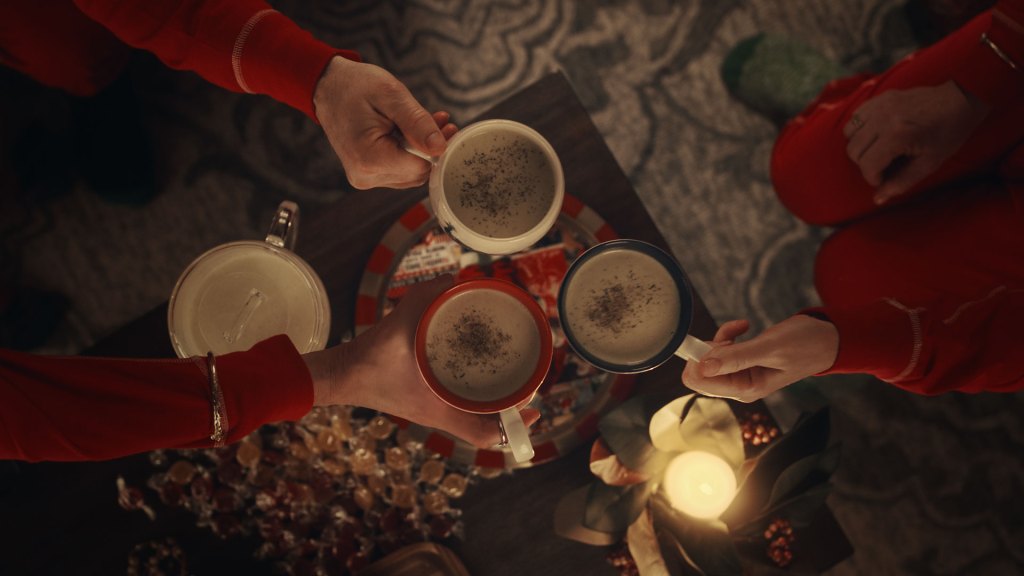
Any time you see words like “quirky” or “dramedy” in the plot synopsis of an independent festival film, you’re likely in for a disaster. This usually means there will be (at least) one character who does or says outrageous things for us to laugh at for no reason other than that the plot demands it. Because We’re Family certainly has characters that could be defined as quirky, and it is in fact labeled a dramedy, but there’s a lightness to the film that makes it mostly forgivable. It’s a holiday film that’s less about the holidays themselves and more about the feelings of obligation we have associated them with. Siblings Kourtney (co-director Christine Nyhart Kaplan), Belinda (fellow co-director Angela Stern), and Dallas (Josh Drennan) have recently lost their mother and their estranged relationship comes to a head in the aftermath. Despite a bizarre amount of animosity hinges on the trio of adults not comprehending the idea of cremation, or as funeral planners as a profession, the drama unfolds naturally and belies some deep-seeded that have permeated the family.
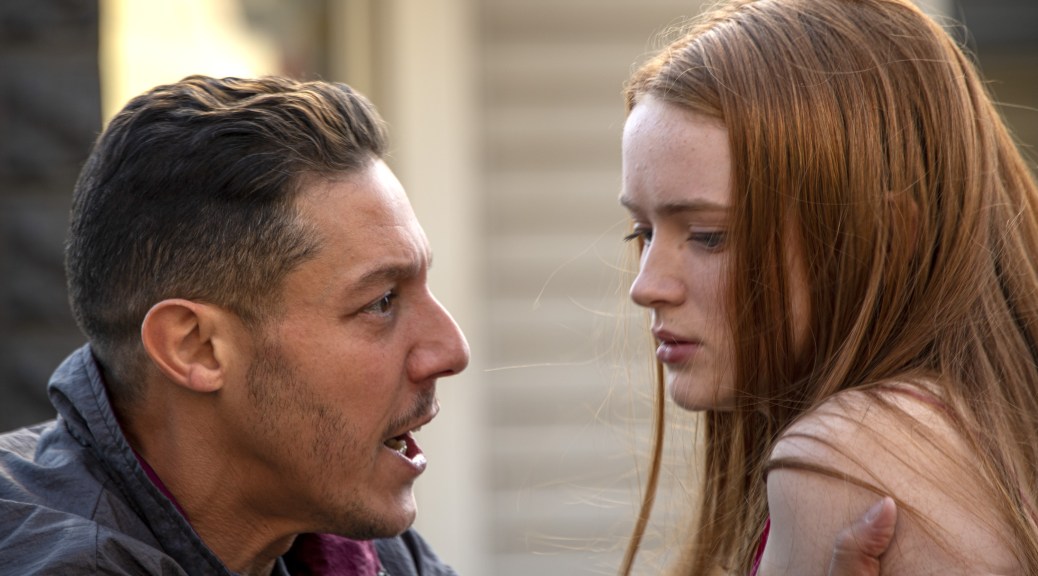
Star power can be tricky with a festival film. More often than not, a well-known celebrity that’s front and center in an independent film will be the best aspect of a forgettable experience. Such is the case, unfortunately, with Dear Zoe. Its lead, Sadie Sink, is a dynamic performer whose young career is certainly worth watching – and who, coincidentally, will be in another major Heartland film, The Whale. Her performance in Dear Zoe does nothing to dissuade that notion, but the film that surrounds her doesn’t elevate itself to her level. Sink stars as Tess, whose younger sister tragically and unexpectedly dies at the onset of the film, which just so happens to be on September 11, 2001. The film is too concerned with creating shallow drama and narrative contrivances that it’s difficult to get properly invested in Zoe’s story. She begins dating her father’s neighbor (age unknown but definitely much older than her 16). There’s an understated bit that the film doesn’t touch on enough, which is how one person can handle their grief when it’s essentially overshadowed by a grief that the entire country shares – for something completely unrelated. Sink ably navigates whatever twists and turns the script throws at her, but it’s hard not to wish the rest of the film were as insightful as it could have been.
If you’re looking for a little historical fiction to round out your festival viewing, it doesn’t get much better than The Wind and the Reckoning. The film tells the true story of a family of native Hawaiians in 1893 who resist American efforts to relocate any natives that are suspected of having leprosy. The craftsmanship alone throughout the film is impressive, especially coming from an independent production with no A-list actors to lure audiences. The family, led by a fierce Lindsay Anuhea Watson, sets out to escape the American colonists led by the evil Marshall Hitchcock (Johnathan Schaech), and the bulk of the film results in a kind of cat-and-mouse game across Hawaii. It’s rare to see a period piece at a film festival without the backing of a major studio, let alone one that’s based on an under-reported true story. It’s even rarer for those period pieces to be executed so nicely.
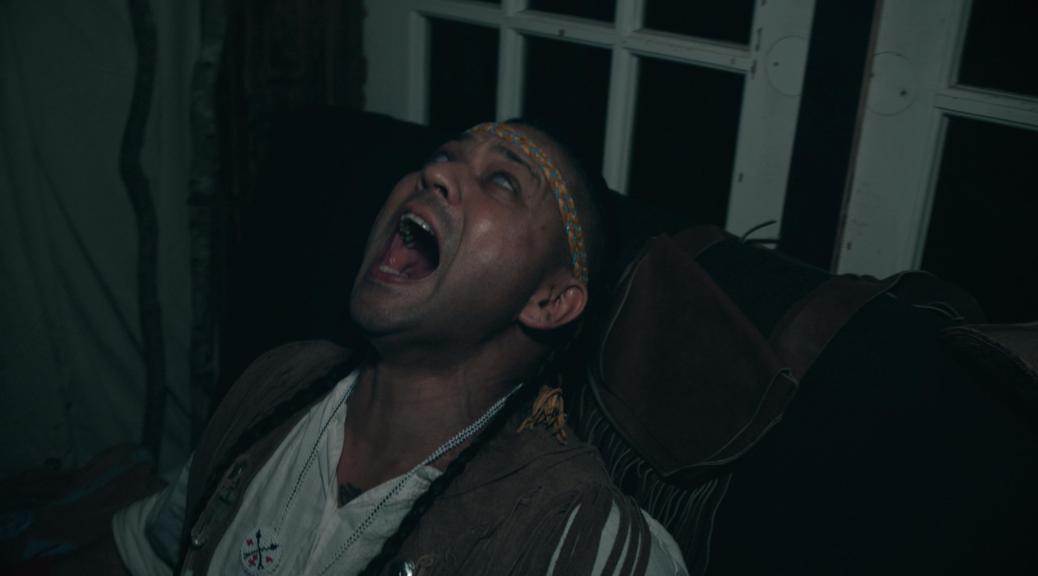
Do as I say, and not as I do. By that I mean, go and see Last Radio Call in a theater – hopefully packed with fellow Indy festival supporters – and not on an iPad or iPhone. Because, as with many great horror films, the scares within the film are so visceral, designed to prompt a reaction, that they’re best to be experienced with a crowd of people. The film is styled in the same vein as The Blair Witch Project or Paranormal Activity in parts, in that it’s sold as a real documentary of events after David, the police officer husband of Sarah (Sarah Froelich) goes missing in an abandoned hospital. The film gets off to a fantastically orchestrated start by showing David’s bodycam footage, and writer/director Isaac Rodriguez knows how to effectively stage these moments for maximum scares – or, at the very least, creep factor. But it’s in the non-bodycam moments that Last Radio Call loses its magic, unfortunately. The performances across the board aren’t great, and the film uses Native American mysticism as a crutch to explain away what’s happening. But, for a short (76 minutes) micro-budget horror film, it gets the job done and would likely be improved by being surrounded by a room full of warm bodies.
Another Heartland Horror film in the found footage sub-genre, Anacoreta provides a few worthwhile ideas but not enough scares. A group of friends goes for a getaway in a family member’s remote cabin and decide to film their exploits as a kind of horror film. The “director” Jeremy (Jeremy Schuetze, also the director and co-writer of the film proper) exerts a weird level of control over the whole proceedings, dictating what can and cannot be discussed, when his friends – and his girlfriend Antonia (Antonia Thomas), who’s meeting them for the first time – just want to chill and unwind for a few days. There’s an understated angle to Anacoreta that works quite well; that is, nearly everyone on screen has aspirations to be an actor or filmmaker in their real lives. So how much of what we’re seeing is real, and how much is a performance? This plays into the scares a few times, and each of the cast members gives natural, grounded performances. There’s a lot of potential in a premise like this for some visceral thrills, but where that falls short, you may enjoy Anacoreta on its own as a piece of filmmaking regardless.
When was the last time you watched a horror film from New Zealand? Teine Sā arrives as an anthology film based around ancient spirits of vengeance from New Zealand’s legends. Each of the short films revolves around characters of varying backgrounds and experiences and time frames, but each essentially ends in a similar manner. In the first, we meet a young, vain model/artist who uses her grandmother’s traditional shawl for her own selfish needs in an art exhibit. It’s not long before the spirits that be show her the error of her ways, and it goes without saying that the results are bloody. One segment sees a creepy tech bro release a private sex tape and refuse to shut it down, despite the woman’s desperate pleas. Each segment comes from a different director, which allows their own voices and styles to come through effectively. None of the stories are particularly frightening, but they produce the desired effect, which is a feeling of righteousness at seeing scumbags (usually men) receive their due comeuppances at the hands of those they’ve wronged (usually women).
If you’re looking for an inconsequential but confident film during the festival, look no further than Elizabeth Ayiku’s Me Little Me. The film is a kind of character study of Mya (A’Keyah Dasia Williams), a middle manager at a car rental location who struggles to make something of herself. On top of that, she lives in a sort of halfway home for people recovering from eating disorders. Ayiku shows a confidence behind the camera that would belie her status as a first-time feature filmmaker. Unfortunately it’s the script that doesn’t make the most of its potential, as it treads water throughout much of its runtime without making any profound statements or utilizing its dramatic opportunities. Dasia Williams carries the film with a grounded performance, but the screenplay doesn’t give us enough reasons to root for her, let alone give us an idea of what her ultimate goals are. Nevertheless, the film shows that, with the right material, Ayiku could be a filmmaker to look out for in the years to come.
The Grotto feels like the best version of a Hallmark Channel or Lifetime original movie, and that’s not a backhanded compliment. The film, by first-time writer and director Joanna Gleason, tackles issues that are familiar enough to general audiences but feel like they come from a place of sincerity. Betsy Brandt leads the film as Alice, whose fiance recently and unexpectedly passed away. Unbeknownst to Alice, he was the co-owner of the titular bar, a quirky little joint in Palm Springs that plays host to all sorts of misfits and musical acts. The bulk of the film sees her managing the chaos of a life that was hidden from her, and how she can reckon with a past that she thought she had a better handle of. The cast gels together nicely, and the script goes mostly to the places you’d expect it to, so don’t go into The Grotto expecting something revolutionary. Still, it’s clear that Gleason approaches the characters with a sense of reverence, rather than derision, and that sentiment goes a long way in helping the film succeed.
Grief is a common subject amongst today’s cinema landscape, and it’s here where Always, Lola finds itself. Specifically, how we can or cannot grieve someone that we didn’t really love all that much when they were alive. The titular Lola (Roxy Striar) was a wild child who had no direction in life but could bring her friends together better than anyone. Writer and director Jeffrey Crane Graham sets up early in the film that Lola has a penchant for a kind of controlled chaos that actually manages to come off as endearing. She may party a little too hard at times and say or do some hurtful things, but she always manages to show her friends how much they mean to her. This comes back as a kind of Jigsaw-esque scavenger hunt that her twin sister Katherine (Corrinne Mica) puts together, per Lola’s last wishes. The narrative flashes back from the past and present for each friend, and old feuds are brought back up. Turns out you can bury the dead, but you can’t bury your feelings. Always, Lola may contain a few too many narrative contrivances for my tastes, but it’s filled with likable performances and will go down smoothly enough to be enjoyed by general audiences looking for a quick and easy time.
Below is my conversation with the writer and director of The Moon and Back, an official selection at the 2022 Heartland International Film Festival, and her directorial debut. We discuss the intimidation factor of working with well-known stars, the themes of the movie, and the impact that home movies had on her growing up. Our conversation has been edited and condensed for clarity.
Ben Sears: You only had nine days to shoot the movie, so what was it like to be thrown into that kind of chaos?
Leah Bleich: It was really challenging, I think that our shooting schedule was one of the biggest challenges of the project. I think the only thing that was more difficult was the amount of prep time we had because that was really expedited as well, but I think there’s something really beautiful and fun about not having room to think or dwell or over-think while you’re on set. At every point you just have to keep moving, and that leads to a really charged environment where everyone is doing their job. It’s exhausting but there’s something very fun about that too.
BS: Did the final product have to change at all because of the shortened schedule?
LB: A bit. There was a B-plot that just wasn’t playing when we got into post-production, and part of that was that there was a scene that we just couldn’t get to during production, and it just wasn’t core to the story, which was where the audience was going to be investing emotionally. There were compromises that we made, but I’m very happy that we weren’t forced to cut anything or make sacrifices that affected the central emotional rhythm of the movie.
BS: You’ve directed a few short films before this. Were there any differences in your working style from making a short film versus a feature?
LB: Absolutely. I think the biggest change from my perspective, not necessarily in terms of working style, but one thing that took me by surprise was that, despite the budgetary and time constrictions, this was the first time that I realized what it felt like to be a director, where everybody else was a professional doing their job, and I wasn’t there with a backpack full of all of the props and costume changes. It was a very exciting thing to realize that I had stepped into a team where everybody was supporting one another and I wasn’t just doing everything myself. I think, with short films, unless you’re doing a well-financed short film, you’re just handling everything yourself.
BS: And you’re working with established actors like Nat Faxon and Missi Pyle. Was there a level of intimidation that came with that?
LB: Oh my gosh, absolutely! I don’t think I could overstate that. I remember on my first day of production, we were using my producer’s apartment as a home base, and just that feeling of stepping into her house and knowing that Missi Pyle was in a bedroom getting her hair and makeup done. I’m so honored that they gave me the time, and it was highly educational.
BS: One of your mentors also was Cathy Yan. What kind of advice did she give you, or help you out with?
LB: Contextually, because The Moon & Back was produced through Wayfarer Studios’ competition, they matched each of us with a mentor. Cathy was someone they reached out to and paired her up with me, which I was so excited about because she’s incredible. She was there for every step of the process, and she’s in New York, so we would have Zoom or phone calls. At the transition point between every major stage, whether it was pre-production or production, or post-production, we’d typically get on the phone for an hour or two and talk about everything from the fears that come into place to advice, things to avoid or celebrate. It was a really lovely experience and I’m very grateful to have worked with her.
BS: Coming-of-age films usually feel like they’re at least partially inspired by the filmmakers’ real-life experience. Was that the case with you, or was it a totally original creation?
LB: That’s a question I’ve been asked a lot, especially when we were initially sending out the script. I got a lot of questions about whether it was a true story because there are a lot of natural overlaps: I was a filmmaker making a movie for no money, and so was Lydia. We’re both women and we have a lot of shared characteristics. There’s a lot of myself in Lydia, and in the characters that I wrote, but it’s definitely not a true story either. I’m very grateful that my dad is still here and still alive, and hasn’t written any screenplays – as far as I know, although I’d be glad to hop in there if he chose to do so. So I would say that a lot of it is based in reality. The idea came into existence while I was home during the pandemic, staying with my family for a little bit as we were in that really scary moment, so it’s drawn from a real, emotional place, but I’m also grateful that it’s not based in reality.
BS: Did you or anyone in your family make home videos when you were growing up?
LB: Yea, definitely. I had been playing around with VHS’s before I found out about the Wayfarer competition. It’s funny, when I found out about the Wayfarer competition, I knew they were looking for movies that could be made for a really small amount of money, and I was trying to figure out what my unique angle could be to win. I had previously made a short film on VHS and was having a really fun time playing on VHS, so I had initially pitched this as a VHS story, like a found footage kind of coming-of-age story, because it could stand out and be produced for a small amount of money. It ended up transforming into something else, and I’m really glad that we went the direction that we did. This is all to say that I love VHS and it’s something that I grew up with, and I spent a lot of time digging through the archives of our own home movies. There’s actually a clip of me as a baby, in the montages, subbed in for baby Lydia.
BS: Do you want to continue working in the coming-of-age genre? Did Cathy Yan pitch you on the next DC project?
LB: [Laughs] I love coming-of-age. I certainly wouldn’t turn down a bigger project, but I love big stories, stories with heart. Any project that marries a sense of love and joy, and emotional grounding, with a story that also gets your heart racing is exciting to me. As a creator and a writer, there’s a lot of reason to continue to build in the coming-of-age genre, and it’s something that I can’t get enough of. I’m very happy to continue to work in that space for now, but I wouldn’t say that my ambitions are small in terms of the kinds of things that I’d like to make, but I look forward to continuing to expand as a filmmaker.







 The Movie State