Tag Archives: interview

So Cold The River: Interview with director Paul Shoulberg

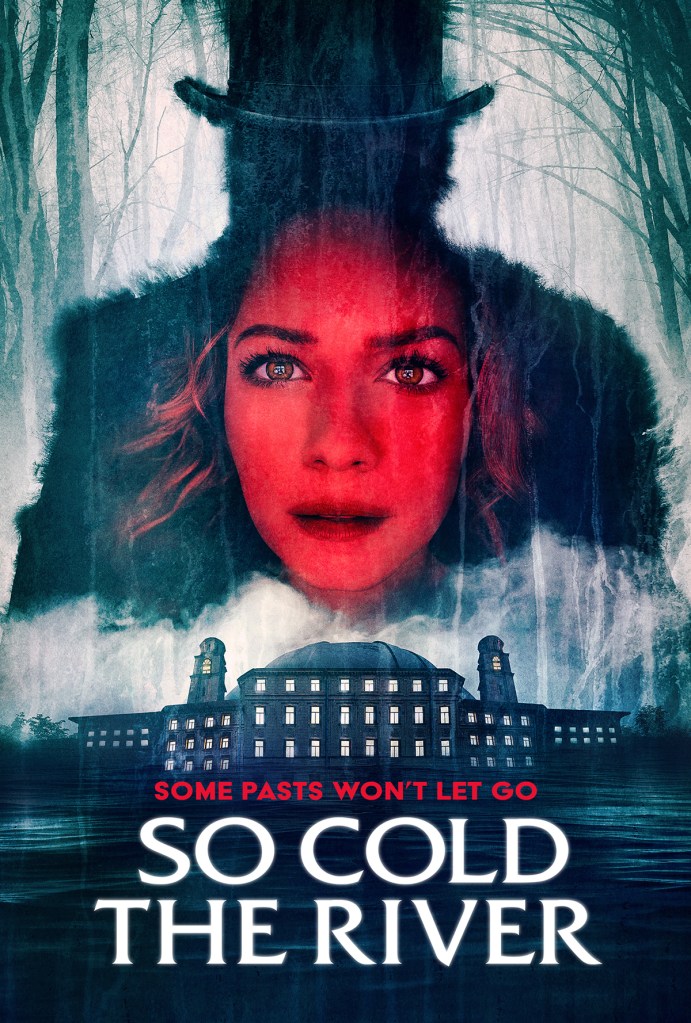
Below is my interview with director and co-writer Paul Shoulberg, whose newest film So Cold the River was set and filmed on location in West Baden, Indiana. We talk about the differences from the source material and the film, the difficulties of working in a new genre, and the uniqueness of shooting in a historical location. Our conversation has been edited and condensed for clarity.

Ben Sears: Did you have any history with West Baden or French Lick before deciding to make the film?

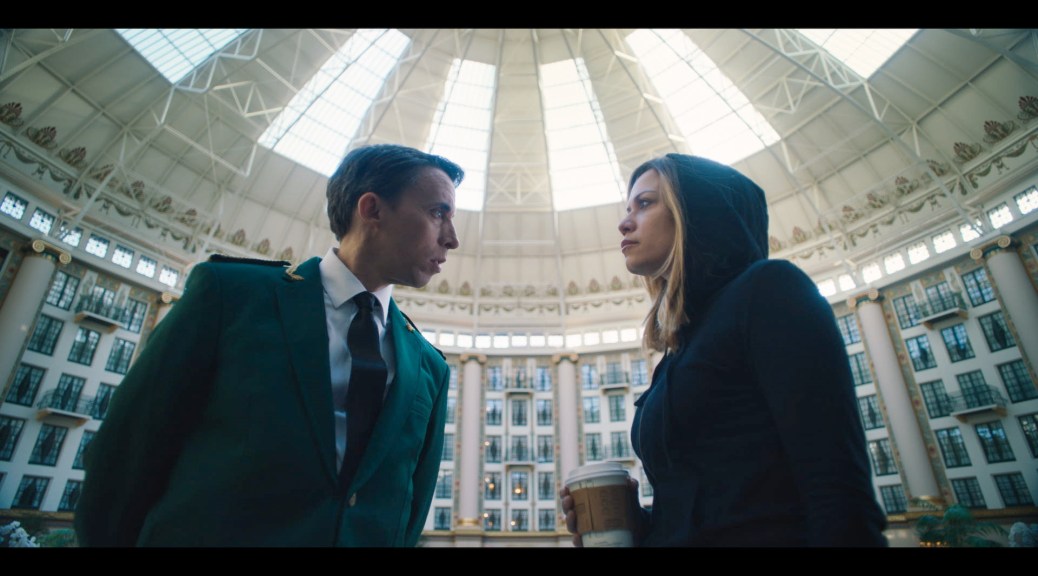
Paul Shoulberg: No, I went to grad school at IU and moved to New York afterwards. We moved back to Bloomington in 2011 and I’ve been living here since then and I had heard about the hotels but didn’t really know much about them. I was kind of lucky because I had learned about those hotels first from reading Michael’s (Koryta) book. After I was brought on, we went down there and everything changed once I finally got into that space. It can be an advantage to approach something like this as an outsider, having that space being very new to me. It does sort of hit you in a weird way when you first walk in, and I was glad I was able to tackle it with that sort of energy.

BS: You definitely sense that when Erica (Bethany Joy Lenz) first arrives there. I came into this with a different history, in that my family would always go down to French Lick for fall break almost every year when I was younger. At the time, the West Baden hotel was closed, but we would always see it driving down there and I’ve always been curious about the space. It’s a strange area.

PS: Very. It’s like it doesn’t make sense. What is this doing in a small town in Indiana? It’s like nothing else.

So Cold The River; Saban Films

BS: You really incorporate what it feels like to be there because there is some weird folklore and history that just feels like it could be too much in a movie. But as someone that was already familiar with it, it checks out.

PS: The folklore, yes, but the actual history is pretty crazy too. There’s something about historical places that have that sort of mystique to them that gives you this extra vibe of something that you won’t get somewhere else. Certain churches have that feeling too. It’s like there have been a lot of lives that have passed through this place and there’s something there that’s hard to describe. Michael’s book did a really good job of doing that where it kind of brought this place to the world, in a way. You can’t really explain it until you’ve stepped in. You can look at photos online but until you’ve stepped in that dome, you don’t really understand what you’re dealing with.

BS: Were there very many changes from the book to the movie?

PS: Yes and no. As far as the plot, there were a lot of changes. There’s a lot going on [in the book] and to have filmed the book as a one-to-one, we would have needed at least a season of television and a budget that would match accordingly, and that was never going to happen (laughs). We changed a lot to make it make sense for a movie. I’m of the belief that movies need to be their own thing and not just recreate the book. A movie has to be its own thing or it won’t work. If you’re trying to chase a different medium that isn’t meant to do the same things, and lives off of language and description, but with filming there are time and budgetary and physical restraints that are completely different from what you do as a fiction writer. We had to change a lot in that sense. I was able to work very closely with Michael on this, and that’s not always the case in an adaptation. Michael was heavily involved, so I was able to check in at every step and find out ‘what’s important to you showing up in this movie?’ and his writing tells me what’s important to him. What I do think came across from the novel was how majestic the space was, how the vibe of the hotel, which is the ultimate inspiration for the novel, came through. The biggest goal, in a cinematic way, was to bring to the world the power and the mystery of this place. And I think the spirit of the novel in that sense came through really well.
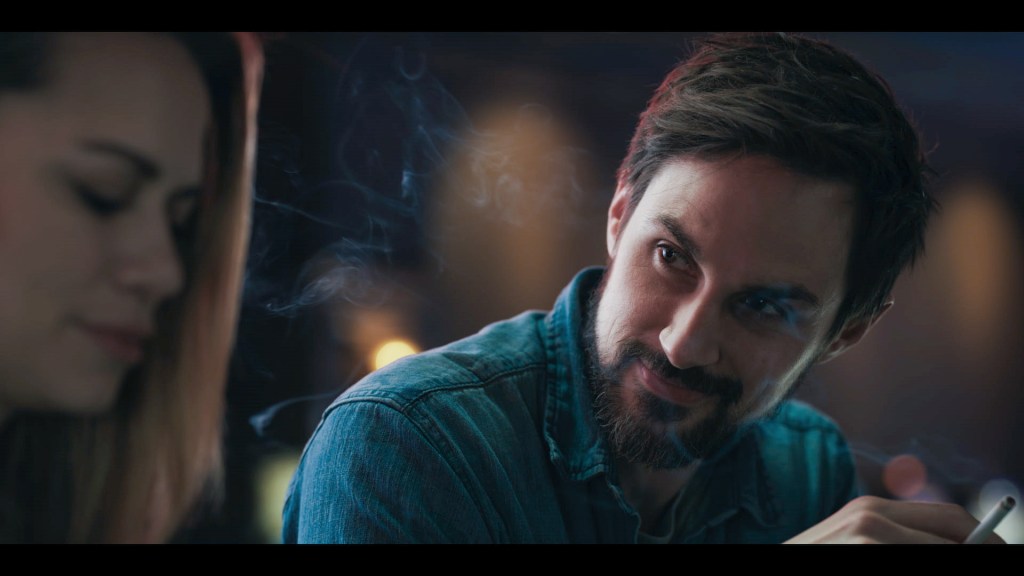
So Cold The River; Saban Films

BS: This is your first horror film as a director. From a filmmaking perspective, was there anything challenging about working in that genre?

PS: Oh yea, the things that excite me about horror are the things that make it very challenging. The visual possibilities in a horror film, so much depends on what you put in a frame – what you show and what you don’t show. Whereas in a comedy scene, it’s all about the timing and the flow. It’s the same thing in horror, but the visual timing is so critical. The slight camera move will reveal what’s in frame, or shooting properly to cut to a reveal or not cut to a reveal, if that’s more tense. The visual precision required in horror I think was a very new challenge to me. It wasn’t just cutting to the rhythm of the dialogue, it was like, if this doesn’t work on this exact cut, this scare does not exist. It won’t make any sense. The visual planning, not just because we were tackling this huge location but just to make horror move in a proper way, was a huge challenge that I was really excited to take on but it was a lot of work.

BS: You use a lot of long takes with some really fluid camera movements. Are you generally someone that likes to incorporate long takes, or did you feel that that was necessary in this material?

PS: I love long takes and always have. You’ll see long takes in various places in the other two films that I’ve directed. It’s always something I’ve loved and I find that in horror films, specifically, it’s my favorite thing when directors make that decision. If you do it properly, when you don’t cut, you don’t give a break in the tension to the viewer. It forces the viewer to lean in and figure out where the scare is gonna come from. You don’t know exactly where to look in the frame, you’re lighting it and framing it to move their eyes to a place. Sometimes it’s a misdirect, but you’re left stuck in the tension of the shot, if you do it properly. It’s very hard to coordinate that stuff, but I love it. When horror doesn’t spoon-feed me every moment and makes me have to sit on the edge of my seat and lean in a little bit, that’s when you can play with tension, and a long take is always a great tool, when used properly.

BS: Do you see yourself doing more horror films or will you continue to bounce around and work in different genres?

PS: I would love to do more horror; I’d love to find a way to take what I learned doing horror and then kind of pull from some of my earlier stuff, like comedy or drama and mash them up. I’m very interested in taking genre and applying it to pure character studies and things like that.
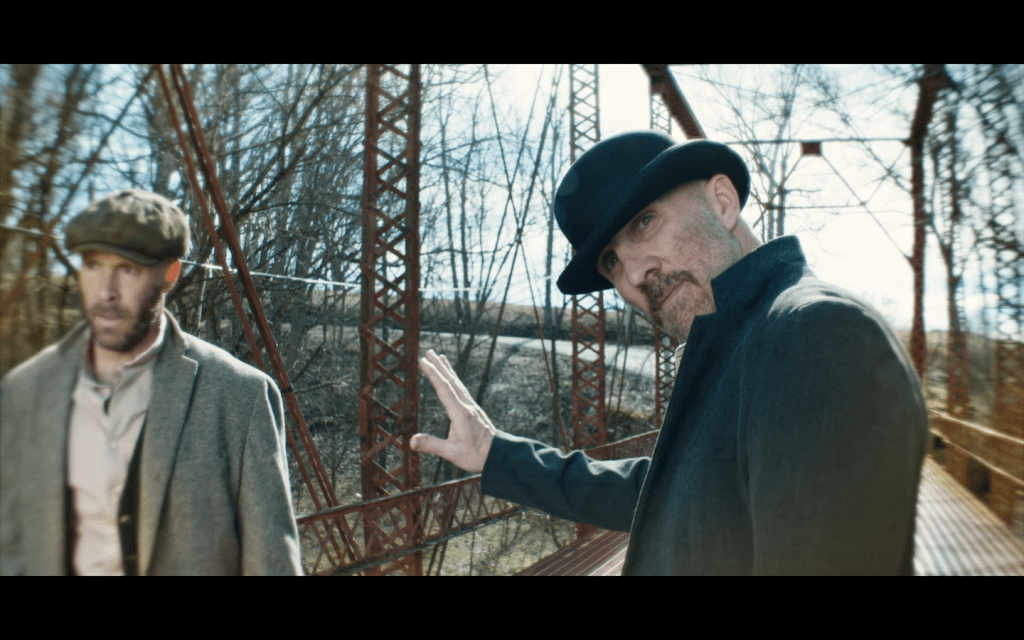
So Cold The River; Saban Films

BS: Going back to the book and some of the changes that were made, were you ever tempted to really play into the supernatural elements and really make it go off the rails, or did you always want to make it more of a grounded horror film?

PS: The book does an excellent job, I think, of delving into the supernatural aspect of it. I did pitch a more grounded version for a couple reasons. First, budgetarily. I wanted to stay in the pocket of our budget and do things well and not have to rely on CGI versus practical supernatural stuff. We never would’ve had the time or the budget to pull off some of the stuff that was in the book. It’s very big in what it goes for, and I love it. But I wanted it to be more contained, both stylistically but also practically. I wanted to be able to execute all of our ideas. So many times in a horror film, if you’re relying on the razzle-dazzle element of it, you don’t really know if it’s gonna work or not until you throw that stuff at it, so I wanted to make sure what we were doing was working in the frame. So anything we brought to it, supernaturally, was icing on the cake, but not the cake itself. I personally am drawn more to the implied stuff than the actual stuff. Like when you show a monster, to me that’s less interesting than when you feel one around. I wanted to rely on tension and a feeling, as opposed to throwing a lot of crazy visuals at you.

BS: Coming from someone that is a bit of a horror skeptic, I always appreciate more grounded material. With horror, there’s a suspension of disbelief that I have a hard time getting past, and that suspension of disbelief is diminished with more grounded types of horror.

PS: One of the things, when I pitched this, was that I didn’t want to tell a story where the characters don’t make any sense with what they’re doing. So many times with horror films, a character will break off from the group to go down in the basement with a match to light their way, or something. It’s like, what are you doing? Nobody does that! You want to put your characters in harm’s way, and I wanted to make sure there was a human motivation with what was happening to these characters. I wanted everything to be character-driven, and since the novel does that, it’s not like that was a hard sell. I like horror where I don’t have to say “well, this is a horror film, so that’s why this character that I’ve spent an hour with is suddenly really dumb”. The whole thing was properly motivating people that were involved to continuously dive deeper when a normal person would run away. That was a big goal to make sure the decisions that they made make sense so you’re not trying to spend time trying to make that leap as an audience member.

BS: No, I didn’t yell at the screen at all at the characters throughout the film.

PS: *Laughs* Yes, exactly. In so many horror films, it’s like, why don’t they just leave?
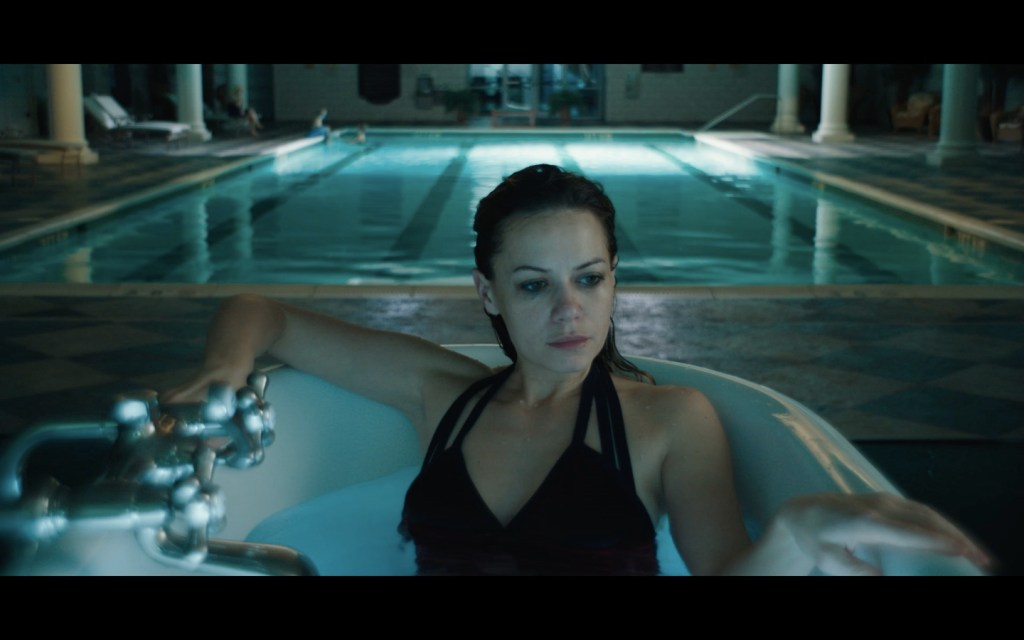
So Cold The River; Saban Films

BS: There’s a lot of themes in horror films about inherited violence or psychosis, but So Cold The River incorporates this in a fresh way.

PS: One of the things that was really important with this film, and one of the big changes from the book, is that the lead character is a male, and we switch genders in the film. There were a few reasons for that, but one was that there are so many horror films where a deranged male is tormenting various females, and they’re running away, and even if the women are leads, they’re victims until the third act. I wasn’t really interested in having this male descent into darkness and watching women run away or having to fight for their life the whole time. I didn’t want to jump into that trope of horror, and we’ve had a lot of women directors of horror over the last 10 years that have emerged, and that’s solving that problem to some extent, but I didn’t want to contribute to that trope at all. I’m not interested in that. This was always a horror film about ambition, which I wanted to pursue, Michael was really on board with that approach. I also don’t like using mental illness as a plot point to explain everything away. I was more interested in exploring something like ambition, about something which we all possess, but once you tip it a little too far on the scale. Like if ambition goes 1% past where the balance is supposed to be between our humanity and our ambition and what can happen. I was driven by doing that and not by just saying “this person’s crazy”, which you see all the time in these movies. But I do think that horror is one of the few genres of film that has continued to thrive over the last 10 years, so many genres have just fallen off to TV or just disappeared and horror just keeps evolving really nicely.

So Cold The River will release in theaters on March 25 and on VOD on March 29.
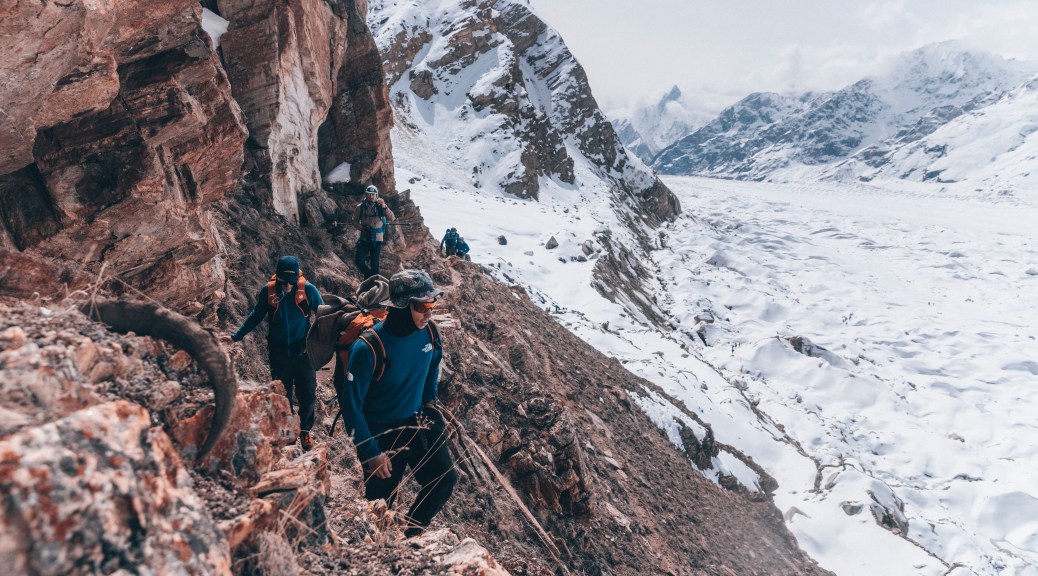
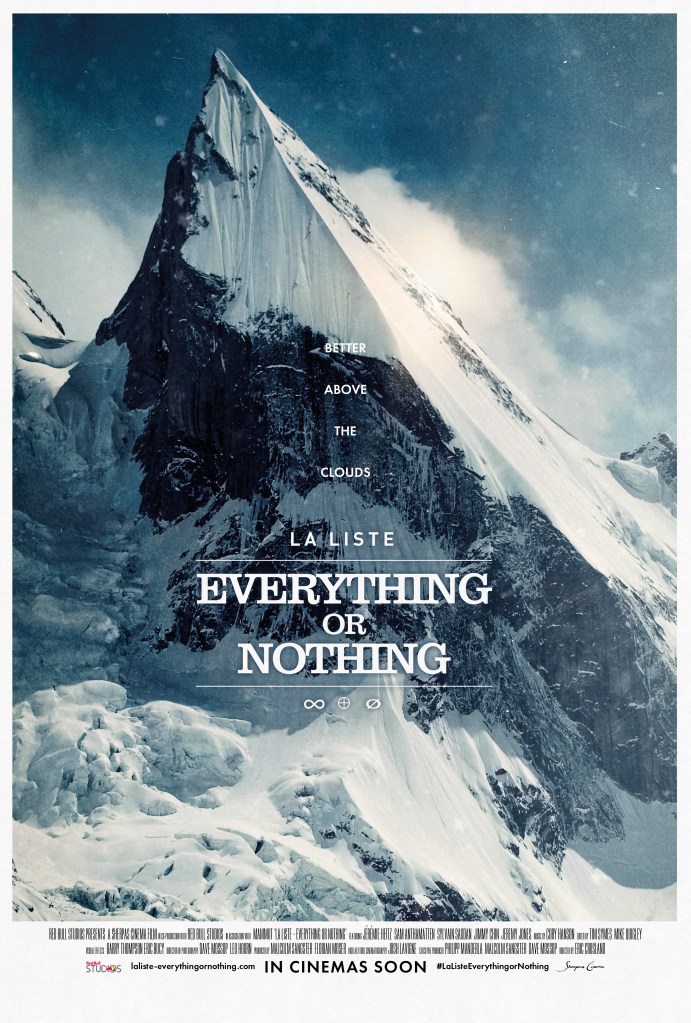
La Liste: Everything or Nothing: Interview with director Eric Crosland

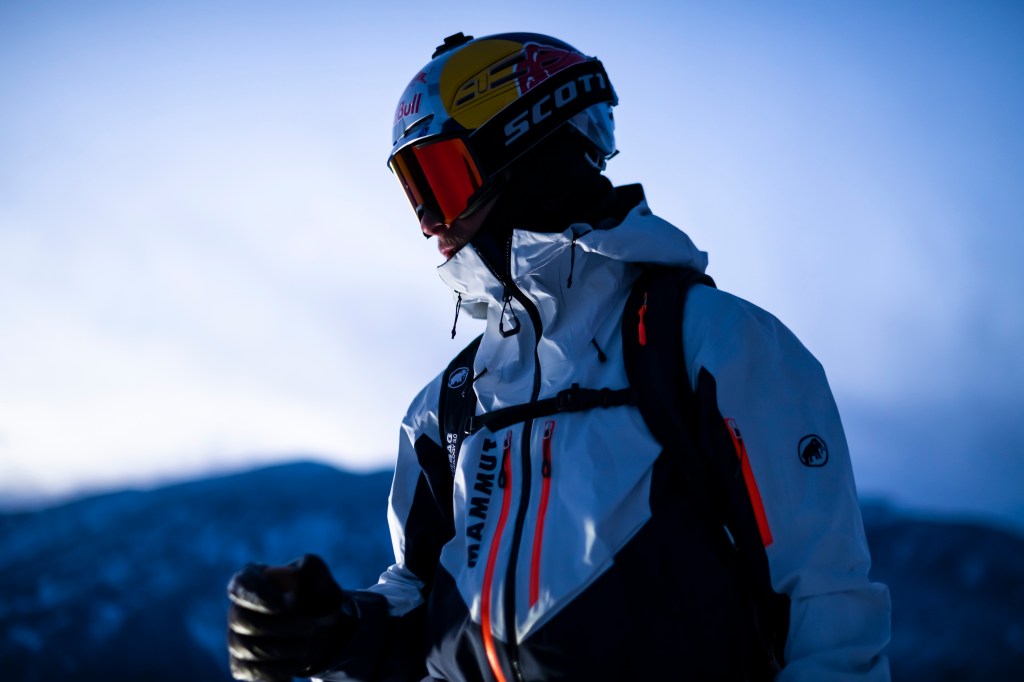
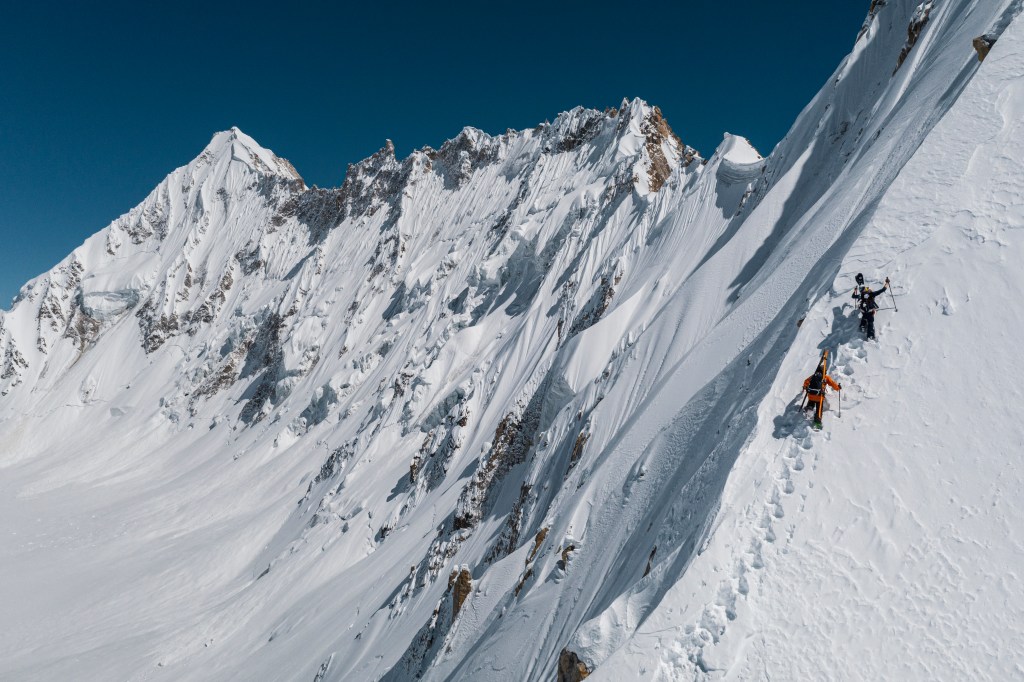
I recently spoke with Eric Crosland, director of La Liste: Everything or Nothing, a documentary chronicling extreme skiers as they attempt to conquer some of Earth’s most extreme peaks. Our conversation has been edited and condensed for clarity.

Ben Sears: What was the most difficult thing for you, logistically speaking, to shoot?

Eric Crosland: The most difficult thing was getting there at the right time of year. For the skiing to be the way these guys wanted it, to ski it really aggressively and fast, you really needed nice snow pack and really good outer skiing, and at those higher mountain ranges it only happens once a year for a couple hours, or maybe once every two years. So the hardest part was really knowing when to be there.

BS: How about from a technical standpoint? What was the most difficult thing about setting up the cameras?

EC: The cameraman – the on-wall cameraman who was actually climbing up to the summits of the peaks with them – that job was probably the hardest because they had to climb as well as operate the cameras They were bringing really small cameras and it was really hard to get good audio and cover the climb in a verite manner. It was so cold and you’re always catching up and they’re climbing quite fast, so that’s one of the most highly skilled positions.

We learned a lot about the drones as we went. The first time we went to Peru, we didn’t unlock them because they’re only set to fly 5,000 meters above your controller because of DGI and aviation rules. But you can hack it so you can fly it as high as you want, above the operator, so that’s what we did in the second and third expeditions; we went into the software and removed that restriction so we could fly it 6,000 feet above the drone operator and get much better shots. But it became really difficult to manage the battery because you burn almost 3 quarters of your battery just getting it up to the proper height, and then you have to get the shot and get it back down before it dies. And because of the cold, the higher you go, the colder it gets, so the batteries would degrade and get colder as you go up.

La Liste: Everything or Nothing

BS: I felt a lot of similarities in the film to Free Solo, where the filmmakers there were worried about Alex’s safety but still wanted to make a compelling film. How did you balance your desire to get good footage with making sure everything is safe and nobody gets hurt?

EC: As far as those guys skiing, and where they wanted to ski, and how they wanted to ski, it was completely up to them. It’s so much pressure on these expeditions, especially when you’re going deep into Pakistan where it takes 5 days just to get to base camp and 10 days from your house before you even see the mountain. Everybody’s feeling the pressure, including the athletes. It was something I really had to wrestle with and learn, to let them decide where and when they wanted to ski, and not give them any input because it would be too much if anything went wrong. You’d have to live with it for the rest of your life and it would be a horrible feeling. It was so dangerous, what they were doing, that you just had to let them make the decision. As far as them opening up to the camera and developing their characters, that was really difficult too because I feel like, coming from a couple guys who just made their own ski movies, they weren’t really as open as some other people would have been because a lot of the film was in English and there was a language barrier. I feel like that was a huge challenge, to capture the moments when these guys were really being themselves or actually making decisions.

BS: You’ve spent a lot of time in the mountains and have done a lot of commercial work in extreme terrain. Was there anything you learned while making this about skiing that you hadn’t learned before?

EC: Yes, I think I had always been told that there’s always so much pressure on the expeditions to come home with enough footage to make a sequence. So it’s always a struggle to enjoy the mountains while you’re there because you never know if you’re gonna get back. That’s something I didn’t do too much but I think I’ve learned more while I was editing the project and realizing that it would be really hard to get back to any of these areas, and try to separate yourself at least once a day and take it in. That’s always been the biggest challenge.

As far as skiing, I had no experience in these crazy Himalayan snow packs or where you’re really close to the equator [in Peru]. Just trying to figure out if the snow was safe or if there would be an avalanche, or if it was even skiable was a huge learning curve, just to see what snow was like in the biggest mountain ranges in the world.

La Liste: Everything or Nothing

BS: It’s ironic that this is being released during the winter Olympics. Are you watching that and thinking ‘that’s nothing’ or ‘that’s like amateur hour compared to what I’ve seen’?

EC: I have a lot of respect for athletes at the Olympics, obviously. It’s crazy how skiing is just syphoned into so many sub-genres like cross-country or big air or slopestyle or racing. It’s like cycling, so it’s really interesting to see how core each of those sub-genres can get and how they’re all part of the sport of skiing but each one can go so deep into their specific discipline. For me, I think skiing is a tool for exploring the mountains; that’s how it was developed, as a way of hunting in the mountains. It was a pure form of what we were doing but I appreciate all sides of it. But it is interesting to see the winter Olympics all on man-made snow in the middle of a desert. That being said, I think climate change is really changing the sport a lot.

BS: That was in the back of my mind as I watched the film. How does the climate crisis affect this sport? Will these athletes be able to do these big mountain expeditions ten years from now? Or are they even thinking that far into the future yet?

EC: I don’t think they are; I think that how climate change is affecting the mountains, from the snow pack, to the windows in which you can ski when it’s stable, it’s shortening, and the time periods are switching. Traditionally, all the big ski movies that you saw in the 90s and early 2000s were all made in the first or second week of April or last week of March, when the snow was consistently good that year for alpine descents. Now it’s in the middle of March and it’s maybe only a couple of days before it gets too warm. You basically have to go to places much longer and really hope you catch the window because there’s no consistency anymore. When it warms up, it warms up really quickly and it’s done, so it’s definitely made it way more challenging. You really get to see the differences after you do a bunch of winters in a row for 10 years or something, you can really see it changing.

La Liste: Everything or Nothing

BS: There were several potential setbacks throughout the film, from Mika’s injury to the difficult weather conditions. Were you ever worried that you wouldn’t get enough material after all of that?

EC: Yea, so many times I had people telling me I should shut it down and it’s not doable. Either someone’s going to die or you’re not going to make the movie. The Mika situation was the first expedition in the film and really affected everybody from there from a safety standpoint. For a long time we didn’t even know if we could use Mika’s footage because it was tied up in usage rights and other legal issues. And then COVID came and that paused us, and we ran out of money and we were basically working for free to finish the film, so we were going over insane hurdles to get it done. We always knew we could do it, it was just a matter of taking it one step at a time. I think Jeremie felt a lot of guilt for inviting Mika on that expedition and when that [injury] happened, he took that really personally, even though he caught Mika and saved his life. That really made him question why he wanted to ski 6,000 meter peaks. Then they hopped into Pakistan after that, which was insanely ambitious and dangerous, so we were on pins and needles the whole time right up until this past September to know if we could even make the movie. There were a lot of key issues and story elements that were up in the air until the last minute.

BS: Where do you see these big mountain free-skiing expeditions going from here, now that these guys have tackled these giant mountains? Is there anything bigger or better that they can do?

EC: Yea, I think Pakistan is insane because of how many mountains are there. It is the biggest and most beautiful mountain range in the world. Nepal steals a lot attention because it has Mount Everest but Pakistan has so many mountains that are above 7,000 meters and there’s so much unexplored skiing there. You could ski there for a lifetime, and nobody is skiing there. But they’re really dangerous mountains. The other place that doesn’t get skied very much is the Kluane national park in Canada – in the Yukon territories – which is where Mount Logan is. It’s virtually unexplored from a free-riding standpoint, but it’s really remote and hard to get to. There’s lots of zones, it’s just a matter of how much travelling you want to do to get to the bottom of the runs. There’s a lifetime of skiing in these mountains, but what’s stopped everybody before is just walking for 2 weeks just to even look at it.

La Liste: Everything or Nothing will release on VOD on February 15.

Salt In My Soul: Interview with director Will Battersby

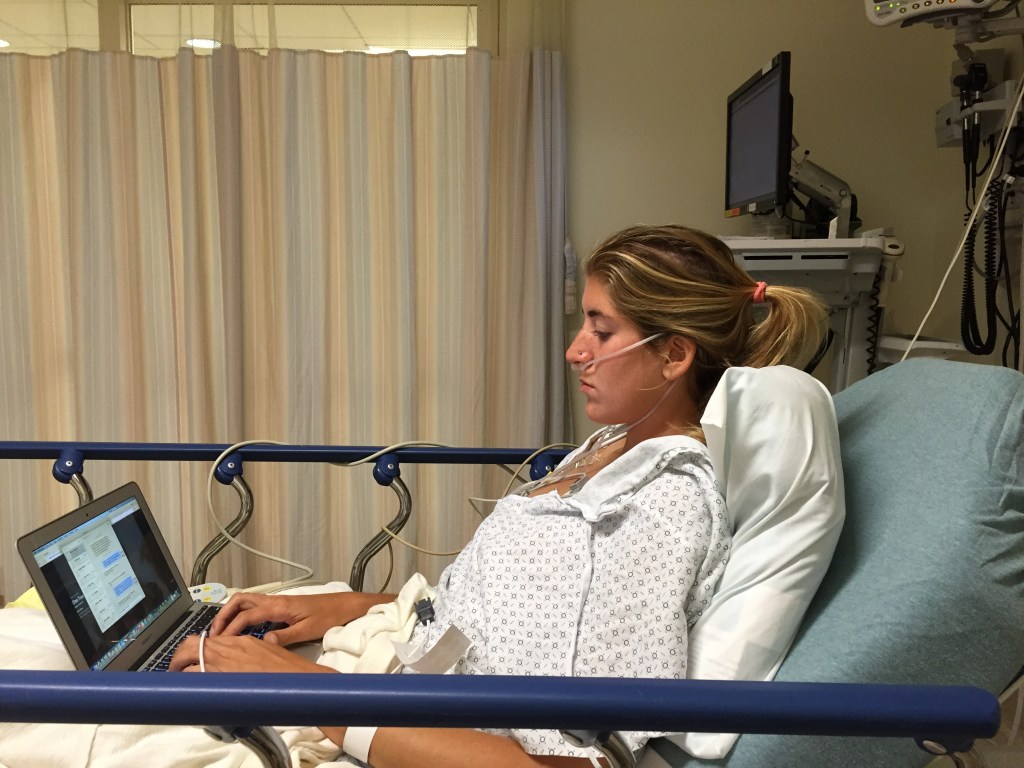
I recently spoke with director Will Battersby, director of Salt In My Soul, a documentary about Mallory Smith and her battle with cystic fibrosis, and the irrevocable impact she had on everyone she met. We discuss Will’s involvement in the project, the difficulties of telling Mallory’s story in a concise and compelling manner, and raising awareness for cystic fibrosis. Our conversation has been edited for clarity.

Ben Sears: How did you come into this project and get involved in telling Mallory’s story?

Will Battersby: One of our producers, Richard Abate, sent me the book at the end of 2019, and he was involved in selling the book to Random House. Mallory’s mother, Diane [Shader Smith], found her way to him and he always thought it would make a great documentary. He sent it to me, and I agreed immediately. I read the book in one sitting. I knew it was filled with interesting characters and huge themes.

BS: One of the things I’m always fascinated by with documentaries is the editing process. How difficult was it to sift through so many hours of footage, from Mallory’s family’s home videos to Mallory’s recordings, plus all the interviews you did?

WB: It’s hard, and that’s why you hire brilliant editors. Lucky is the wrong word, but we were fortunate to have the time that the pandemic afforded us. Otherwise we would have been more distracted by other projects and developments and various things but April Merl, who edited the film, and I, were able to really just kind of live with this and dig into it. I think it’s definitely challenging when you have that much material, but it’s what makes the film work or not. And that was one of the reasons I knew we could make a film. When I talked to Diane early on, she wanted to know what kind of film I wanted to make before she gave us the rights to do it. I always had the instinct to make it a kind of coming-of-age story from Mallory’s perspective and then as soon as I started to hear how much audio there was, I thought, ‘okay, great, I know I’ve got my narrator’. I really wanted it to be a first-person feeling from Mallory’s perspective and then we made some amazing discoveries along the way. There’s the sit-down interview with Mallory, which we didn’t conduct – it was done by a choreographer in California who did a dance based on Mallory’s life – and nobody had watched it; Mallory’s family had said it was too painful to watch. We watched it and thought ‘it’s gold’ because you have her on camera talking about her experiences, and then we discovered very late in the process that they had used two cameras. They hadn’t even thought about the value of that second camera. They said “oh, it’s handheld, it’s shaky” and I thought it was even better. You have some of the stuff with the dog by Mallory’s side, and we were able to cut between shots in that interview. It’s challenging and takes time to craft it and, as always, we had a 3.5 hour cut, and I thought we were done, and the film’s 96 minutes, so it took a lot of time to then work it down into what we ended up with.

Salt In My Soul

BS: You mention the two cameras that Mallory used, and you mirror that as well with some of your interviews, which you don’t always see with those segments in documentaries.

WB: I’ve always been kind of adamant about two cameras for interviews. It makes an editor’s job easier because you can cover cuts and you can cut to the same camera or overlap audio. But I think you also want to be closer on people because, unless you’re just doing a purely informational piece – which this isn’t; there’s so much emotion and you want to make sure you’re capturing it and you want to make sure you’re close on people’s faces. So it was actually dumb luck that the interview with Mallory used two cameras. We didn’t know that before we started shooting, so we were thrilled that that resonated. I don’t know if you noticed, but the interview with Diane in the living room is almost the exact same spot where the choreographer had interviewed Mallory. So that shot has a kind of strange resonance between the two of them. They’re different types of cameras so it feels different, but there was some really fortuitous and amazing stuff like that. Plus the footage of her surgery, we discovered that by accident.

BS: I liked the way you had done that surgery segment, where you just use the raw footage with no narration or music over it. It drives down the power of that moment.

WB: It’s interesting you identify that because we tried several times to put voices over that, whether it was Mallory or Mark or Diane, and you just have to be in that moment. Of course, the family doesn’t know what’s going to happen there, so you almost need to just be in that moment and have the audience have that similar experience.

Salt In My Soul

BS: You had mentioned this feeling like a kind of first-person documentary, and I agree with that stance since you have so much of Mallory’s narration and her perspective. But because she was such an open and outgoing person, the interviews with her friends and family almost feel like an extension of her.

WB: That was certainly by design. If you notice, the lower-thirds that we used to identify them are the same as what Mallory used to identify them. Uncle Danny is named as Uncle Danny, et cetera. It wasn’t just to be cute, it was to put you in the middle of Mallory’s experience and then also their experience. What I realized in doing my interviews with them is that we weren’t in the present, as it were. We weren’t there during Mallory’s life. We were meeting these people in grief, so that was a really important space to remain in with those interviews. So calling Danny ‘Danny Smith’ or ‘Danny Shader’ would knock you out slightly.

BS: Not to spoil anything, but you have the moments where everyone is reading from the book, and it really makes it feel like they’re almost surrogate speakers for Mallory.

WB: Yes, Mallory’s voice leaves the film at a certain point, and so what’s left is the book and other people reading the book. It’s other people reading her words, and being affected by her words, and definitely the people involved. Hopefully that gets passed along to the viewer as well.

Salt In My Soul

BS: One aspect I noticed is that there’s kind of a similar outlook that both Mallory and her mother have in trying to put a positive spin on every situation. From your perspective, would you think that Mallory inherited that from her mother, or do you think Mallory had it all along and it rubbed off on Diane?

WB: I think it’s very much a Diane quality that Mallory inherited. Diane is an extraordinary community builder. She’s one of those people that, within 5 minutes of meeting somebody, she wants to know what they need, how they are, and she wants to help. I think what I find moving about both of them is that they’re willing for that to be a two-way street. And obviously Mallory kept some of her mental health stuff secret because she didn’t want to burden people, but I think one of the messages that I really want to come out of this film is that it’s OK to share. It’s OK to share what you’re going through, good and bad and ugly, with other people. Because it’s only through that empathy and that community that we survive.

BS: What do you hope that the film does for cystic fibrosis awareness and people’s understanding of it, and what it does to a person?

WB: I hope that a lot of people simply learn what it is. It’s something we all hear about, but until we take the time to learn something, you don’t really know what it is. It also helps that 100% of the profits from the film are going back into research, specifically phage and anti-microbial resistance research, and my hope is that people are moved and inspired by it. I hope that we can do a little bit of good in the world. We’re a small documentary, we’re not gonna change the world, but I think Mallory’s story actually might. And that’s the book, the film, and Diane gives talks all around the world. That treatment that Mallory received at the end of her life is now being studied because of her case by universities and institutions across the world.

Salt In My Soul will release in theaters in New York and LA on January 21, and available on VOD on January 25.