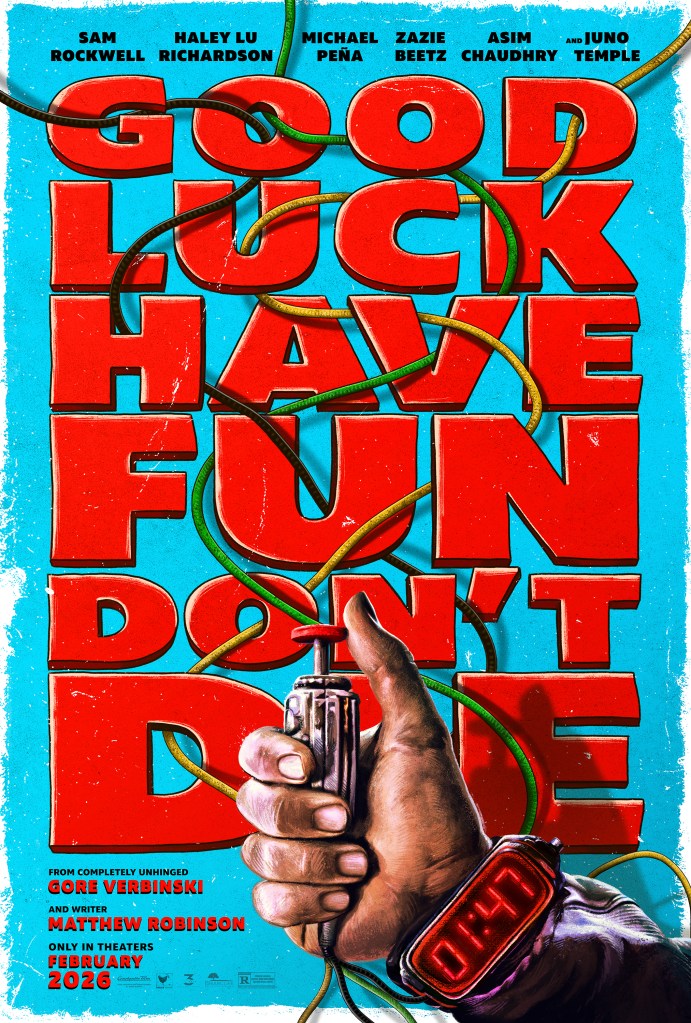
Good Luck, Have Fun, Don’t Die
- Director: Gore Verbinski
- Writer: Matthew Robinson
- Starring: Sam Rockwell, Zazie Beetz, Haley Lu Richardson, Michael Peña, Juno Temple, Dino Fetscher, Georgia Goodman, Dominique Maher, Ethan Saunders
Grade: B+
Between Sam Raimi and Gore Verbinski, the start of 2026 is bringing back the filmmakers of some of the biggest movies of the 2000s to make bold new original movies. In Verbinski’s case, he hasn’t actually made a movie in nine years with the little-seen, albeit big-budget, gothic horror film A Cure for Wellness. While Raimi got the big studio treatment courtesy of Disney’s 20th Century Studios, Verbinski’s latest, the ambitious sci-fi action comedy Good Luck, Have Fun, Don’t Die, doesn’t have the same kind of budget or bigwig Hollywood backing.
The film cost only $10 million to make, though it certainly looks like it cost much more, and outside of Oscar winner Sam Rockwell, most of the cast are character actors or the kinds of performers who are typically relegated to supporting roles instead of headliners. It’s a bold and ambitious swing from Verbinski that serves as a giant middle finger to the rise of AI.
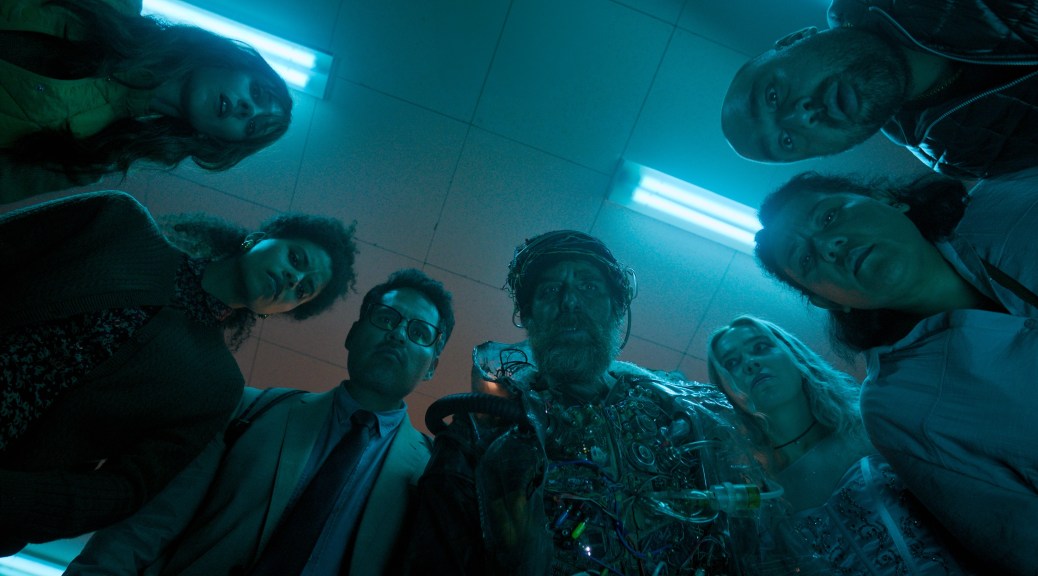
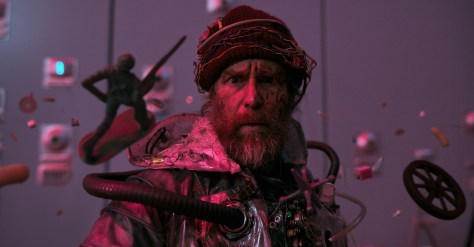
Good Luck, Have Fun, Don’t Die begins when an unnamed man from the future (Rockwell) enters an LA diner late one evening, warning the confused patrons of the looming tech apocalypse. Naturally, everybody thinks he’s crazy, but he’s used to that, having traveled back to this same location 117 times.
Nobody seems to bite until Susan (Juno Temple), a grieving mother, volunteers herself alongside the twenty-something Ingrid (Haley Lu Richardson) and Scoutmaster Bob (Daniel Barnett). The man also forces Janet (Zazie Beetz), a school teacher, and her boyfriend Mark (Michael Peña), the angry Scott (Asim Chaudhry), and Marie (Georgia Goodman) to join him.
The next chunk of the movie is essentially an anthology, bookended with the ragtag crew escaping chaos in the LA suburbs. The first vignette follows Janet getting Mark a job as a substitute teacher at her high school, where an incident leads the students to become zombified by their smartphones. The second sees Susan, in the wake of her son’s murder in a school shooting, buying an ad-supported clone of her son. The third and final vignette follows Ingrid, who has an extremely rare medical condition that causes an allergic reaction to Wi-Fi. It all culminates in an insane climactic confrontation that results in one of the most highly original and creative films you’ll see this year.
While the nearly two-and-a-half-hour runtime may seem daunting, Verbinski’s and screenwriter Matthew Robinson’s firm grasp on the tone, scope, and scale of Good Luck, Have Fun, Don’t Die helps ensure that it never slows. The offbeat structure of the movie works incredibly well, providing necessary background without ever feeling like boring or obvious exposition. Verbinski and Robinson know exactly how to keep the audience on their toes without the more surreal aspects feeling forced or out of place.
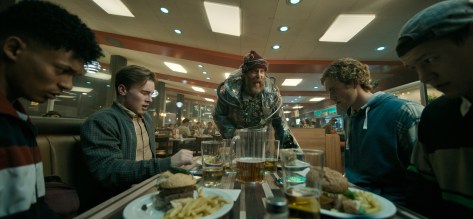
In between the giant confetti-peeing cat monsters, AI-addicted teenage zombies, and AI overlords, Good Luck, Have Fun, Don’t Die is wrapped up in a lot of sweetness. It all maintains its appropriately cynical perspective on the rise of AI, but the film also allows the characters to have hope. Much of the heart stems from Rockwell, Richardson, and Temple’s characters.
Rockwell has always been one of the most reliable actors, and he brings his usual quirky sense of humor and eccentric charisma to his role as the unnamed man from the future. In the shoes of another actor, his demeanor could have come across as too frantic, but Rockwell makes him weirdly endearing. Richardson, who serves as the movie’s moral center, is excellent, giving one of her greatest performances to date. Even more so than Rockwell, Good Luck, Have Fun, Don’t Die feels like her character’s story, leading to third-act moments that feel touching. Temple’s performance feels the most grounded in humanity; even as Susan makes some questionable decisions, the movie never judges her. Beetz and Peña’s characters are unfortunately underutilized, drifting in and out of the film to the point where you sometimes forget they’re there.
There are some obvious influences that Verbinski pulls from, including Black Mirror and the anything-goes nature of Everything Everywhere All at Once, but Good Luck, Have Fun, Don’t Die still feels like it’s its own special breed. It proudly touts its bizarre elements while making them all feel earned. The final act does feel elongated at times; there are certain moments where you think the movie is going to conclude, but it goes on. Fortunately, the final scene makes it easier to forgive.
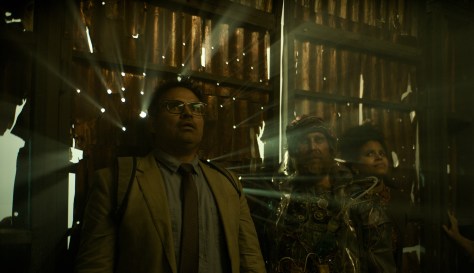
Good Luck, Have Fun, Don’t Die is one hell of a return to filmmaking for Verbinski. Amidst all the silliness and outlandish obstacles, he has something to say about the concerning direction humanity is heading. If you’re a fan of his past work, this is not one you’ll want to miss.
Good Luck, Have Fun, Don’t Die will be in theaters nationwide on February 13.
OSCAR POTENTIAL:
- Best Visual Effects
 The Movie State