Yes, technically, Flow is an animated fantasy film featuring a cadre of wild animals in a post-apocalyptic landscape, but it’s the more grounded naturalism that makes the film sing. Besides, given that we’ve just seen two “once-in-a-generation” hurricanes strike in the past two weeks, perhaps it’s not so far-fetched after all. Gints Zilbalodis, the co-writer (with Matīss Kaža) , director, producer, editor, cinematographer, production designer, and co-composer (with Rihards Zalupe) has crafted a warm and inviting story about friendship and nature that stands as one of the year’s best films.
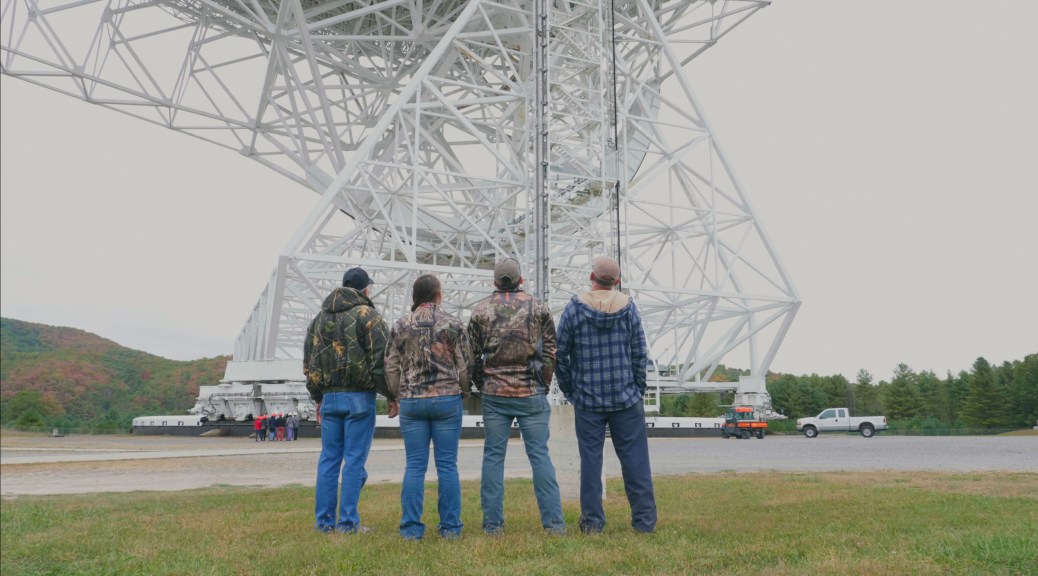
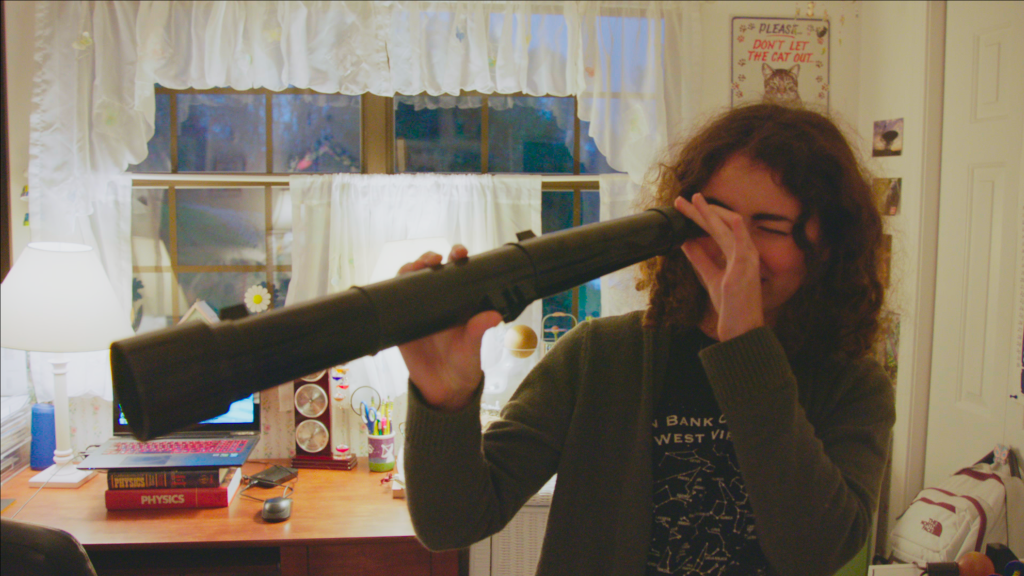
Below is my conversation with Katie Dellamaggiore, the director of Small Town Universe, a documentary about a small town in West Virginia, where cell phones and wireless internet are forbidden. But beyond the quirky origins of the town, the film explores the people within it, and their reliance on the funding that makes the space telescope possible. The film is making its Indiana premiere at the Heartland Film Festival. We discuss her origins with the project, the state of science in America, and belief in extraterrestrials. Our conversation has been edited and condensed for clarity.
Ben Sears: With any documentary, I’m always curious about how you initially came across the subject matter. So what was it that got you interested in making Small Town Universe? Do you have a personal connection to the town?
Katie Dellamaggiore: Actually, I had no prior relationship to the topic. For better or worse, I didn’t get much of a science education when I was younger. My husband, who’s my filmmaking partner, he’s very much into science fiction, like Star Wars and Star Trek. So I didn’t have that background going into it, but I think that’s probably why I was somewhat attracted to the story. Because it’s fun to learn something as an adult, making a film about a subject that you didn’t get a chance to learn about when you were younger.
In 2015 or 2016, I had just finished a film called Brooklyn Castle, and we had just had 2 kids, and my mom had died that year as well. But one night, my husband and I were chatting, and I asked, ‘do you think there’s a town with no cell phones?’ It wasn’t really clear to me at the time, but I was addicted to my cell phone, and it was the ramp up to the election. I had two babies at home but wasn’t getting out of the house a lot, and I think I was missing my mom a lot and her phone calls. So I googled it, and that’s how Green Bank, West Virginia came up. I couldn’t believe it! As I got more excited about the topic, it just evolved into something more than that. At the beginning, I thought maybe there could be a story about the fact that there are no cell phones, but it became more interesting to tell a story from the point of view of how the science was connecting people in the town.
BS: One of the segments of the documentary is about the people who move there specifically because they have the Electromagnetic Hypersensitivity. Did they have any kinds of reservations around you filming with them? Did it take any convincing to get them to be part of this?
KD: It’s interesting, because when I did that initial google search, a lot of the videos were news pieces that tended to hyper-focus on them because it’s kind of sexy and gets clicks. Some of them were desperate, for good reason, to want to tell their stories. Sometimes, maybe they weren’t aware that people were taking advantage of them, but they were very open because they want to be heard and have their story told. So I’d say there wasn’t a lot of trepidation because they wanted to get the word out. That being said, it was really important for me to figure out how to tell this story without having it ever feel like some sort of “gotcha” piece. It’s not my job to figure out the science behind this.
Sue, the person we ended up filming with, we hit it off because we’re both from New York. There was just an instant connection, and she was really happy to share her story. There wasn’t a lot of trepidation, but I think I felt like it could easily go in a bad direction. They will tell you that there are members of the community who maybe shouldn’t be on camera. So I just chose not to film with them. But it made me really happy, and they’ve all seen the film, and they’re really happy with it because there’s not much worse than having the subjects not feel good about the end product. The film isn’t about specifically their issue, so I’m happy for them to use it as much as they want. But Small Town Universe isn’t out there trying to convince people that cell phones are bad.
BS: Were there any technical limitations that made it difficult to shoot with them?
KD: The whole town, actually. For the majority of the time, we weren’t allowed to use wireless microphones. It wasn’t just Sue, but it was part of the rules that existed in Green Bank. Whenever we were filming in and around the telescope, we had to use a boom microphone. Not just a boom mic, but it had to be plugged into the back of the camera. So we had to make really small movements and couldn’t get far away from the action. It kind of challenged the way that we captured things. We were always really close to everything that was going on.
Looking back, we have some B-roll of wide shots, but the action was never happening in a wide shot. We always had to be right next to people, so that added some intimacy, but it was really because we had no choice. If we were really far away from the subject, we wouldn’t be capturing sound and I’d have no idea what was going on.
BS: When you first started filming, did you have a set idea of who you were going to follow, or did that change as you got more oriented into the town?
KD: My first trip to Green Bank, I went by myself as a research trip. I met George on my first trip, and then I met the folks who worked at the telescope and a woman named Karen early on. There were a few people I wanted to film with, and it didn’t pan out. Within a year of going down there, I met Ellie and her family, and Sue.
BS: One of the recurring questions that comes up throughout Small Town Universe is whether anybody believes in extraterrestrials, or life on other planets. Did you believe in that before shooting the film, and did that change all once you were done?
KD: I didn’t really think about it much before I started working on this. If you had asked me, I’d probably say ‘yea, I hope so!’ But like I said, I wasn’t the person who devoured a lot of content about it. My husband watches stuff like Ancient Aliens [laughs], but that wasn’t me. Now, I think, how can you believe that there’s not? Or at least scientifically speaking, when you understand the science behind it, there’s nothing kooky about it at all. I’m all-in about the Dirac equation now, and I just think that, as a species, there’s nothing better than continuing to challenge what we think and what we know. That’s what science is, and the science of extraterrestrial life is, like, a constant search for something that we don’t know the answer to. I think that just makes us better human beings, to not stop asking.
BS: Part of the backbone of the film is how the American government treats science as a priority. Did making this film change how you view our prioritization of science and exploration?
KD: It doesn’t appear that it’s a priority right now. I’m not an expert on this, but I think we tend to prioritize things that make money. Basic scientific research often doesn’t make money, so what’s wonderful about this telescope is that they have this program called Open Skies, where anybody who has an idea can apply for time on the telescope. So when federal funding gets taken away from something like this, that’s the thing that goes away first. For this facility to remain open now, from the National Science Foundation and Breakthrough Listen, it’s great, but it’s not a big government priority. Any kind of space exploration today is being funded by billionaires, for better or worse.
Small Town Universe will have in-person screenings at the Heartland Film Festival in Indianapolis, and will be available to stream online throughout the festival.Buy tickets here.
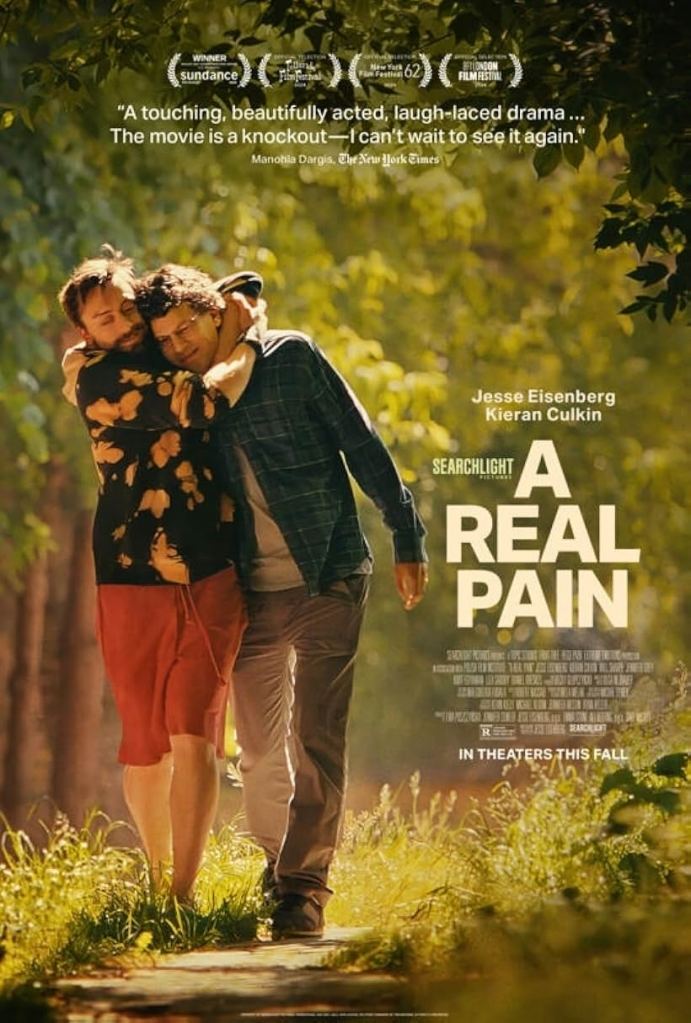
Starring: Jesse Eisenberg, Kieran Culkin, Jennifer Grey, Will Sharpe, Kurt, Egyiawan, Liza Sadovy, Daniel Oreskes
Grade: B+
Jesse Eisenberg’s second feature as writer-director shows a massive leap in maturity, thanks in large part to the personal subject matter at its heart. A Real Pain isn’t necessarily an autobiographical film for the multi-hyphenate star, but there are elements which he has explicitly stated are pulled from real-life details about his family history. It’s a free-wheeling road trip film that visits pain both personal and historical, anchored by an ensemble that gels together as well as any film this year.
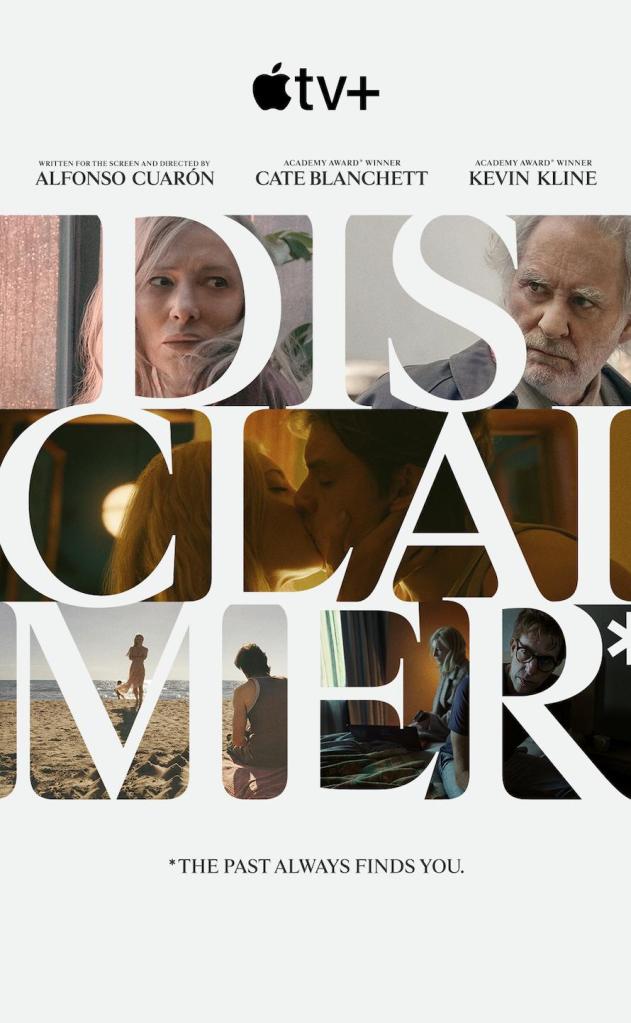
Starring: Cate Blanchett, Kevin Kline, Sacha Baron Cohen, Kodi Smit-McPhee, HoYeon Jung, Louis Partridge, Leslie Manville, Leila George
Grade: A-
Warning: The review of the season premiere of Disclaimer will contain spoilers.
It shouldn’t be understated how rare it is to see the massive abundance of talent behind and in front of the camera in AppleTV+’s latest limited series Disclaimer. It’s become too easy to joke how Apple fills its catalog with projects with A-list stars but barely remembers to promote them, but a series which boasts Oscar winners and nominees like Alfonso Cuarón (who writes and directs each episode), Cate Blanchett, Kevin Kline, Kodi Smit-McPhee, Sacha Baron Cohen, cinematographer Emmanuel Lubezki, and music from Finneas O’Connell simply demands attention from the start.
“Do you remember when we had two grocery stores?” It’s an off-handed remark between two nameless citizens of director Joel Fendelman’s titular small town, but it reveals a great deal about its place in the world. North Putman follows a school year in and around the central Indiana school district, popping in and out of all of its various issues, big and small. It’s a fascinatingly complex look at small town life, and the ambitions of its residents. Whether it’s the big topics like a school board meeting discussing DEI initiatives, a kid bringing a knife to school, or something as small as kids telling jokes on a school bus, Fendelman’s camera gives it all equal weight. The film may not be anything revolutionary that wasn’t already explored in films like Frederick Wiseman’s Monrovia, Indiana (which is situated just 30 miles from North Putnam), but it’s an engrossing look at small town life under a microscope.
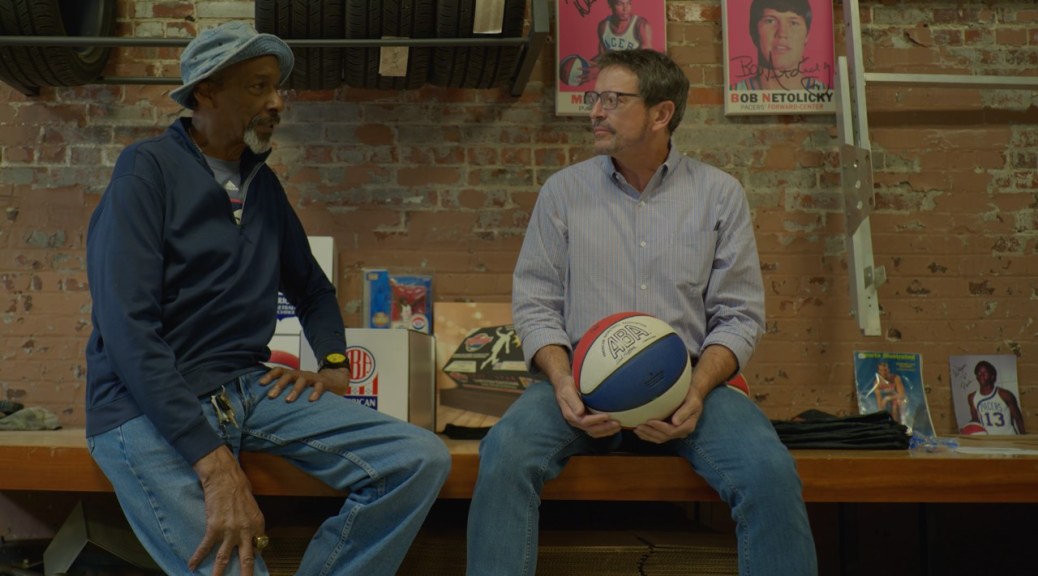
Indiana lives and breathes basketball, so a documentary like The Waiting Game, which chronicles the American Basketball Association’s retired players fighting for their well-earned pensions is – pardon the pun – a slam dunk. Michael Husain’s feature debut is more traditional in approach, with talking head interviews and Ken Burns-style photo overlays, but it always returns to its subjects and their quest for justice. It’s the kind of documentary that easily provokes, spotlighting the history of the ABA, and how instrumental their players were in the development of the NBA as we know it today. But those players, when the NBA absorbed the ABA, lost the rights to their pension and the healthcare that went with it. Whether you have an encyclopedic knowledge of basketball history, or simply want to learn about a modern David versus Goliath story, The Waiting Game is a confident piece of non-fiction storytelling.
Joy Dietrich’s Attachment Project takes a personal look at adoption, and her long-simmering feelings towards the process and how difficult it can be for both children and adults to adapt. The film follows Joy, and a handful of fellow foreign-born adoptees, who struggled to fit in to their new surroundings when they were kids. What follows is a number of heartbreaking scenes that chronicle their parents often controversial ways of acclimating the kids through a number of difficult methods of therapy that often leave them off worse than the beginning. Dietrich herself goes on her own journey of discovery to reconnect with her adoptive father after a prolonged absence. The film raises a number of introspective questions that adoptees often face: Why did my birth parents abandon me? Am I worthy of being loved? Would my life have been better if I had remained with my birth parents? Attachment Project maybe doesn’t provide universal catharsis with its answers, but it shows a fascinating journey for its subjects nonetheless.
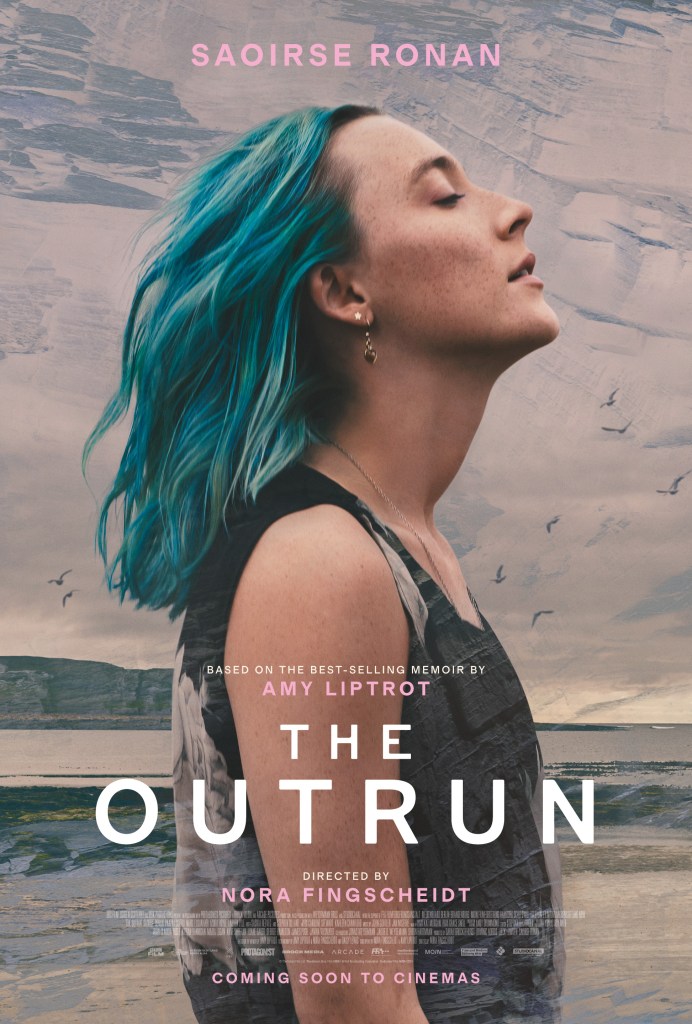
Starring: Saoirse Ronan, Paapa Essiedou, Stephen Dillane, Saskia Reeves
Grade: B
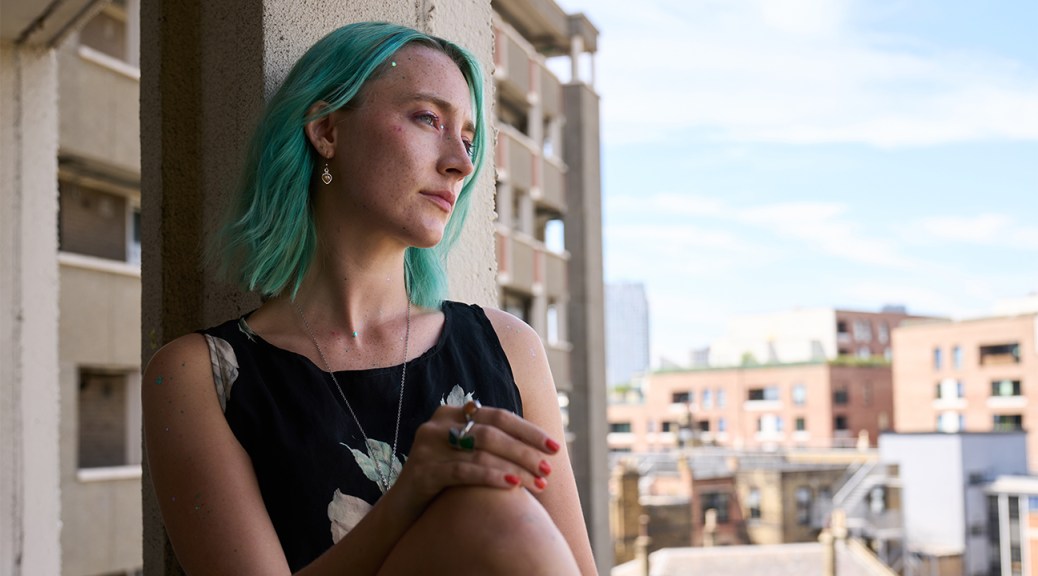
The Outrun is a story of addiction – alcohol addiction, specifically – but it’s a film that looks at the almost mythological origins of addiction. Are we born an addict, or is it borne from circumstance? It’s fitting for a film set on the Scottish coast, where its main character, played with devastating humanity by Saoirse Ronan, is a biologist who often waxes poetic about humanity’s origins. Character studies about addicts, or even unlikeable protagonists, are nearly as old as film itself, and while writer-director Nora Fingsheidt’s film isn’t an entirely fresh entry, it feels like it comes from a place of genuine sincerity.
How far would you go to preserve a favorite childhood memory? In ¡Casa Bonita Mi Amor!, director Arthur Bradford chronicles the struggles to preserve a beloved Colorado landmark, no matter how fraught the process may be. Though the documentary is as slight as you might expect when dealing with such subject matter, it gets by thanks to its main characters, the titular Denver-based Mexican restaurant, and its new owners, Trey Parker and Matt Stone.
Starring: Carrie Coon, Elizabeth Olsen, Natasha Lyonne, Jay O. Sanders, Jovan Adepo
Grade: A-
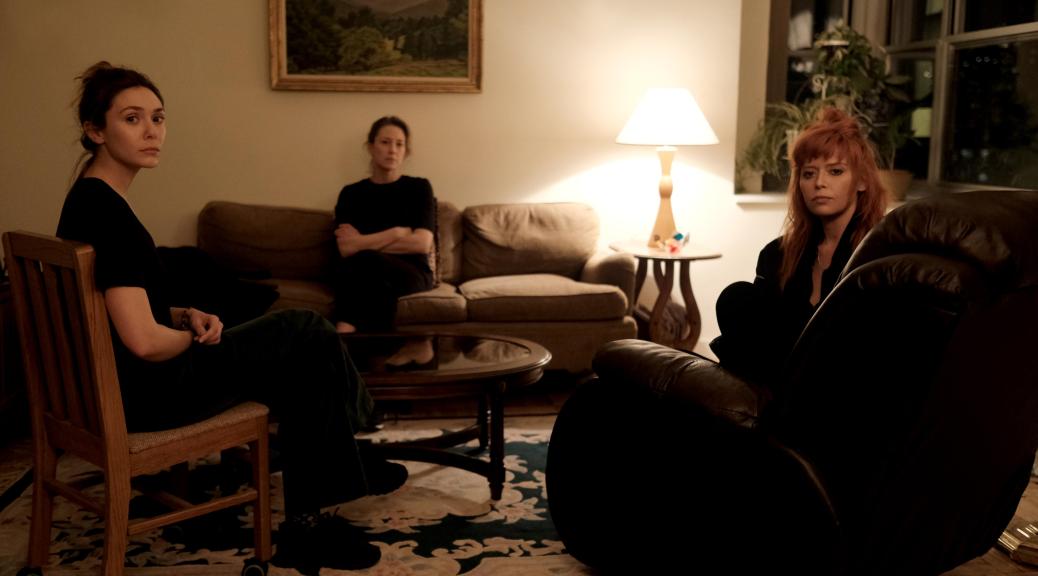
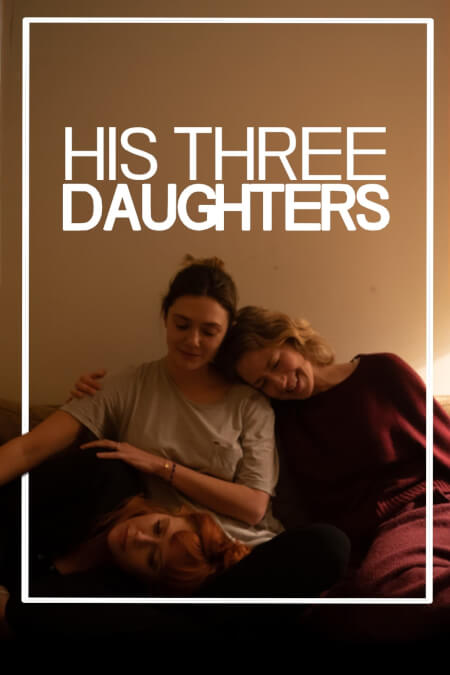
Death often brings out the worst in people, and not just from the dying. Old grudges are brought back to the fore, and people tend to reveal themselves and their true intentions when a loved one is on the verge of crossing over. His Three Daughters takes this idea, and writer-director Azazel Jacobs runs with it to create a deeply empathetic portrait of longstanding trauma, resentment, love, and sisterhood. It’s the kind of film which presents as simple in concept but has many moving things to say, featuring characters who feel real and imperfect because of the grounded performances from the lead actresses.
Starring: Gary Oldman, Jack Lowden, Kristin Scott Thomas, Saskia Reeves, Rosalind Eleazar, Christopher Chung, Jonathan Pryce, Hugo Weaving
Six episode season, six episodes watched for review
Grade: B+
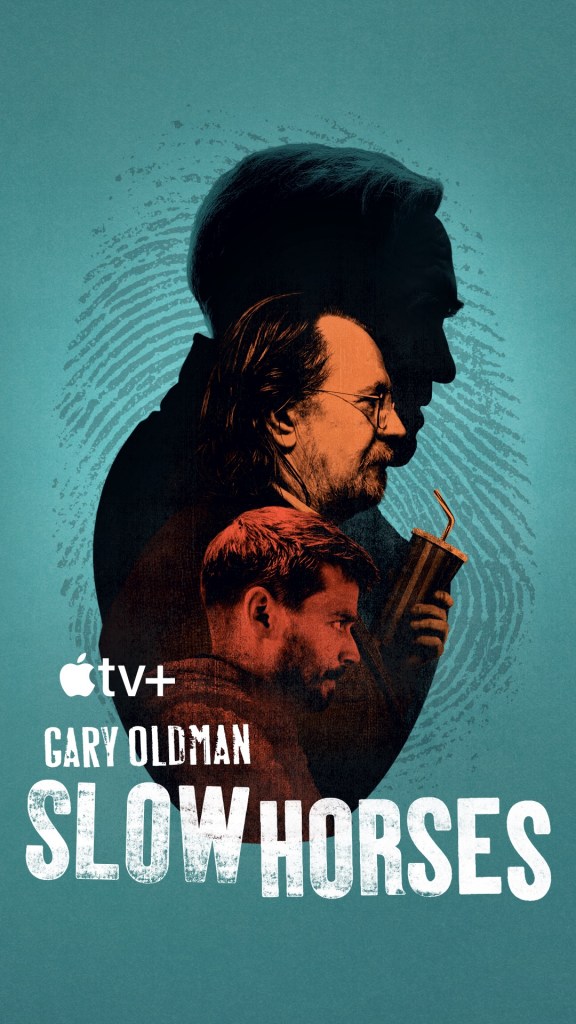
On the surface, Slow Horses doesn’t do anything radically different than any television show that was on the air 10 years ago. This shouldn’t make AppleTV+’s spy series sound outdated or old-fashioned; on the contrary – it’s a refreshingly modern and reliable adaptation of Mick Herron’s series of novels that makes its mark in the spy thriller genre. But in an age where new seasons of TV shows can take 2 or 3 years between releases, Slow Horses has churned out 4 solid seasons – the latest of which releases its season premiere of the 6 episode season today – in just 2 years.
The 97th Academy Awards will be presented on March 2, 2025. Here are our ranked predictions for who will be nominated and which films will win. Check back in, as the list will be updated often.










 The Movie State