Category Archives: Film Festivals

Heartland Film Festival 2024: Interview with Small Town Universe director Katie Dellamaggiore

Small Town Universe

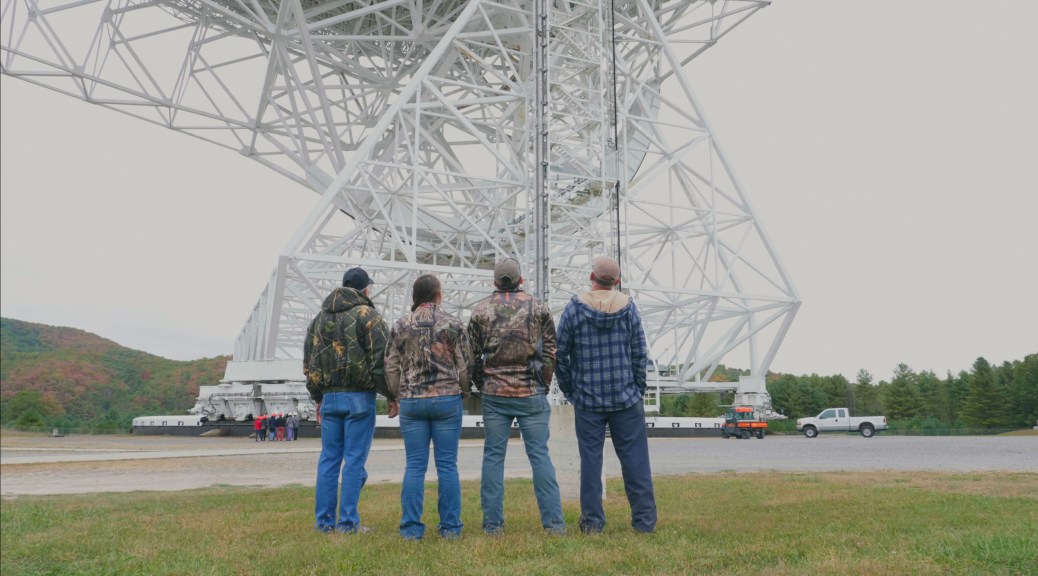
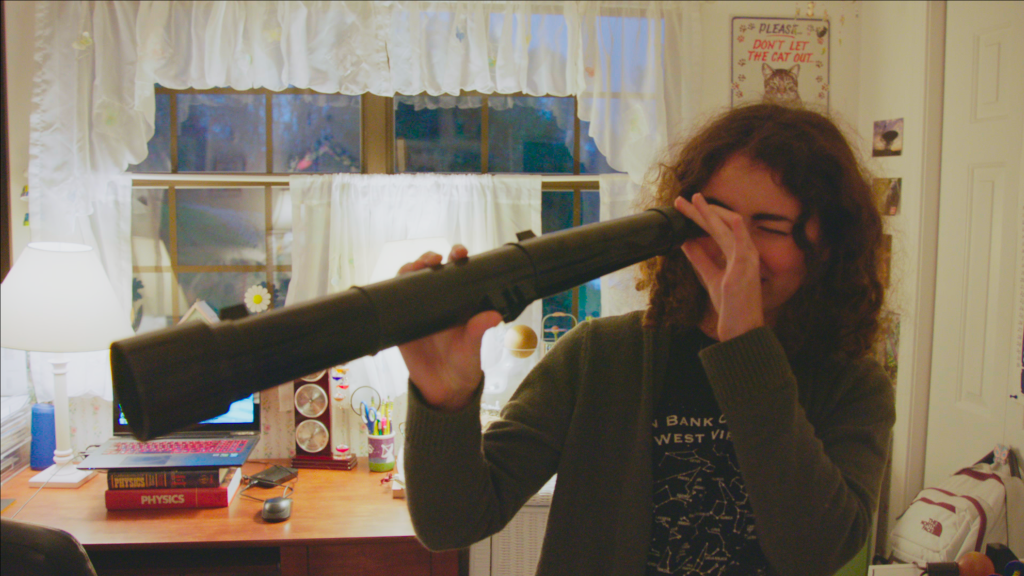
Below is my conversation with Katie Dellamaggiore, the director of Small Town Universe, a documentary about a small town in West Virginia, where cell phones and wireless internet are forbidden. But beyond the quirky origins of the town, the film explores the people within it, and their reliance on the funding that makes the space telescope possible. The film is making its Indiana premiere at the Heartland Film Festival. We discuss her origins with the project, the state of science in America, and belief in extraterrestrials. Our conversation has been edited and condensed for clarity.

Ben Sears: With any documentary, I’m always curious about how you initially came across the subject matter. So what was it that got you interested in making Small Town Universe? Do you have a personal connection to the town?

Katie Dellamaggiore: Actually, I had no prior relationship to the topic. For better or worse, I didn’t get much of a science education when I was younger. My husband, who’s my filmmaking partner, he’s very much into science fiction, like Star Wars and Star Trek. So I didn’t have that background going into it, but I think that’s probably why I was somewhat attracted to the story. Because it’s fun to learn something as an adult, making a film about a subject that you didn’t get a chance to learn about when you were younger.

In 2015 or 2016, I had just finished a film called Brooklyn Castle, and we had just had 2 kids, and my mom had died that year as well. But one night, my husband and I were chatting, and I asked, ‘do you think there’s a town with no cell phones?’ It wasn’t really clear to me at the time, but I was addicted to my cell phone, and it was the ramp up to the election. I had two babies at home but wasn’t getting out of the house a lot, and I think I was missing my mom a lot and her phone calls. So I googled it, and that’s how Green Bank, West Virginia came up. I couldn’t believe it! As I got more excited about the topic, it just evolved into something more than that. At the beginning, I thought maybe there could be a story about the fact that there are no cell phones, but it became more interesting to tell a story from the point of view of how the science was connecting people in the town.

BS: One of the segments of the documentary is about the people who move there specifically because they have the Electromagnetic Hypersensitivity. Did they have any kinds of reservations around you filming with them? Did it take any convincing to get them to be part of this?

KD: It’s interesting, because when I did that initial google search, a lot of the videos were news pieces that tended to hyper-focus on them because it’s kind of sexy and gets clicks. Some of them were desperate, for good reason, to want to tell their stories. Sometimes, maybe they weren’t aware that people were taking advantage of them, but they were very open because they want to be heard and have their story told. So I’d say there wasn’t a lot of trepidation because they wanted to get the word out. That being said, it was really important for me to figure out how to tell this story without having it ever feel like some sort of “gotcha” piece. It’s not my job to figure out the science behind this.

Sue, the person we ended up filming with, we hit it off because we’re both from New York. There was just an instant connection, and she was really happy to share her story. There wasn’t a lot of trepidation, but I think I felt like it could easily go in a bad direction. They will tell you that there are members of the community who maybe shouldn’t be on camera. So I just chose not to film with them. But it made me really happy, and they’ve all seen the film, and they’re really happy with it because there’s not much worse than having the subjects not feel good about the end product. The film isn’t about specifically their issue, so I’m happy for them to use it as much as they want. But Small Town Universe isn’t out there trying to convince people that cell phones are bad.

BS: Were there any technical limitations that made it difficult to shoot with them?

KD: The whole town, actually. For the majority of the time, we weren’t allowed to use wireless microphones. It wasn’t just Sue, but it was part of the rules that existed in Green Bank. Whenever we were filming in and around the telescope, we had to use a boom microphone. Not just a boom mic, but it had to be plugged into the back of the camera. So we had to make really small movements and couldn’t get far away from the action. It kind of challenged the way that we captured things. We were always really close to everything that was going on.

Looking back, we have some B-roll of wide shots, but the action was never happening in a wide shot. We always had to be right next to people, so that added some intimacy, but it was really because we had no choice. If we were really far away from the subject, we wouldn’t be capturing sound and I’d have no idea what was going on.

BS: When you first started filming, did you have a set idea of who you were going to follow, or did that change as you got more oriented into the town?

KD: My first trip to Green Bank, I went by myself as a research trip. I met George on my first trip, and then I met the folks who worked at the telescope and a woman named Karen early on. There were a few people I wanted to film with, and it didn’t pan out. Within a year of going down there, I met Ellie and her family, and Sue.

BS: One of the recurring questions that comes up throughout Small Town Universe is whether anybody believes in extraterrestrials, or life on other planets. Did you believe in that before shooting the film, and did that change all once you were done?

KD: I didn’t really think about it much before I started working on this. If you had asked me, I’d probably say ‘yea, I hope so!’ But like I said, I wasn’t the person who devoured a lot of content about it. My husband watches stuff like Ancient Aliens [laughs], but that wasn’t me. Now, I think, how can you believe that there’s not? Or at least scientifically speaking, when you understand the science behind it, there’s nothing kooky about it at all. I’m all-in about the Dirac equation now, and I just think that, as a species, there’s nothing better than continuing to challenge what we think and what we know. That’s what science is, and the science of extraterrestrial life is, like, a constant search for something that we don’t know the answer to. I think that just makes us better human beings, to not stop asking.

BS: Part of the backbone of the film is how the American government treats science as a priority. Did making this film change how you view our prioritization of science and exploration?

KD: It doesn’t appear that it’s a priority right now. I’m not an expert on this, but I think we tend to prioritize things that make money. Basic scientific research often doesn’t make money, so what’s wonderful about this telescope is that they have this program called Open Skies, where anybody who has an idea can apply for time on the telescope. So when federal funding gets taken away from something like this, that’s the thing that goes away first. For this facility to remain open now, from the National Science Foundation and Breakthrough Listen, it’s great, but it’s not a big government priority. Any kind of space exploration today is being funded by billionaires, for better or worse.

Small Town Universe will have in-person screenings at the Heartland Film Festival in Indianapolis, and will be available to stream online throughout the festival. Buy tickets here.

Heartland Film Festival: A Real Pain Review

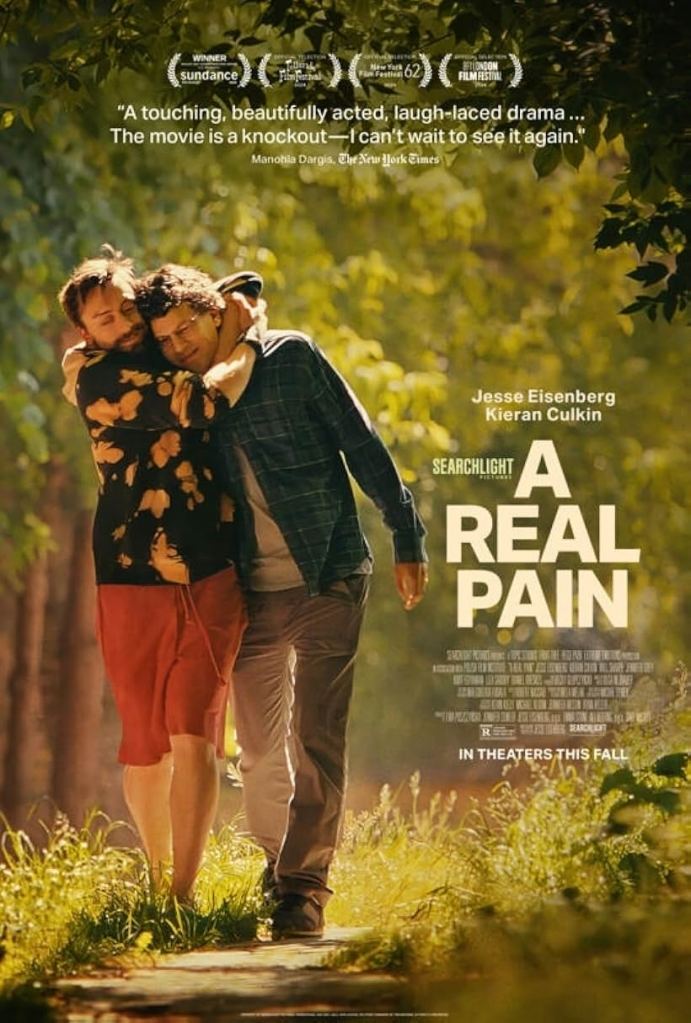
A Real Pain

  • Director: Jesse Eisenberg
  • Writer: Jesse Eisenberg
  • Starring: Jesse Eisenberg, Kieran Culkin, Jennifer Grey, Will Sharpe, Kurt, Egyiawan, Liza Sadovy, Daniel Oreskes

Grade: B+

Jesse Eisenberg’s second feature as writer-director shows a massive leap in maturity, thanks in large part to the personal subject matter at its heart. A Real Pain isn’t necessarily an autobiographical film for the multi-hyphenate star, but there are elements which he has explicitly stated are pulled from real-life details about his family history. It’s a free-wheeling road trip film that visits pain both personal and historical, anchored by an ensemble that gels together as well as any film this year.

Continue reading Heartland Film Festival: A Real Pain Review

Heartland Film Festival 2024: North Putnam, The Waiting Game, Attachment Project

North Putnam

“Do you remember when we had two grocery stores?” It’s an off-handed remark between two nameless citizens of director Joel Fendelman’s titular small town, but it reveals a great deal about its place in the world. North Putman follows a school year in and around the central Indiana school district, popping in and out of all of its various issues, big and small. It’s a fascinatingly complex look at small town life, and the ambitions of its residents. Whether it’s the big topics like a school board meeting discussing DEI initiatives, a kid bringing a knife to school, or something as small as kids telling jokes on a school bus, Fendelman’s camera gives it all equal weight. The film may not be anything revolutionary that wasn’t already explored in films like Frederick Wiseman’s Monrovia, Indiana (which is situated just 30 miles from North Putnam), but it’s an engrossing look at small town life under a microscope.

Buy virtual and in-person tickets here.

The Waiting Game

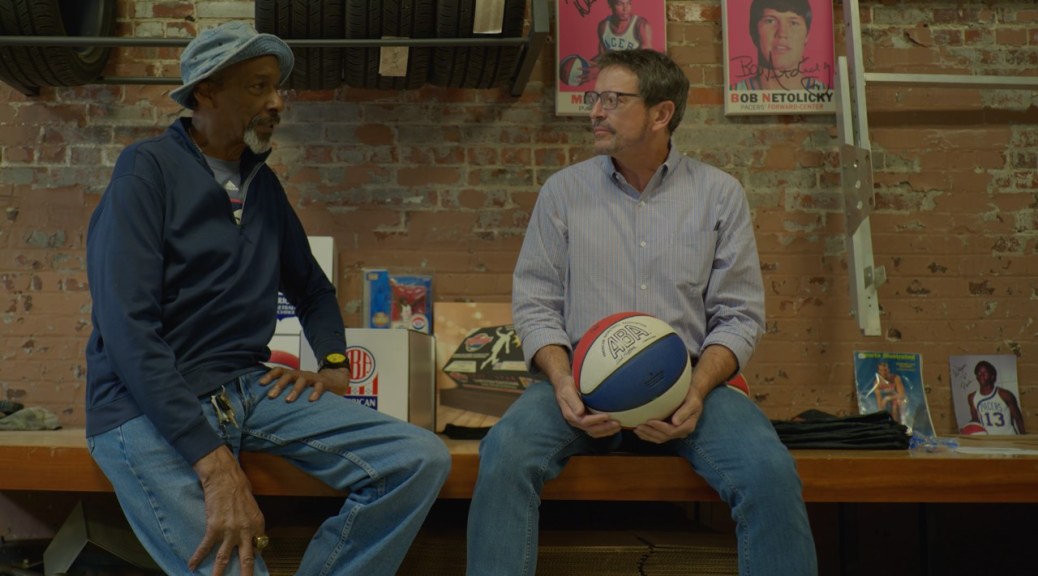
Indiana lives and breathes basketball, so a documentary like The Waiting Game, which chronicles the American Basketball Association’s retired players fighting for their well-earned pensions is – pardon the pun – a slam dunk. Michael Husain’s feature debut is more traditional in approach, with talking head interviews and Ken Burns-style photo overlays, but it always returns to its subjects and their quest for justice. It’s the kind of documentary that easily provokes, spotlighting the history of the ABA, and how instrumental their players were in the development of the NBA as we know it today. But those players, when the NBA absorbed the ABA, lost the rights to their pension and the healthcare that went with it. Whether you have an encyclopedic knowledge of basketball history, or simply want to learn about a modern David versus Goliath story, The Waiting Game is a confident piece of non-fiction storytelling.

Buy virtual and in-person tickets here.

Attachment Project

Joy Dietrich’s Attachment Project takes a personal look at adoption, and her long-simmering feelings towards the process and how difficult it can be for both children and adults to adapt. The film follows Joy, and a handful of fellow foreign-born adoptees, who struggled to fit in to their new surroundings when they were kids. What follows is a number of heartbreaking scenes that chronicle their parents often controversial ways of acclimating the kids through a number of difficult methods of therapy that often leave them off worse than the beginning. Dietrich herself goes on her own journey of discovery to reconnect with her adoptive father after a prolonged absence. The film raises a number of introspective questions that adoptees often face: Why did my birth parents abandon me? Am I worthy of being loved? Would my life have been better if I had remained with my birth parents? Attachment Project maybe doesn’t provide universal catharsis with its answers, but it shows a fascinating journey for its subjects nonetheless.

Buy virtual and in-person tickets here

Indy Shorts 2024: Coming of Age

We Met at Camp

Filmmakers have tackled the coming of age genre through countless ways and methods over the years, which makes the Coming of Age block at Indy Shorts one of the more enticing options available. Caught on Tape, written and directed by Chris Alan Evans and Alexander Jeffery, plays into the inherent awkwardness faced by teenage boys in the VHS era. When Finn first learns about the glories of pornography, he hatches a scheme to find his father’s collection. There’s a number of laughs and genuine truths to be found, in a film all about staying true to yourself during a time when everyone seems to tell you how the world works.

Ebb & Flow, written and directed by Nay Tabbara, takes a decidedly more dramatic and feminine approach, setting one young girl’s desires against the turmoil in Beirut. The threat of violence, referenced frequently throughout the film, works nicely as a metaphor as kids are forced to grow up more quickly than they should be. Of course, Loulwa and her friend are more concerned with sneaking away to meet up with a few boys on the beach, as she pines for her first kiss. Even if you don’t live in a warzone, there’s something universal about the film, where something like a teenage crush can feel like the end of the world at times.

Another non-English entry brimming with heart, Tomorrow, looks at the bonds of brothers as they come to terms with their differences. One younger brother prepares to go to school while his older brother, who has Down Syndrome, is left behind. The film is sparse in its plot, but it’s full of touching details that feel genuine, and the young performers are simply lovely, as if director Estefania Ortiz simply observed the actors in their natural habitats.

Easily the most comedic of the block is We Met at Camp, from MCPlaschke, about a group of friends as they obsess over their various summer camp crushes. Plaschke infuses the film with plenty of delightful period details (it takes place in 2004) that feel inherently specific, but with a genuinely queer sensibility. Even if you haven’t had a summer camp crush, there’s something relatable for everyone in the film if you’ve ever had an unattainable crush at a young age. Silly, smart, and heart-warming, We Met at Camp is a gem of the festival.

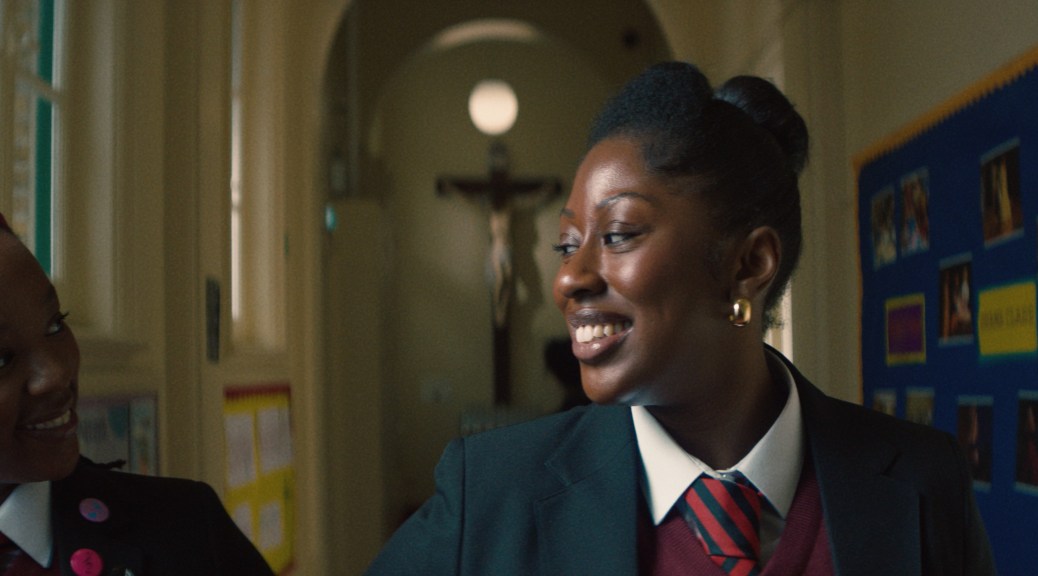
Finally, Essex Girls speaks to another universal experience of young adulthood. That is, finding the right social circle where you truly belong. Yero Timi-Biu’s film follows Bisola, a young Black girl who finds solidarity with another group of Black friends from a different school, since she is the only Black girl in her grade currently. Think of it as a live-action British version of Inside Out 2, where raging hormones and any number of intangibles lead to questioning loyalty between long-standing friends and the new, cool kids. Timi-Biu gives the film a real sense of care from the film’s opening, even when it veers into predictable character and story beats.

The Coming of Age block will screen at Indy Shorts Film Festival on July 28 at 2:45pm at the Living Room Theaters and in Indianapolis, and virtually through July 28. Buy tickets here.

Indy Shorts 2024: Horror

Nubes

Be Right Back follows a seven-year-old girl left alone in her home. When someone knocks on her door, she struggles to believe it is her mother or something sinister. Through excellent production design and cinematography, this film successfully captures what it is like for a child to be left alone and the horrors of what may proceed. The lack of editing during the scenes of tension brought a sense of uneasiness, which paralleled how the protagonist was feeling. The long, narrow hallways provide a feeling of discomfort and claustrophobia, which enhances the mood of the scenario. Despite the ten-minute runtime, the filmmakers bring the stakes to the tier of a feature-length film. 

What brings this movie down for me is the ending. While I enjoyed the final moments as a twist, I feel the narrative would’ve improved if it stuck to a child’s nightmare rather than the more sinister approach. Nonetheless, there is real promise from Lucas Paulino and Gabe Ibáñez as they have already mastered the craft of suspense through slow but impactful tension-building. 

La Croix sees Jade, a young graphic designer, encounter strange phenomena after practicing a ritual with her friend. While I loved the presentation and imagery-centered scares, this needed to be feature-length to complete the story. Joris Fleurot developed a practical world of ghostly happenings that needed more time to become effective. The first half of the film feels more like the audience is playing catch-up rather than building something of emotional merit. The second half is where the film goes all in on the scares. Through integral sound design and ominous lighting, Fleurot shows true talent in portraying ghostly horror, which I would put on par with most Hollywood filmmakers of today. 

Even though I found many aspects to be rushed and underdeveloped, I found the experience as a whole to be worthwhile due to Fleurot’s vision. If this premise became a feature-length film, I would be sure to check it out. 

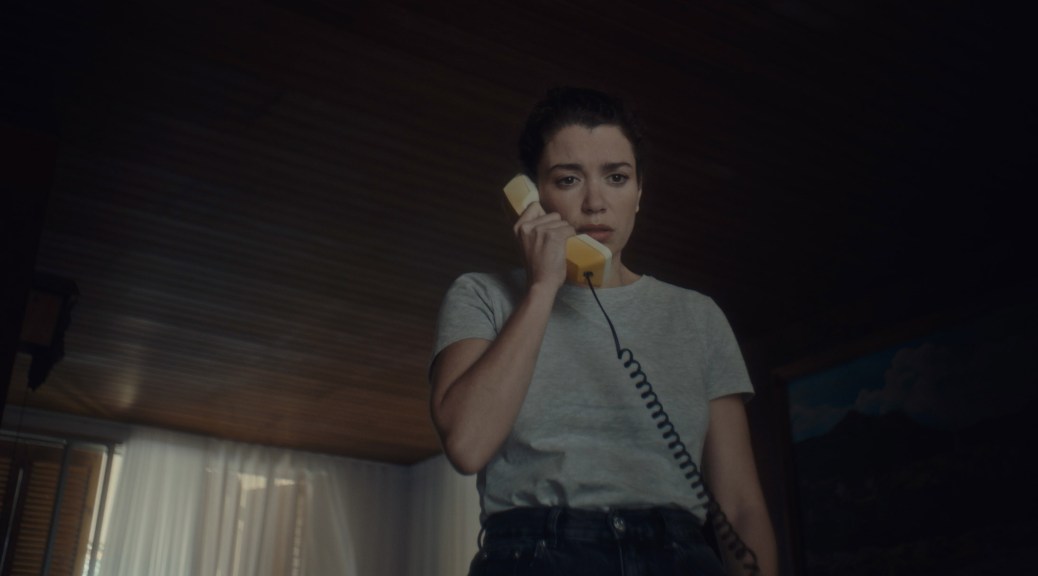
Dark Mommy follows a 911 operator whose average night on the job turns sinister after a group of prank calls turn deadly. I loved how this film utilized body horror. Through articulate sound design and committed physical performances, the film created an uncomfortability that I was not expecting when the movie began. The repetitious nature of the script makes it easy to believe that the protagonist has worked this job for years while building tension for the latter half of the film. The child’s voice performance is just as impactful as the work done physically by the rest of the cast, conveying the emotion needed to build the scares.

The acting in the first few minutes is one of the major setbacks of Dark Mommy. The co-workers bring an unclear tone to the film through their diction and facial expressions, feeling haphazard compared to the level on which the rest of the cast is operating. The final reveal isn’t anything spectacular, mainly staying to genre conventions rather than doing something more powerful. While it isn’t the most powerful or horrific watch, it is worthy of a short film length due to the technical elements and some standout performances.

Nubes sees a daughter who discovers a dark secret in her father’s house, leading her to choose between right and wrong. Watching this film was an empty experience for me. Even though I was taken aback by the beginning reveal, I found the rest of the film to lack the heart and sense of urgency needed for a genre film like this. The film attempts to tackle ideas of familial trauma, but there isn’t enough development to make the experience worthwhile. The orchestral score and colorless production design help convey the mood of the environment, but the story didn’t deliver the thrills or thematic concepts necessary to be called fulfilling.

While I didn’t find many overall takeaways, I did appreciate the style that Edu Escudero utilized to tell the story. Most of the horror is viewed through the atmosphere, and I found it to perfectly complement the bleak and dreadful tone. Even though I wasn’t attracted to the story, I enjoyed it as an exercise in horror filmmaking.

The Horror block will screen at Indy Shorts Film Festival on July 25 at 7:45 at the Living Room Theaters and in Indianapolis, and virtually through July 28. Buy tickets here.

Indy Shorts 2024: Indiana Spotlight

The Invisible Crown

The Indiana Spotlight block offers almost 20 short films, providing a potent mix of narrative and documentary short films which showcase Indiana’s unique personality, and the talents of Indiana filmmakers. Though Saving Superman concerns an autistic man from Glen Ellyn, Illinois, its directors, Samuel-Ali Mirpoorian and Adam Oppenheim, are Hoosiers. Mirpoorian has tackled similar subject matter in films like Safe Place and Greener Pastures; namely, the deeply human stories which often fall between the cracks of the small towns that make up this country. The film serves as a character study of Jonathan, an autistic man who idolizes Superman, even going so far as to dress up and march in the Glen Ellyn Fourth of July parade every year. Oppenheim and Mirpoorian arrive at a place of genuine emotion, but if anything is missing from Saving Superman, it’s more time.

Just as individuals make up a community, individual neighborhoods have the ability to exude their own personalities, and that’s exactly that ¡HAWTHORNE! an indy west side story is all about. Josh Chitwood’s film explores the Indianapolis west side community of Hawthorne by digging in to its past, present, and future. The neighborhood has dealt with all manner of socio-economic issues over the years, from a brush with the Klan to its current status as a melting pot of ethnicities and backgrounds. Since I’m also making a documentary about a specific Indianapolis west side neighborhood, ¡HAWTHORNE! shows that there’s no shortage of varied stories to be found, even within a few square miles of each other.

Just a few square miles from where Daniel screens, you can find the subject and the venue showcased in Alex Rodgers’ documentary. For better and worse, the film feels first and foremost like a project amongst friends, as it tells the quirky story of Daniel Jacobsen, one of the founders of the Kan Kan Cinema in Indianapolis. Though the film could easily be expanded more to dive into all of the nooks and crannies of Daniel’s life, Daniel remains a fun look at creative passion and how it can be manifested to better the community.

Just like Daniel, The Invisible Crown approaches an inside look at an Indiana creator. In this case, Hannah Lindgren (who also co-produces the film) takes us inside her struggle with endometriosis, and the struggles which women often face in medical diagnoses. Lindgren holds nothing back, displaying all her vulnerabilities as she approaches a fourth surgery to get a handle on her disease, and the results are emotionally rewarding.

One of the block’s few narrative films, Places We Knew, actually doesn’t even take place in this country, much less this state. Writer and director Oliver William Staton shows that you really can’t go home again, even when your home is halfway across the world. It’s the semi-familiar story of a Japanese-American young adult returning to his boyhood home in rural Japan as he tries to reconcile with his mother. Though the set-up is well worn territory, Staton lets the drama play out naturally, which is especially rewarding in a genre where emotions are frequently heightened.

Speaking of unique films, Kurtis Bowersock’s Physical Matters is one of the festival’s most unique offerings, in both style and substance. The film’s threadbare story follows a pair of marine biologists as they dissect a beached whale. Animated with a kind of watercolor aesthetic, Physical Matters is short, sweet, and to the point, but there’s an intangible heart that bleeds through after the credits roll. Indie animation is rare on this scale, and Bowersock makes it look easy.

The Indiana Spotlight blocks will screen at Indy Shorts Film Festival on July 23 at 7 and 7:30pm at the Living Room Theaters and in Indianapolis, and virtually through July 28. Buy tickets here.

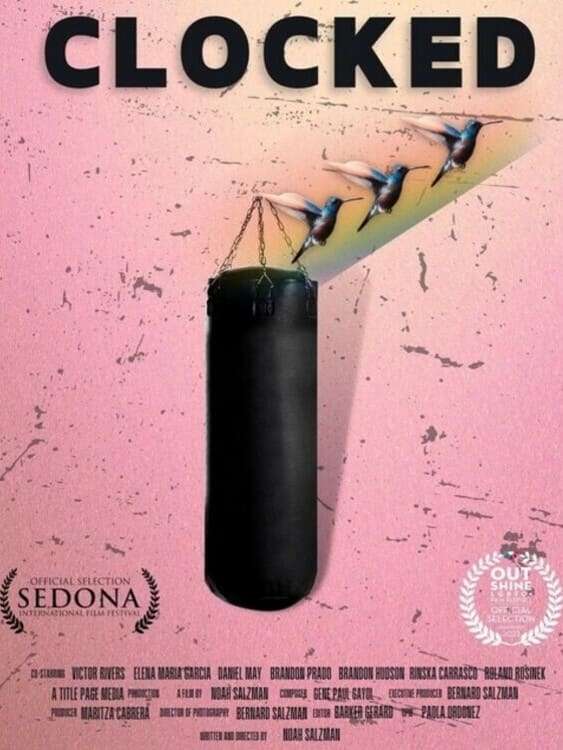
Indy Film Fest 2024: Clocked Review

Clocked

  • Director: Noah Salzman
  • Writer: Noah Salzman
  • Starring: Germain Arroyo, Victor Rivers, Marisa Davila, Brody Wellmaker

Grade: B

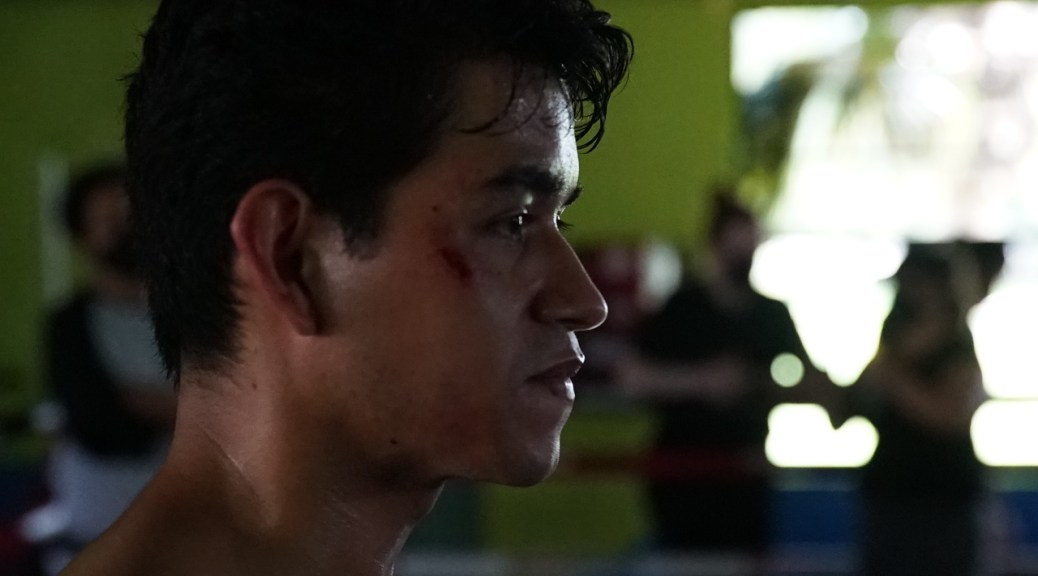
This year’s Indy Film Fest has previewed a variety of coming-of-age films. Movies like Last Days of Summer and No Right Way present an original take on the familiar genre by shedding light on unfamiliar territory. Clocked is another film in this genre as it shows the struggles of growing up through gender and sports. 

Continue reading Indy Film Fest 2024: Clocked Review

Indy Film Fest 2024: No Right Way Review

No Right Way

  • Director: Chelsea Bo
  • Writer: Chelsea Bo
  • Starring: Ava Acres, Chelsea Bo, Eliza Coupe, Sufe Bradshaw

Grade: B

There are plenty of films about the relationship between a young adolescent and older adult figure, with one of my favorites being 2021’s C’mon C’mon. There’s something about this slice-of-life format that’s always such a joy to experience. Seeing two unlikely protagonists bond over their shared issues is constantly heartwarming, no matter how many times it’s portrayed on film. While the structure of No Right Way parallels similar films of the genre, this edition brings a newfound perspective that feels extremely fresh.

Continue reading Indy Film Fest 2024: No Right Way Review

Indy Film Fest 2024: Darla in Space Review

Darla in Space

  • Directors: Eric Laplante, Susie Moon
  • Writers: Eric Laplante, Susie Moon
  • Starring: Alex E. Harris, Constance Shulman, Thomas Jay Ryan

Grade: B

Only recently have Hollywood studios been less skittish about including sex-related activities in their films. Whether it is big-budget features like Oppenheimer and Poor Things, or smaller comedies like No Hard Feelings, sex is making a comeback. Darla in Space is the next sex-centered film in this new wave. While the film has a different perspective on sexuality compared to most, it brings a discussion that’s rarely seen in cinema anymore. 

Continue reading Indy Film Fest 2024: Darla in Space Review

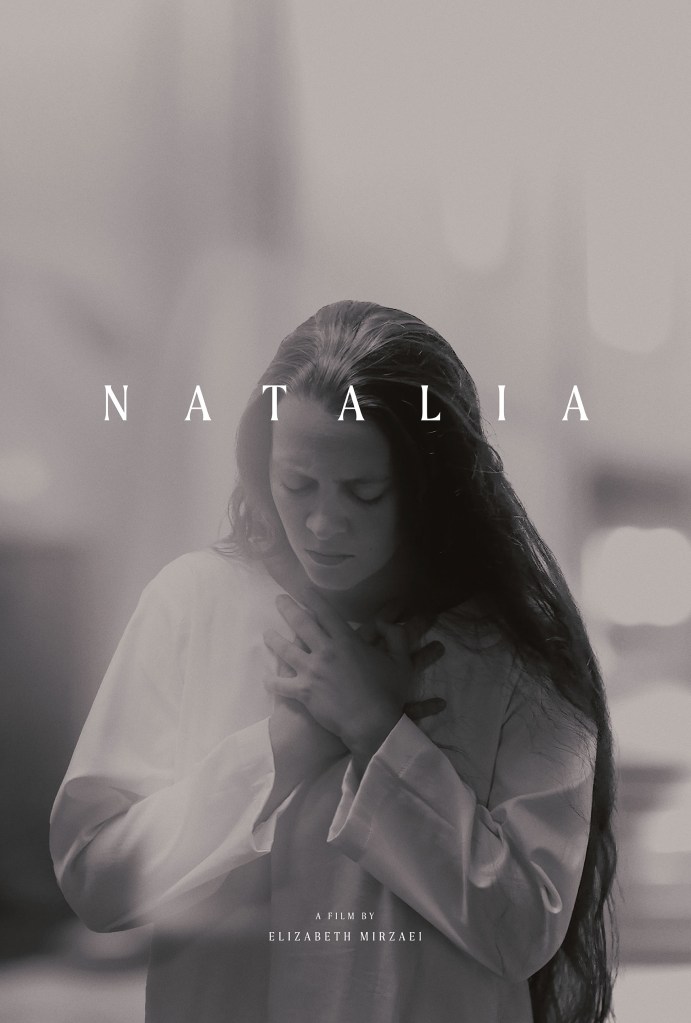
Indy Film Fest 2024: Natalia Review

Natalia

  • Director: Elizabeth Mirzaei

Grade: A-

Faith in a higher power can manifest itself in unique ways. In Elizabeth Mirzaei’s enlightening documentary Natalia, faith is personified in its titular charismatic subject as she trains for the sisterhood in the Byzantine Catholic church. For most men and women of faith, they’re called into the life because they view it as just that – a calling. But for Natalia, a 29-year old from rural Ohio, the answer is more complicated.

Continue reading Indy Film Fest 2024: Natalia Review