Category Archives: Uncategorized

Heartland Film Festival 2024: Interview with Small Town Universe director Katie Dellamaggiore

Small Town Universe

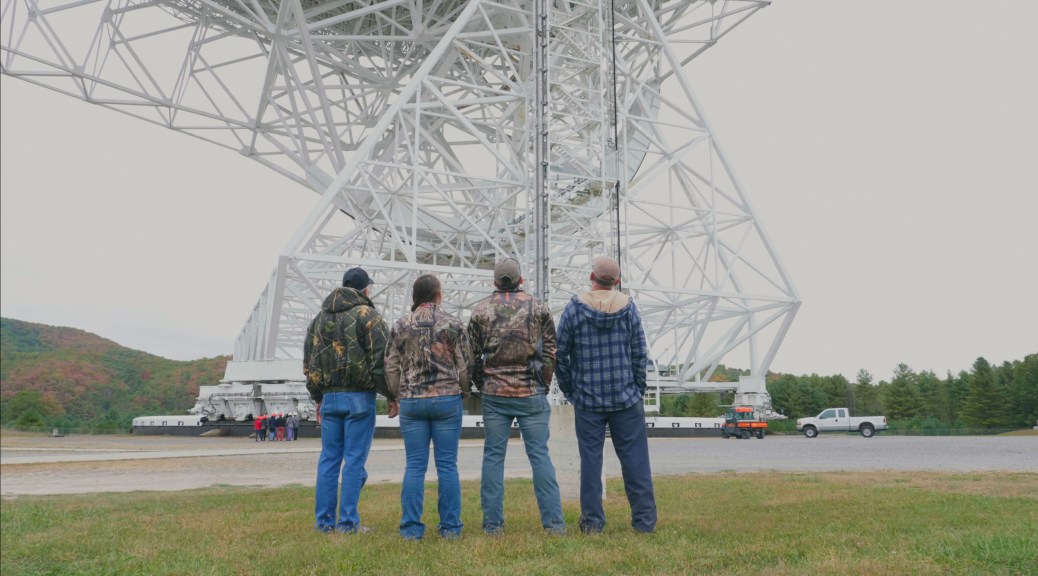
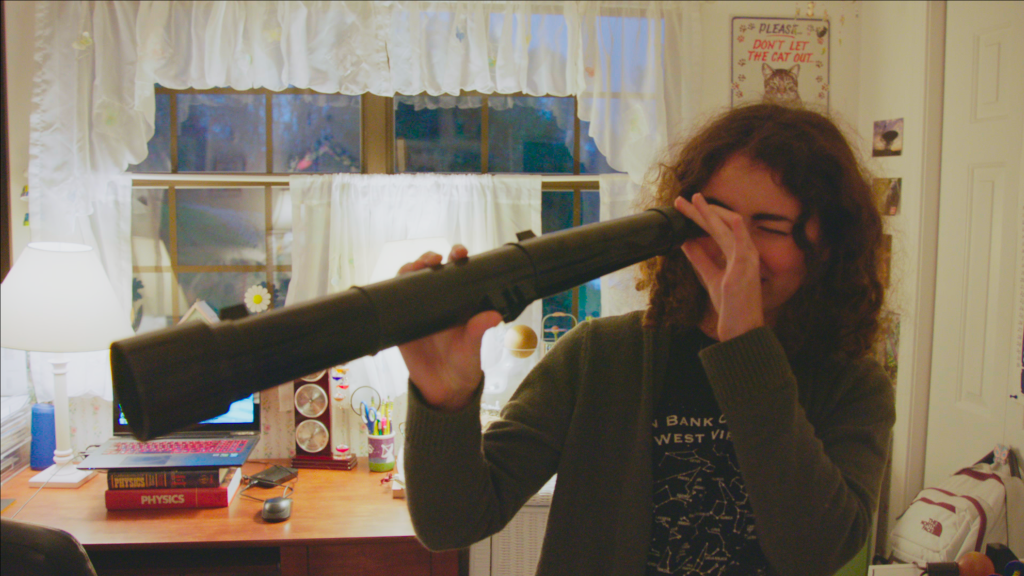
Below is my conversation with Katie Dellamaggiore, the director of Small Town Universe, a documentary about a small town in West Virginia, where cell phones and wireless internet are forbidden. But beyond the quirky origins of the town, the film explores the people within it, and their reliance on the funding that makes the space telescope possible. The film is making its Indiana premiere at the Heartland Film Festival. We discuss her origins with the project, the state of science in America, and belief in extraterrestrials. Our conversation has been edited and condensed for clarity.

Ben Sears: With any documentary, I’m always curious about how you initially came across the subject matter. So what was it that got you interested in making Small Town Universe? Do you have a personal connection to the town?

Katie Dellamaggiore: Actually, I had no prior relationship to the topic. For better or worse, I didn’t get much of a science education when I was younger. My husband, who’s my filmmaking partner, he’s very much into science fiction, like Star Wars and Star Trek. So I didn’t have that background going into it, but I think that’s probably why I was somewhat attracted to the story. Because it’s fun to learn something as an adult, making a film about a subject that you didn’t get a chance to learn about when you were younger.

In 2015 or 2016, I had just finished a film called Brooklyn Castle, and we had just had 2 kids, and my mom had died that year as well. But one night, my husband and I were chatting, and I asked, ‘do you think there’s a town with no cell phones?’ It wasn’t really clear to me at the time, but I was addicted to my cell phone, and it was the ramp up to the election. I had two babies at home but wasn’t getting out of the house a lot, and I think I was missing my mom a lot and her phone calls. So I googled it, and that’s how Green Bank, West Virginia came up. I couldn’t believe it! As I got more excited about the topic, it just evolved into something more than that. At the beginning, I thought maybe there could be a story about the fact that there are no cell phones, but it became more interesting to tell a story from the point of view of how the science was connecting people in the town.

BS: One of the segments of the documentary is about the people who move there specifically because they have the Electromagnetic Hypersensitivity. Did they have any kinds of reservations around you filming with them? Did it take any convincing to get them to be part of this?

KD: It’s interesting, because when I did that initial google search, a lot of the videos were news pieces that tended to hyper-focus on them because it’s kind of sexy and gets clicks. Some of them were desperate, for good reason, to want to tell their stories. Sometimes, maybe they weren’t aware that people were taking advantage of them, but they were very open because they want to be heard and have their story told. So I’d say there wasn’t a lot of trepidation because they wanted to get the word out. That being said, it was really important for me to figure out how to tell this story without having it ever feel like some sort of “gotcha” piece. It’s not my job to figure out the science behind this.

Sue, the person we ended up filming with, we hit it off because we’re both from New York. There was just an instant connection, and she was really happy to share her story. There wasn’t a lot of trepidation, but I think I felt like it could easily go in a bad direction. They will tell you that there are members of the community who maybe shouldn’t be on camera. So I just chose not to film with them. But it made me really happy, and they’ve all seen the film, and they’re really happy with it because there’s not much worse than having the subjects not feel good about the end product. The film isn’t about specifically their issue, so I’m happy for them to use it as much as they want. But Small Town Universe isn’t out there trying to convince people that cell phones are bad.

BS: Were there any technical limitations that made it difficult to shoot with them?

KD: The whole town, actually. For the majority of the time, we weren’t allowed to use wireless microphones. It wasn’t just Sue, but it was part of the rules that existed in Green Bank. Whenever we were filming in and around the telescope, we had to use a boom microphone. Not just a boom mic, but it had to be plugged into the back of the camera. So we had to make really small movements and couldn’t get far away from the action. It kind of challenged the way that we captured things. We were always really close to everything that was going on.

Looking back, we have some B-roll of wide shots, but the action was never happening in a wide shot. We always had to be right next to people, so that added some intimacy, but it was really because we had no choice. If we were really far away from the subject, we wouldn’t be capturing sound and I’d have no idea what was going on.

BS: When you first started filming, did you have a set idea of who you were going to follow, or did that change as you got more oriented into the town?

KD: My first trip to Green Bank, I went by myself as a research trip. I met George on my first trip, and then I met the folks who worked at the telescope and a woman named Karen early on. There were a few people I wanted to film with, and it didn’t pan out. Within a year of going down there, I met Ellie and her family, and Sue.

BS: One of the recurring questions that comes up throughout Small Town Universe is whether anybody believes in extraterrestrials, or life on other planets. Did you believe in that before shooting the film, and did that change all once you were done?

KD: I didn’t really think about it much before I started working on this. If you had asked me, I’d probably say ‘yea, I hope so!’ But like I said, I wasn’t the person who devoured a lot of content about it. My husband watches stuff like Ancient Aliens [laughs], but that wasn’t me. Now, I think, how can you believe that there’s not? Or at least scientifically speaking, when you understand the science behind it, there’s nothing kooky about it at all. I’m all-in about the Dirac equation now, and I just think that, as a species, there’s nothing better than continuing to challenge what we think and what we know. That’s what science is, and the science of extraterrestrial life is, like, a constant search for something that we don’t know the answer to. I think that just makes us better human beings, to not stop asking.

BS: Part of the backbone of the film is how the American government treats science as a priority. Did making this film change how you view our prioritization of science and exploration?

KD: It doesn’t appear that it’s a priority right now. I’m not an expert on this, but I think we tend to prioritize things that make money. Basic scientific research often doesn’t make money, so what’s wonderful about this telescope is that they have this program called Open Skies, where anybody who has an idea can apply for time on the telescope. So when federal funding gets taken away from something like this, that’s the thing that goes away first. For this facility to remain open now, from the National Science Foundation and Breakthrough Listen, it’s great, but it’s not a big government priority. Any kind of space exploration today is being funded by billionaires, for better or worse.

Small Town Universe will have in-person screenings at the Heartland Film Festival in Indianapolis, and will be available to stream online throughout the festival. Buy tickets here.
Heartland Film Festival 2024: North Putnam, The Waiting Game, Attachment Project

North Putnam

“Do you remember when we had two grocery stores?” It’s an off-handed remark between two nameless citizens of director Joel Fendelman’s titular small town, but it reveals a great deal about its place in the world. North Putman follows a school year in and around the central Indiana school district, popping in and out of all of its various issues, big and small. It’s a fascinatingly complex look at small town life, and the ambitions of its residents. Whether it’s the big topics like a school board meeting discussing DEI initiatives, a kid bringing a knife to school, or something as small as kids telling jokes on a school bus, Fendelman’s camera gives it all equal weight. The film may not be anything revolutionary that wasn’t already explored in films like Frederick Wiseman’s Monrovia, Indiana (which is situated just 30 miles from North Putnam), but it’s an engrossing look at small town life under a microscope.

Buy virtual and in-person tickets here.

The Waiting Game

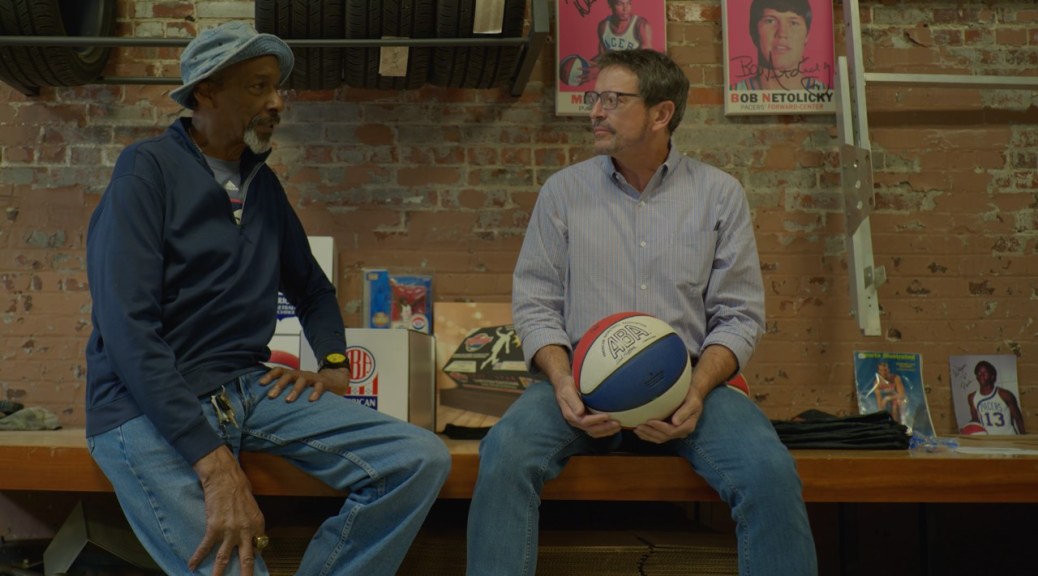
Indiana lives and breathes basketball, so a documentary like The Waiting Game, which chronicles the American Basketball Association’s retired players fighting for their well-earned pensions is – pardon the pun – a slam dunk. Michael Husain’s feature debut is more traditional in approach, with talking head interviews and Ken Burns-style photo overlays, but it always returns to its subjects and their quest for justice. It’s the kind of documentary that easily provokes, spotlighting the history of the ABA, and how instrumental their players were in the development of the NBA as we know it today. But those players, when the NBA absorbed the ABA, lost the rights to their pension and the healthcare that went with it. Whether you have an encyclopedic knowledge of basketball history, or simply want to learn about a modern David versus Goliath story, The Waiting Game is a confident piece of non-fiction storytelling.

Buy virtual and in-person tickets here.

Attachment Project

Joy Dietrich’s Attachment Project takes a personal look at adoption, and her long-simmering feelings towards the process and how difficult it can be for both children and adults to adapt. The film follows Joy, and a handful of fellow foreign-born adoptees, who struggled to fit in to their new surroundings when they were kids. What follows is a number of heartbreaking scenes that chronicle their parents often controversial ways of acclimating the kids through a number of difficult methods of therapy that often leave them off worse than the beginning. Dietrich herself goes on her own journey of discovery to reconnect with her adoptive father after a prolonged absence. The film raises a number of introspective questions that adoptees often face: Why did my birth parents abandon me? Am I worthy of being loved? Would my life have been better if I had remained with my birth parents? Attachment Project maybe doesn’t provide universal catharsis with its answers, but it shows a fascinating journey for its subjects nonetheless.

Buy virtual and in-person tickets here

Indy Shorts 2024: Coming of Age

We Met at Camp

Filmmakers have tackled the coming of age genre through countless ways and methods over the years, which makes the Coming of Age block at Indy Shorts one of the more enticing options available. Caught on Tape, written and directed by Chris Alan Evans and Alexander Jeffery, plays into the inherent awkwardness faced by teenage boys in the VHS era. When Finn first learns about the glories of pornography, he hatches a scheme to find his father’s collection. There’s a number of laughs and genuine truths to be found, in a film all about staying true to yourself during a time when everyone seems to tell you how the world works.

Ebb & Flow, written and directed by Nay Tabbara, takes a decidedly more dramatic and feminine approach, setting one young girl’s desires against the turmoil in Beirut. The threat of violence, referenced frequently throughout the film, works nicely as a metaphor as kids are forced to grow up more quickly than they should be. Of course, Loulwa and her friend are more concerned with sneaking away to meet up with a few boys on the beach, as she pines for her first kiss. Even if you don’t live in a warzone, there’s something universal about the film, where something like a teenage crush can feel like the end of the world at times.

Another non-English entry brimming with heart, Tomorrow, looks at the bonds of brothers as they come to terms with their differences. One younger brother prepares to go to school while his older brother, who has Down Syndrome, is left behind. The film is sparse in its plot, but it’s full of touching details that feel genuine, and the young performers are simply lovely, as if director Estefania Ortiz simply observed the actors in their natural habitats.

Easily the most comedic of the block is We Met at Camp, from MCPlaschke, about a group of friends as they obsess over their various summer camp crushes. Plaschke infuses the film with plenty of delightful period details (it takes place in 2004) that feel inherently specific, but with a genuinely queer sensibility. Even if you haven’t had a summer camp crush, there’s something relatable for everyone in the film if you’ve ever had an unattainable crush at a young age. Silly, smart, and heart-warming, We Met at Camp is a gem of the festival.

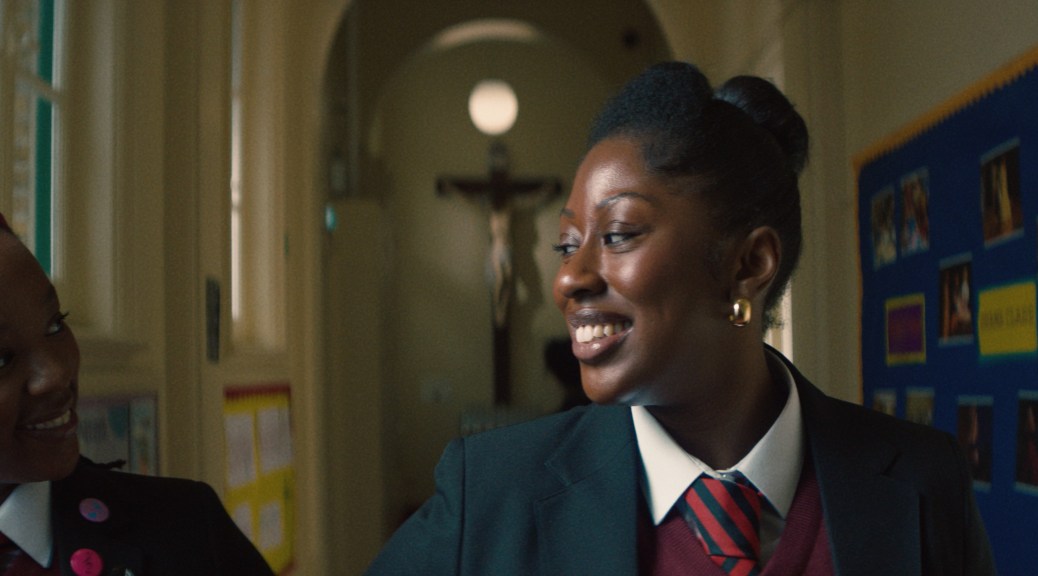
Finally, Essex Girls speaks to another universal experience of young adulthood. That is, finding the right social circle where you truly belong. Yero Timi-Biu’s film follows Bisola, a young Black girl who finds solidarity with another group of Black friends from a different school, since she is the only Black girl in her grade currently. Think of it as a live-action British version of Inside Out 2, where raging hormones and any number of intangibles lead to questioning loyalty between long-standing friends and the new, cool kids. Timi-Biu gives the film a real sense of care from the film’s opening, even when it veers into predictable character and story beats.

The Coming of Age block will screen at Indy Shorts Film Festival on July 28 at 2:45pm at the Living Room Theaters and in Indianapolis, and virtually through July 28. Buy tickets here.
Indy Shorts 2024: Horror

Nubes

Be Right Back follows a seven-year-old girl left alone in her home. When someone knocks on her door, she struggles to believe it is her mother or something sinister. Through excellent production design and cinematography, this film successfully captures what it is like for a child to be left alone and the horrors of what may proceed. The lack of editing during the scenes of tension brought a sense of uneasiness, which paralleled how the protagonist was feeling. The long, narrow hallways provide a feeling of discomfort and claustrophobia, which enhances the mood of the scenario. Despite the ten-minute runtime, the filmmakers bring the stakes to the tier of a feature-length film. 

What brings this movie down for me is the ending. While I enjoyed the final moments as a twist, I feel the narrative would’ve improved if it stuck to a child’s nightmare rather than the more sinister approach. Nonetheless, there is real promise from Lucas Paulino and Gabe Ibáñez as they have already mastered the craft of suspense through slow but impactful tension-building. 

La Croix sees Jade, a young graphic designer, encounter strange phenomena after practicing a ritual with her friend. While I loved the presentation and imagery-centered scares, this needed to be feature-length to complete the story. Joris Fleurot developed a practical world of ghostly happenings that needed more time to become effective. The first half of the film feels more like the audience is playing catch-up rather than building something of emotional merit. The second half is where the film goes all in on the scares. Through integral sound design and ominous lighting, Fleurot shows true talent in portraying ghostly horror, which I would put on par with most Hollywood filmmakers of today. 

Even though I found many aspects to be rushed and underdeveloped, I found the experience as a whole to be worthwhile due to Fleurot’s vision. If this premise became a feature-length film, I would be sure to check it out. 

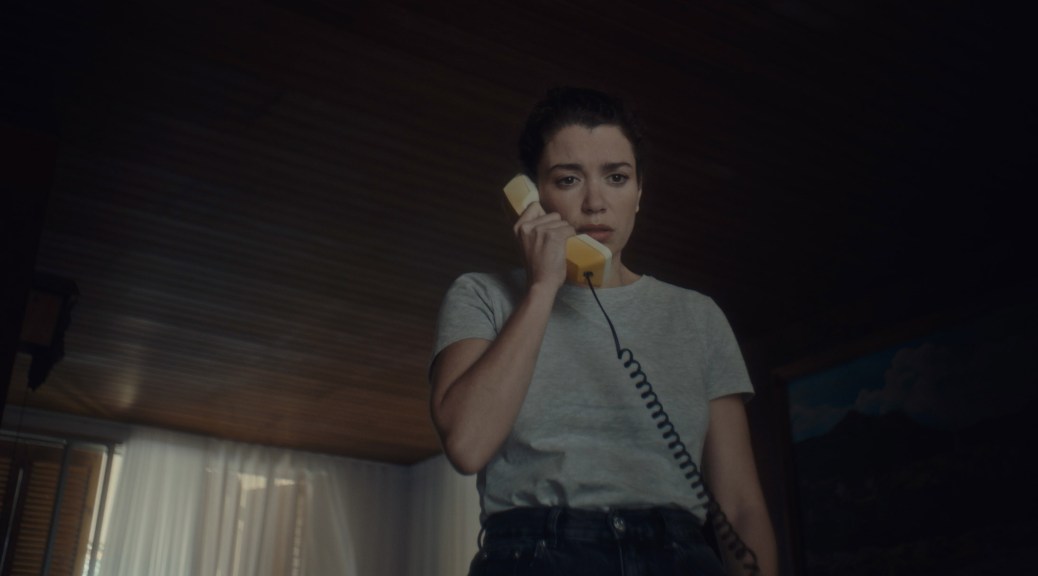
Dark Mommy follows a 911 operator whose average night on the job turns sinister after a group of prank calls turn deadly. I loved how this film utilized body horror. Through articulate sound design and committed physical performances, the film created an uncomfortability that I was not expecting when the movie began. The repetitious nature of the script makes it easy to believe that the protagonist has worked this job for years while building tension for the latter half of the film. The child’s voice performance is just as impactful as the work done physically by the rest of the cast, conveying the emotion needed to build the scares.

The acting in the first few minutes is one of the major setbacks of Dark Mommy. The co-workers bring an unclear tone to the film through their diction and facial expressions, feeling haphazard compared to the level on which the rest of the cast is operating. The final reveal isn’t anything spectacular, mainly staying to genre conventions rather than doing something more powerful. While it isn’t the most powerful or horrific watch, it is worthy of a short film length due to the technical elements and some standout performances.

Nubes sees a daughter who discovers a dark secret in her father’s house, leading her to choose between right and wrong. Watching this film was an empty experience for me. Even though I was taken aback by the beginning reveal, I found the rest of the film to lack the heart and sense of urgency needed for a genre film like this. The film attempts to tackle ideas of familial trauma, but there isn’t enough development to make the experience worthwhile. The orchestral score and colorless production design help convey the mood of the environment, but the story didn’t deliver the thrills or thematic concepts necessary to be called fulfilling.

While I didn’t find many overall takeaways, I did appreciate the style that Edu Escudero utilized to tell the story. Most of the horror is viewed through the atmosphere, and I found it to perfectly complement the bleak and dreadful tone. Even though I wasn’t attracted to the story, I enjoyed it as an exercise in horror filmmaking.

The Horror block will screen at Indy Shorts Film Festival on July 25 at 7:45 at the Living Room Theaters and in Indianapolis, and virtually through July 28. Buy tickets here.

Indy Shorts 2024: Indiana Spotlight

The Invisible Crown

The Indiana Spotlight block offers almost 20 short films, providing a potent mix of narrative and documentary short films which showcase Indiana’s unique personality, and the talents of Indiana filmmakers. Though Saving Superman concerns an autistic man from Glen Ellyn, Illinois, its directors, Samuel-Ali Mirpoorian and Adam Oppenheim, are Hoosiers. Mirpoorian has tackled similar subject matter in films like Safe Place and Greener Pastures; namely, the deeply human stories which often fall between the cracks of the small towns that make up this country. The film serves as a character study of Jonathan, an autistic man who idolizes Superman, even going so far as to dress up and march in the Glen Ellyn Fourth of July parade every year. Oppenheim and Mirpoorian arrive at a place of genuine emotion, but if anything is missing from Saving Superman, it’s more time.

Just as individuals make up a community, individual neighborhoods have the ability to exude their own personalities, and that’s exactly that ¡HAWTHORNE! an indy west side story is all about. Josh Chitwood’s film explores the Indianapolis west side community of Hawthorne by digging in to its past, present, and future. The neighborhood has dealt with all manner of socio-economic issues over the years, from a brush with the Klan to its current status as a melting pot of ethnicities and backgrounds. Since I’m also making a documentary about a specific Indianapolis west side neighborhood, ¡HAWTHORNE! shows that there’s no shortage of varied stories to be found, even within a few square miles of each other.

Just a few square miles from where Daniel screens, you can find the subject and the venue showcased in Alex Rodgers’ documentary. For better and worse, the film feels first and foremost like a project amongst friends, as it tells the quirky story of Daniel Jacobsen, one of the founders of the Kan Kan Cinema in Indianapolis. Though the film could easily be expanded more to dive into all of the nooks and crannies of Daniel’s life, Daniel remains a fun look at creative passion and how it can be manifested to better the community.

Just like Daniel, The Invisible Crown approaches an inside look at an Indiana creator. In this case, Hannah Lindgren (who also co-produces the film) takes us inside her struggle with endometriosis, and the struggles which women often face in medical diagnoses. Lindgren holds nothing back, displaying all her vulnerabilities as she approaches a fourth surgery to get a handle on her disease, and the results are emotionally rewarding.

One of the block’s few narrative films, Places We Knew, actually doesn’t even take place in this country, much less this state. Writer and director Oliver William Staton shows that you really can’t go home again, even when your home is halfway across the world. It’s the semi-familiar story of a Japanese-American young adult returning to his boyhood home in rural Japan as he tries to reconcile with his mother. Though the set-up is well worn territory, Staton lets the drama play out naturally, which is especially rewarding in a genre where emotions are frequently heightened.

Speaking of unique films, Kurtis Bowersock’s Physical Matters is one of the festival’s most unique offerings, in both style and substance. The film’s threadbare story follows a pair of marine biologists as they dissect a beached whale. Animated with a kind of watercolor aesthetic, Physical Matters is short, sweet, and to the point, but there’s an intangible heart that bleeds through after the credits roll. Indie animation is rare on this scale, and Bowersock makes it look easy.

The Indiana Spotlight blocks will screen at Indy Shorts Film Festival on July 23 at 7 and 7:30pm at the Living Room Theaters and in Indianapolis, and virtually through July 28. Buy tickets here.

Indy Film Fest 2024: Interview with Last Days of Summer Writer/Director Alex Rodgers

Last Days of Summer

Below is my conversation with Alex Rodgers, the first-time director and writer of Last Days of Summer, a drama shot in and around Indianapolis. We discuss the state of the film industry in Indiana, the inspirations for the film, and learning experiences from making his first film. Our conversation has been edited and condensed for clarity.

Ben Sears: You’re an Indiana native and you’ve been working in and around the film scene for many years. How do you feel about the state of Hoosier filmmaking today?

Alex Rodgers: I would love to highlight the work that my colleagues Kurtis Bowersock, Zac Cooper, Victoria Britton, Zachariah Haske, and Matt McMahon are doing with A Few Friends. What they do is really cool for the narrative space. Zac’s feature It Happened One Weekend was a real inspiration point for our film. I think it really showed what the community can do when it comes together and works within the constraints of a small budget. Our biggest resources and strengths are our collaborations with each other and I think Indy is really good about showing up for its own. 

There’s also a lot of really interesting work being done in the documentary space by people like Will Wertz, Kolton Dallas, Hannah and Myers Lindgren. Seeing their work really inspired me to dip my toes into the short doc space going forward. A few other people whose work I admire are Jake Huber who continually raises the bar for music videos and spec pieces in the city. Matt Spear’s short film Love, Grandma was one of the most beautifully shot things I’ve seen come out of Indy and just an incredibly impressive narrative debut. I’ve also had the pleasure of being on set with Joe Frank, an incredible DP, cam-op, 1st AC, you name it. He’s the man. Nick Kartes is a gaffer who I got to be on set with once who is just a treasure trove of knowledge and skill. I could go on. All in all, Indy is filled with massively talented people who are producing work that inspires me on a daily basis. My relationships with the Few Friends crew in particular are what led me to be able to do this film at all. They were there every step of the way and just as responsible as I am for getting another narrative feature in the books for Indy. I hope that our community continues to collaborate, grow, and uplift each other while raising the bar for the level of work we are known for. Indy is a great film city. The rest of world just might not know it yet, but we do.

BS: You filmed most of Last Days of Summer in the Indy neighborhood of Woodruff Place. Was there any creative choice that went behind that, or was it more because of logistics?

AR: I lived in Woodruff Place for 4 out of the 10 years that I’ve lived in Indianapolis. It’s a beautiful neighborhood, it used to be its own town, it’s very historically preserved, so a lot of the houses are incredibly interesting and historical. So from an aesthetic standpoint, we couldn’t have picked a better spot. Kurtis, the cinematographer, has lived there with his family for I don’t know how many years, but he knows everybody in the neighborhood, so it was easy to secure the locations and film on the street. It was like we were filming in our neighborhood, so it never felt like we were trespassing in any way, or co-opting a space.

BS: You didn’t feel like you didn’t belong there.

AR: Yea, it felt like we were just making a movie in the neighborhood, and we got a lot of support from the people in the neighborhood. Everybody that we talked to about the project seemed excited by the idea of it. I think people who know of Woodruff, and live in Woodruff, are pretty passionate about it. It’s a real gem in Indy.

BS: Just from driving through the neighborhood, it seems kind of unique here in Indy. It’s a historic place, with really old, really beautiful homes. But there’s a newer vibe to it, without being gentrified, so there’s that extra juxtaposition that you get within the film, which you’d get if you’re in Indy.

AR: I grew up in a small town, and something about the suburbs of a small town was really interesting as a setting to me. And I feel like Woodruff supplied that. It matched the vision in my head. Plus, I was living in Woodruff when I was writing the film, so I kind of wrote with the idea of filming there.

BS: Your crowdfunding page states that you wanted Last Days of Summer to feel like a “love letter to the Midwest”. How did you envision that coming out in the film?

AR: I think, in the small town feel, and the sensibilities of the characters, especially the young characters. In Summer’s character, and Johnny’s character, there’s a sort of sense of something more being out there. Growing up in a small town, I relied on my imagination a lot, like wanting more from the world than you have on your plate. There’s something about that which was interesting to me, and the beauty and simplicity of a small town life. There’s something really nice about knowing all of your neighbors on a first-name basis, but there can be cons to that as well. I’ve always been interested in exploring that within small communities.

BS: There is that kind of feeling when you grow up so close to family and relatives. One of the biggest takeaways I had with the film was in the generational trauma, passing the mistakes of the adults down to the their kids. That’s something that’s kind of midwestern, but not exclusively so.

AR: Exactly. I think an example of that would be in Summer’s character, and her mom, Kim, has a really bad taste in men, and I think Summer kind of reflects that.

BS: When I was watching the film, it reminded me a lot of some of Sofia Coppola’s films. And you had listed on the crowdfunding page that The Virgin Suicides was an inspiration for the film. Would you say Sofia Coppola has been an influence for you?

AR: Absolutely. I think, especially her earlier work like The Virgin Suicides and Lost in Translation are some of my top films of all time. The Virgin Suicides was maybe the single biggest influence on this movie, out of any other film that we were influenced by. It influenced a lot of the creative decisions we made, from certain frames to the colors. The tonality of The Virgin Suicides, some of the storytelling techniques, like looking back on an event that had such an impact on some of these characters and this community, those were some things that I took in the writing process pretty early on. Initially, the narration was going to be from Ricky’s point of view, but that changed over the course of production.

BS: What made you want to shift the focus of that?

AR: I don’t remember what we came up against, but there was some limitation from Ricky’s point of view, so it didn’t make sense for him to have all of the information I wanted the narrator to communicate. So making the narrator omniscient, or making it someone from the neighborhood that’s telling it from a future perspective, after they have all the details, that made more sense from an informational standpoint.

BS: Much like The Virgin Suicides, adding the omniscient narrator, and looking back at something which is, in essence a tragedy. But there’s also something kind of beautiful about it all, and there’s that juxtaposition within Last Days of Summer.

AR: I think that film just has so many things I admire. I just rewatched it again recently. It’s so heavy, but it’s so good at communicating these feelings of love and yearning and being young, but feeling trapped. I was really drawn to how it was able to communicate those things. The parents’ relationship to the children in that movie is really fascinating. They love their children, and they’re trying to do right by them, but it leads to the worst outcome. I think there’s something really interesting about trying and failing within those relationships.

BS: Last Days of Summer is your first feature, and you’re working with a lot of newer and first-time actors. Did you learn anything about yourself while making this, or what to do/what not to do on future projects?

AR: The whole process was a lot of learning, and trying and failing on my end. This was my first time working with a team of this size, and being at the head of the ship. We were super blessed with who we got; I’m incredibly proud of the cast and the performances they gave.

My buddy Arman, who plays Johnny, we went to college together. We’ve been friends for 10 years now, and he’s been in anything I’ve made since then. He’s like the De Niro to my Scorsese, so I always write with him in mind, and his younger brother Refik has been getting into theater, and I was able to see a couple of his performances. So when I wrote the film, I wrote it with them in mind for the brothers. We used Backstage to cast a lot of the talent. That’s how we found Celina, who plays Summer, and Teresa, who plays her mom. We were able to find people who had more experience than what I was used to working with, so that was really cool to work with them and see their ideas and methods. With every actor, and every crew member, everyone’s got their own mode of thinking, and their approach, so a lot of the directing was communication and people management. Trying to figure out what the person needs from you to get to their best place. I don’t know if I have any specific takeaways, but I think it’s a case-by-case basis, and I think for us, the relationships were such a huge part of this movie. It was like a family dynamic; we shot almost every day for 20 days, so everyone got really close really quickly.

I wish we had more time for rehearsals, I think in the future, I’ll do more rehearsals, and a lot of the people I worked with on this liked that idea. So that’s one thing I’d be curious to do, trying to work out some of the kinks in a safer environment. It’s a high-wire act.

Last Days of Summer will premiere as the opening night film at Indy Film Fest on April 24 at 7:30pm at the Living Room Theater in Indianapolis. Buy tickets here. Alex Rodgers’ documentary short film Daniel will also screen at the festival and can be watched virtually and in-person. Buy tickets here.
HIFF 2023: Bloom, Hellcat, and Liminal: Indiana in the Anthropocene

Bloom

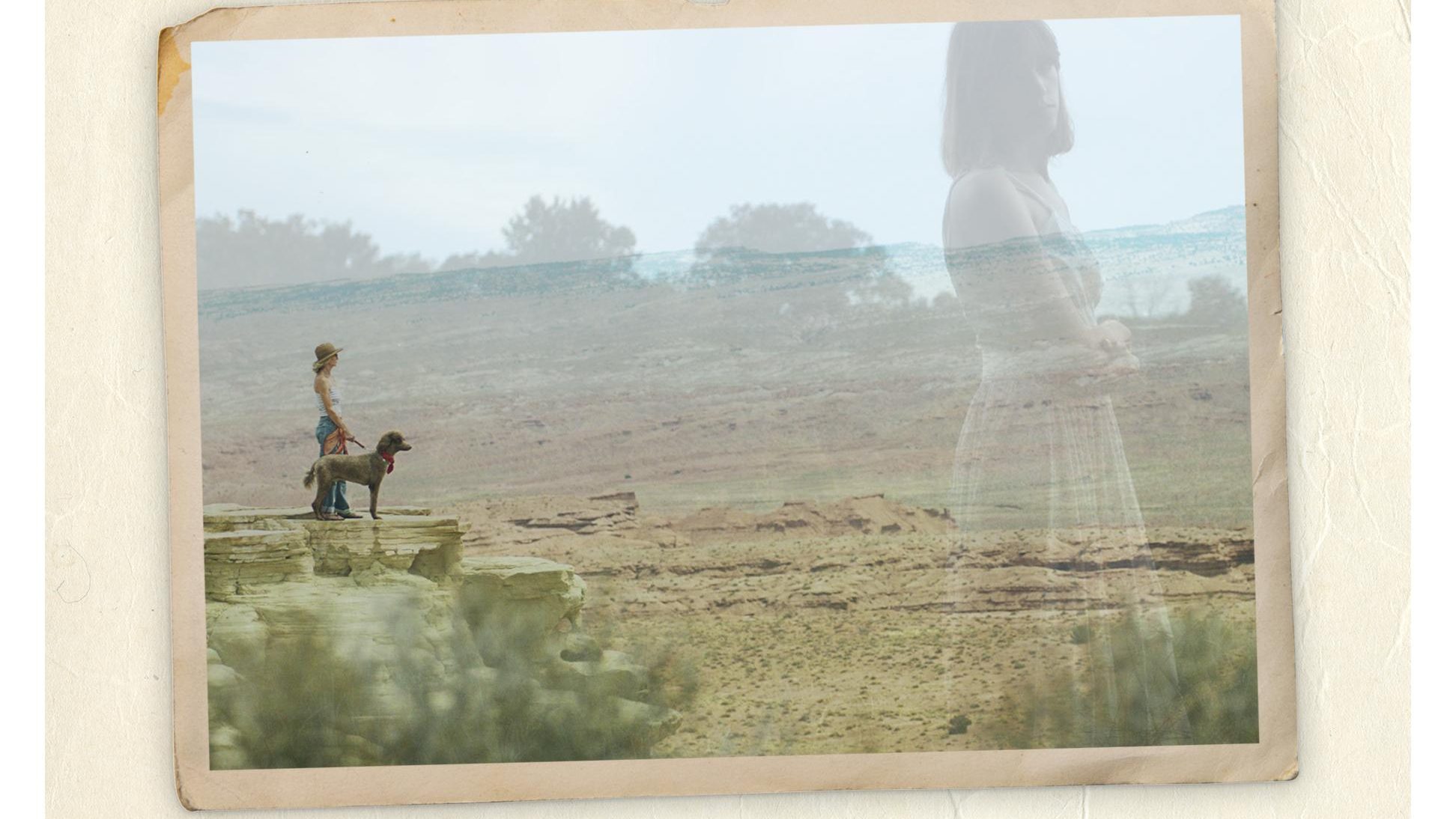
You could probably count the number of meaningful conversations had throughout the entirety of Bloom, on one hand, and that’s not a criticism. Writer and director Mark Totte structures the film as a kind of Malick-esque journey that places heavy emphasis on its visuals and the overall vibes in any given scene. Bloom tells the story of Kate (Kate Braun), a middle-aged grandmother in Milan, Indiana, and her inescapable desire to be free. On a whim, and without a word of warning to her husband, she sets out in her car with her dog Storm and heads west. When she talks to her son Brent, she lies by saying she’s stopped at his place in St. Louis (he’s out of town), and keeps on driving for a destination unknown. Along the way, we see flashbacks to her early, carefree days, touring the country in a van with her musician boyfriend/husband. Totte manages to effectively showcase the feelings at play in the present and past, but the film could have used a little extra narrative push to explain Kate’s sudden emotional turmoil. Still, Bloom doesn’t go for easy sentimentality in the way some micro-indies often do, and it’s all the better for it. In the few dialogue heavy scenes, the words come out naturally, without underlining the themes at play. This is a confident debut, featuring a solid performance from Braun, which will be well worth the price of admission.

Buy virtual and in-person tickets here.
Hellcat

You can never really go home again. That’s the enduring sentiment in Hellcat, the film from first-time writer-director Jack Lugar that explores one man’s long-simmering regrets, and how it’s manifested in those around him. Edward Paul Fry stars as Ricky Heller aka “Hellcat”, a musician who left his small town behind to make it big. When he returns back home, he has to come to grips with the life he left behind, and those he left in his wake. Why he forsook his hometown is best left unspoiled, but it touches on a man’s unspoken grief for lost love. The production quality won’t win any Oscars, but worse movies get made for more money every year, and it comes from a place of genuine emotion, which is what counts most at the end of the day.

Buy virtual and in-person tickets here.

Liminal: Indiana in the Anthropocene

When non-Hoosiers think of Indiana, they likely consider first the more notable aspects: the Indianapolis 500, our professional sports teams, and our often problematic politics. But what Liminal: Indiana in the Anthropocene explores are the more under-sung features. Entirely shot with drone footage and without any dialogue or talking points, it’s a documentary that forces you to consider newer perspectives on not just Indiana but our relationship with the land in general. The film is divided into various sections by the featured subject matter – one focuses on oil refineries, one focuses on transportation, one on farming, et cetera, and composer Nate Utesch’s score changes with each vignette. It’s a deceptively simple but effective concept for a documentary, and it shows outsiders and Hoosiers alike an idea of Indiana’s modern landscape.

Buy virtual and in-person tickets here

HIFF 2023: Late Bloomers, 7000 Miles, and New Life

Late Bloomers

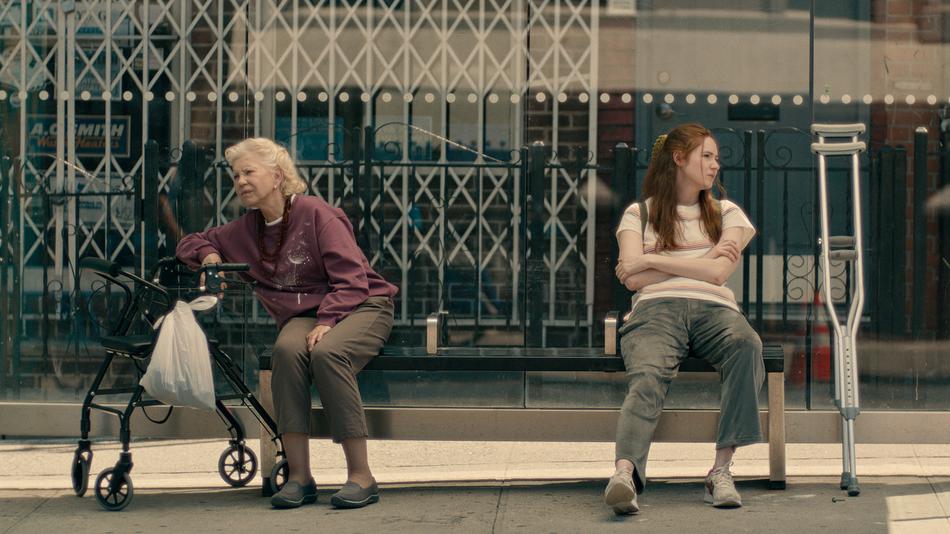
If you want a little star power in your Heartland experience, look no further than Late Bloomers, which stars the one and only Karen Gillan. She stars as Louise, an aimless 28-year old who breaks her hip after an ill-advised drunken trip to an ex’s house. In the hospital, she makes a connection with Antonina (Malgorzata Zajaczkowska), an elderly Polish woman who speaks no English. Their relationship stars off rocky but due to Louise’s perseverance, they strike up an unlikely bond. Gillan navigates Louise’s shifting tones throughout, from youthful naiveté to righteous indignation, and handling the comedic and dramatic beats. First-time director Lisa Steen, working from a script by Amy Greenfield, doesn’t tread new ground narratively speaking, but there’s a warmth to be felt within the film that carries it through. Music plays a big part in Louise and Antonina’s experiences, and the scenes where the characters simply let the music take over rank among the better of the film. I often found myself smiling during these moments, regardless of how predictable the film around it is.

Buy virtual tickets here.

7000 Miles

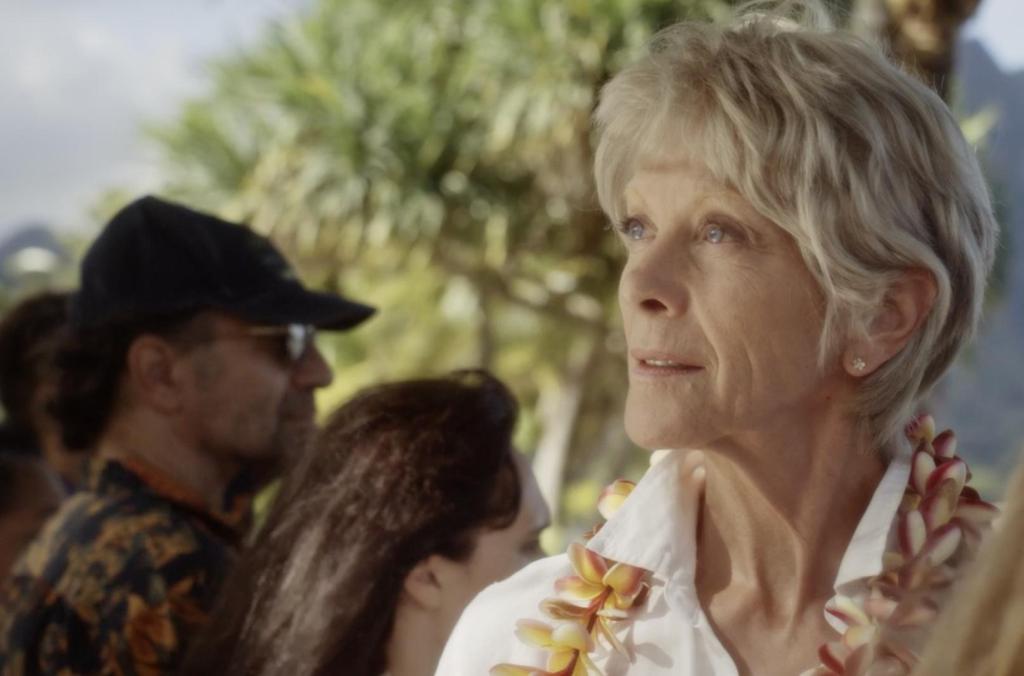
7000 Miles feels similar to Late Bloomers, in that it’s another story of generational understanding, but the former is less successful in execution than the latter. The film follows a young pilot named Jo (Alixzandra Dove) as she returns to her native Hawaii after the death of her grandfather. When her grandmother Meli (Wendie Malick), who essentially raised her, begins having memory issues, Jo begins to discover parts of Meli’s hidden past. Jo also begins reconnecting with a childhood crush who makes her realize she should fight harder to make her dreams a reality. It’s a film that shares a bit with Sweet Home Alabama but also includes a goofily sincere line like “She was the greatest hero of all time!” when referencing Amelia Earhart. Characters are broadly written without ever really investigating them below the surface, and the plot moves in predictable directions from the get-go. Malick and Dove perform amicably together and separately, but there’s a more introspective film to be made about regrets and grief than what’s on display in 7000 Miles. I’ve seen worse films from major film festivals, and that’s about the nicest thing I can muster to say.

Buy virtual tickets here.

New Life

Don’t go into New Life expecting a straight-up horror film. Rather, it plays more like an outbreak thriller for most of its runtime. Sure, there are some solid horror moments to be found, but first-time writer and director John Rosman prioritizes the story over the scares. The film follows a game of cat and mouse as Jessica (Hayley Erin) goes on the run through northern America, while Elsa (Sonya Walger), a government fixer, is tasked with bringing her in. What causes the chase is best left unsaid, but Rosman doesn’t overstuff the narrative with unnecessary details. And he throws in some neat visual tricks to liven up the spy chatter when Elsa is on the road. New Life doesn’t necessarily break the mold in the genre, but it shows that Rosman is a voice to look out for.

Buy virtual and in-person tickets here

HIFF 2023: Interview with Ramona at Midlife Writer/Director Brooke Berman

Ramona at Midlife

Below is my conversation with Brooke Berman, writer and director of Ramona at Midlife, ahead of its world premiere at the Heartland International Film Festival. We talk about female friendships, avoiding tropes of the genre, and the evolution of the film from Brooke’s mind to the screen. Our conversation has been edited and condensed for clarity.

Ben Sears: Before you made the film, you had written a number of plays. What was it about this story that you felt would be suitable for a movie?

Brooke Berman: That’s a great question. I had started writing movies earlier when I moved to LA in 2008. I went out there, and I had sold a play to a movie star, and I was getting these writer-for-hire jobs and really learning the form of screenwriting. I’ve always been in love with movie making, but what I realized as a screenwriter in LA is that the part of the process that really lights me up is watching the story move from the page to the actor’s bodies. As a playwright, the writer is involved in that process – we sit in the theater next to the director, and we’re included in all the decision making and all the conversations, and we get to watch the magic happen. And as a screenwriter, that isn’t true. When a screenwriter finishes a draft and they turn it in to their agent, or the studio, or whoever paid for the movie, the screenwriter’s work is then done. And the director takes over and makes the story happen, and I realized that I needed to be in on that. So I made a short while I was living in LA, to see if I had the chops to direct. When we had moved back to New York, I adapted one of my plays, Out of the Water, to film, thinking I was gonna make that for half a million dollars with my friends. I was in development with that movie, and the budget grew to just over a million, and I was in development for six years when the pandemic hit.

So at that point, I had already transferred my imagination from what can happen on the stage to what can happen on camera, and I was training myself to be the person that can direct that, and I had realized I had to do a different story. This story had been living in me for a while – I wrote it for Yvonne Woods, who plays Ramona. She was my classmate at Juilliard, and we were both living in LA at the same time. We had a bunch of conversations about life and love and success, and what it all means. So that character is someone I had been almost nourishing in the dark while I wrote this other story. I sat down and took a writing workshop as a student, and started on day one, and the character showed up. It was different than the story I had planned to write about her, but I wrote the first draft during those first few months between March and August of 2020. And then I just knew I had to make it. Because I had been in development with this other film, doing all the sort of conventional indie things, like attaching an executive producer and a star, and raising tons of money, I was like ‘well, we’re not going to do it that way. Let’s just do it small and simple with what we’ve got.’

BS: How was the story different from what you had planned out?

BB: In Los Angeles, the way that divorce laws work, if you’re a writer and you get divorced, your spouse is entitled to – I’m going to get this wrong, but I used to know it – it has to do with what your spouse is entitled to in compensation for royalties for the work you made during the marriage. It’s meant to protect the wife of the guy who wrote the big movie that made jillions of dollars, but I had a good friend of mine get divorced while I was there, and I was fascinated to learn that little quirk of California divorce law. So that went into the DNA of Ramona, and the first two scenes that came to my mind – one of which is in the movie, and one of which is not – is the scene with the three friends where she says “is this an intervention?” That scene came first. I knew that Ramona had this incredibly successful cohort that she used to be in charge of, and was now hiding from. In my original idea of the story, she was going to ask her friends for help and they didn’t know what to do with her. Also was the idea that she had stopped writing when she got divorced, and would do it out of spite because she was waiting for the time when her ex would no longer be entitled to royalties. Neither of those things really made it into the story; instead what happened when I started writing was that this Ramona was not divorced yet, she was yearning to get back together with her ex who she was still in love with, but she was really stubborn. But those were really the pieces that came first.

BS: You mentioned that you had written this specifically for Yvonne. What was it about her that made her the ideal fit for this part?

BB: Oh, I’m so inspired by Yvonne. Her and Rob Beitzel, who’s the actor that plays Mansbach, were in my final project at Juilliard. I’ve done so many plays with them both, and I always hear their voices in my head. I just love working with them so much, I work with the same actors again and again and again. Yvonne’s real-life husband Brian, who plays the hot dad on the playground, everybody says ‘why isn’t she with him? They have so much chemistry!’ And I say well, they’re married in real life, so actually she really is with him. Everyone in the cast is a friend, so it was really easy to hear those voices in my head. I love actors, and I also really particularly love the way that Yvonne – I know that a lot of the issues in the movie are very close to her heart and mine. So we had a lot of conversations during the development of the film about life and love and marriage and success and Patti Smith. My actors put so much of themselves into the movie, and into the roles.

BS: It feels like there aren’t many movies these days about women in their 30s or 40s, or that period of life, unless it’s something like 80 for Brady. How do you feel about the state of movies for that particular audience these days?

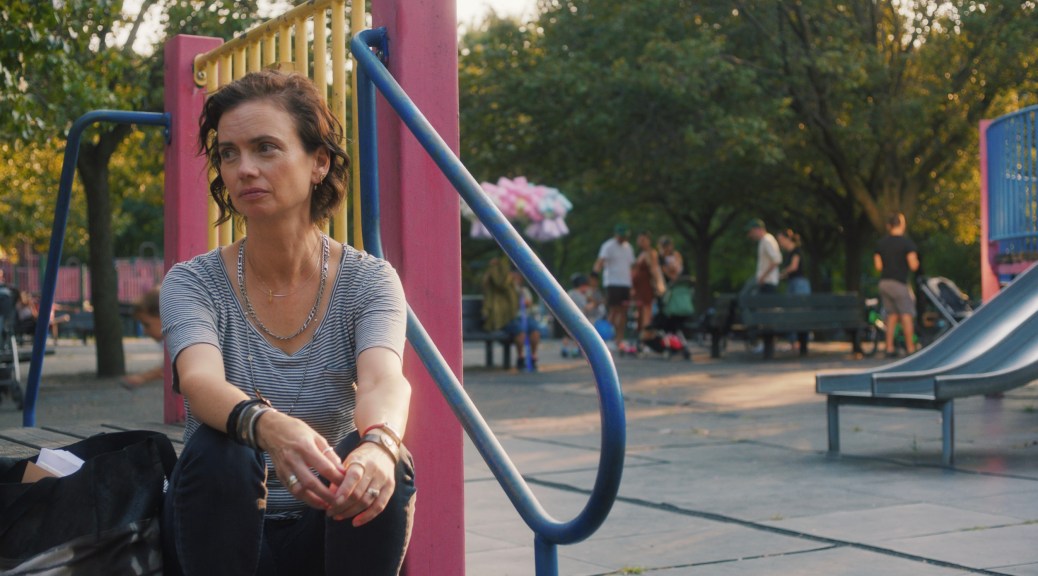
BB: I think we have these really pre-determined ideas about what happens at every decade of a person’s life. And I think that’s true across the genders, but it’s particularly true about women. We’re in a culture where young women start “anti-aging practices” at 28. When I lived in LA, I was shocked to learn they’re Botox-ing in their 20s preemptively, so there’s a terror around getting older, and I think it’s particularly tied to a fear of being obsolete, and a fear of no longer being beautiful, and a fear of no longer having power in the culture. Subsequently, you have a whole bunch of actresses who are terrified for anyone to find out how old they are. So we have no idea how old anybody actually is because you have movies about 40 year old’s being played by 60 year old’s, and the movies about 60 year old’s are being played by 80 year old’s, and everybody just wants to work, which is great – everybody should work. In my own life, I had a baby at 41, and I had two new mom friends was my age, and the other was 26, and we were going through the same thing. I spent my 40s sitting on the playground, like Ramona does, with the moms on the playground benches, just looking for common ground. It totally existed, but it blew my mind how every movie about women in their 40s were about empty-nest syndrome or 80 for Brady, or the movie where the rich ladies go to Sonoma and drink wine. None of that was my life! My life was, I had a job and I had a toddler, and I was at the playground and public school pickup. But I don’t look my age, whatever that means. My husband and I are both writers, we’re both self-employed. There weren’t movies that spoke to me. But I love Nicole Holofcener’s films, I think she really does a good job of addressing middle age for both genders. But most of our friends had our kids later, so I know a lot of people like me, but I don’t see us in the media.

BS: The movies that are in this genre, there’s a number of tropes and plot beats that you almost expect going into it. Ramona at Midlife mostly avoids those – were you cognizant of that when you were going into it, or were you just trying to make something honest without worrying about those plot beats?

BB: Number one, I was definitely trying to make something honest. But number two, which plot beats specifically?

BS: Usually the husband and wife are estranged, and there are whacky shenanigans that they’re involved, and whether they will or will not end up back together by the end of the film.

BB: It’s interesting, that part of the movie, I wish I had more time. We shot the movie in very few days, and I just didn’t have a lot of time with them. But I love that storyline so much because when I realized, when making it, the will-they-won’t-they isn’t really the biggest part of the story. It’s really about her reconciling with who she used to be and who she’s gonna be next. I think it’s so easy in midlife and in a committed relationship, to blame the other person for all of the choices you’ve made or all the things you have or have not become, and both of those spouses have to let the other one off the hook. And he really does it, so then we have to see her do it too. With a bigger budget and a big Hollywood studio behind it, it would’ve turned into a revenge comedy, where the point of the movie was to make that filmmaker eat his words and pay. And that was the least interesting part, for me, because I don’t think he’s the problem. For Ramona, the problem is the way she feels about herself, and if middle-aged women feel invisible, then my god, we have to see ourselves. And that’s what I wanted to explore. I wanted to explore her genuinely seeing herself and being ok with who she is. And that was my goal in the movie, so yes, I wanted to make something honest.

BS: The ending is purposefully ambiguous. Do you have any thoughts about what happens to Ramona after the movie ends?

BB: It’s so funny, my twelve year old son says, mom I don’t think there‘s a sequel. He said ‘I really like it, and I think there’s more to the story, but I don’t think there’s a sequel.’ You know, Ramona is able to make room for herself, so she does not go back to work at the animal shelter, she finds a job that uses her skills as a writer. She does reconcile with her spouse – he’s not going to move back in tomorrow, but they’re gonna patch up their marriage and be together. She does publish – Imani says to her in their scene, that she could write an essay exposing the whole thing. So she does do that, she says ‘in my next essay, where I thoroughly unpack showing up in some guy’s movie.’ She does write that essay, and she does start to put herself – I hate this phrase – but she puts herself out there as a writer, and she’s willing to take life on life’s terms.

BS: That’s all that you can ask for.

BB: I mean, right, what else is there?

BS: Whacky shenanigans abroad?

BB: [laughs] That’s right, she could marry Mr. Big in Paris. And who doesn’t want that? That was a really good episode! But you know what was really important to me, and I didn’t actually realize it until I wrote this movie, is I’m obsessed with female friendship. The more I worked on the movie, during production, and the edit, I could see how much the movie, for me, is about reconciling with old friends. I think the fact that Ramona goes back and says to those friends, sorry if I was a dick. That was really important.

BS: That’s another trope that this movie mostly avoids. Their whole friendship dynamic in other films would be much more heightened, especially the younger mom character.

BB: I love that character. I’ve never actually seen backstabbing in the way that Hollywood tells me to look out for. I’ve seen women who genuinely want the best for each other and struggle with their own shortcomings in the process. But I’ve never had a friend who was like, I really want you to fail.

Ramona at Midlife will have its world premiere at the 2023 Heartland International Film Festival on October 12. Buy virtual and in-person tickets here.

HIFF 2023: Downwind, 26.2 to Life, and From This Small Place

Downwind

Shortly after the release of Oppenheimer this summer, there was a minor stir online about the real-life dangers faced by many Native Americans in the wake of the Trinity test at Los Alamos. Adding to that discussion is the righteously angry documentary Downwind, which focuses on the countless lives that were negatively affected by the US government’s testing of nuclear weapons from 1951 to 1992 in Nevada and Utah. Directors Mark Shapiro and Douglas Brian Miller mine genuine heartbreak and pathos through their interviews with Native American leaders, everyday people that were affected first- and second-hand through radiation sickness and also, uh, Lewis Black. What follows is a mostly comprehensive accounting of the history of the tests, and how their existence was not swept under the rug, but was downplayed in their long-term dangers. The film doesn’t necessarily need any dissenting opinions but it’s what keeps Downwind from being great. Perhaps, at the least, the filmmakers could have included the perspective of someone that worked on the projects, regardless of how supportive they are.

Buy virtual and in-person tickets here.

26.2 to Life

Inspirational sports documentaries are a dime a dozen, but there’s something endearing about the uphill battle on display in 26.2 to Life. Running a marathon is the hardest thing I’ve ever done, physically and mentally, and I did so without the restrictions of the subjects in director Christine Yoo’s debut feature. Nevertheless, the inmates at San Quentin state prison started a running club, with help from outside coaches, volunteering their time regularly to help the men succeed. Throughout the film, we get to know the men at the center of the club, most incarcerated for murder or similarly serious offenses. But they’re determined to improve their lives, and the running club gives them an outlet for success, including one inmate who aims to qualify for the Boston Marathon (trust me, it’s not easy, even for a marathon veteran). The film generally stays the course when it comes to the genre, but Yoo’s access to her subjects is no less impressive. There’s no shortage of emotionally rich stories to be found within the walls of a prison, and 26.2 to Life provides enough life-affirming narratives to make for an engrossing documentary.

Buy virtual and in-person tickets here.

From This Small Place

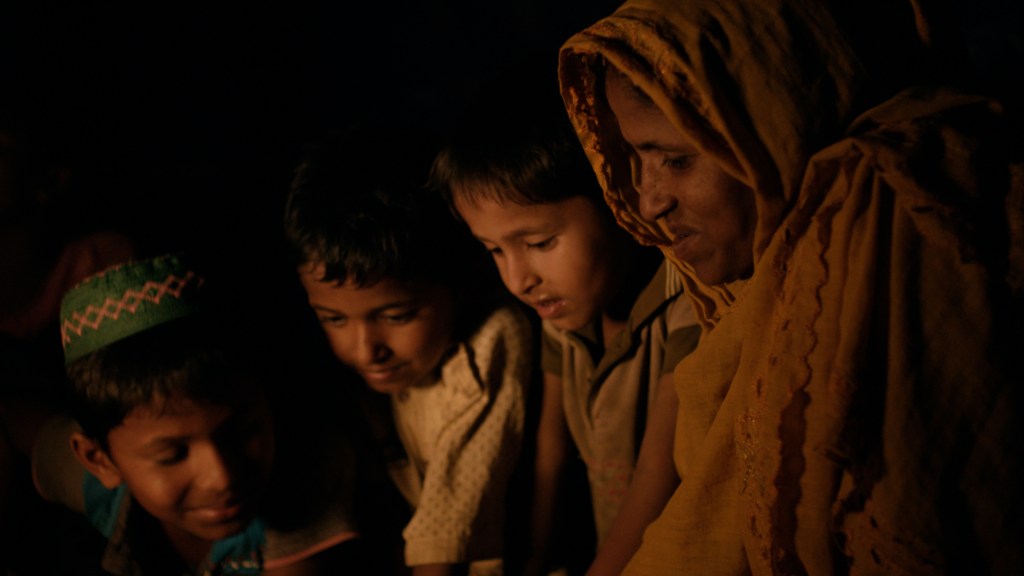
With documentaries, less is more. As in, the less information the filmmakers feed to the audience, the more we’ll be able to infer. Case in point: the devastatingly beautiful From This Small Place, a film with sparse dialogue but an abundance of heart. The film follows a family of Rohingya refugees as they settle in their new lives in a Bangladeshi camp. Director Taimi Arvidson smartly juxtaposes the kids’ carefree days spent playing and exploring with the adults’ worries about the basic necessities of life, all without narration, letting the images speak for themselves. It’s a documentary that manages to be poignant and fulfilling, without being overly sentimental. And at only 77 minutes, it says what it needs to say without wearing out its welcome.

Buy virtual and in-person tickets here