Starring: Morfydd Clark, Robert Aramayo, Owain Arthur, Nazanin Boniadi, Ismael Cruz Córdova, Markella Kavenagh, Dylan Smith, Charlie Vickers, Daniel Weyman
Grade: A-
Warning: Reviews of The Lord of the Rings: The Rings of Power season 1 will contain spoilers.
It Happened One Weekend is filled with so much affection for Indianapolis that you’d swear its writer/director/star was a native of the city. Filmed mostly around downtown Naptown, Zac Cooper’s film is a kind of take on When Harry Met Sally… as it explores two long-time friends and their budding romantic feelings for one another. The film doesn’t exactly break new ground in the romantic comedy department, but Cooper and co-star Merry Moore have palpable chemistry together, and it serves to highlight some of Indianapolis’ brightest spots. Shot in black and white, the film shows that Cooper knows how to craft an engaging story, and can lead a film both in front of and behind the camera. Indy residents will appreciate the spotlight on some underappreciated landmarks, but film fans in general will appreciate Cooper’s engaging characters and relatable story.
If you’re among the many that liked last year’s Oscar-nominated Flee, you’re likely to enjoy Home is Somewhere Else, and not just because it’s another animated documentary about immigrants. But whereas Flee told one man’s traumatic experiences in a foreign land, Home is Somewhere Else is more of a triptych, comprising three short stories about migrating from Mexico to the United States. Each segment is introduced by a type of emcee, who spews platitudes about home and longing, and each segment has its own unique animation style. This creative decision adds to the sense that each of the stories comes from a personal place, rather than a uniform experience. The stories range from those of young adults to children, but they all share a common theme of fear. Fear of fitting in, fear of the authorities, and fear of forgetting their birthplaces. Thankfully directors Carlos Hagerman and Jorge Villalobos steer the film away from tugging at heartstrings and stick to telling their subjects’ stories with an emotional honesty that will resonate after the credits roll.
What We Do Next shares a lot of similarities with Mass, one of Heartland’s biggest hits from last year. The film bills itself as a story told in seven parts, and each of those parts unfolds as a sort of short play, with a story that continues to build in tension and stakes. Specifically, it’s a film about a young girl named Elsa (Michelle Veintimilla) who was born fighting an uphill battle and was never given the tools to succeed. After a heartbreaking opening during Elsa’s childhood, the film picks up after she’s been released from prison for murdering her father, who molested her. But it turns out that Sandy James (Karen Pittman), an up-and-coming politician, may or may not have supplied Elsa the money to buy the firearm used to kill her father. Thus begins a back-and-forth that spirals throughout the film of bribery and underhanded tactics to make one party look less culpable than another. Also brought into the fray is Paul (Corey Stoll), an attorney and former partner/fling of Sandy’s. The film can’t help but feel like a stage play; each scene is contained within its own location, and only utilizes the three actors. The only times we see New York City is in the interstitials, when we can track Sandy’s political career through a radio narrator. Sometimes the profundity that director Stephen Belber seeks works, like when race is brought into play in such a sticky legal situation, and sometimes the tightly-packed dialogue lacks the emotional oomph it needs. At a brisk 77 minutes, What We Do Next announces itself as efficient, effective cinema that shows confidence on the page and behind the lens.
Starring: Morfydd Clark, Robert Aramayo, Owain Arthur, Nazanin Boniadi, Ismael Cruz Córdova, Markella Kavenagh, Dylan Smith, Charlie Vickers, Daniel Weyman
Grade: A-
Warning: Reviews of The Lord of the Rings: The Rings of Power season 1 will contain spoilers.
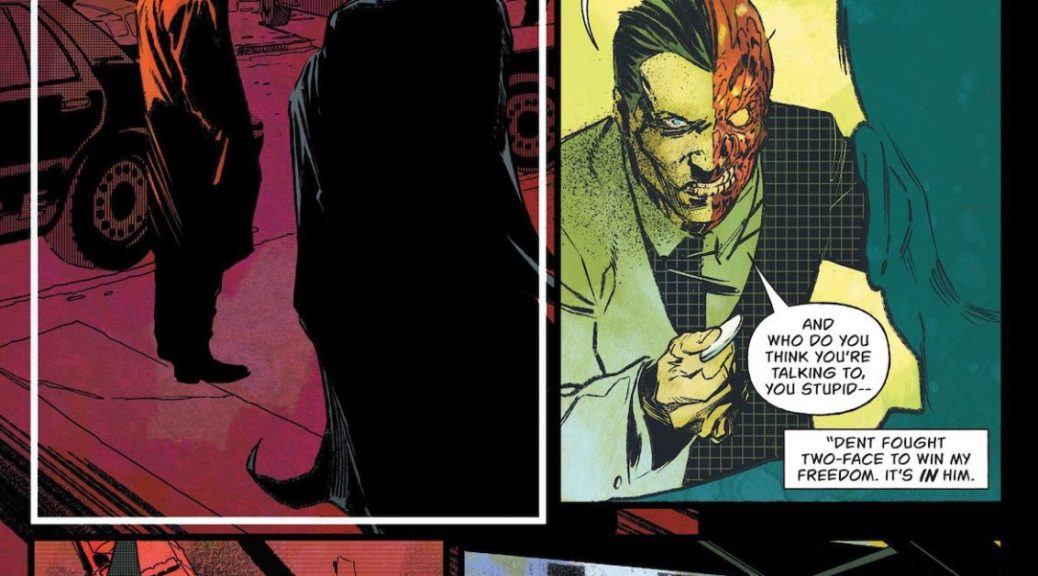
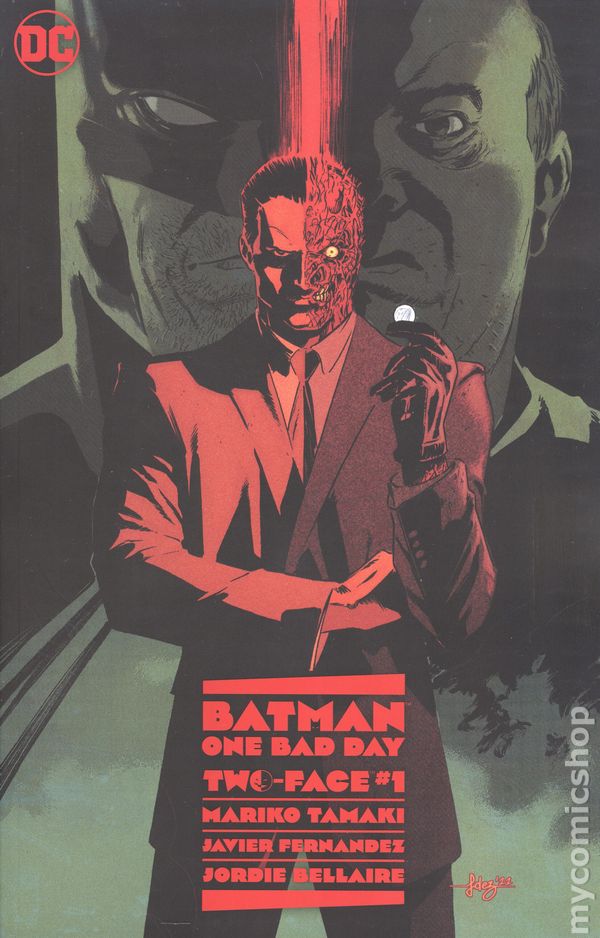
DC’s smartest move when conceiving of the One Bad Day series was to hand the reins over to different creators for each installment (though maybe this is standard operating procedure for comics; sue me, I’m new to this). The strategy makes perfect sense for a series like this; whereas a straightforward series that focuses on one character’s origin story would benefit from a singular voice, this kind of anthology series allows more creatives to give their own unique takes on the subject. For One Bad Day: Two-Face, Mariko Tamaki is the credited writer, and Javier Fernandez provides the artwork.
Starring: Morfydd Clark, Robert Aramayo, Owain Arthur, Nazanin Boniadi, Ismael Cruz Córdova, Markella Kavenagh, Dylan Smith, Charlie Vickers, Daniel Weyman
Grade: C
Warning: Reviews of The Lord of the Rings: The Rings of Power season 1 will contain spoilers.
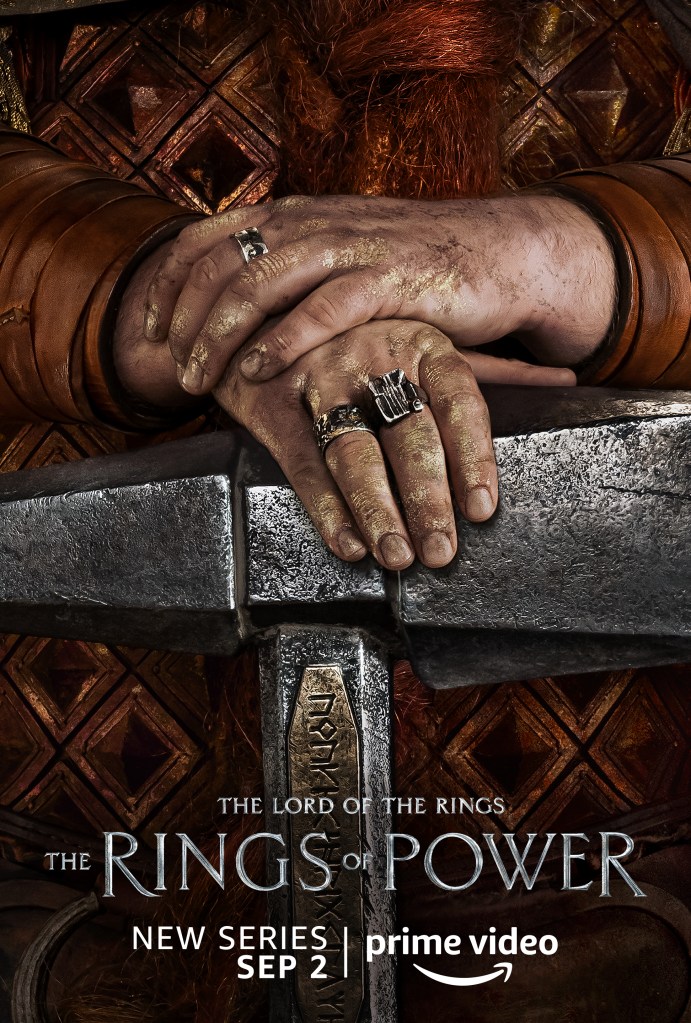
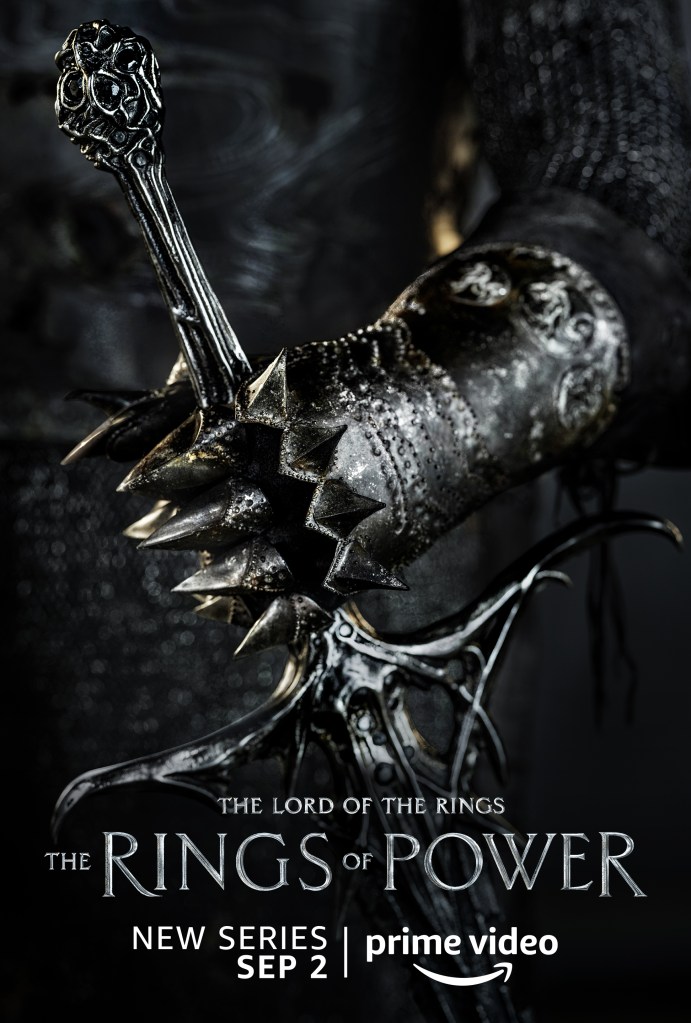
With the conclusion of Partings, we’re officially more than halfway done with The Rings of Power’s first season. Which makes it all the more frustrating that little has changed since the beginning of the season to now, and this week’s episode feels like a perfect encapsulation of that frustration. There are some moments to like, but overall, I can’t help but feel like the episode spins its wheels on virtually every front. I’m truly struggling to figure out what has changed from the beginning of this episode to the end, and coming up mostly short.
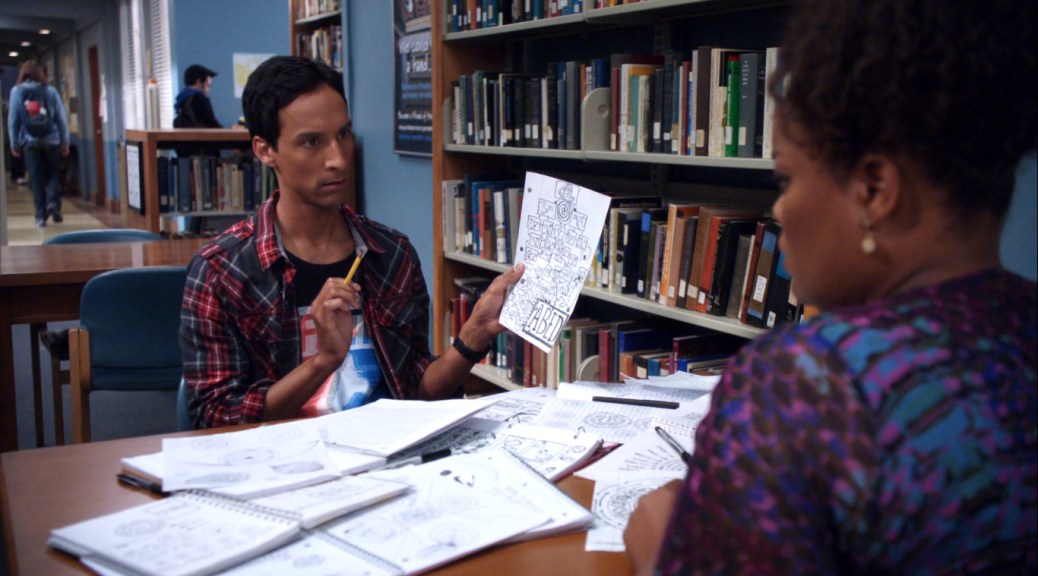
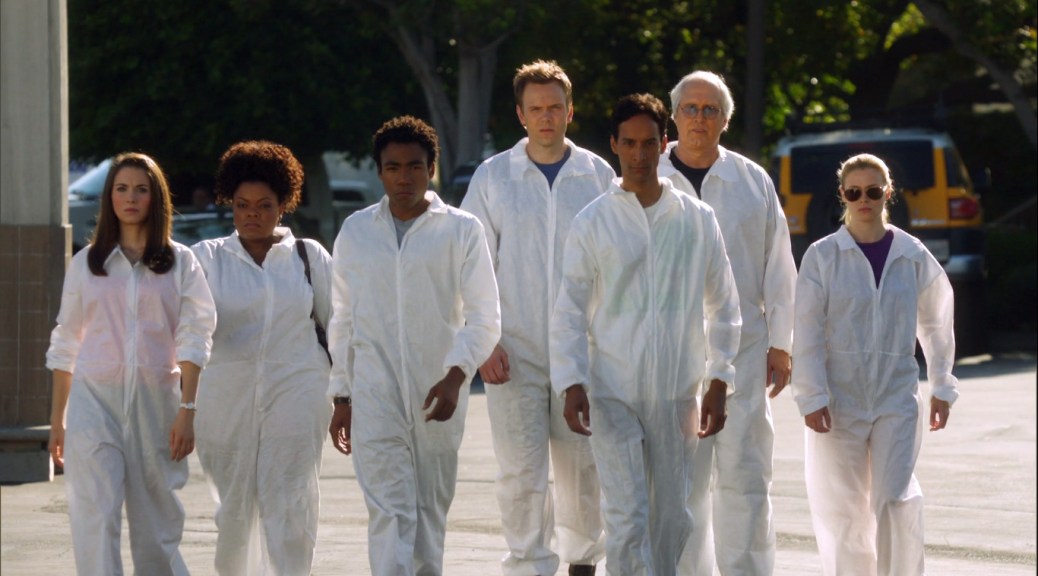
In my mind, Community is a show that has had a lasting footprint across the pop culture landscape, and feels a bit like an afterthought at the same time. The show essentially launched the careers of many big names still working steadily today, both in front and behind the camera. And yet, I don’t know how many people outside of my age group point to the show as one of the sterling examples of the Golden Age of TV that kicked off in the late 2000’s. So this season should prove to be an interesting experiment to determine where I land on the show’s lasting legacy. After the success of the back half of season one of the show, Dan Harmon had the wind at his back with season two, in spite of the show’s poor performance in ratings and the general lack of support from the NBC brass.
Starring: Natascha McElhone, Steven Love, Michaela Farrugia
Grade: B
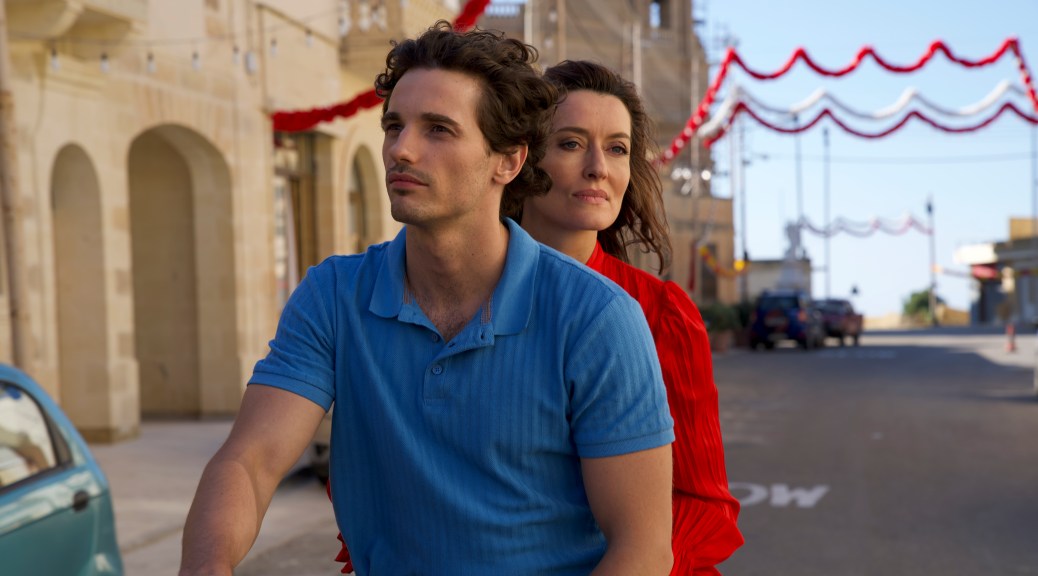
When we’re first introduced to Carmen, the titular heroine of writer/director Valerie Buhagiar’s film, she seems to be in the throes of a comfortable life. She’s the sister of her Maltese town’s Catholic priest and, despite the fact that nobody in town likes or respects her, she’s mostly content. She’s live with him in the parish’s rectory since she was 16, and she considers her role as his care-taker her own full-time job. Naturally Carmen is a woman of strong religious conviction, so when her brother suddenly and unexpectedly dies, leaving her essentially homeless, she begins to question exactly how big a role her faith should have in her life going forward.
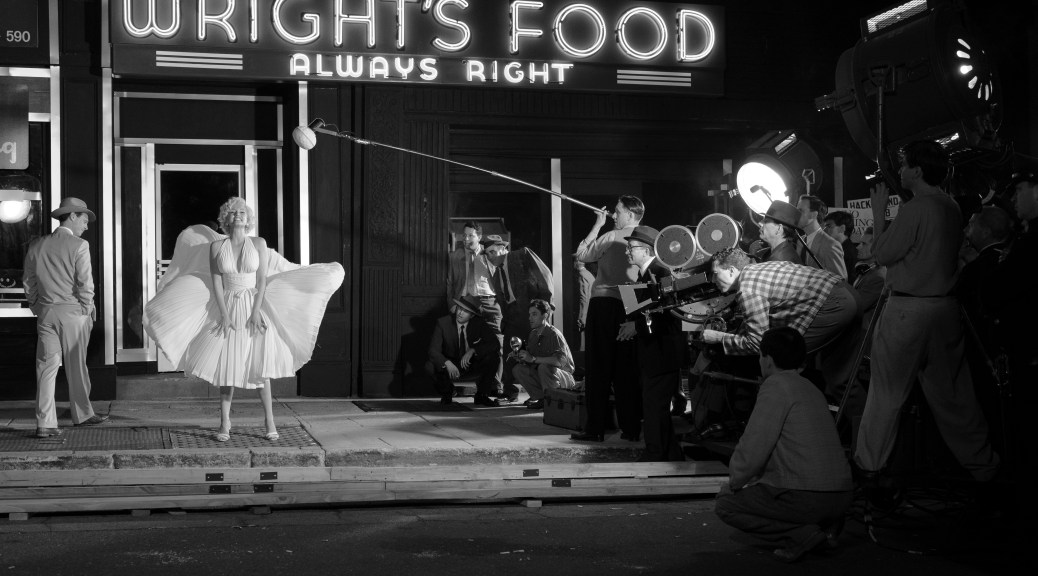
Starring: Ana de Armas, Bobby Cannavale, Adrien Brody, Julianne Nicholson, Evan Williams, Xavier Sameuls
Grade: C-
Has any Hollywood star loomed larger over pop culture since their discovery, and lingered even longer after their death, than Marilyn Monroe? Whether directly or indirectly, the blonde bombshell has appeared in too many biopics and fictionalizations to count in this column since her untimely death. Her life is the stuff of legend, and her tragic exploitation at the hands of virtually everyone that she trusted is well known by now. So what could be gained by making a new account of her life, based on Joyce Carol Oates’ novel of the same name?









 The Movie State