Tag Archives: 2023

Heartland Film Festival 2024: North Putnam, The Waiting Game, Attachment Project

North Putnam

“Do you remember when we had two grocery stores?” It’s an off-handed remark between two nameless citizens of director Joel Fendelman’s titular small town, but it reveals a great deal about its place in the world. North Putman follows a school year in and around the central Indiana school district, popping in and out of all of its various issues, big and small. It’s a fascinatingly complex look at small town life, and the ambitions of its residents. Whether it’s the big topics like a school board meeting discussing DEI initiatives, a kid bringing a knife to school, or something as small as kids telling jokes on a school bus, Fendelman’s camera gives it all equal weight. The film may not be anything revolutionary that wasn’t already explored in films like Frederick Wiseman’s Monrovia, Indiana (which is situated just 30 miles from North Putnam), but it’s an engrossing look at small town life under a microscope.

Buy virtual and in-person tickets here.

The Waiting Game

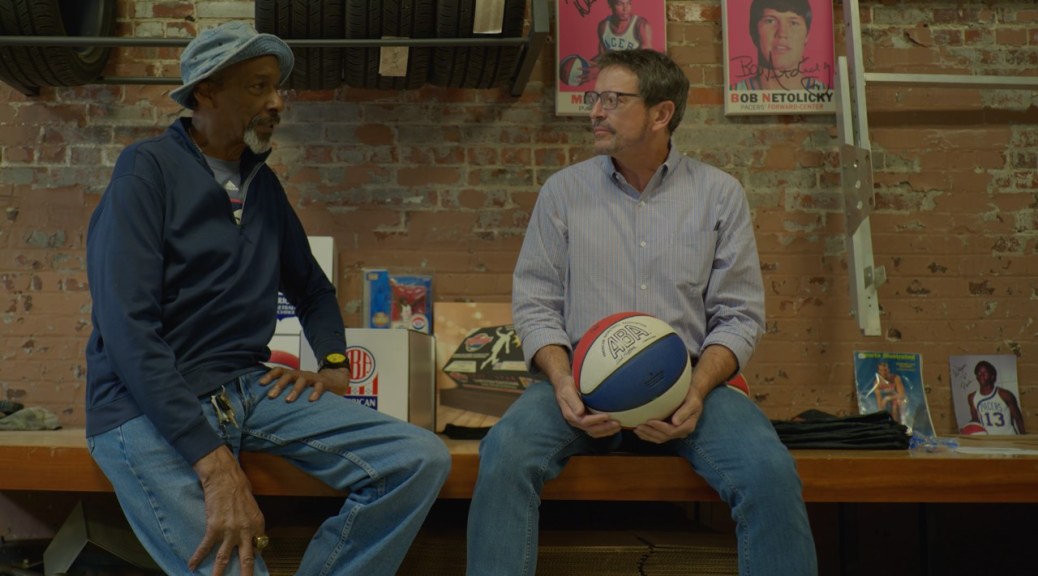
Indiana lives and breathes basketball, so a documentary like The Waiting Game, which chronicles the American Basketball Association’s retired players fighting for their well-earned pensions is – pardon the pun – a slam dunk. Michael Husain’s feature debut is more traditional in approach, with talking head interviews and Ken Burns-style photo overlays, but it always returns to its subjects and their quest for justice. It’s the kind of documentary that easily provokes, spotlighting the history of the ABA, and how instrumental their players were in the development of the NBA as we know it today. But those players, when the NBA absorbed the ABA, lost the rights to their pension and the healthcare that went with it. Whether you have an encyclopedic knowledge of basketball history, or simply want to learn about a modern David versus Goliath story, The Waiting Game is a confident piece of non-fiction storytelling.

Buy virtual and in-person tickets here.

Attachment Project

Joy Dietrich’s Attachment Project takes a personal look at adoption, and her long-simmering feelings towards the process and how difficult it can be for both children and adults to adapt. The film follows Joy, and a handful of fellow foreign-born adoptees, who struggled to fit in to their new surroundings when they were kids. What follows is a number of heartbreaking scenes that chronicle their parents often controversial ways of acclimating the kids through a number of difficult methods of therapy that often leave them off worse than the beginning. Dietrich herself goes on her own journey of discovery to reconnect with her adoptive father after a prolonged absence. The film raises a number of introspective questions that adoptees often face: Why did my birth parents abandon me? Am I worthy of being loved? Would my life have been better if I had remained with my birth parents? Attachment Project maybe doesn’t provide universal catharsis with its answers, but it shows a fascinating journey for its subjects nonetheless.

Buy virtual and in-person tickets here

Fallout Season 1 – TV Review

Fallout Season 1

  • Creators: Geneva Robertson-Dworet, Graham Wagner
  • Starring: Ella Purnell, Walton Goggins, Aaron Moten, Moisés Arias, Kyle MacLachlan, Sarita Choudhury, Michael Emerson, Leslie Uggams, Frances Turner, Dave Register, Zach Cherry, Johnny Pemberton
  • Eight episode season, eight episodes watched for review

Grade: B

Here’s the problem inherent in a TV version of Fallout, which most video game adaptations face: no matter how many episodes are created, no matter how much detail the creators throw in, the experience of watching the show will never match the experience of playing the game. Unlike The Last of Us, perhaps the most successful in the genre, Fallout wasn’t inherently designed to be cinematic, or to follow one straightforward storyline. In fact, part of what makes the games so great (I’m a huge fan, so color your reactions to the rest of this review accordingly) is in how free you are to do just about anything at your own leisure. Television doesn’t provide the same luxury, but that doesn’t mean a series adaptation was doomed to fail from the start.

Continue reading Fallout Season 1 – TV Review

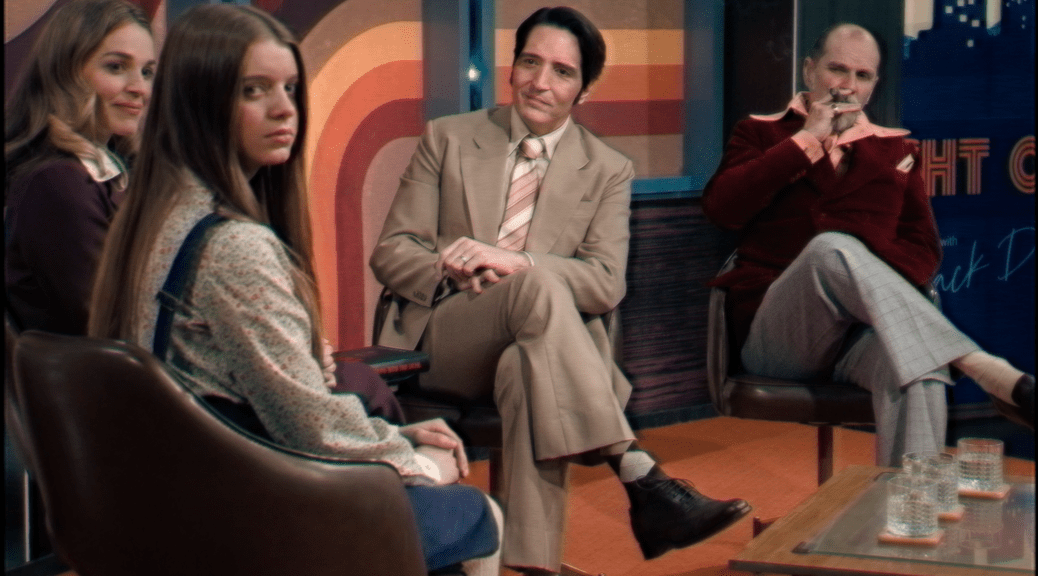
Late Night with the Devil – Movie Review

Late Night with the Devil

  • Director: Cameron Cairnes, Colin Cairnes
  • Writers: Cameron Cairnes, Colin Cairnes
  • Starring: David Dastmalchian, Fayssal Bazzi, Laura Gordon, Ingrid Torelli, Ian Bliss

Grade: B

Found footage horror was run into the ground in the wake of films like The Blair Witch Project and Paranormal Activity, but Late Night with the Devil finds a new way in to a tired genre, thanks to its commitment to atmosphere and a mounting sense of tension. The television landscape of the 1970s offers a fruitful setting for a horror film, with the ongoing Vietnam war, political strife, and the cultural upheaval after the swingin’ 60s. Writers and directors Cameron and Colin Cairnes have certainly done their homework to make Late Night with the Devil feel authentic on the screen and on the page, in spite of the bizarre circumstances within it.

Continue reading Late Night with the Devil – Movie Review

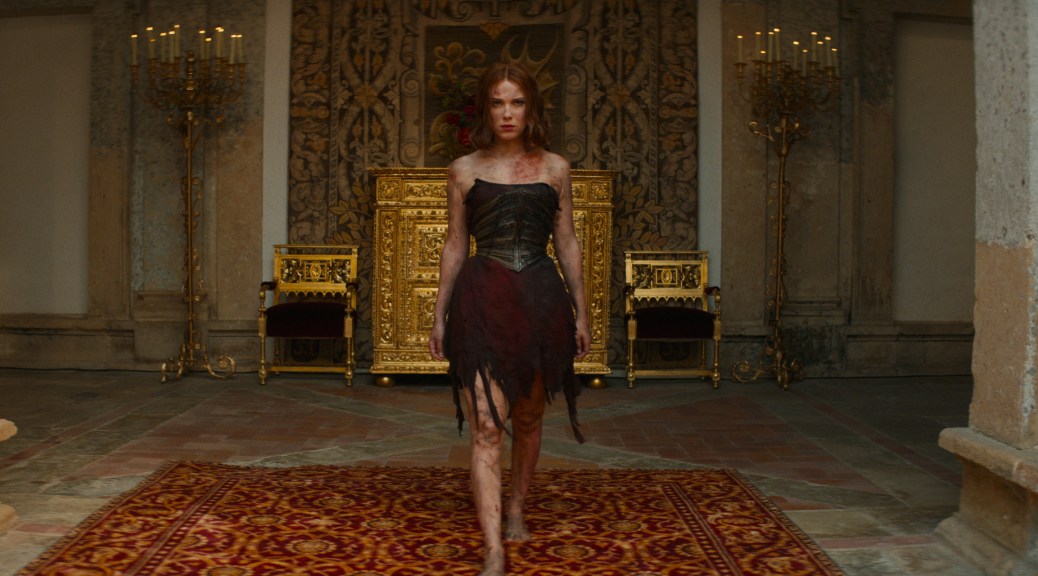
Damsel Movie Review

Damsel

  • Director: Juan Carlos Fresnadillo
  • Writers: Dan Mazeau
  • Starring: Millie Bobby Brown, Angela Bassett, Ray Winstone, Nick Robinson, Robin Wright

Grade: C+

Caught somewhere between a Cinderella spin-off and a Dungeons & Dragons campaign, Netflix’s Damsel scratches an action-adventure itch without a heavy investment from the viewer. The film features Netflix’s own mainstay/captive Millie Bobby Brown, in what’s an easily enticing role. As I’ve spoken about many times before, Netflix films come and go without much fanfare, but Damsel is enjoyable enough to belong somewhere in the upper half of the scrap heap.

Continue reading Damsel Movie Review

What Will Win, What Should Win, and What Should’ve Been Nominated at the 2024 Oscars

Hollywood’s biggest night is mere days away. The dust has settled on all of the precursors and guild awards (with the exception of the WGA Awards, happening on April 14), so there’s nothing left but the crying. Here’s a comprehensive list of predicted winners, what would win in a perfect world, and what should have received a nomination in each category.

Best Live-Action Short Film

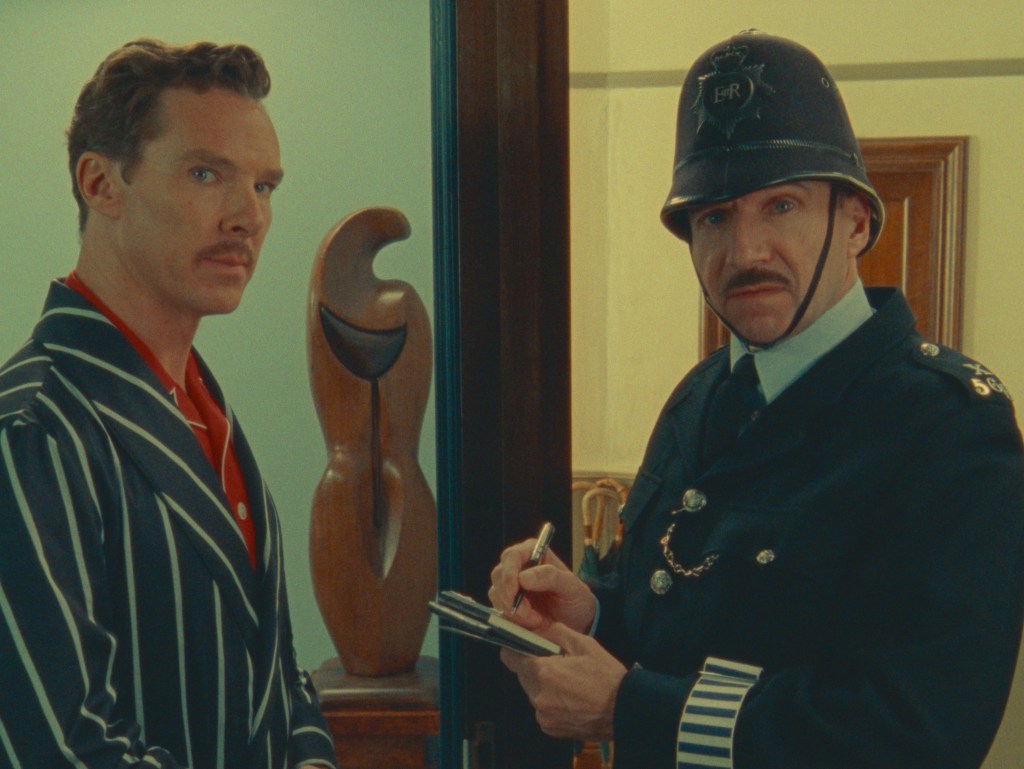
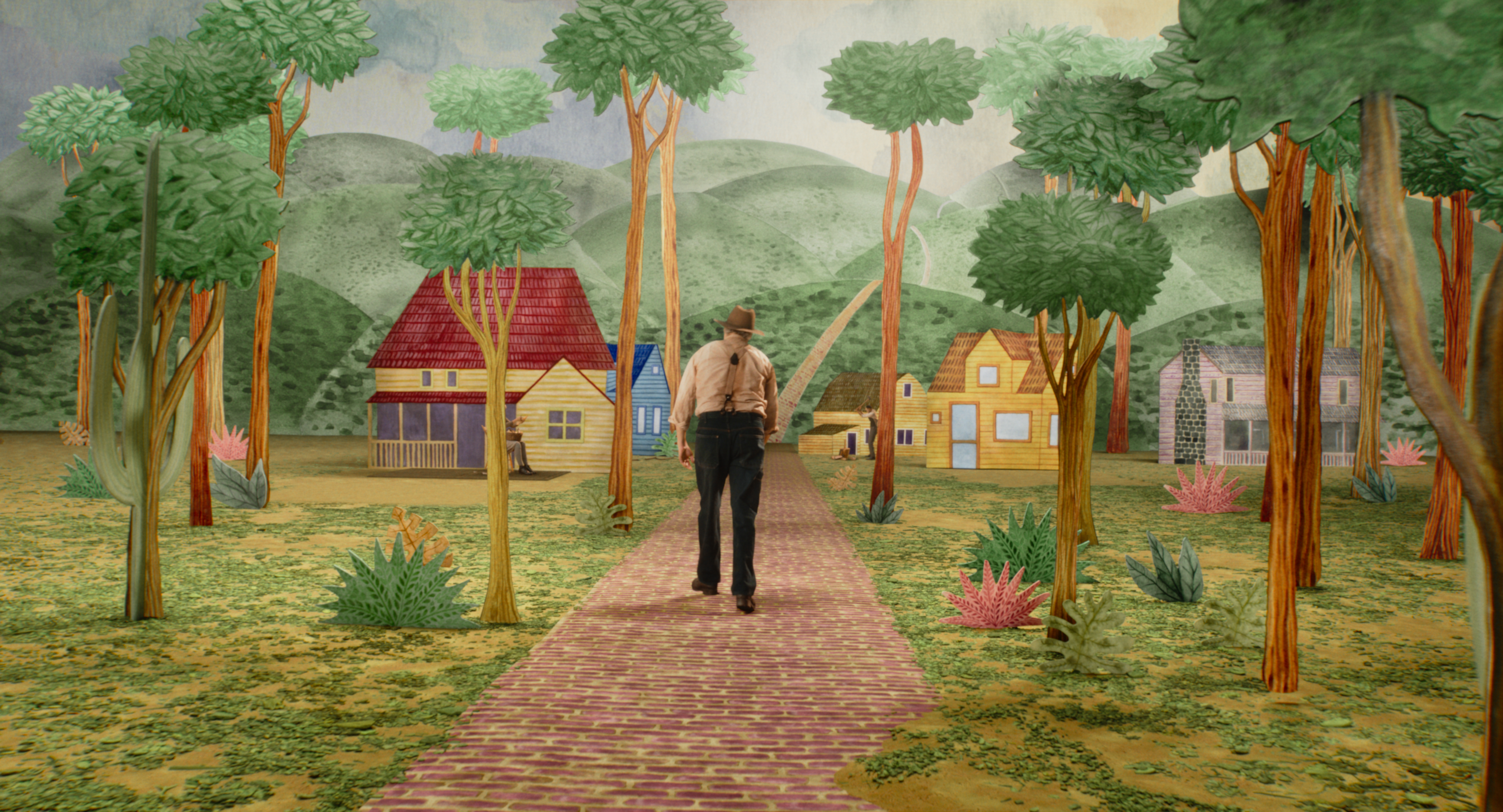
  • Will Win: It feels a little strange knowing that The Wonderful Story of Henry Sugar will be Wes Anderson’s first Oscar, especially knowing it was released in the same year as Asteroid City, which should have also received a number of nominations. Still, Anderson’s short film, along with his other Roald Dahl adaptations on Netflix, is a perfect distillation of his style and storytelling instincts.
  • Should Win: Sure, the deck is stacked in favor of Henry Sugar – it’s a Netflix production featuring Oscar winners and nominees, and its budget likely dwarfs all the other nominees. But it’s simply the best of the shorts, and further cements Anderson as one of our best working American filmmakers.
  • Should’ve Been Nominated: I understand it couldn’t have happened, but Anderson’s other three short films Poison, The Ratcatcher, and The Swan were just as delightful. But if I had to pick a non-Anderson film to nominate, it would be Pickled Herring, a film that was admittedly not on the Oscar shortlist but was no less enjoyable that I saw at last year’s Indy Shorts Film Festival.

Best Documentary Short Film

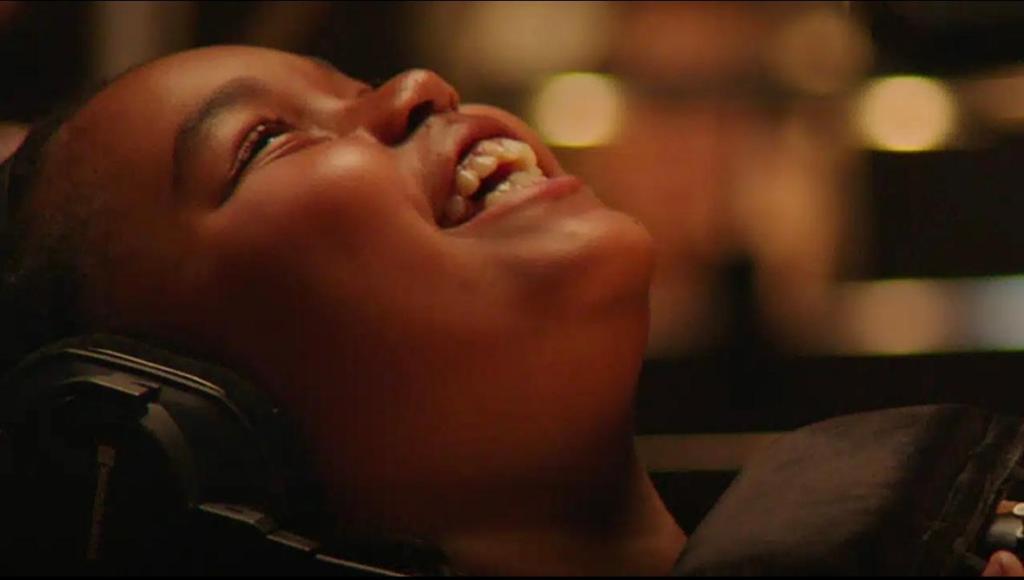
  • Will WinThe Last Repair Shop is a life-affirming look at how music connects us all, and it contains some wonderful interviews with engaging and diverse subjects. That it takes place within Los Angeles likely won’t hurt its chances either. If you’re looking for a spoiler though, look no further than Nǎi Nai & Wài Pó. The team has been campaigning everywhere, and director Sean Wang had a breakout hit at Sundance in January.
  • Should Win:  I loved The Barber of Little Rock, and if it had expanded to be a feature, I likely would love it just as much. It’s a beautifully told story about a subset of people often ignored by the country, and within their own community, and it’s an enlightening but accessible subject about the American dream itself.
  • Should’ve Been Nominated: It wasn’t on the shortlist, but I have to give a shout-out to Indiana filmmaker Sam Mirpoorian’s Safe Place, which looks at an unbelievably tragic injustice and police oversight. Seek the film out where you can.

Best Animated Short Film

  • Will Win: This is an unusual year for this category. None of the nominees originated on a streaming platform, and none of them feature major star talent on the level of years past. Even the go-to answer of “which film will Academy voters most watch with their kids” doesn’t really apply here, as none of the nominees are child-friendly in the slightest. The most broadly appealing film is probably War is Over!, and while the animation is fantastic, the message is too saccharine and easy to predict. Nevertheless, I won’t be surprised if the name recognition of John Lennon and Yoko Ono is what carries this one to a win.
  • Should Win: Year after year, what I love about this category is in the variety of animation styles that you would never see otherwise. Each of the five nominees utilizes unique looks to tell their stories. Our Uniform is perhaps the most creative, but ends too abruptly for my tastes. But Ninety-Five Senses is the total package, telling a fully-realized story in a unique way while using different styles of animation for each of its segments.
  • Should’ve Been Nominated: I missed out on seeing any of the other short-listed films in this category, so unfortunately I have to abstain from giving an overlooked pick.

Best Original Song

  • Will Win: “What Was I Made For?” was destined to make Billie Eilish and Finneas O’Connell a two-time Oscar winner essentially since it first premiered. And it will make for a solid win, as it’s a perfectly distilled rendering of Barbie‘s themes. That it plays a pivotal role in the emotional climax of the film doesn’t hurt either.
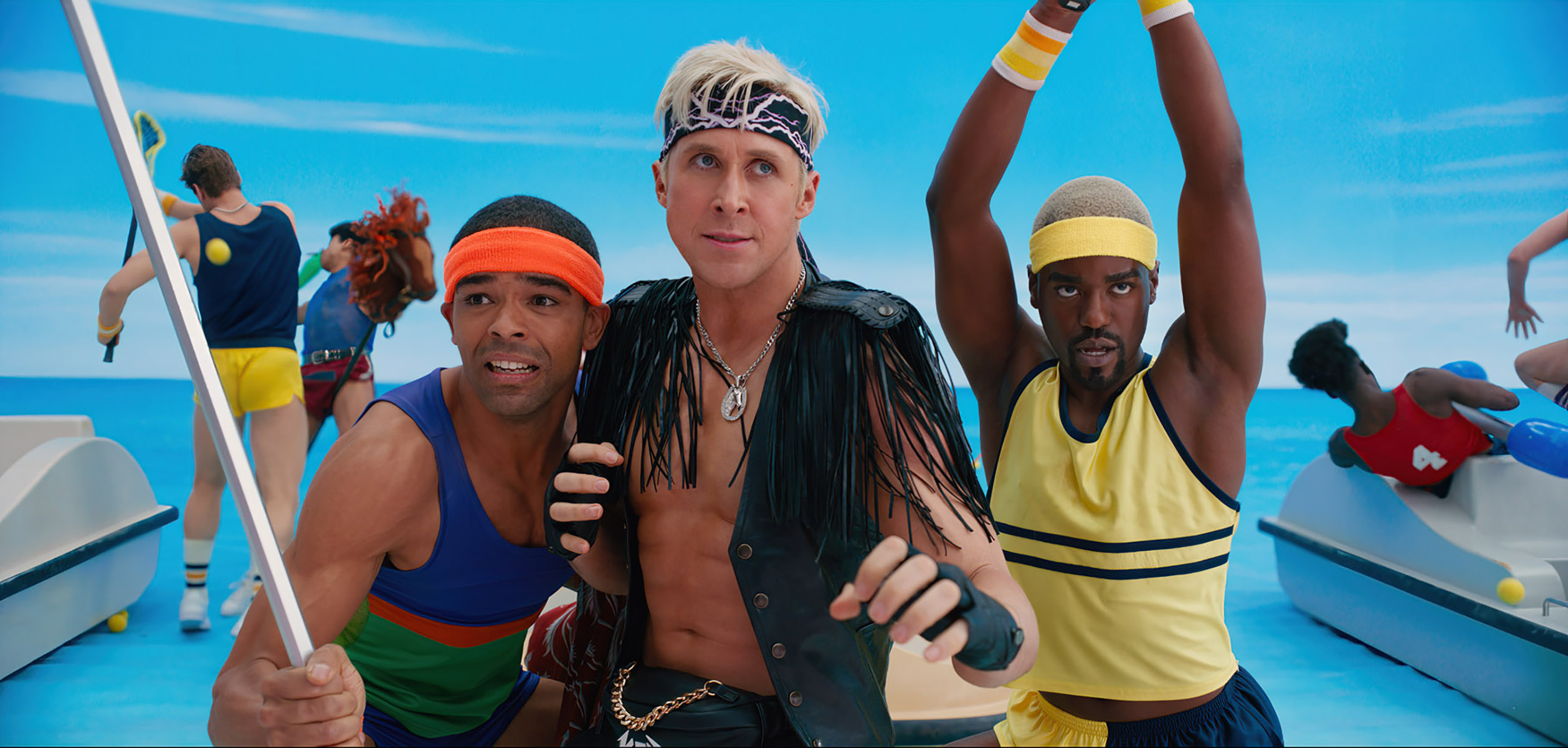
  • Should Win: I’ll be honest: the Original Song category is almost always my least favorite year after year. Most of the nominees come during the closing credits, when my attention has already waned and barely register after I leave the theater. So I’d love it if “I’m Just Ken” from Barbie received some recognition because not only is it a catchy (and funny!) tune, but it’s a delightful sequence full of imagination and hilarity.
  • Should’ve Been Nominated: Count me as a defender of Wonka and its songs, but for the life of me, I can’t understand the Academy’s aversion to John Carney – even after winning previously. Flora and Son was yet another enjoyable entry for him, and had the backing of Apple, with equally fun music. Two of the film’s songs, “High Life” and “Meet in the Middle” made it onto the Academy shortlist, but Carney will simply have to wait another day to get his dues.

Best Makeup and Hairstyling

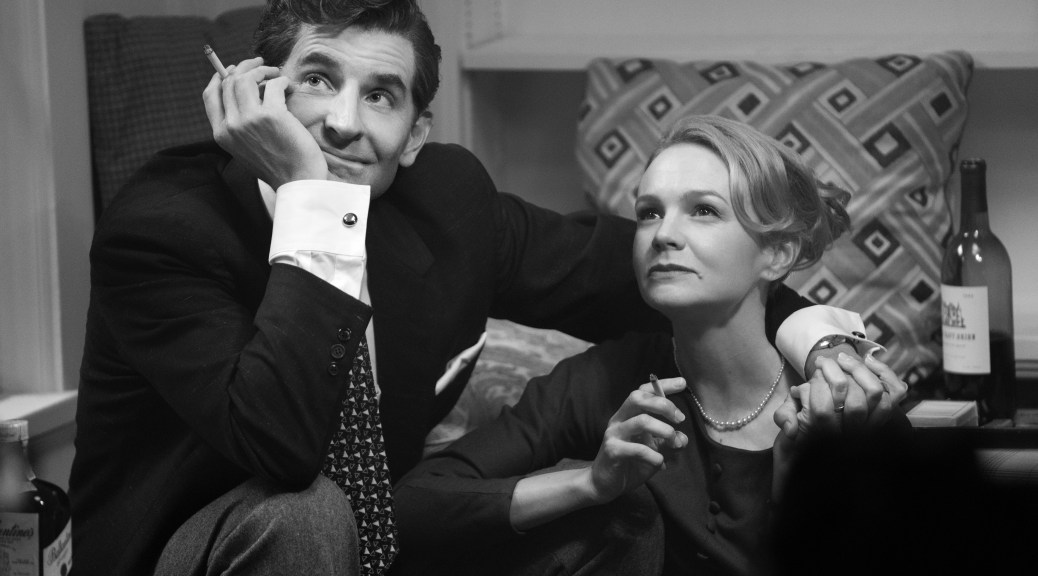
  • Will Win: Maestro‘s prosthetic work, and its aging makeup on Bradley Cooper and Carey Mulligan, is like catnip to Academy voters. Regardless, it’s so well done that even its detractors admit to loving it, helping its stars to fully transform into Leonard Bernstein and Felicia Montealegre. Also worth mentioning, nominee Kazu Hiro is a two-time Oscar winner and a well-respected legend within the industry. It bears mentioning that, if anything were to beat Maestro, it will be Poor Things.
  • Should Win: I’m not terribly enthusiastic about the nominees in this category, prosthetic work on Willem Dafoe in Poor Things notwithstanding. But I don’t think the work in Maestro should go overlooked. When films try to transform actors into famous figures, it rarely works out well enough to make the stars truly unrecognizable. But Bradley Cooper and Carey Mulligan disappeared into the roles and the makeup and hairstyling went a long way in making that happen.
  • Should’ve Been Nominated: Just like Maestro, Sofia Coppola’s Priscilla contained extremely capable makeup and hair work on its stars – real, famous figures, no less. To take the 25-year old Cailee Spaeny and make her credibly go from 14 to her 30s is thanks in large part to the makeup. And Priscilla Presley’s makeup and hair work informs her character as she ages, playing into the themes of the film at large.

Best Costume Design

  • Will Win: Early in the awards season, it was a bit of a toss-up in several of the craft categories between Barbie and Poor Things, and that includes Best Costume Design. And while it wouldn’t surprise me to see Poor Things prevail here, what gives Barbie the edge is its dedication to putting the costumes front and center. There’s literally a scene showcasing all of Barbie’s outfits throughout the years. Even if you still haven’t seen it, Barbie‘s costumes were a major aspect of its marketing and awards campaign. That its costume designer Jacqueline Durran is a two-time winner and Oscar regular gives it the edge for me.
  • Should Win: The sheer breadth of iconic costumes on display throughout Barbie was one of its greatest joys. From Margot Robbie’s and Ryan Gosling’s most notable outfits to the quick glimpses we see during the montage as the pair travel to the real world, Durran fashioned a number of costumes that went a long way in creating the weird, wonderful world of Barbie.
  • Should’ve Been Nominated: The costuming in Io Capitano took me by surprise by how smartly understated it is. It’s certainly not the flashiest, and stood virtually no chance of being nominated, unlike The Color Purple or Wonka or Asteroid City, but it works extremely well for the themes at play within Matteo Garrone’s film.

Best Sound

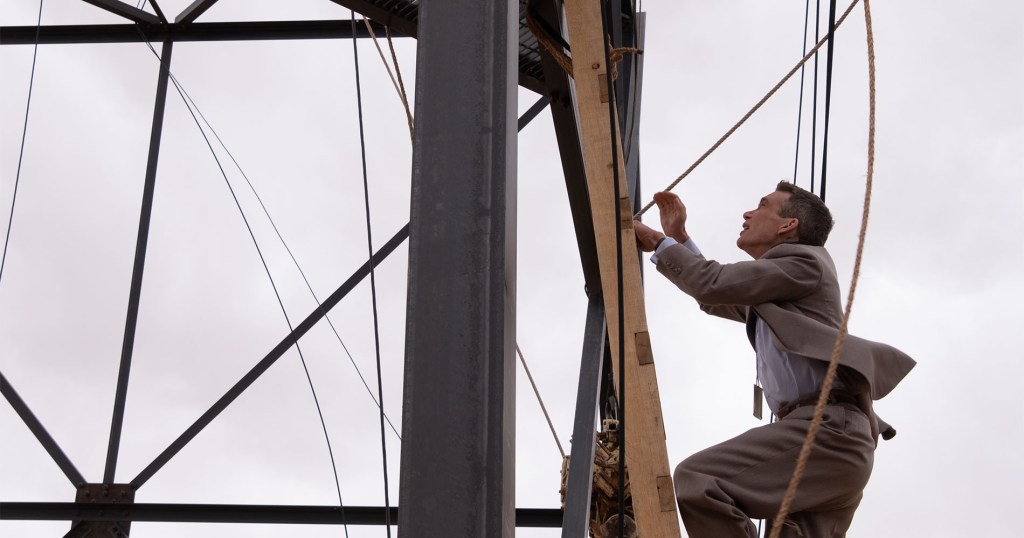
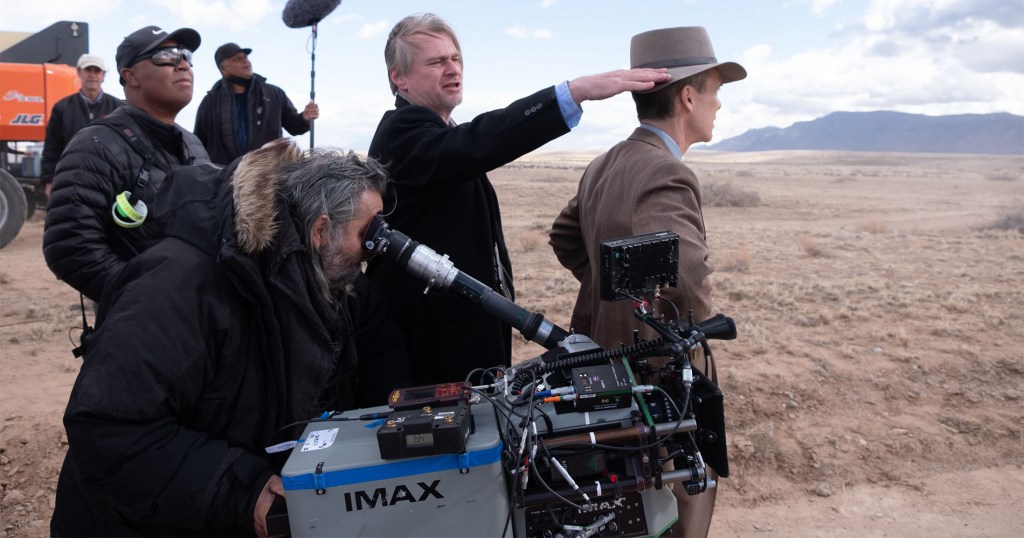
  • Will Win: Oppenheimer is inarguably the loudest nominee in the Best Sound category. But it deploys its loudness in incredibly smart ways, most notably during the Trinity Test sequence, and during the indelible gymnasium scene that follows shortly thereafter. It feels strange to say a Christopher Nolan film should win an award for its sound work, but it’s one of Oppenheimer‘s best assets.
  • Should Win: Yes, Oppenheimer deserves to win here because of its usage of sound, but for the sake of variety, I’ll say that The Zone of Interest should be winning here. The way Jonathan Glazer used ambient noise and distant sounds to create an otherworldly atmosphere was a part of what makes that film so special. It’s not particularly loud or flashy in the ways this category tends to reward, but it’s no less ingeniously utilized.
  • Should’ve Been Nominated: The sound in Godzilla Minus One was big, loud, and inventive. From the motors of the planes and boats to the roar of Godzilla to the destruction of buildings, it was a film that rewarded the big theater experience.

Best Film Editing

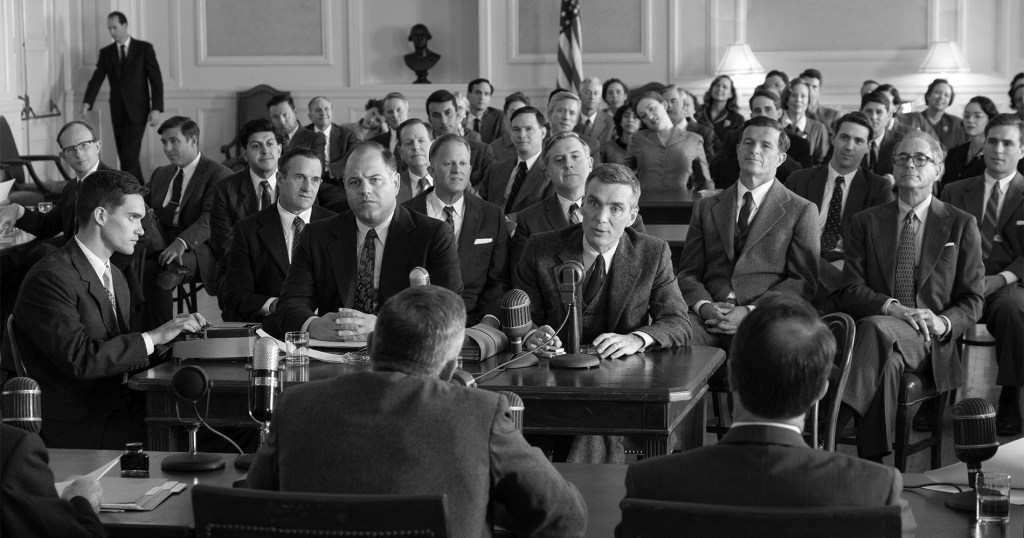
  • Will Win: I still don’t know how Oppenheimer, a three-hour action-less biopic with multiple timelines and densely layered conversations can be so propulsive, but it’s largely thanks to Jennifer Lame’s editing. Christopher Nolan’s penchant for conflicting timelines coalesced perfectly thanks to Lame’s precision editing, and made several sequences exciting and energetic.
  • Should Win: A big part of what makes the central mystery of Anatomy of a Fall work so well is in Laurent Sénéchal’s editing. Diverting in space and time, and only showing certain aspects from scene to scene, especially during the central argument playing between the past and present. It’s not overly showy editing, which tends to win the day here, but it’s no less vital to the film’s success.
  • Should’ve Been Nominated: There are long stretches of David Fincher’s The Killer where, essentially, nothing happens. The film’s opening is one long scene where Michael Fassbender simply hangs around an apartment and watches people. Nevertheless, the film remains pulse-pounding and energetic, and should have received more recognition past its Netflix release.

Best Original Score

  • Will Win: Much like Christopher Nolan in the Best Director category, Ludwig Göransson has a stranglehold on Best Original Score for his work in Oppenheimer. Göransson has made himself into a kind of Academy mainstay, and his work in Oppenheimer is operatic, bombastic, and lively. Few scores complimented their films as well as Göransson did, and the only question remaining now is how many more Oscars he’ll win in his young career.
  • Should Win: The late, great Robbie Robertson tapped into his Native heritage for his work on Killers of the Flower Moon, delivering a thematically rich and resonant sound for Martin Scorsese’s epic. A first-time posthumous win would be well deserved, but unlikely.
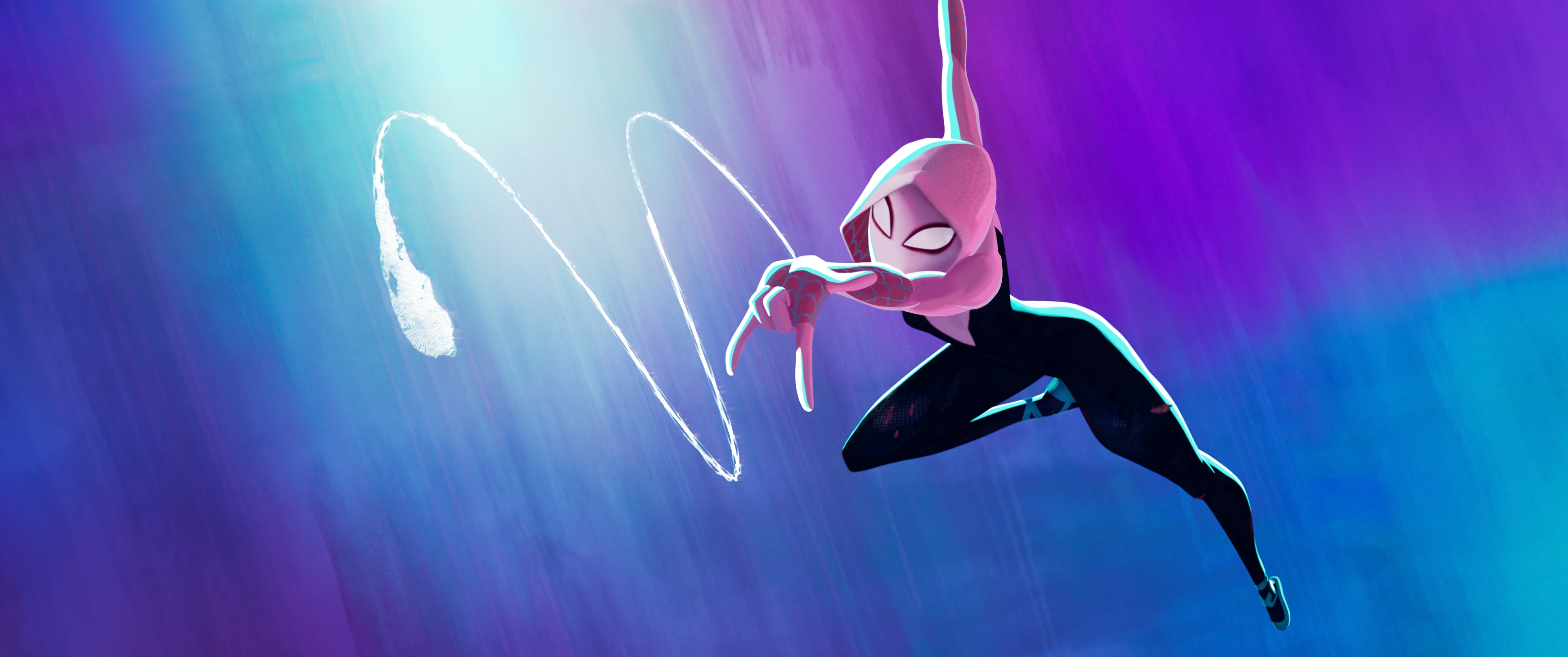
  • Should’ve Been Nominated: Both Daniel Pemberton and Joe Hisaishi’s scores for Spider-Man: Across the Spider-Verse and The Boy and the Heron, respectively, should be nominated here. Both were imaginative and propulsive soundscapes for beloved animated films. But if I had to choose one, it would be for Hisaishi’s work in The Boy and the Heron, if only because he’s a legend in the industry, and his collaborations with Hayao Miyazaki are some of the best scores of all time. That he missed out on what could be his last chance at an Oscar nomination is heartbreaking.

Best Production Design

  • Will Win: Poor Things is now the likely winner after picking up important precursor and guild wins. The film’s inventively realized sets, which meld together Victorian era architecture and sci-fi, contain enough details to fawn over whether you’re a fan of the film overall or not. But don’t be surprised if Barbie notches a win here, as it’s truly a toss-up that comes down to Academy taste.
  • Should Win: Don’t forget that, when talking about production design, you’re not just talking about the physical sets. You’re also talking about all the props and set decorations. Barbie‘s production design, in all its facets, was wonderful to behold, from Barbie’s Dream House to the beach setting, and all of the props that looked like life-size versions of the famous toys.
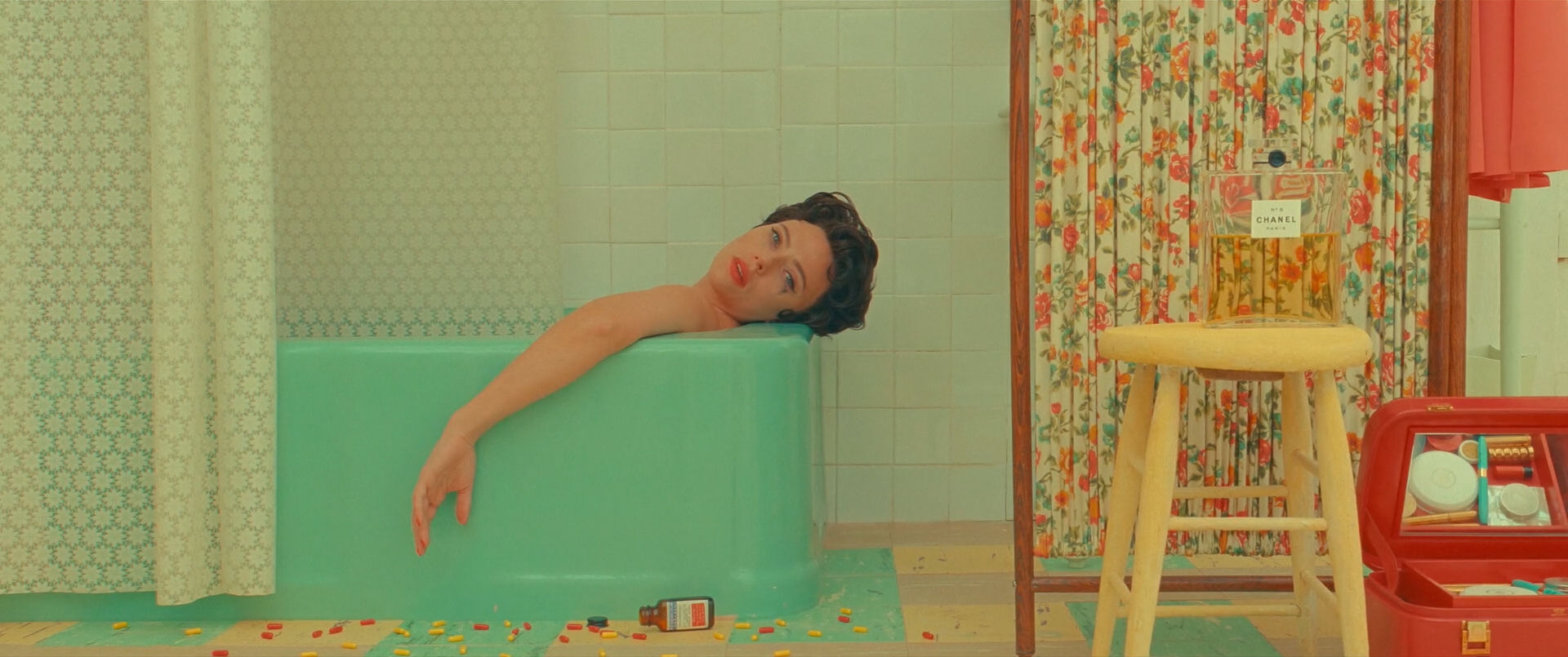
  • Should’ve Been Nominated: There was a moment before Oscar nominations were announced when Asteroid City had a glimpse of a chance. Alas, it continues on the trend of Wes Anderson’s (feature) films being shut out from the Academy. Nevertheless, Asteroid City was a wonderfully realized feat of production design – along with a number of other technical elements – that utilized the whimsy of Anderson and unique flourishes that simply aren’t seen often enough.

Best Visual Effects

  • Will Win: Without too much to go one besides the Visual Effects Society – which awarded The Creator – and BAFTA – which awarded Poor Things, not nominated here – it makes sense to go for The Creator. The film’s effects harken back to previous winner Ex Machina in the way it seamlessly blends practical and CGI effects on a sub-$100 million budget. While the story isn’t much to write home about, its use of visual effects is undeniable.
  • Should Win: Both Godzilla Minus One and The Creator had incredible visual effects on budgets that defied what we typically see from blockbuster spectacles. Godzilla is the better film overall, but because there are some sticky issues with the ways visual effects artists are paid in Japan, I’ll throw my support behind The Creator.
  • Should’ve Been Nominated: For as lauded as John Wick: Chapter 4 was for its practicality, there were undoubtedly sequences that were impossible without the use of visual effects. Especially the amazing series of set pieces in the extended third act, or the top-down “Dragon’s Breath” sequence. Maybe one day the John Wick franchise will get its due, but it won’t be for its most deserving entry so far.

Best Cinematography

  • Will Win: Even if Hoyte van Hoytema and Christopher Nolan hadn’t needed to literally invent a new kind of IMAX film for Oppenheimer, it would still be walking away with this award. The film was appointment viewing on the largest screen possible for all of its sweeping vistas and beautifully framed images. Hoytema should have won at least one Oscar already, but his work in Oppenheimer will cement him as a legend.
  • Should Win: It feels a little insane that Oppenheimer is only Hoyte van Hoytema’s second Oscar nomination, when he’s done incredible work in films like Nope, Ad Astra, Interstellar, and more. But van Hoytema will make for a deserving winner, and hopefully make him part of the club going forward.
  • Should’ve Been Nominated: Making food look appetizing is easier said than done, but Jonathan Ricquebourg’s cinematography was a part of what made The Taste of Things so enjoyable. As the camera glides around the kitchen during each cooking scene, it creates a warm atmosphere and gives its audience an easy way into the themes of the film.

Best International Feature

  • Will Win: With The Zone of Interest as the only Best Picture nominee in this category, consider it a lock to win. In fact, Society of the Snow is the only nominee here to be nominated anywhere else.
  • Should Win: The Zone of Interest is undoubtedly the film that makes the biggest artistic statement, but The Teachers’ Lounge presented a prickly, enigmatic story. Mysterious and topical, Germany’s selection features a magnetic lead performance and a simple but effective story.
  • Should’ve Been Nominated: Yes, The Taste of Things was one of the bigger surprise omissions on Oscar nomination morning, and was one of my favorite films of 2023. But I remain flummoxed as to why The Promised Land never really took off with the Academy. It’s a period epic starring a bankable star like Mads Mikkelsen, and is an easily accessible story featuring some eye-catching crafts that had the potential to pick up other nominations elsewhere. Mads, and the film, deserved better.

Best Documentary Feature

  • Will Win: 20 Days in Mariupol, for all its gruesomeness and unflinching ability to depict the horrors of the war in Ukraine, is the clear front-runner here. After picking up crucial precursor wins, the film is likeliest to continue on to an Oscar win. That its subject matter is still topically relevant today, especially after the recent death of Alexei Navalny, won’t hurt its chances either.
  • Should Win: 2023 was a fairly weak year for documentaries, but the nominees this year are fairly strong. I was surprised by how much I enjoyed Bobi Wine: The People’s President – a thematically similar film to last year’s winner, Navalny. I enjoyed 20 Days in Mariupol most, but if I’m picking something different, I’ll shout out Four Daughters, an enlightening, formally inventive film about womanhood in the Middle East.
  • Should’ve Been Nominated: There’s always at least one well-liked documentary that gets left in the cold on nomination morning. This year, it was Beyond Utopia, a harrowing and beautifully rendered look at North Korea, and the lengths that some of its citizens will go to to escape it. In a fairly weak year for documentaries, Beyond Utopia was an acclaimed film that highlighted an aspect of our world that rarely gets attention, and it was done in a way that kept its audience engaged from beginning to end.

Best Animated Feature

  • Will Win: At this point, I’m just happy that the Animated Feature prize is a genuine toss-up, compared to years past. Spider-Man: Across the Spider-Verse is the financial and critical hit and has scored crucial precursors. But the Academy rarely rewards sequels in this category. The Boy and the Heron has struggled but has earned enough key wins to keep it close. Plus it comes from Hayao Miyazaki, a legend in the industry and across the world. Neither win would surprise me, and neither film deserves to go home empty handed so, despite what my heart tells me, it’s hard to deny Across the Spider-Verse.
  • Should Win: In a great year for animation, I have no qualms with any of the nominees here (though my least favorite is Elemental). I’ll never not root for Hayao Miyazaki, and since The Boy and the Heron is potentially his final film, it would be great to see him go out with a well deserved award.
  • Should’ve Been Nominated: Teenage Mutant Ninja Turtles: Mutant Mayhem may not have fully lived up to its potential, but it’s perhaps the best TMNT movie ever made. It certainly helps the film’s case that it boasts a distinct animation style, but it’s also a smartly executed superhero film with a game voice cast and thoughtful ideas.

Best Adapted Screenplay

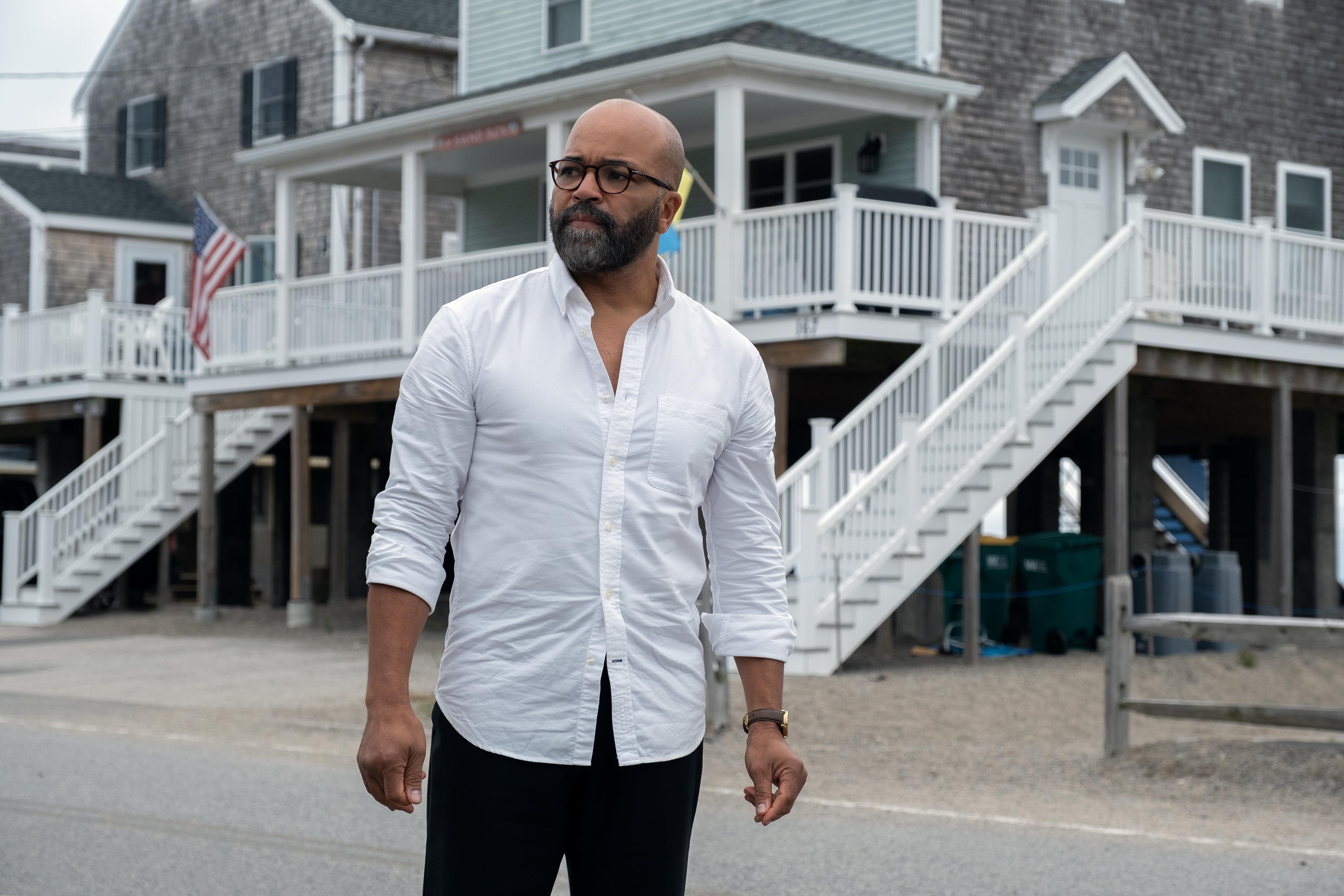
  • Will Win: Without the Writers Guild Awards to rely on, predicting both screenplay categories this year is abnormally difficult. Will the Academy go with Oppenheimer, which uniquely utilized first-person, or will they go with Cord Jefferson’s fresh-faced satire American Fiction? All five of the nominees – with the exception of The Zone of Interest – could have the claim to a win. But since American Fiction took home an improbable win at BAFTA, that’s what I’ll go with.
  • Should Win: Take away the unique writing style of Oppenheimer, and you still have a fascinating screenplay that balances a number of difficult elements. Adapting a long, dense, non-linear novel like American Prometheus is no easy feat – without the use of Nolan’s usual action scene staples – and shouldn’t be forgotten.
  • Should’ve Been Nominated: Killers of the Flower Moon‘s omission here was one of the biggest surprises of Oscar nomination morning, and by all accounts, it should be here not just for how it portrayed the historical events, but for how Martin Scorsese and Eric Roth reconfigured David Grann’s novel to focus on the Osage story.

Best Original Screenplay

  • Will Win: Another solid lineup where no clear front-runner emerged until BAFTA, but Anatomy of a Fall has taken a step forward to secure itself as the likely winner. It’s a twisty screenplay with interesting characters and engaging themes that elevate it above a simple courtroom drama, and its nominations elsewhere are indications that it has broad support.
  • Should Win: For May December to be screenwriter Samy Burch’s first produced screenplay is all the more impressive considering it’s so smartly executed. The film may have hit a little too close to home for the Academy to truly embrace it, but no film was as thematically rich or complex, rewarding multiple interpretations and multiple rewatches.
  • Should’ve Been Nominated: Bottoms didn’t come within a country mile of the Academy’s radar, but that doesn’t mean Rachel Sennott and Emma Seligman’s screenplay was any less deserving. Packed to the brim with spoken and visual gags, inventive characters, and an original premise, the film was a welcome jolt into the arm of adult-centric studio comedies.

Best Supporting Actor

  • Will Win: There’s absolutely nothing holding Robert Downey Jr. back from his first Oscar win for his work in Oppenheimer. Not only has he essentially been the front-runner since July, but he’s cruised through the precursors, he’s a likeable star who’s considered overdue, and he gives a tour de force performance as the film’s villain.
  • Should Win: Everything that Ryan Gosling does in Barbie cracked me up, from his “Sublime!” line reading to his performance of Matchbox Twenty’s “Push.” Gosling proves himself to be one of our most versatile actors, as he balances all of Ken’s sillier sides with his genuine desire to be a better person – er, doll.
  • Should’ve Been Nominated: It’s still up in the air whether Glenn Howerton’s performance in BlackBerry was a Lead or Supporting, but it was no less award-worthy. Howerton stepped outside his comfort zone from his work on It’s Always Sunny in Philadelphia to deliver a captivating, dramatic performance that ensnared you as soon as he steps on screen.

Best Supporting Actress

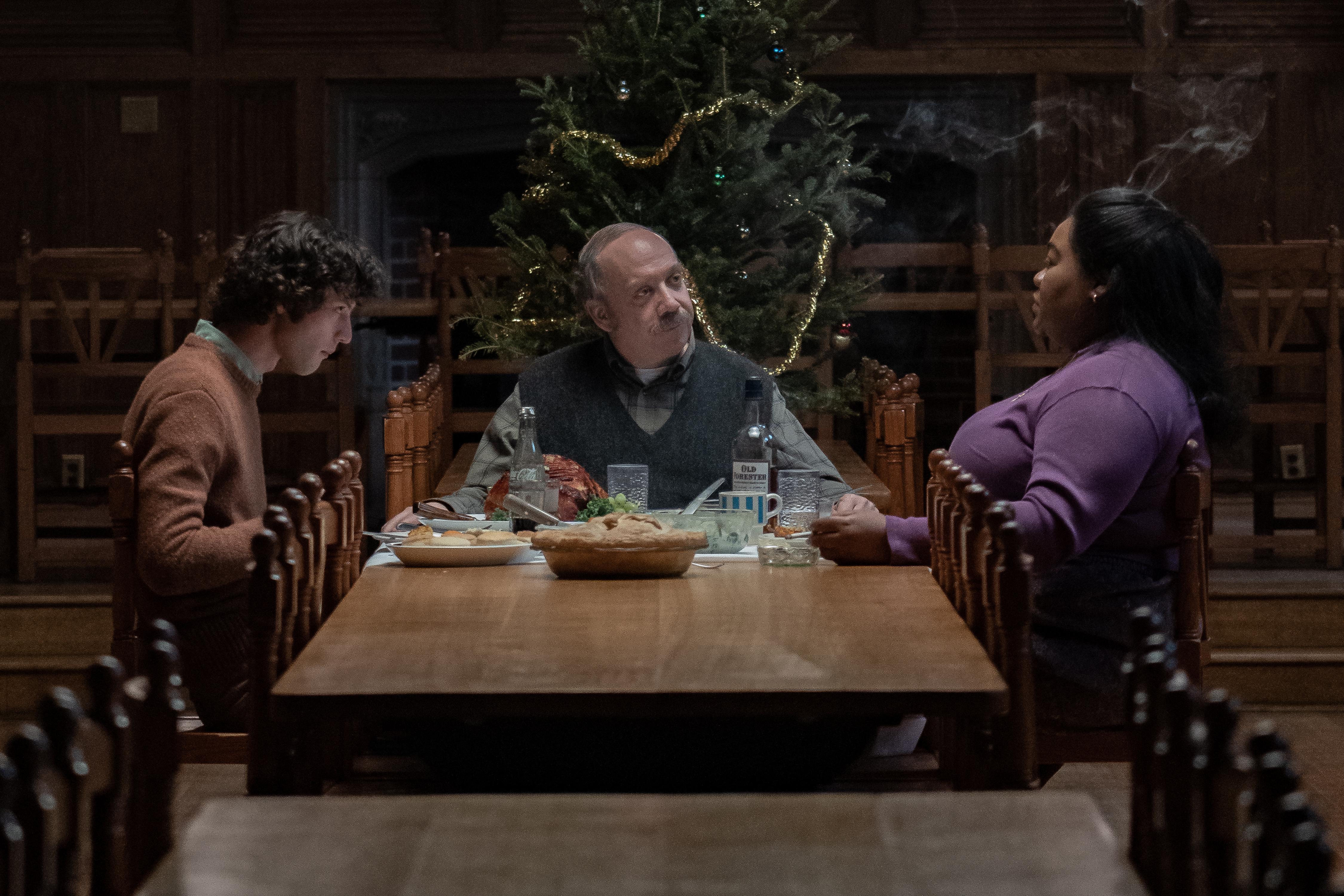
  • Will Win: Da’Vine Joy Randolph has cleaned up across the board for her work in The Holdovers. She delivers a memorable, nuanced performance, and she’s well liked within the industry. Vote against her at your own peril.
  • Should Win: In a weak year for the field, Emily Blunt probably comes in a distant second place for her work in Oppenheimer. Yes, her screen time is diminished, but she makes a lasting impact whenever she is given the room. Her third-act scene with Jason Clarke is a masterclass in subtlety and emotion. Oppenheimer may be Blunt’s first Oscar nomination, but it likely won’t be her last.
  • Should’ve Been Nominated: I’ll continue to bang the drum for Rachel McAdams’ delightful performance in Are You There God? It’s Me, Margaret. As Margaret’s mother, she imbues that film with a level of warmth, humor, and nuance that makes it more than a simple coming-of-age film, and gave one of the best performances – lead or otherwise – from 2023.

Best Actor

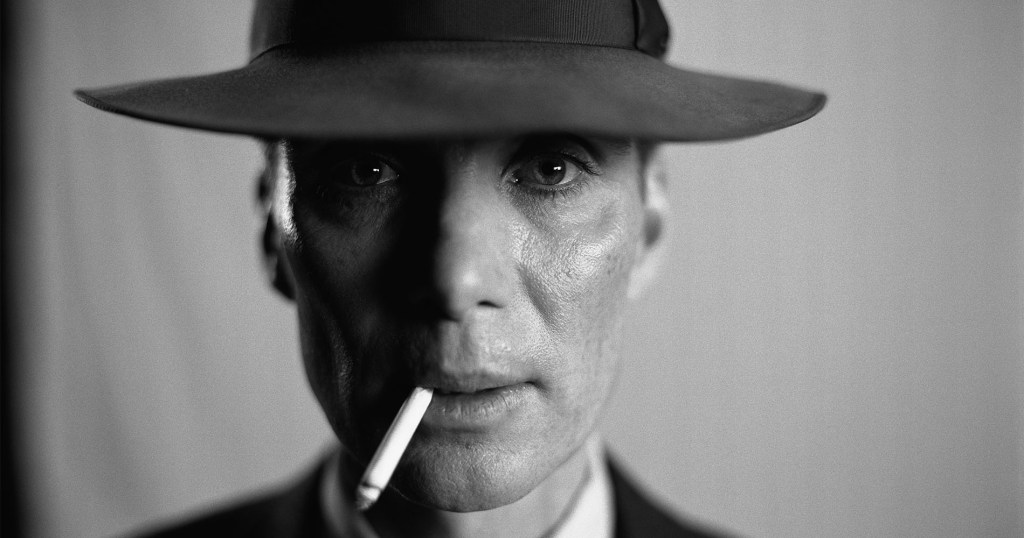
  • Will Win: Maybe it feels strange to call Cillian Murphy the presumed winner, given his leading man status over the years, and his seeming disinterest in awards campaigns. But after sweeping major precursors – SAG, BAFTA, and Golden Globe – it’s tough to argue with Murphy’s resume. Not for nothing, he’s playing the titular role in Oppenheimer, the Best Picture front-runner.
  • Should Win: I don’t know what more Bradley Cooper has to do to finally win his first Oscar after his magnetic work on Maestro. Bubbling with energy and charisma from Leonard Bernstein’s early years to his later days, Cooper did more than an imitation of Berstein, as he embodied the composer’s fears, hubris, and love. One day he’ll be awarded with something, and we’ll all look back and realize it maybe should have been here.
  • Should’ve Been Nominated: Zac Efron’s performance in The Iron Claw is the stuff of Oscar dreams. It’s a physical transformation, as he bulked up to an impressive degree, and he tackles a great deal of the wrestling scenes himself. And he handles the film’s dramatic beats without missing a step, navigating his character’s difficult trajectory and making it look easy.

Best Actress

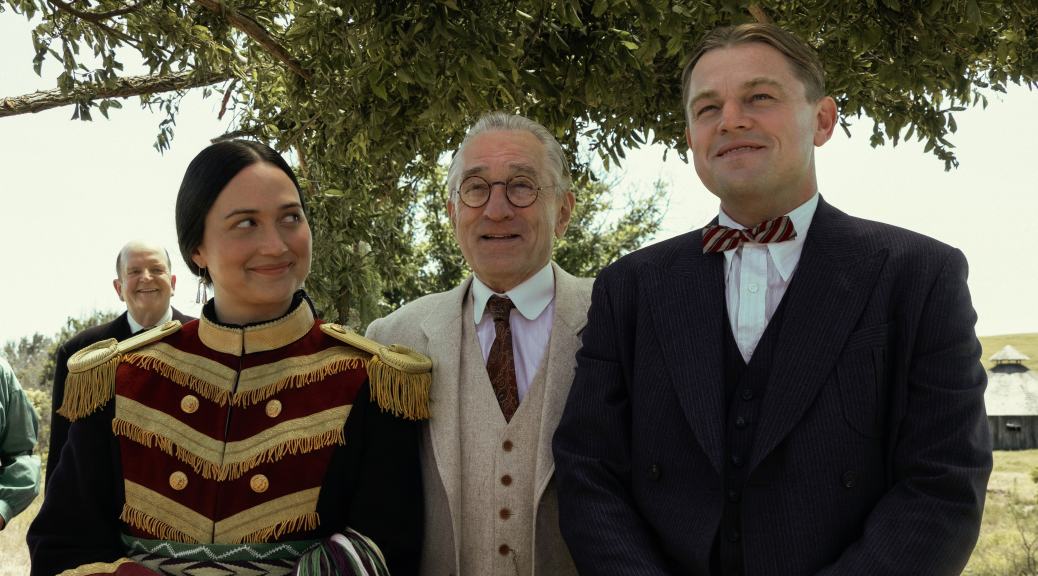
  • Will Win: It’s been a neck-and-neck race of late between Emma Stone and Lily Gladstone, but after a SAG win, Gladstone is the slight front-runner here. Never forget that the acting branch is the largest contingent of the Academy, and if she can be awarded by her peers at SAG, Gladstone has the momentum to carry over to a win. Emma Stone will get nominations in the future, but Gladstone unfortunately is less assured. If the Oscars are in the business of making history, they’ll feel fine with awarding Gladstone for her work in Killers of the Flower Moon.
  • Should Win: It’s not often when an actor has a magnetic presence to their performance, where they almost loom over the mood of the film when they’re not on screen. Lily Gladstone’s performance in Killers of the Flower Moon had that indescribable aura, in spite of her relatively limited screen time. It would be a deserving win for a subtle, understated performance that isn’t recognized often enough.
  • Should’ve Been Nominated: The campaign never really took off for Natalie Portman’s work in May December in the way it should have. For my money, Portman gave the best lead performance of the year, making a multi-faceted, complicated figure completely magnetic. Her subtle and layered mannerisms went a long way in selling Todd Haynes’ vision of a decaying entertainment ecosystem, and it could easily be considered Portman’s best performance of her entire career.

Best Director

  • Will Win: If anything is assured on Oscar night, it’s Christopher Nolan’s win for Best Director for Oppenheimer. Nolan’s magnum opus utilized his signature style in a digestible, nuanced packaged, valuing practicality over synthesized material, and the result was a film that only Nolan could have made. Oh yea, and he’s been un-challenged in the precursor awards. A total no-brainer.
  • Should Win: What is it that a director actually does? It’s never a simple answer, but I feel confident that Jonathan Glazer’s work on The Zone of Interest is an easy example to look to. The film was a fully unique vision from Glazer, one that challenged conventions of storytelling while creating a haunting, visceral atmosphere and a relevant message about atrocities that will stick with you long after the film ends.
  • Should’ve Been Nominated: Greta Gerwig deserves recognition for bringing her vision of Barbie to life, manipulating all of its moving pieces and making it a poignant and funny experience – and she has the box office receipts to prove it. But my pick is actually Michael Mann for his work on Ferrari. Mann was able to take real-life events and fuse his worldview of masculinity and all its trappings. Take those themes and tack on some dynamic racing scenes, and you have Mann at his best.

Best Picture

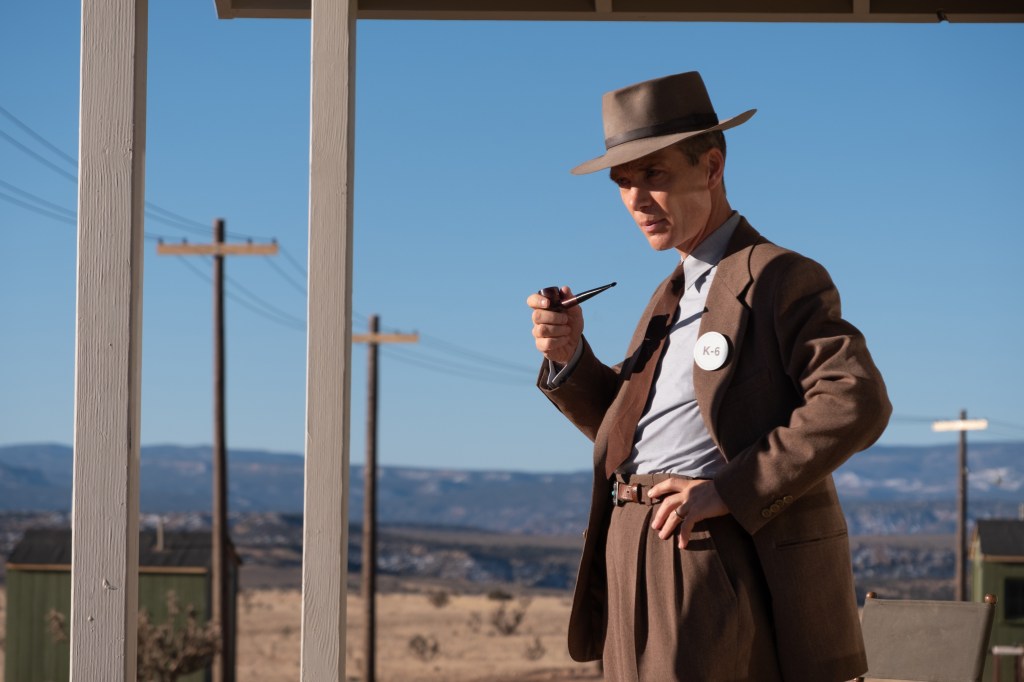
  • Will Win: It feels bizarre to have a Best Picture winner that’s essentially been the front-runner since its premiere in July, but Oppenheimer has managed to stay in the conversation almost constantly ever since. It’s a towering achievement in the technical and artistic sense, and it has a prescient statement to make about America’s place in the world, among other things. No film has really challenged Oppenheimer‘s status, as it continued to rack up wins and nominations everywhere it expected to be. The only question, at the end of the day, is where Oppenheimer will rank in the annals of the remaining 95 Best Picture Oscar winners.
  • Should Win: Almost all 10 of the Best Picture nominees would make a worthy winner, so picking a “should win” this year is more difficult than it has been in a long time. Whether you prefer the silliness of Poor Things, American Fiction or Barbie, or the traditional nature of The Holdovers, Killers of the Flower Moon or Maestro, or something in-between, there’s something for everybody. So, for the sake of brevity, I’ll say that Oppenheimer would make for a more-than-worthy Best Picture winner.
  • Should’ve Been Nominated: It’s hard to complain too much about the slate of Best Picture nominees when the worst of them is merely “pretty good” (in my opinion). But it would be great if we could see animated films nominated anywhere outside Animated Feature or Original Score more than once in a blue moon. Spider-Man: Across the Spider-Verse was both critically adored and immensely popular, and scored a number of nominations across guilds and precursor groups. Thankfully the Spider-Verse franchise has at least one more chance to make it into the club.

Every 2024 Oscar Nominee Ranked

53. NYAD (Best Actress, Best Supporting Actress)

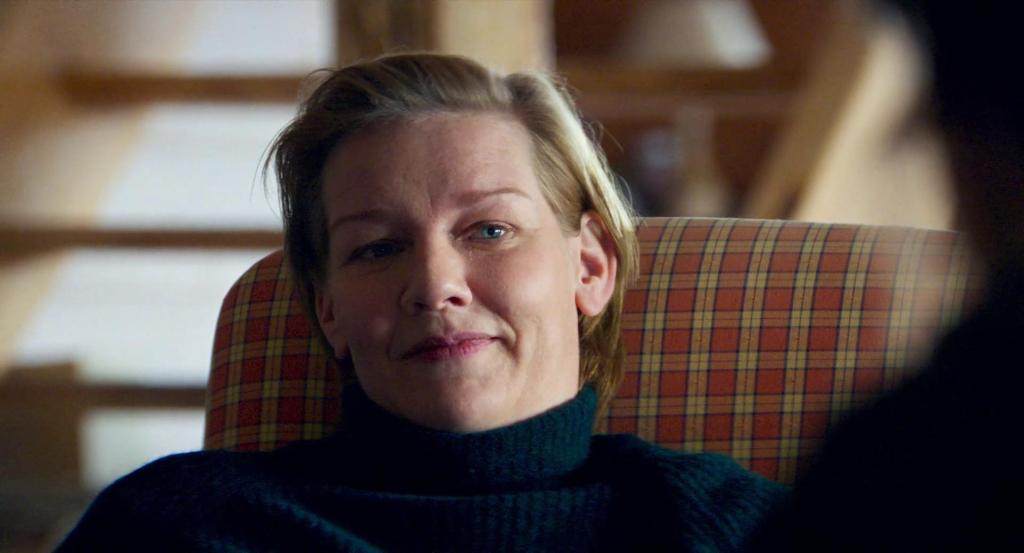
Yes, Oscar nominees Annette Bening and Jodie Foster deliver engaging – and, in Bening’s case, extremely physical – performances. But the problem with NYAD lies in its disposable screenplay that utilizes every biopic cliché. What Diana Nyad (Bening) accomplished should absolutely be celebrated, but she’s such an unlikeable protagonist that it becomes difficult to root for her. There isn’t anything particularly memorable about the film, aside from the embarrassing B movie-level flashbacks and visual effects, making directors Elizabeth Chai Vasarhelyi & Jimmy Chin’s first narrative feature something that should make them consider returning to the world of documentaries.

52. The ABCs of Book Banning (Best Documentary Short)

Look, the premise for The ABCs of Book Banning was essentially a slam dunk from the beginning. It likely won’t change anyone’s mind once it’s over, often preaching to the choir of people who are already informed on its subject, and that’s the film’s biggest failing. Sheila Nevins’s documentary looks at the rise of the practice of banning and restricting certain books in mostly Republican-held states. But rather than hear from the adults challenging these policies, it’s a film that gives a voice to the very children who these policies effect, and what’s lost when they’re unable to read certain books. The animation isn’t great whenever it portrays the books discussed, and the discussion isn’t the most nuanced, but it’s no less important.

51. War is Over! (Best Animated Short)

Maybe I shouldn’t be surprised that an animated short that references John Lennon and Yoko Ono’s titular saccharine song is so overly saccharine. Director and co-writer Dave Mullins undoubtedly had good intentions when crafting War is Over!, but you essentially know where the film is headed once its premise reveals itself early on. The film tells the story of two WWI soldiers on opposite sides of the conflict as they play chess via carrier pigeon. The animation is noteworthy and eye-catching, but that’s mostly where the praise ends for this overly safe animated short.

50. Invincible (Best Live-Action Short)

Invincible is a perfectly fine, if forgettable, live-action short about the final hours of a troubled kid. There’s great potential for director Vincent René-Lortie to make the short into a feature, and allow more time for us to live within Marc’s (Léokim Beaumier-Lépine) head space. Lépine gives a performance beyond his years, making Marc a character with real complexity. Invincible could easily feel like misery porn, as is traditionally the case with this category; the fact that it’s based on a true story doesn’t help. But it’s ultimately tinged with a sense of hopefulness, in a strange way. The film shows promise as is, but it’s hard not to leave wanting more.

49. Golda (Best Makeup and Hairstyling)

Perhaps the most unlikely Oscar nominee this year, Golda mostly received its nomination because of how utterly unrecognizable Helen Mirren becomes. As Israeli Prime Minister Golda Meir, Mirren fully inhabits a woman with the weight of the world on her shoulders, plunging her country into deadly conflict. The film isn’t anything particularly special narratively speaking, often sticking to the historical biopic structure, but director Guy Mattiv utilizes some interesting flourishes to at least hold your attention. That the film was released in the same year as another ongoing conflict in Israel isn’t Golda‘s fault, but without it, it’s hard to understand why the film needed to be made in the first place.

48. Indiana Jones and the Dial of Destiny (Best Original Score)

Is Indiana Jones and the Dial of Destiny a bad film? Not exactly. Of course, when you measure director James Mangold’s entry against most of Spielberg’s previous entries in the franchise, you’re destined for failure. The film has some enjoyable action set pieces, Harrison Ford and Phoebe Waller-Bridge are fine enough together, and it serves as a better send-off for Indy than Kingdom of the Crystal Skull. It is a little absurd that composer John Williams seemingly gets a free pass for his forgettable score for the film, but overall Dial of Destiny isn’t worth raising your ire. Instead, it’s just another misbegotten legacy sequel where nobody but the studio executives that pushed the project can really be blamed.

47. Red, White and Blue (Best Live-Action Short)

What appears to be a fairly straightforward, if familiar, story about a woman seeking an out-of-state abortion with her daughter takes an incredible turn in its final moments in Red, White and Blue. Brittany Snow and Juliet Donenfeld are delightful together as they share a mother-daughter bond that goes a long way in selling the film’s message. Writer-director Nazim Choudhury lays the schmaltz on fairly thick throughout the film, but it’s well intentioned and packs an important message.

46. El Conde (Best Cinematography)

I like director Pablo Larraín’s films, and it’s clear that El Conde came from a place of genuine emotion for him, with the film’s connection to his home country. A portrait of Chilean dictator Augusto Pinochet, who happens to be a vampire, is an incredibly clever concept for a satire. But Larraín and Guillermo Calderón’s screenplay doesn’t contain enough bite (sorry) or enough humor to remain in the conversation compared to Larraín’s previous work. Oscar nominee Edward Lachman’s black-and-white cinematography stands out in a crowded field, but El Conde feels like a bit of wasted potential from one of cinema’s smartest voices.

45. Knight of Fortune (Best Live-Action Short)

Knight of Fortune perhaps raises more questions than it can answer, but at least it’s simple and emotional enough to mostly forgive these issues. A man arrives at the morgue to say goodbye to his wife, but finds himself unable to do so. But thanks to a misunderstanding, a stranger comes along and helps him navigate his grief in unexpected ways. It’s the kind of also-ran nominee that comes along in the Best Live-Action Short category every year that goes down easy but doesn’t leave much of a lasting impression.

44. Pachyderm (Best Animated Short)

There’s always at least one short film nominee that portrays kids in peril, and Pachyderm seems to fill that slot in the animated short category this year. The animation is fine enough, a kind of loose chalk pastel aesthetic, as it matches its subject matter of looking back on childhood through an adult’s eyes. The menace in director Stéphanie Clément’s film is well hidden until the end, which re-contextualizes the events of before, where a child spends her summers with her grandparents in the countryside. Screenwriter Marc Rius mostly avoids narrative shortcuts with Pachyderm but there aren’t enough positives to be found to keep this out of the bottom portion of this list.

42. Island in Between (Best Documentary Short)

S. Leo Chiang’s Island in Between takes a micro and macro look at a lesser-known conflict between Taiwan and China. Chiang tells the story of the Taiwanese island of Kinmen, and its difficult relationship with China, and the people caught in the middle, including his own family. Perhaps most in need of expanding to feature length, Island in Between deals with some important topics and ideas, but suffers by shortening material that needs more room to breath.

43. Letter to a Pig (Best Animated Short)

I’ve said it before and I’ll say it again: my favorite aspect of the animated short category is in seeing the variety of animation styles that you simply cannot find elsewhere. Letter to a Pig features some wonderful animation that works with its themes. The simplistic film tells the story of a Holocaust survivor retelling his harrowing journey as he avoided the Nazis, and the pig that saved his life. It’s a unique angle to take on the Holocaust – a perpetual favorite topic in the short film Oscar nominees – but I struggle to remember much of the film’s substance beyond its great animation style.

41. Rustin (Best Actor)

Colman Domingo is one of my favorite actors working today, which is why it’s a kind of double edged sword to see him receive his first Oscar nomination for Rustin. Another copy-and-paste biopic formula comes to the life of Bayard Rustin (Domingo), and his efforts to plan the March on Washington. Domingo is inarguably fantastic in the role, portraying Rustin’s charisma while never backing away from what made him a polarizing voice at the time. But the film never distinguishes itself, nor does it really have anything unique to say about the Civil Rights movement. Here’s hoping that Domingo will eventually receive a nomination for a film that lives up to his talents.
The Kitchen Review

The Kitchen

  • Director: Daniel Kaluuya, Kibwe Tavares
  • Writers: Daniel Kaluuya, Joe Murtagh
  • Starring: Kane Robinson, Jedaiah Bannerman, Henry Lawfull, Rasaq Kukoyi, Richard Lawrie

Grade: C+

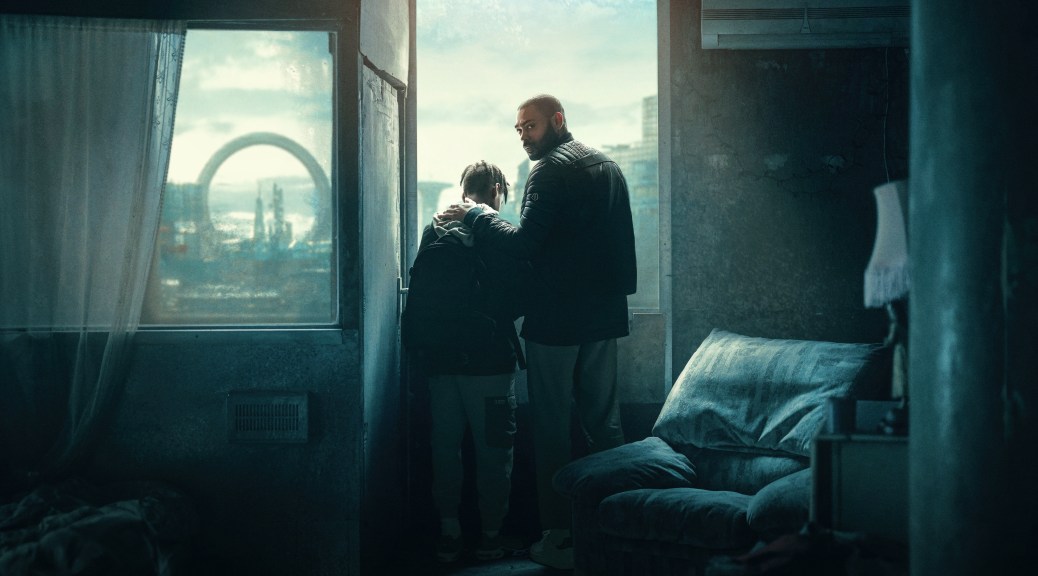
January of any year typically serves as a bit of cinematic wasteland, a time when studios dump their projects in the hopes that they’ll generate a quick buck or two – and Netflix is no different, as evidence by their latest release, The Kitchen. From trashy genre films to failed Oscar bait, it’s usually difficult to find a worthwhile new release that will stick in the culture past winter. Thankfully, the film, from first-time directors Daniel Kaluuya and Kibwe Tavares, has a number of thoughtful ideas at play that makes it more than just background noise.

Continue reading The Kitchen Review

Trevor Stucker’s Top 10 Movies of 2023

As much as I have wanted to watch every movie that was released in 2023, there are some major films that I have yet to see. Films like Poor Things, The Zone of Interest, and The Color Purple are ones that I haven’t seen that could potentially belong on this list. Out of the 160+ movies I have seen, these ten stood out due to their creativity and emotional impact.  

Continue reading Trevor Stucker’s Top 10 Movies of 2023

Rebel Moon – Part One: A Child of Fire Review

Rebel Moon – Part One: A Child of Fire

  • Director: Zack Snyder
  • Writers: Zack Snyder, Kurt Johnstad, Shay Hatten
  • Starring: Sofia Boutella, Djimon Honsou, Charlie Hunnam, Michiel Huisman, Ed Skrein, Bae Doona, Ray Fisher, Cleopatra Coleman

Grade: D-

Zack Snyder’s most basic impulses as a filmmaker seem to revolve around one guiding principle: make the coolest-looking image at any given moment. This is part of what makes him a filmmaker that audiences flock towards (and that’s all I’ll say about his fans in this review). But it’s what makes him so often frustrating, because his instinct for visual flair comes at the expense of thought-provoking storytelling. Though the bulk of Snyder’s films come as comic book and graphic novel adaptations, could he fare any better when making a wholly original work with the backing of Netflix?

Continue reading Rebel Moon – Part One: A Child of Fire Review