Starring: Cynthia Erivo, Ariana Grande, Michelle Yeoh, Jonathan Bailey, Marissa Bode, Bowen Yang, Jeff Goldblum
Grade: A-
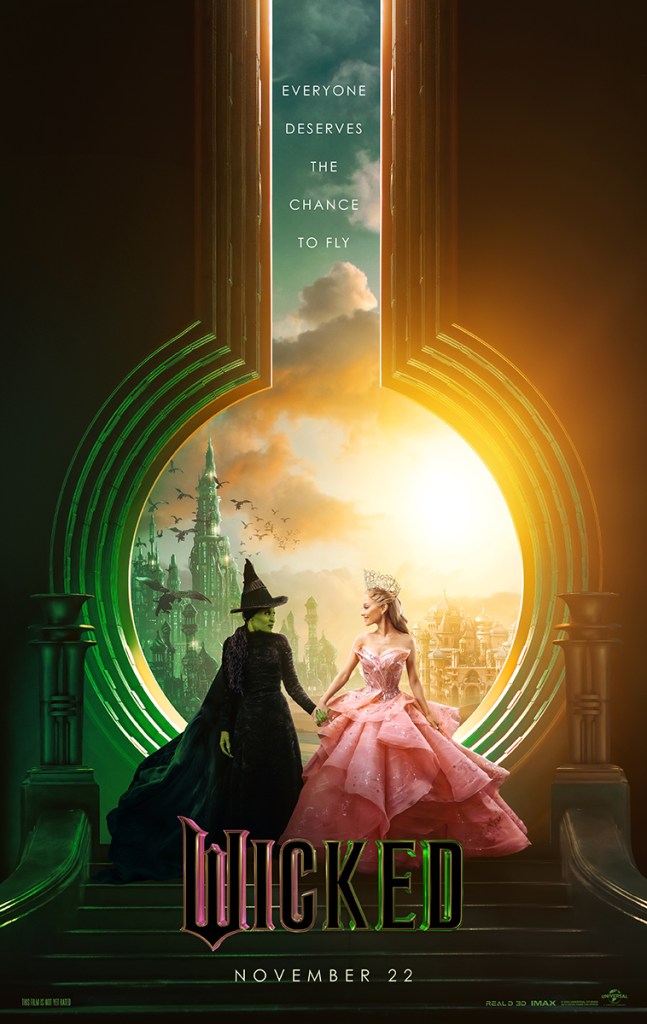
The movie musical is back in a big way with the long-simmering adaptation of Wicked thanks to director Jon M. Chu and the undeniable chemistry of its leads. Since its premiere on Broadway, Hollywood has tied itself in knots trying to figure out exactly how to film its version of Gregory Maguire’s novel, and while it may not be perfect, Chu’s vision does right by the material – a more difficult feat to accomplish than expected. Yes, technically, Wicked is only half of the story (part two is currently scheduled to be released in one year), but it’s one of the breeziest, most enjoyable moviegoing experiences of the year.
Starring: Dwayne Johnson, Chris Evans, Lucy Liu, JK Simmons, Kiernan Shipka, Nick Kroll
Grade: C-
Red One has built up an interesting reputation ahead of its release. Starting production in October of 2022, the film was meant to release during Christmas of 2023, but many problems started to grow. The film delayed production for a multitude of reasons, including rumors of Dwayne Johnson’s constant tardiness and set days missed. Then, the 2023 SAG-AFTRA strike delayed the film’s release a whole year, with Amazon MGM choosing to stick with the holiday season release.
After all this time, is Red One able to overcome the controversies and obstacles that came their way? Not really.
Starring: Tom Hanks, Robin Wright, Paul Bettany, Dannie McCallum, Joel Oulette, Daniel Betts, Kelly Reilly
Grade: B-
Robert Zemeckis was once one of the top filmmakers in Hollywood. And for good reason. He had delivered hit film after hit film on a consistent basis, ranging from blockbusters like Back to the Future and Oscar-winners such as Forrest Gump.
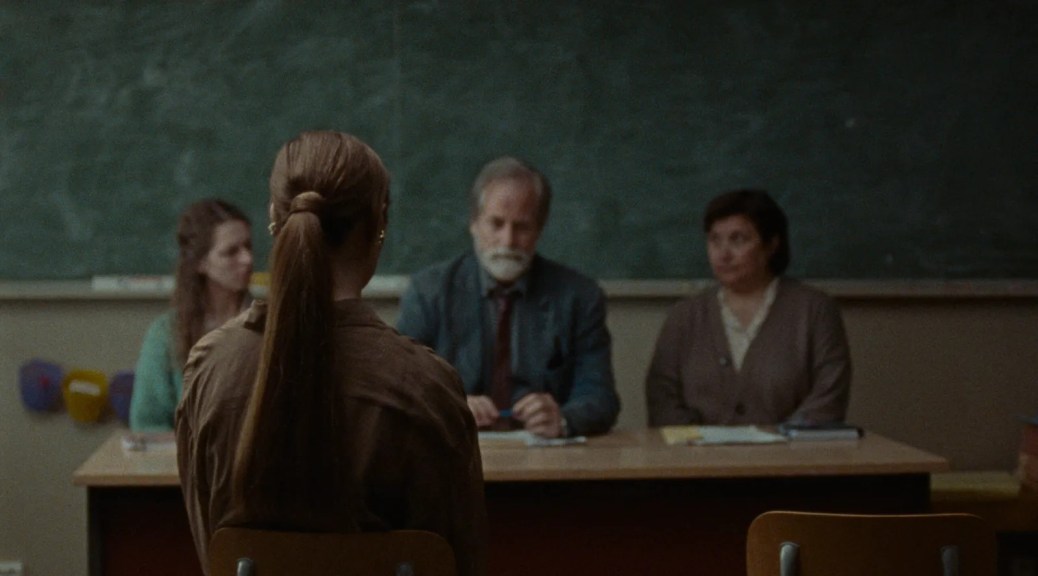
Perhaps what’s most impressive about If That Mockingbird Don’t Sing is that its writer-director just recently turned 20 years old. Sophie Bones – who makes a small cameo appearance as well – riffs on Juno and teenage pregnancy with the right balance of laughs and heart, even when its characters are often painted with a broad brush. The story follows Sydnie (played with an impressive maturity by Aitana Doyle), who discovers she’s pregnant after breaking up with her dipshit college-bound boyfriend Lucas (Braxton Fannin).
There are abrupt character shifts, like the almost forced love triangle that develops about halfway through, or Lucas’s changing feelings on being a father or his immediate reaction to the gender of the baby. But Bones peppers in some truly thoughtful and genuine scenes that elevate If That Mockingbird Don’t Sing above your run of the mill regional film festival indie. A scene between Sydnie and Lucas’s mother Carrie (Catherine Curtin) subverts expectations by painting the two as allies, rather than showing Carrie as the agitator. Scenes like this go a long way in differentiating the film from your average romantic comedy with overly qualified stars in supporting roles. The whole endeavor isn’t perfect, but it’s got enough positives to show that Bones has the chops to be a young, original voice in indie storytelling.
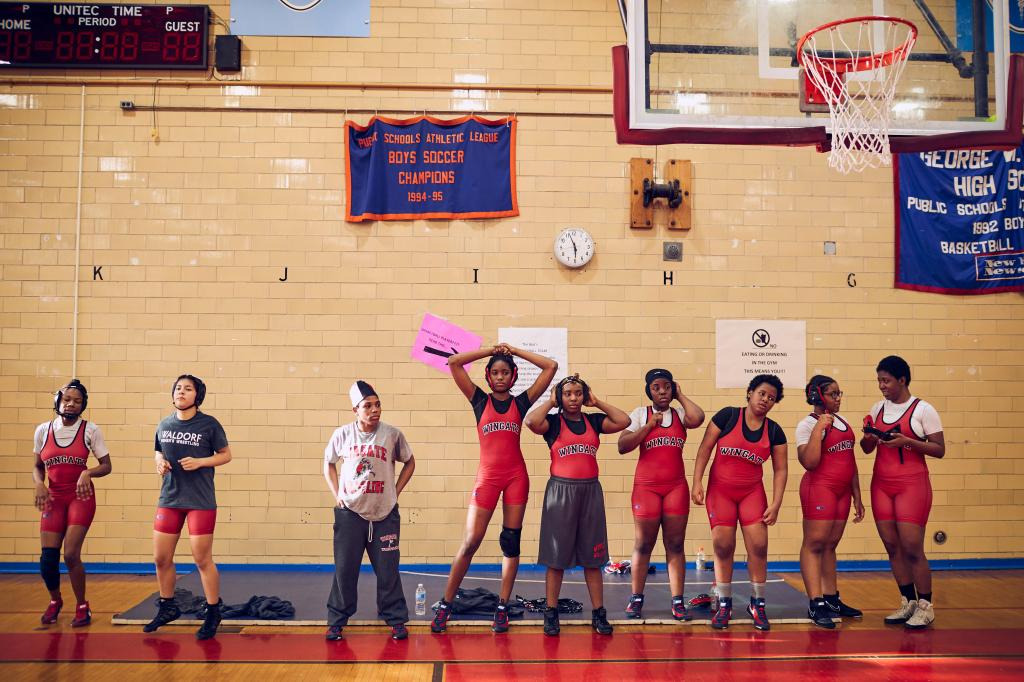
All American is one of the more conventional documentaries to be found at Heartland, but it’s no less emotional. First-time director Mark Andrew Altschul chronicles the girls wrestling movement in high school sports, but his film smartly details the complicated personal lives of its subjects off the mat just as much as it does on. The film isn’t explicitly about the immigrant experience, but the trio of girls just happen to be first-generation Americans living in various areas of New York.
Altschul shows the girls’ struggles not only to excel in the sport, but to gain the acceptance of their family, friends, and the culture at large. The film’s most heartbreaking storyline comes from a girl whose family immigrated from Yemen, and who go so far as to kick her out of the home simply for wanting to play a sport traditionally dominated by men. This is in line with the other characters, whose families come from more traditional backgrounds and believe that a girl’s place is in the home. But it’s encouraging to see so many girls persevere through adversity and acceptance, and it ultimately makes All American a winner.
There’s nothing inherently disagreeable about 2:15 PM, a Korean melodrama from first-time director Seryong Jeong, with a script from Ok-nyeon Park. At times, the film reminded me of Hirokazu Kore-eda’s Monster, which also played at Heartland and was one of my favorite films of last year. But what the former lacks is the latter’s ability to dig beneath the surface to offer a message that resonates after the credits end.
Jeong’s film concerns two young girls, played by Park So-yi and Gi So-you, and their budding friendship in the face of adverse circumstances. Hyun-su (Park So-yi) finds Min-ha (Gi So-you) on her way home from school when her father breaks a window in a fit of anger. Seeing someone in need of a friend, she begins a daily ritual of coming to Min-ha’s home and spending their brief window of time together. Jeong does a nice job of inserting drama naturally, like in exploring Min-ha’s father’s abusive behavior, or in Hyun-su’s impending move to Canada. That he manages to achieve all of this within 75 minutes is all the more impressive, but I can’t help but wish there was more to latch onto at the end of the day.
Alonso Ruizpalacios channels Alfonso Cuaron and The Bear with La Cocina, an exquisitely crafted but occasionally stilted drama. The film introduces its conflict early on, setting the stage for a great deal of tension, but it abruptly changes gears in its second half to become a bizarrely ineffective story of immigration. Set over the course of a single day in a generic New York restaurant simply called “The Grill”, the film follows the grunts at the front and back of house as management investigates a large chunk of money that was allegedly stolen the previous night.
All of this serves as the backdrop for the drama between Julia (Rooney Mara), a waitress, and Pedro (Raul Briones), a line cook. She recently discovered she’s pregnant, and he wants to support her decision to get an abortion. Mara and Briones are naturally charismatic together and separately, but the film goes on extended tangents that work perfectly well on paper but grind everything to a halt. One scene shows the kitchen going on a back-and-forth of colorfully insulting each other in their native tongues and, though this is probably La Cocina’s most effective instance of the film’s vision, there are similar scenes that don’t work as well. Still, Ruizpalacios gets the details of life in a busy restaurant right more often than not, like in Luis (Eduardo Olmos), the management underling who appeals to the immigrants by appearing friendly, but secretly has the boss’s best interests at heart. And the film looks incredible, shot in black and white in the Academy aspect ratio. Ruizpalacios especially flexes his muscles behind the camera with a virtuoso minutes-long oner during the chaotic lunch rush, where the lines between reality and fantasy blur. There’s a leaner version of La Cocina that’s undoubtedly much more effective, but it’s hard not to be frustrated by the film as it stands.
No other film at Heartland this year has a logline as hilarious as Stripper Boyz. Serving as a kind of documentary-narrative hybrid, the film tackles male body positivity in an ingeniously inventive way, thanks to the chemistry and instincts of its stars. Stephen Sanow and Jozef Fahey – Stephen is the credited director, and both are credited writers – are long-time friends and struggling actors, and Jozef is engaged, so Stephen decides to throw Jozef a bachelor party. But rather than your typical night of debauchery with friends, the pair travel to Las Vegas, where they try to learn the ropes as male strippers.
The film has a lot of fun with blurring the lines of reality and fiction, as we’re often left wondering how much of what we’re seeing is a bit, versus what is genuine. Stephen’s excuse for embarking on the journey is so that he can give his friend more confidence in himself and in his impending marriage, and Jozef is fully game with what is admittedly a kind of insane idea. If the majority of the conflict within Stripper Boyz was in Jozef’s unwillingness to do what Stephen wants, the film wouldn’t resonate as long as it does. Rather, the conflict comes from outside forces and setbacks beyond their control. Thankfully, the duo have enough comedic chops to make enough worthwhile content without stretching the premise beyond its breaking point.
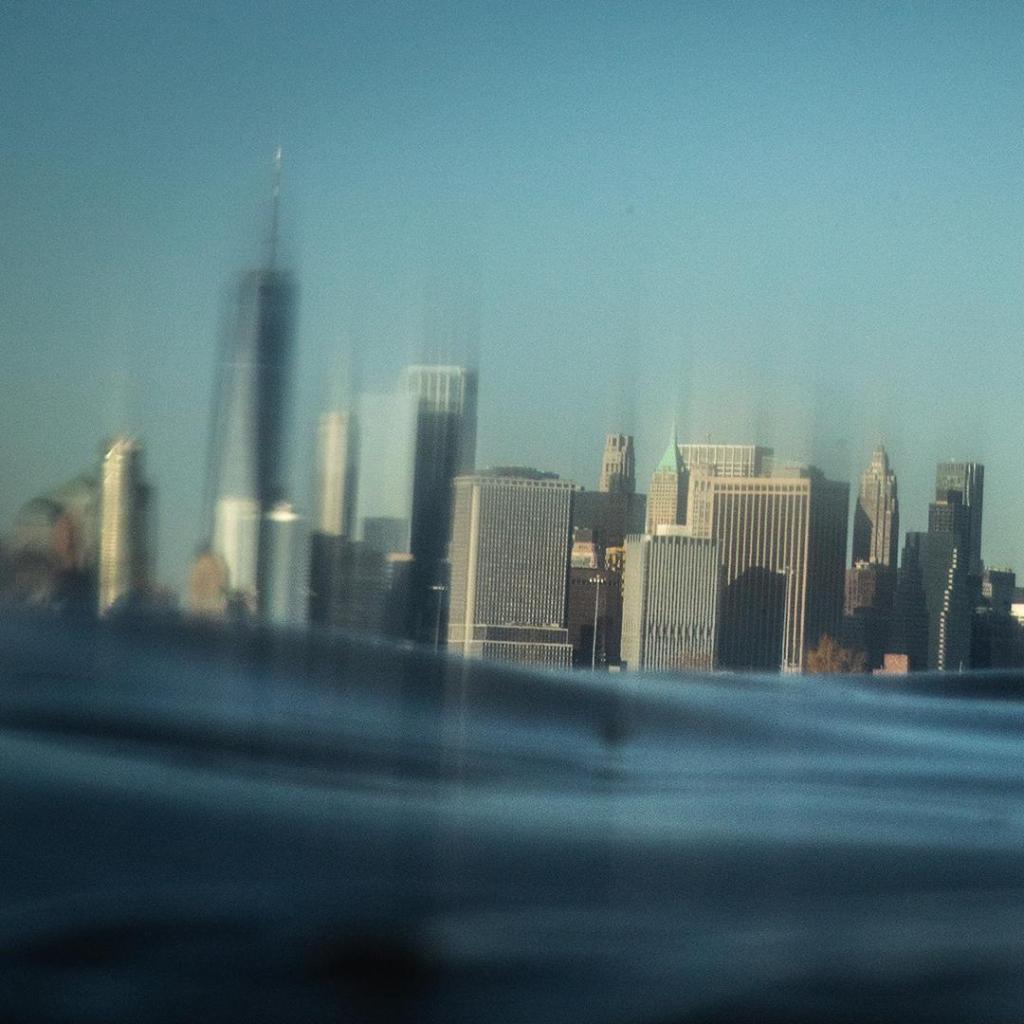
Gentrification is a word we all know and understand, but Emergent City takes an in-depth look at how and why it happens, in one of the biggest hotbeds for the trend. Documentarians Jay Arthur Sterrenberg and Kelly Anderson dedicate almost 10 years to filming the changes to the neighborhood of Sunset Park, a multi-cultural melting pot near the waterfront of Brooklyn. When the industrial warehouses and factories that flourished in the 1950s were left mostly empty and abandoned, the city tried to invigorate the area by turning the buildings into multi-use facilities called Industrial City, leading to upscale restaurants and businesses like what we see in most downtown areas throughout the country.
Sterrenberg and Anderson take an on-the-ground approach to the film, showing various organizations and town hall meetings, as the community pushes back against further re-zoning and redevelopment. It’s hard not to be won over to the community’s side, but Sterrenberg and Anderson are careful enough to occasionally show the potential upside to more development – like additional jobs and revitalizations to areas that were essentially blights beforehand. It can often feel like an uphill battle whenever community members – especially predominantly non-white community members – fight against a multi-billion dollar company, but Emergent City is an engrossing look at democracy in action, full of colorful personalities worth rooting for.
Starring: Renate Reinsve, Ellen Dorrit Petersen, Endre Hellestveit, Thea Lambrechts Vaulen, Øystein Røger, Vera Veljović-Jovanović, Loke Nikolaisen
Grade: B+
A debut feature from a nepo baby brings a wide range of expectations for me. Sometimes they can turn out fantastic, like Sofia Coppola’s The Virgin Suicides, and other times you get films like Ishana Shayamalan’s The Watchers, a haphazard attempt at replicating her father. Luckily for Halfdan Ullmann Tøndel, the grandson of Ingmar Bergman, his debut Armand finds himself a worthy directorial talent to look out for in the future.
Yes, technically, Flow is an animated fantasy film featuring a cadre of wild animals in a post-apocalyptic landscape, but it’s the more grounded naturalism that makes the film sing. Besides, given that we’ve just seen two “once-in-a-generation” hurricanes strike in the past two weeks, perhaps it’s not so far-fetched after all. Gints Zilbalodis, the co-writer (with Matīss Kaža) , director, producer, editor, cinematographer, production designer, and co-composer (with Rihards Zalupe) has crafted a warm and inviting story about friendship and nature that stands as one of the year’s best films.
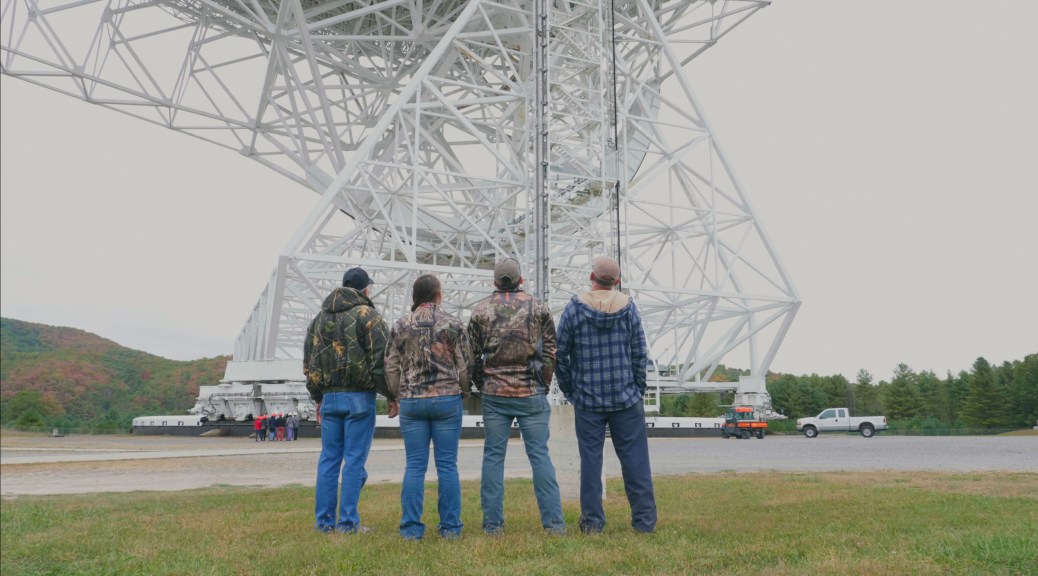
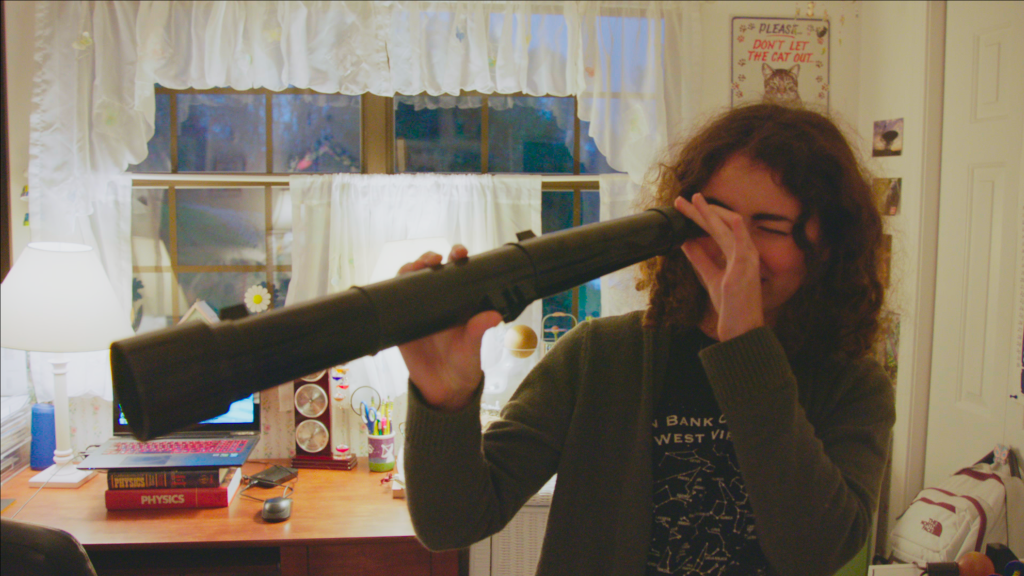
Below is my conversation with Katie Dellamaggiore, the director of Small Town Universe, a documentary about a small town in West Virginia, where cell phones and wireless internet are forbidden. But beyond the quirky origins of the town, the film explores the people within it, and their reliance on the funding that makes the space telescope possible. The film is making its Indiana premiere at the Heartland Film Festival. We discuss her origins with the project, the state of science in America, and belief in extraterrestrials. Our conversation has been edited and condensed for clarity.
Ben Sears: With any documentary, I’m always curious about how you initially came across the subject matter. So what was it that got you interested in making Small Town Universe? Do you have a personal connection to the town?
Katie Dellamaggiore: Actually, I had no prior relationship to the topic. For better or worse, I didn’t get much of a science education when I was younger. My husband, who’s my filmmaking partner, he’s very much into science fiction, like Star Wars and Star Trek. So I didn’t have that background going into it, but I think that’s probably why I was somewhat attracted to the story. Because it’s fun to learn something as an adult, making a film about a subject that you didn’t get a chance to learn about when you were younger.
In 2015 or 2016, I had just finished a film called Brooklyn Castle, and we had just had 2 kids, and my mom had died that year as well. But one night, my husband and I were chatting, and I asked, ‘do you think there’s a town with no cell phones?’ It wasn’t really clear to me at the time, but I was addicted to my cell phone, and it was the ramp up to the election. I had two babies at home but wasn’t getting out of the house a lot, and I think I was missing my mom a lot and her phone calls. So I googled it, and that’s how Green Bank, West Virginia came up. I couldn’t believe it! As I got more excited about the topic, it just evolved into something more than that. At the beginning, I thought maybe there could be a story about the fact that there are no cell phones, but it became more interesting to tell a story from the point of view of how the science was connecting people in the town.
BS: One of the segments of the documentary is about the people who move there specifically because they have the Electromagnetic Hypersensitivity. Did they have any kinds of reservations around you filming with them? Did it take any convincing to get them to be part of this?
KD: It’s interesting, because when I did that initial google search, a lot of the videos were news pieces that tended to hyper-focus on them because it’s kind of sexy and gets clicks. Some of them were desperate, for good reason, to want to tell their stories. Sometimes, maybe they weren’t aware that people were taking advantage of them, but they were very open because they want to be heard and have their story told. So I’d say there wasn’t a lot of trepidation because they wanted to get the word out. That being said, it was really important for me to figure out how to tell this story without having it ever feel like some sort of “gotcha” piece. It’s not my job to figure out the science behind this.
Sue, the person we ended up filming with, we hit it off because we’re both from New York. There was just an instant connection, and she was really happy to share her story. There wasn’t a lot of trepidation, but I think I felt like it could easily go in a bad direction. They will tell you that there are members of the community who maybe shouldn’t be on camera. So I just chose not to film with them. But it made me really happy, and they’ve all seen the film, and they’re really happy with it because there’s not much worse than having the subjects not feel good about the end product. The film isn’t about specifically their issue, so I’m happy for them to use it as much as they want. But Small Town Universe isn’t out there trying to convince people that cell phones are bad.
BS: Were there any technical limitations that made it difficult to shoot with them?
KD: The whole town, actually. For the majority of the time, we weren’t allowed to use wireless microphones. It wasn’t just Sue, but it was part of the rules that existed in Green Bank. Whenever we were filming in and around the telescope, we had to use a boom microphone. Not just a boom mic, but it had to be plugged into the back of the camera. So we had to make really small movements and couldn’t get far away from the action. It kind of challenged the way that we captured things. We were always really close to everything that was going on.
Looking back, we have some B-roll of wide shots, but the action was never happening in a wide shot. We always had to be right next to people, so that added some intimacy, but it was really because we had no choice. If we were really far away from the subject, we wouldn’t be capturing sound and I’d have no idea what was going on.
BS: When you first started filming, did you have a set idea of who you were going to follow, or did that change as you got more oriented into the town?
KD: My first trip to Green Bank, I went by myself as a research trip. I met George on my first trip, and then I met the folks who worked at the telescope and a woman named Karen early on. There were a few people I wanted to film with, and it didn’t pan out. Within a year of going down there, I met Ellie and her family, and Sue.
BS: One of the recurring questions that comes up throughout Small Town Universe is whether anybody believes in extraterrestrials, or life on other planets. Did you believe in that before shooting the film, and did that change all once you were done?
KD: I didn’t really think about it much before I started working on this. If you had asked me, I’d probably say ‘yea, I hope so!’ But like I said, I wasn’t the person who devoured a lot of content about it. My husband watches stuff like Ancient Aliens [laughs], but that wasn’t me. Now, I think, how can you believe that there’s not? Or at least scientifically speaking, when you understand the science behind it, there’s nothing kooky about it at all. I’m all-in about the Dirac equation now, and I just think that, as a species, there’s nothing better than continuing to challenge what we think and what we know. That’s what science is, and the science of extraterrestrial life is, like, a constant search for something that we don’t know the answer to. I think that just makes us better human beings, to not stop asking.
BS: Part of the backbone of the film is how the American government treats science as a priority. Did making this film change how you view our prioritization of science and exploration?
KD: It doesn’t appear that it’s a priority right now. I’m not an expert on this, but I think we tend to prioritize things that make money. Basic scientific research often doesn’t make money, so what’s wonderful about this telescope is that they have this program called Open Skies, where anybody who has an idea can apply for time on the telescope. So when federal funding gets taken away from something like this, that’s the thing that goes away first. For this facility to remain open now, from the National Science Foundation and Breakthrough Listen, it’s great, but it’s not a big government priority. Any kind of space exploration today is being funded by billionaires, for better or worse.
Small Town Universe will have in-person screenings at the Heartland Film Festival in Indianapolis, and will be available to stream online throughout the festival.Buy tickets here.
Starring: Saoirse Ronan, Paapa Essiedou, Stephen Dillane, Saskia Reeves
Grade: B
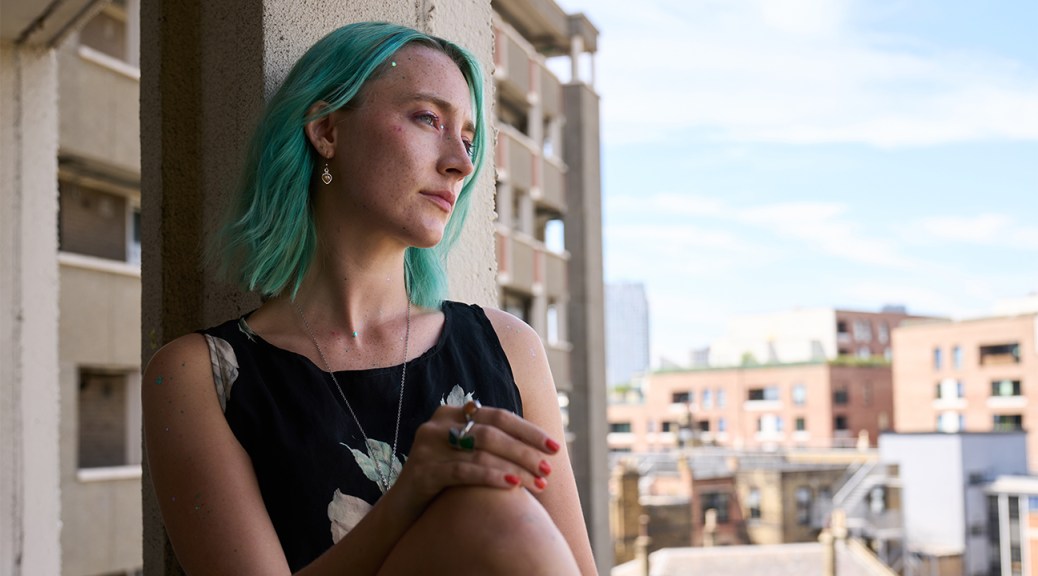
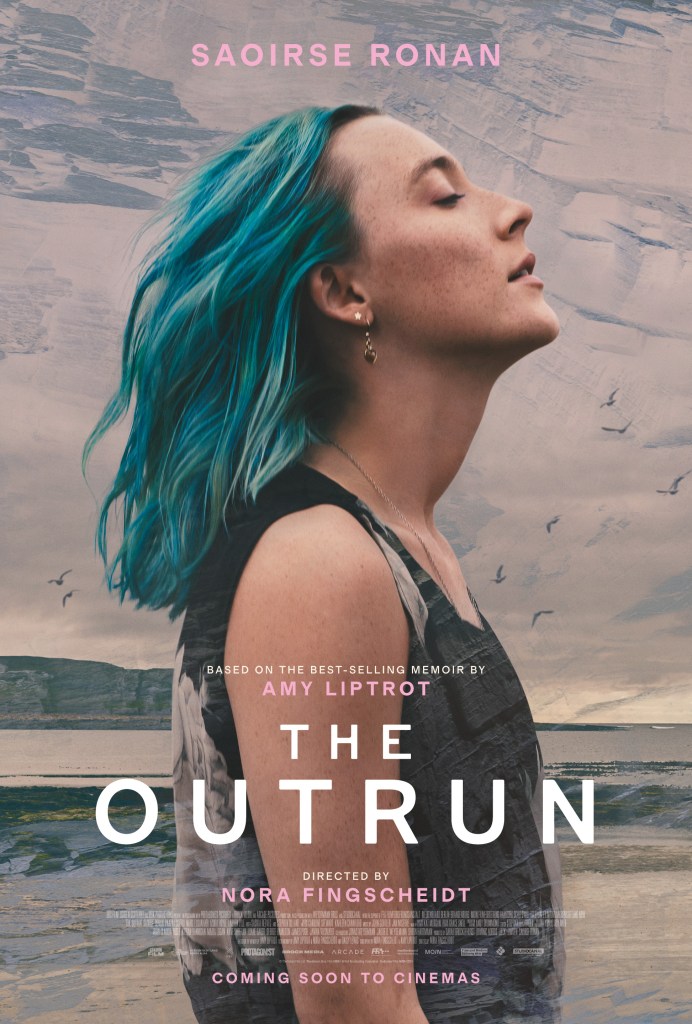
The Outrun is a story of addiction – alcohol addiction, specifically – but it’s a film that looks at the almost mythological origins of addiction. Are we born an addict, or is it borne from circumstance? It’s fitting for a film set on the Scottish coast, where its main character, played with devastating humanity by Saoirse Ronan, is a biologist who often waxes poetic about humanity’s origins. Character studies about addicts, or even unlikeable protagonists, are nearly as old as film itself, and while writer-director Nora Fingsheidt’s film isn’t an entirely fresh entry, it feels like it comes from a place of genuine sincerity.
Starring: Joaquin Phoenix, Lady Gaga, Brendan Gleeson, Catherine Keener
Grade: C+
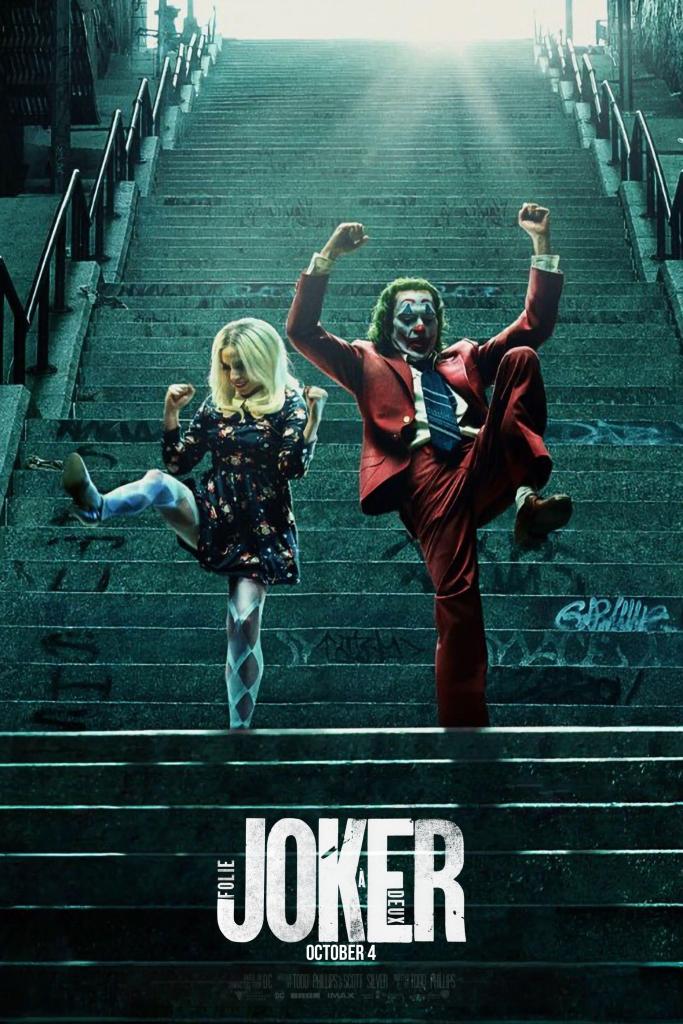
It’s hard to believe that it’s been five years since the release of Todd Phillips’ Joker. Whether you loved it or hated it, the movie’s status as a phenomenon is undeniable. Not only did it become the highest grossing R-rated movie (at the time), but it was hard to escape since it premiered at the Venice Film Festival and won the prestigious Golden Lion Award. Regardless of what any individual felt, it got a lot of people talking and even became a bit of a hot-button political issue.










 The Movie State