
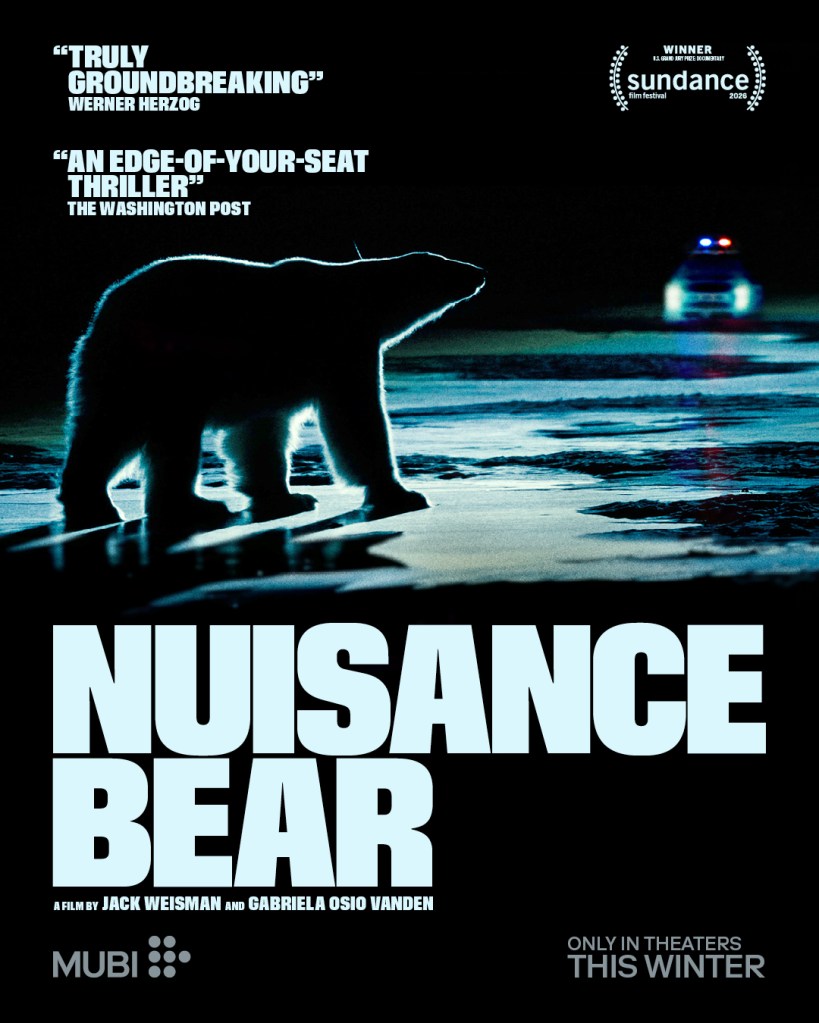
Nuisance Bear
- Director: Gabriela Osio Vandem, Jack Weisman
Grade: B+
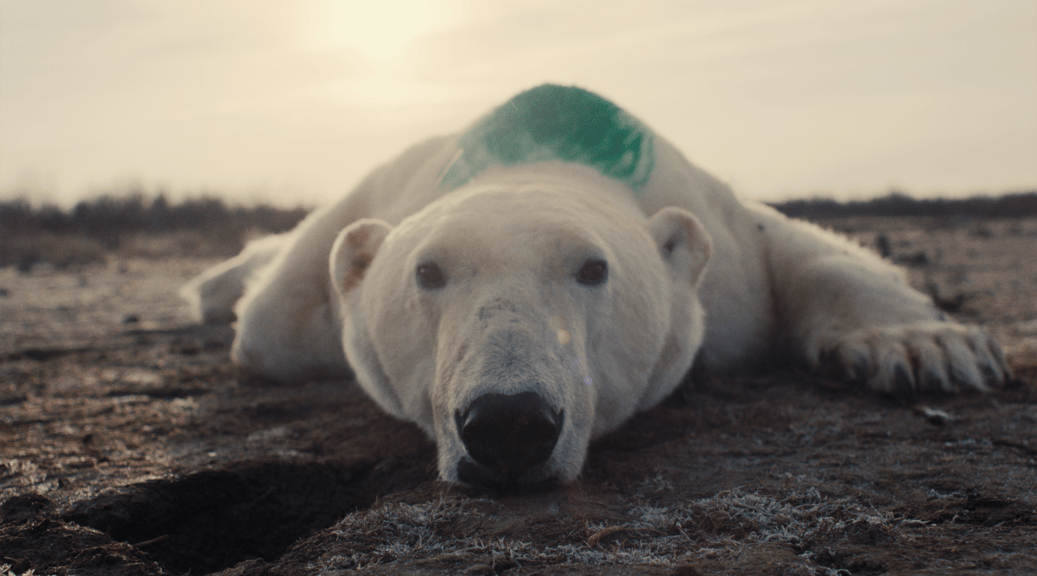
While watching Gabriela Osio Vandem and Jack Weisman’s Nuisance Bear, I found a strange parallel to Tiger King. Specifically in that series’ depiction of the often cruel ways that wild animals are exploited for our entertainment. There’s nothing as plainly evil here, but our casual apathy towards the existential plight of the polar bear species writ large is front and center. This manifests in different, often fascinating ways within Vandem and Weisman’s documentary, but it speaks to the larger theme of intrusion or invasion of the natural order of things.
Set mostly in and around the town of Churchill, Manitoba, Canada, the film follows the residents and their efforts to keep the wayward bears from getting too close for comfort. Nuisance Bear is the feature-length expansion of Vandem and Weisman’s Oscar-shortlisted documentary short from 2021, utilizing similar filmmaking techniques but sharing a similar sentiment. It’s not often that short documentaries are adapted to become a feature, and while I don’t know that it was necessary here, it ultimately doesn’t feel redundant or like a waste of time and resources.
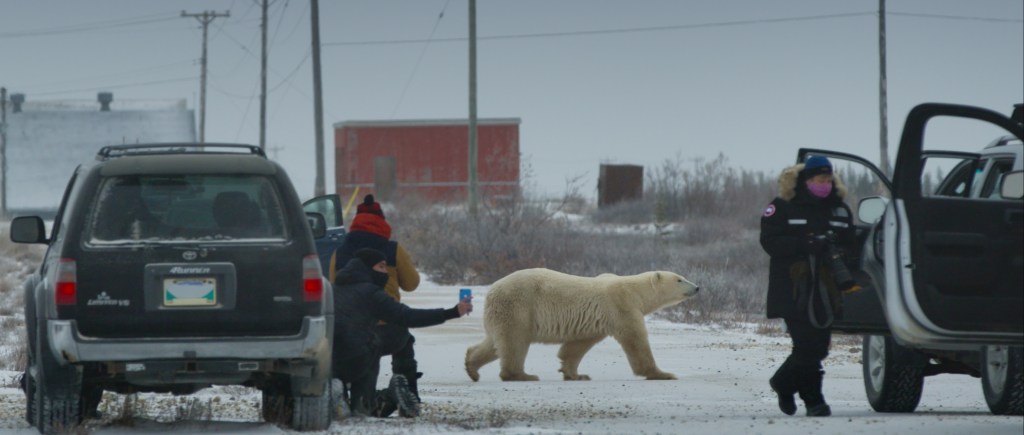
Both versions of Nuisance Bear unfold without conventional talking heads – the closest comes from the occasional narration of Mike Tunalaaq Gibbons, who died after filming and receives a dedication in the credits – but the narrative comes from our observation of what’s being shown. It’s a problem that’s been around for as long as humans and nature have co-existed, but has only been dealt with humanely in recent decades. We see the variety of methods that conservationists use to deter the polar bears’ intrusion, including fireworks, large pipe-shaped traps and, when all else fails, tranquilizer darts and relocation into the wild.
What’s left unsaid is that the bears’ presence so far south of their natural habitats is the necessity of it all because of climate change. Less time for viable sea ice, and warming waters driving polar bear prey away, means they must go further and further from their natural habitats to find food. This isn’t all bad news, especially for the guided tours allowing paying guests to get up close and personal with the bears – though they’re kept at a safe distance while driving in giant, armored pseudo-school buses that look like something from a dystopian sci-fi film.
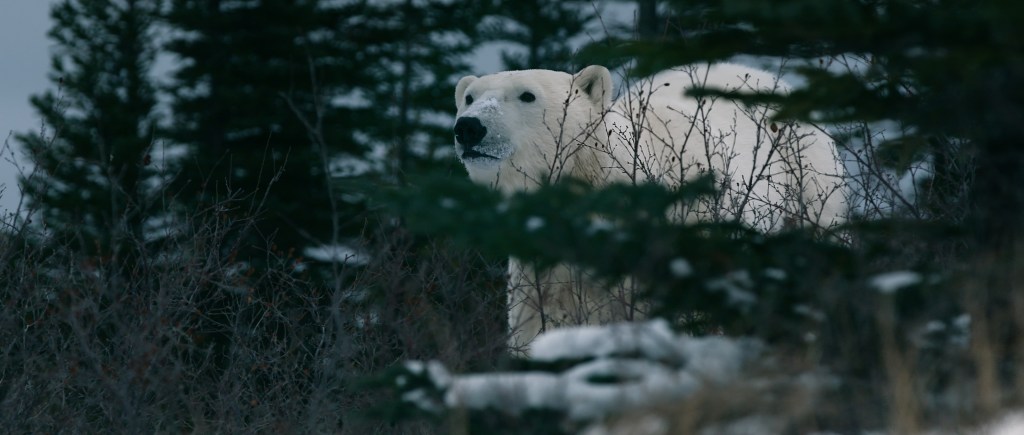
If anything within Nuisance Bear is under-explored, it’s in the parallels between the Inuit history and the polar bears. Gibbons explains that, once the white man began expanding into Inuit territory, the natives were forced to learn their ways and erase their cultures and traditions. Surely there are still enough horrific, detailed stories worth telling – though I’m not sure there’s a way to fit them within Vandem and Weisman’s style. Regardless, Nuisance Bear offers an honestly bleak exploration of a corner of the world that will only be affected more and more as the climate crises continues.
Nuisance Bear was screened as a Special Presentation film at the Heartland International Film Festival. Mubi will release the film in select theatres on November 6, and expand in select cities in subsequent weeks.
OSCAR POTENTIAL:
- A Documentary Feature nomination is definitely feasible, and wouldn’t surprise me to hear it called on nomination day, but the emergence of other, more weighty documentaries puts it in danger.

